About Antsirabe
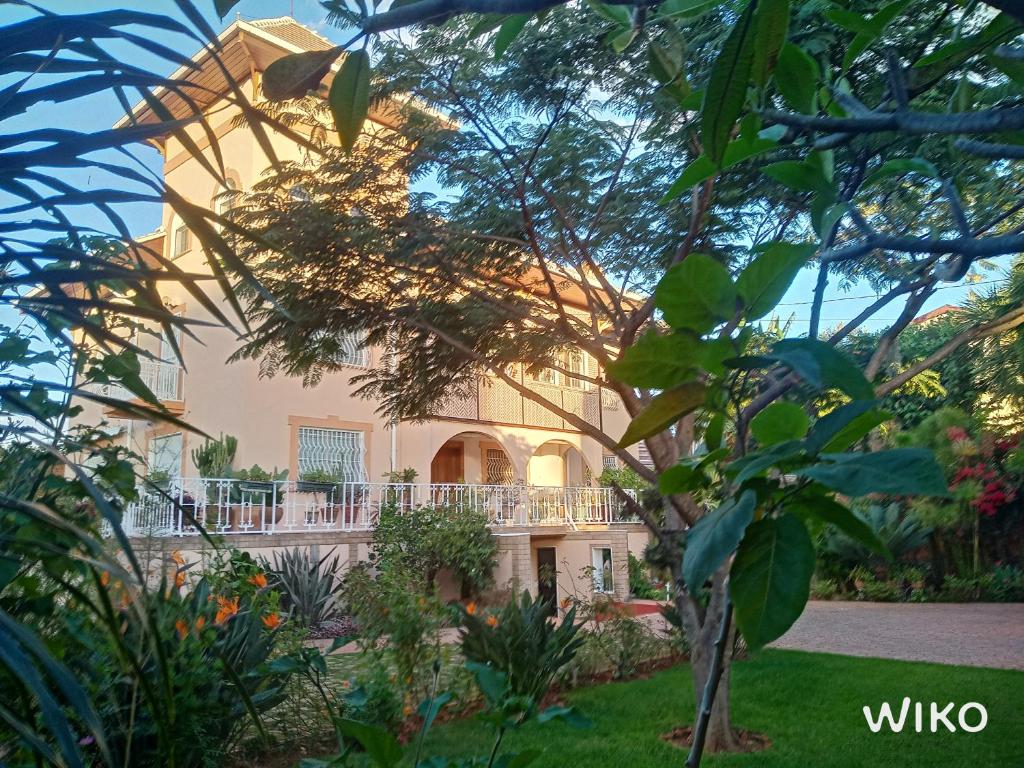
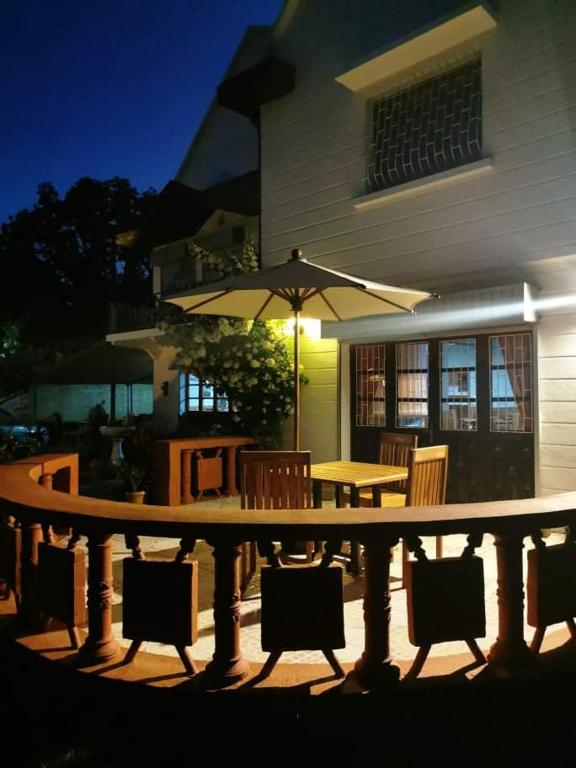
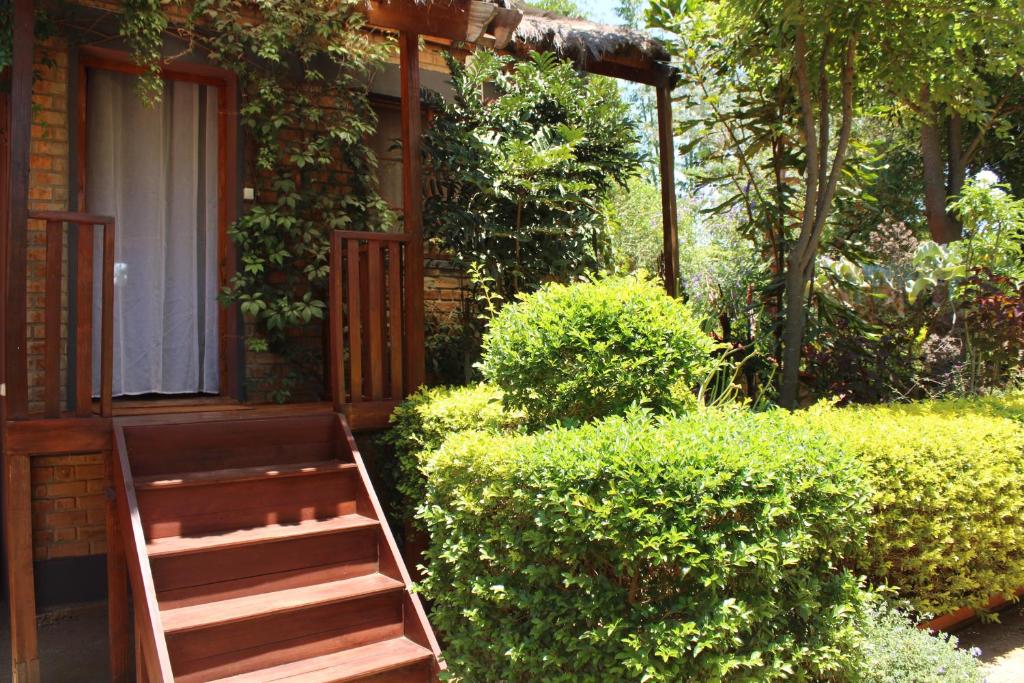
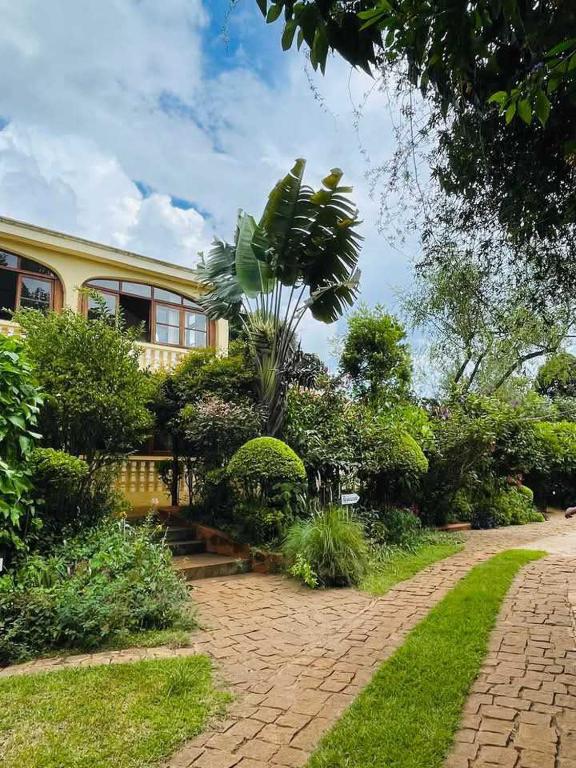
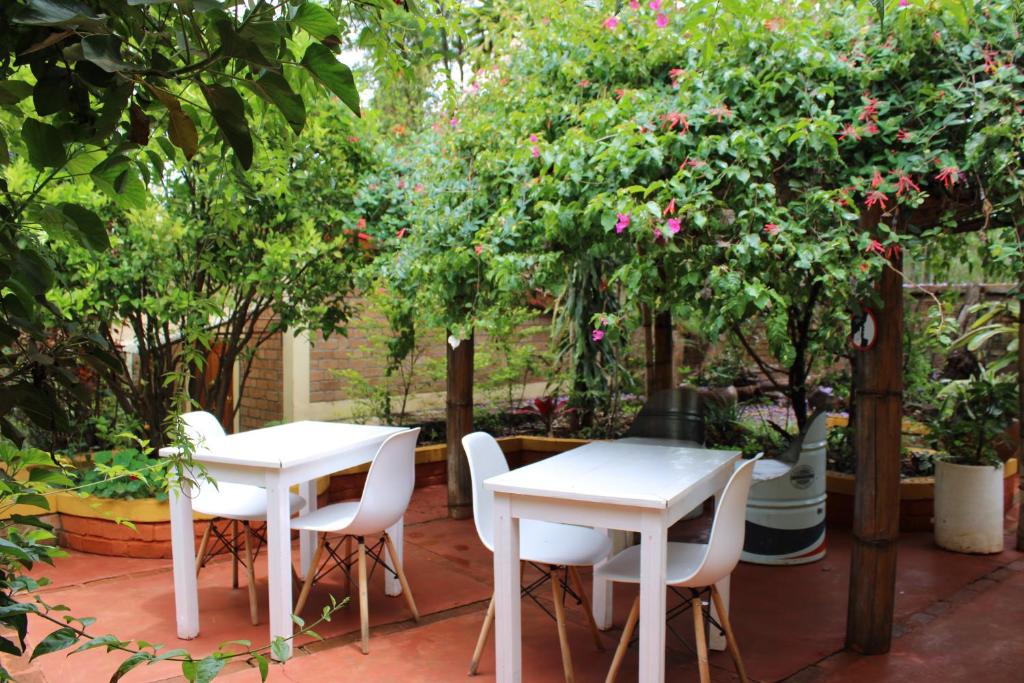
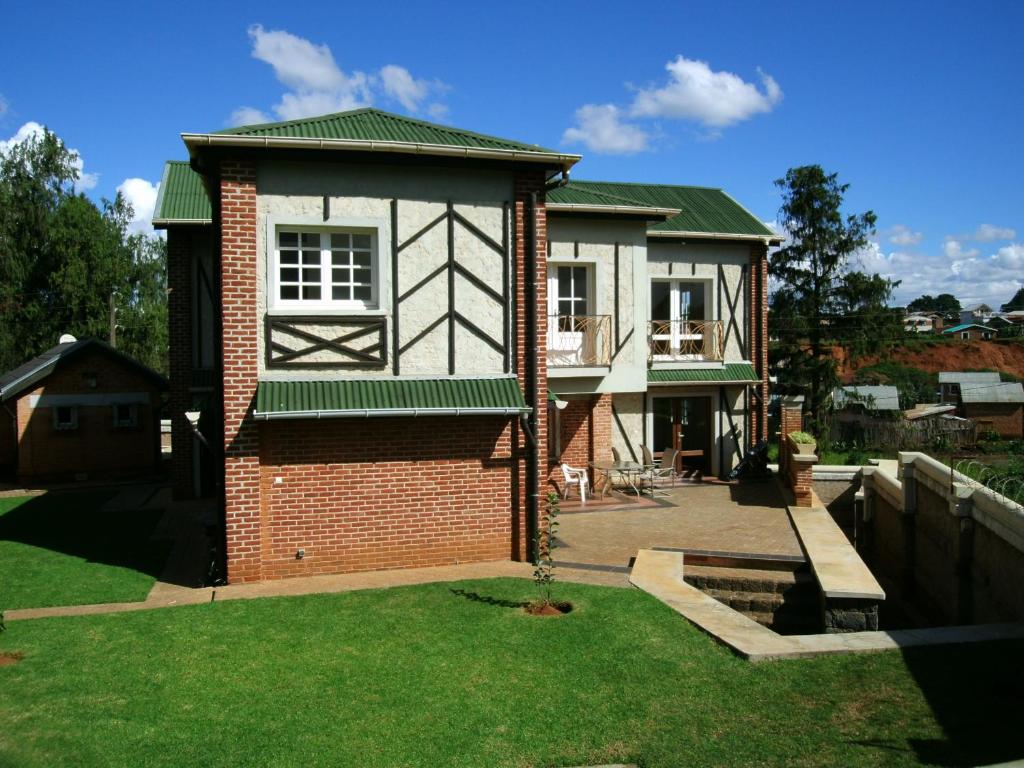
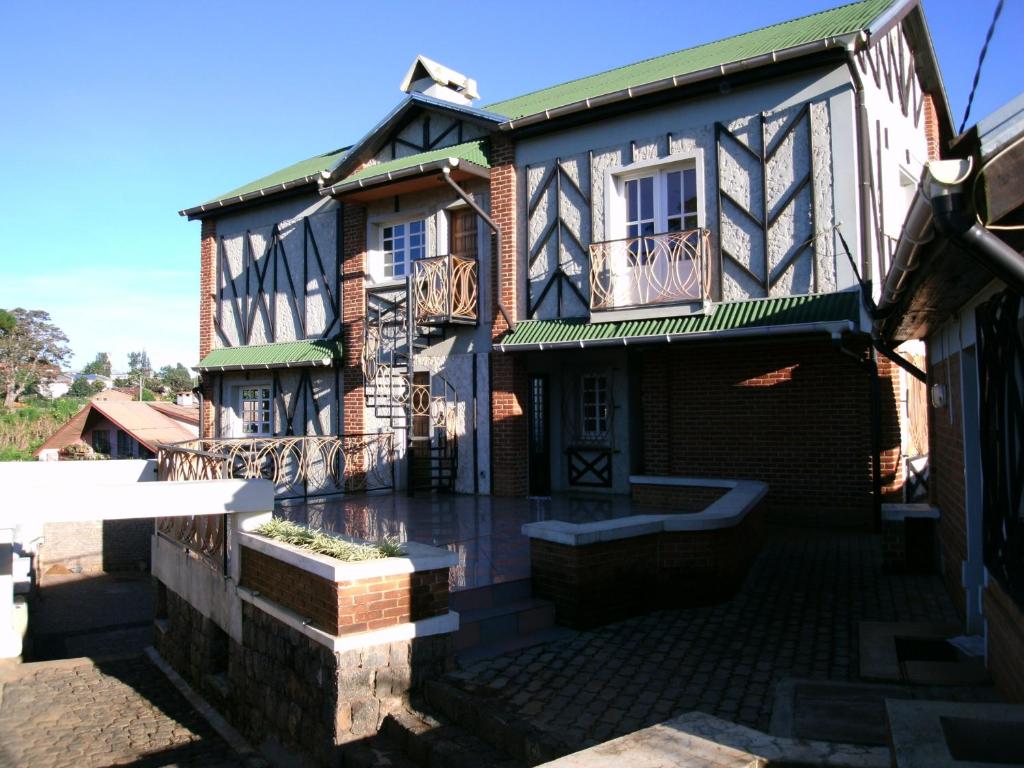
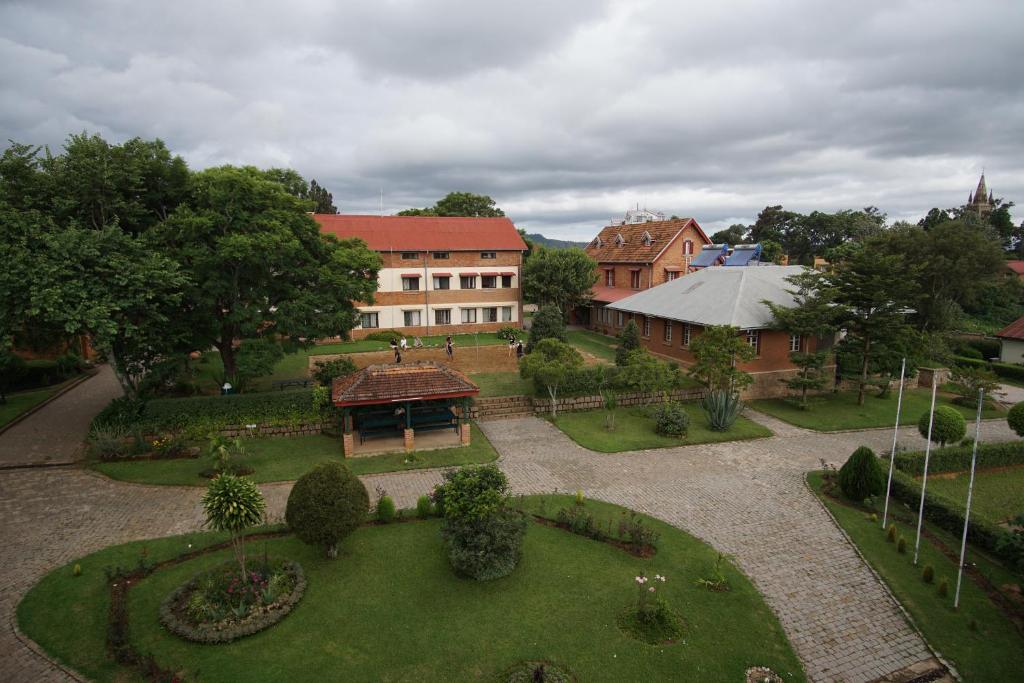
Antsirabe makes a rewarding highland pause on the RN7, with thermal heritage, craft workshops and volcanic lakes beyond its busy streets. At about 1,500 metres, the city also offers a cooler change of pace from Madagascar’s coast. Stay near the old station and thermal quarter for walks, restaurants and a choice of hosted rooms or garden lodges.
The northern gardens and the western Ivohitra and southern Mandaniresaka approaches suit travellers who prefer more time at their accommodation and can arrange rides. Give the city more than a hurried overnight stop: a workshop visit and a separate lake outing benefit from an unhurried morning.
Common questions
Why stay in Antsirabe, and how many nights should I allow?
Allow two or three nights for a city walk, craft visits and a separate lake outing. Antsirabe’s appeal lies in the combination of highland daily life, thermal-era buildings and small garden stays, which is easy to miss on a late arrival followed by an early departure. Add the third night if you want more time in the grounds or room to adjust an outing around the weather.
How do I reach Antsirabe from Antananarivo?
Continue by road from Antananarivo along the RN7, using a taxi-brousse service or a prearranged car and driver. Confirm the current departure point, luggage arrangements and arrival address with the operator, then arrange the last leg to an outlying garden stay. Leave space around your international flight connection and use current road advice instead of relying on a fixed journey time or assuming a scheduled flight or train to Antsirabe.
Can I stay without hiring my own car?
Yes, central accommodation works for some city exploring on foot, with pousse-pousse, cycle rickshaws, motorised three-wheelers and taxis available for other journeys. Agree the destination and return arrangements before setting out, especially when staying on the northern, western or southern approaches. A lake trip needs its own transport plan, while the accommodation’s precise gate matters more than a general city-centre pin.
Should I choose central streets or an outer garden stay?
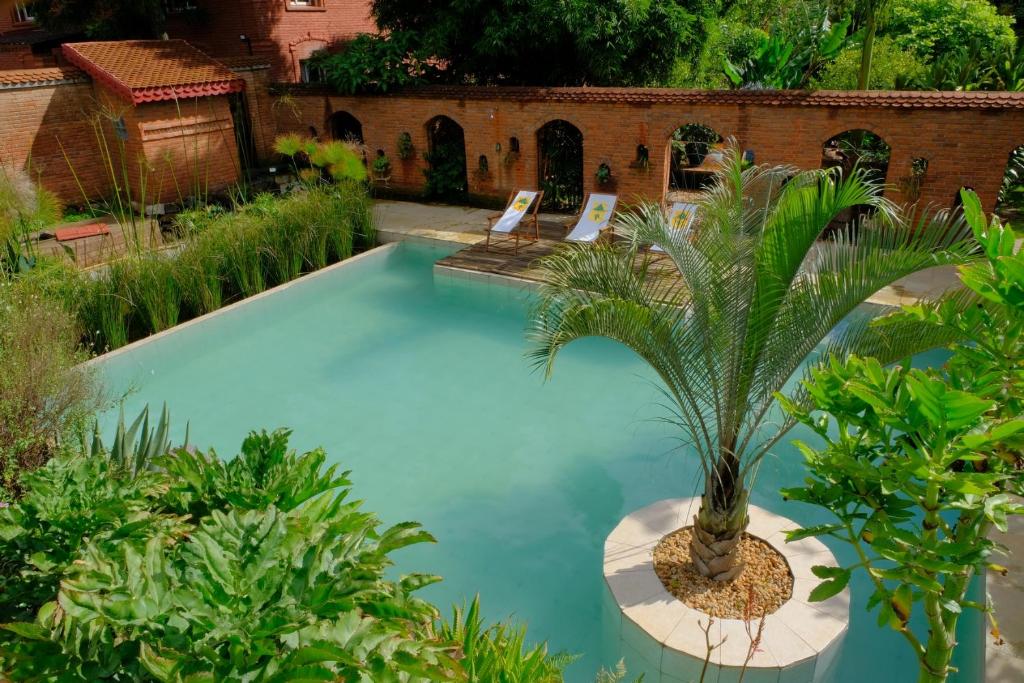
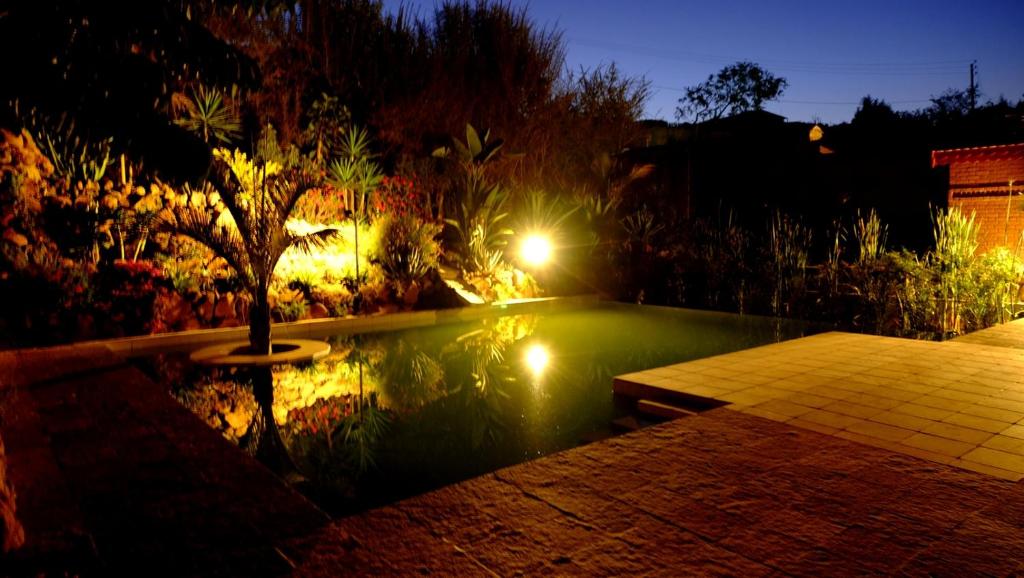
Choose the central streets if workshops, restaurants and independent errands are your priority. The northern gardens suit lodge time between excursions, western Ivohitra suits garden-grown meals arranged in advance, and southern Mandaniresaka suits a pool stay with an onward road plan. Compare the exact address, evening transport and meal arrangements before choosing on room photographs alone.
What is worth seeing in town?
Build a walk around the old station, avenues, churches and former thermal buildings, then arrange visits to workshops making embroidery, textiles, decorative miniatures or objects from zebu horn. Ask before entering a workshop or photographing people, and confirm whether a demonstration is available rather than expecting one on demand. The thermal history is part of the city’s character, but a visit to an operating bath requires current opening and access information and is not included automatically with a hotel stay.
How do Andraikiba and Tritriva differ?
Andraikiba offers a volcanic lakeshore outing, while Tritriva is a separate crater lake with steep sides and local sacred traditions. Plan the approach and return with a driver or local guide, ask about current access and fady, and treat stories attached to the lakes as local tradition rather than established history. Wear suitable footwear, allow for wet paths and do not assume either lake is a designated swimming place.
When should I visit, and what should I pack?
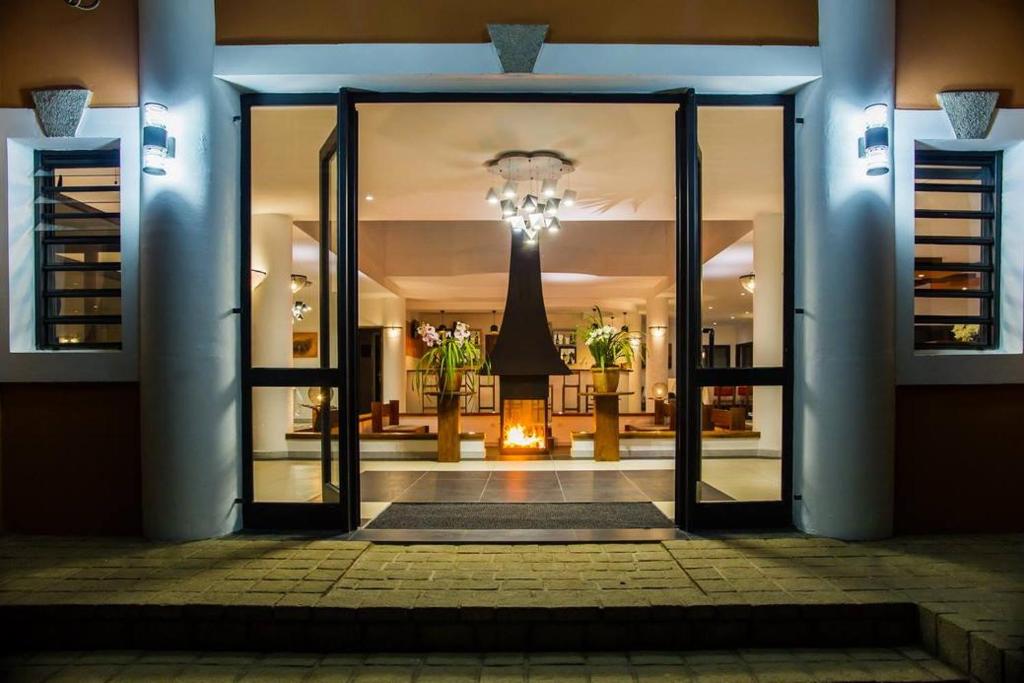
November to April is generally the wetter period, while the highland dry season brings cooler nights, particularly around June. Take a warm layer for evenings and early starts as well as rain protection for outings, and adjust lake plans to the current conditions. Check whether your selected room has heating or a working fireplace when that matters to you, since the city’s altitude does not mean every room is equipped for a cold night.
What should I check about heating, water and pools?
Recent guest accounts at individual properties describe cold rooms and interruptions to hot water or the water supply, so ask about the chosen room’s current arrangements. Confirm heating, shower facilities, any available backup and whether a shared pool will be open during your dates. A seasonal outdoor pool, a room with a fireplace and the city’s thermal heritage are separate features and should not be read as a promise of a heated spa stay.
Which room layouts work for families or limited mobility?
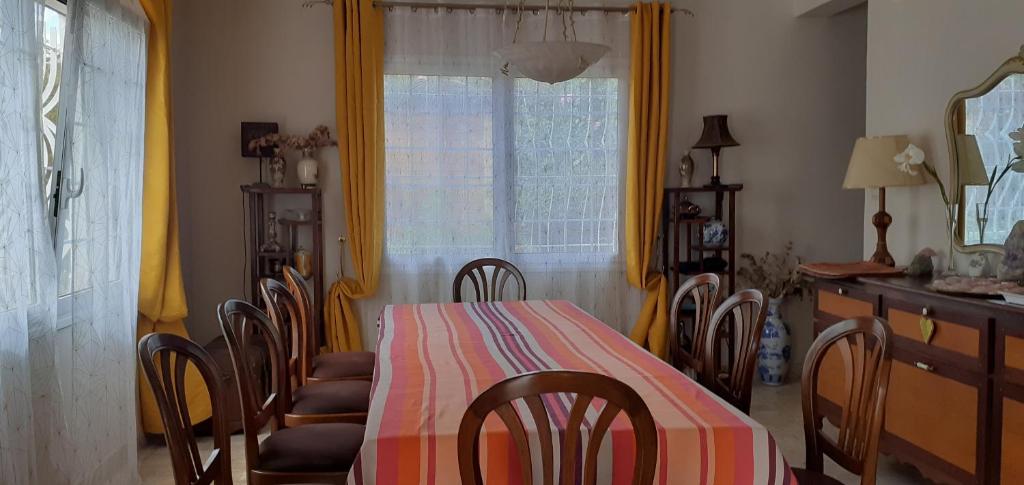
Ask for the complete bed and bathroom layout, since two double beds in one room differ from separate bedrooms and some properties also sell shared-bathroom rooms or dormitory beds. Check the children’s ages, cot or extra-bed permission and any arrangements for pets against the actual booking channel, particularly where the owner’s information differs. For limited mobility, confirm steps, room floor, doorway clearance and the shower arrangement directly; a general accessibility label does not establish that a particular room will work.
What should I arrange about meals, payment and arrival?
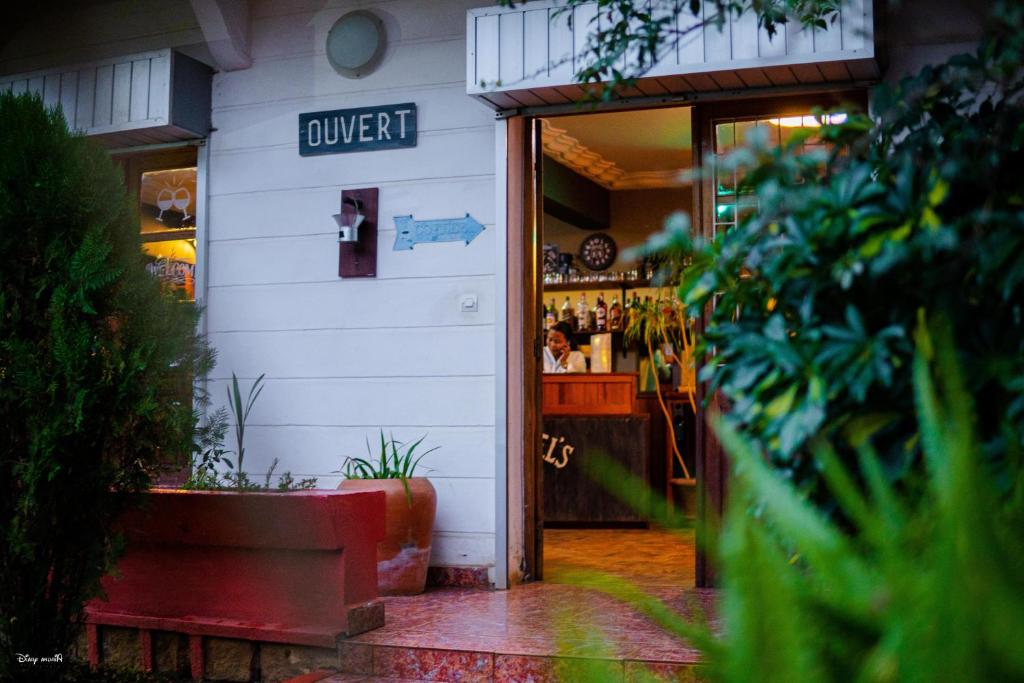
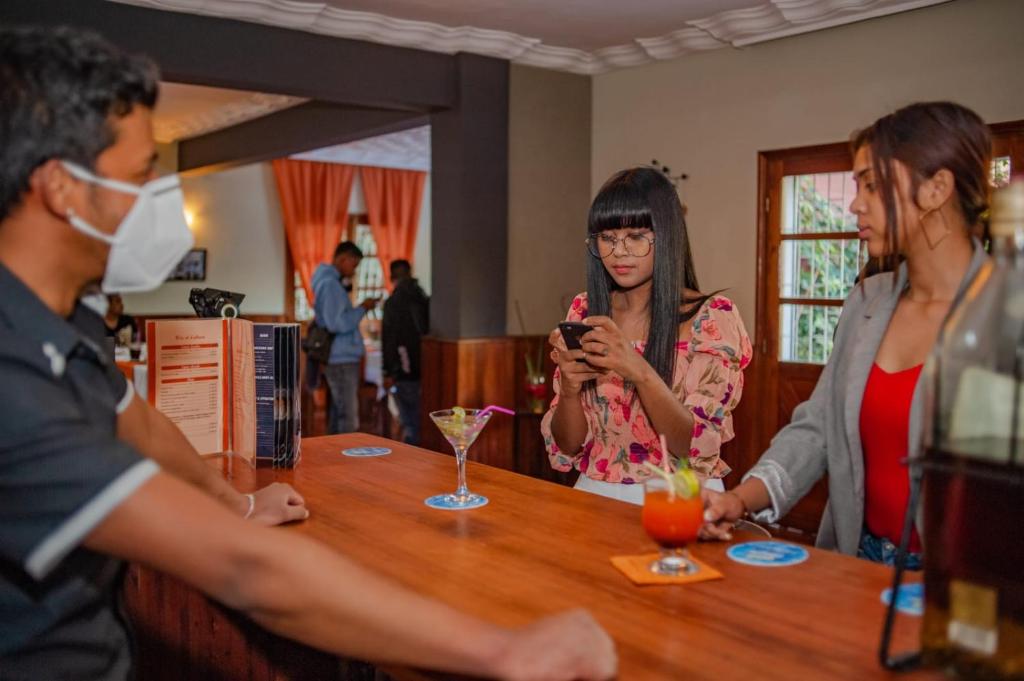
Breakfast inclusion and advance ordering differ between stays, and an outlying restaurant may require dinner to be chosen before you arrive. The region’s vegetables, fruit and dairy products give meals a local connection, but confirm the available menu and any actual cooking equipment in an apartment rather than treating a kettle as a kitchen. Agree the arrival time, late-entry arrangements and payment method in advance, as cash-only stays, card acceptance and card-terminal reliability differ.
Prices are set by the booking site. We may earn a small fee, at no cost to you.