About Musanze
Musanze, still listed as Ruhengeri on many booking sites, is the northern Rwandan base for Volcanoes National Park. Sleeping here gives an early forest excursion room to breathe: arrive before the trek, prepare your gear, then return without another long transfer to Kigali.
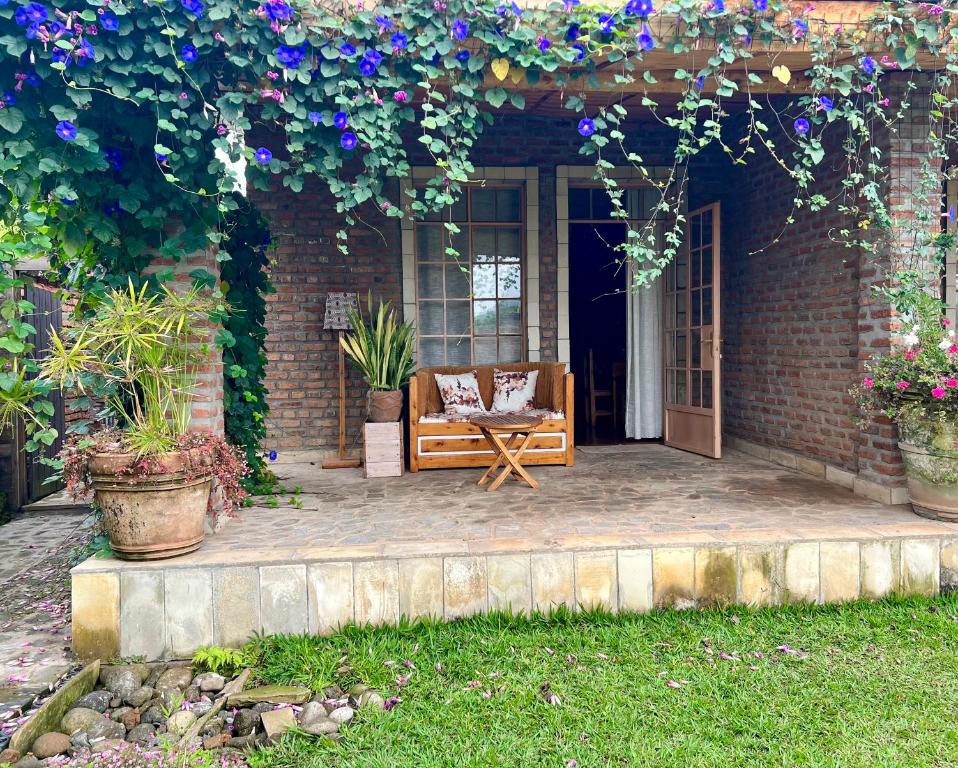
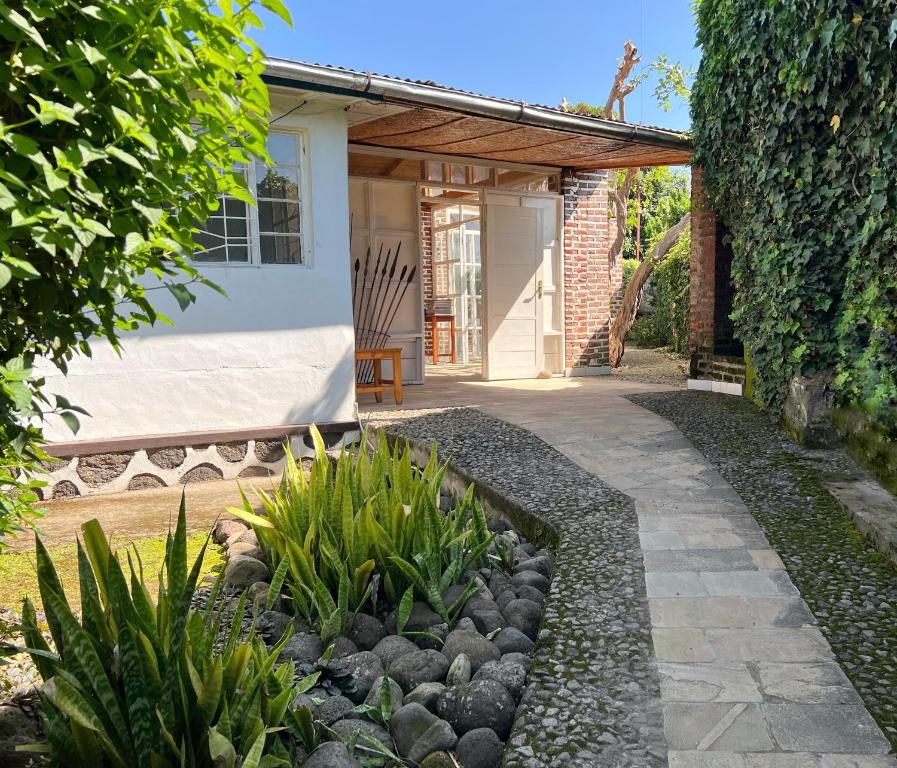
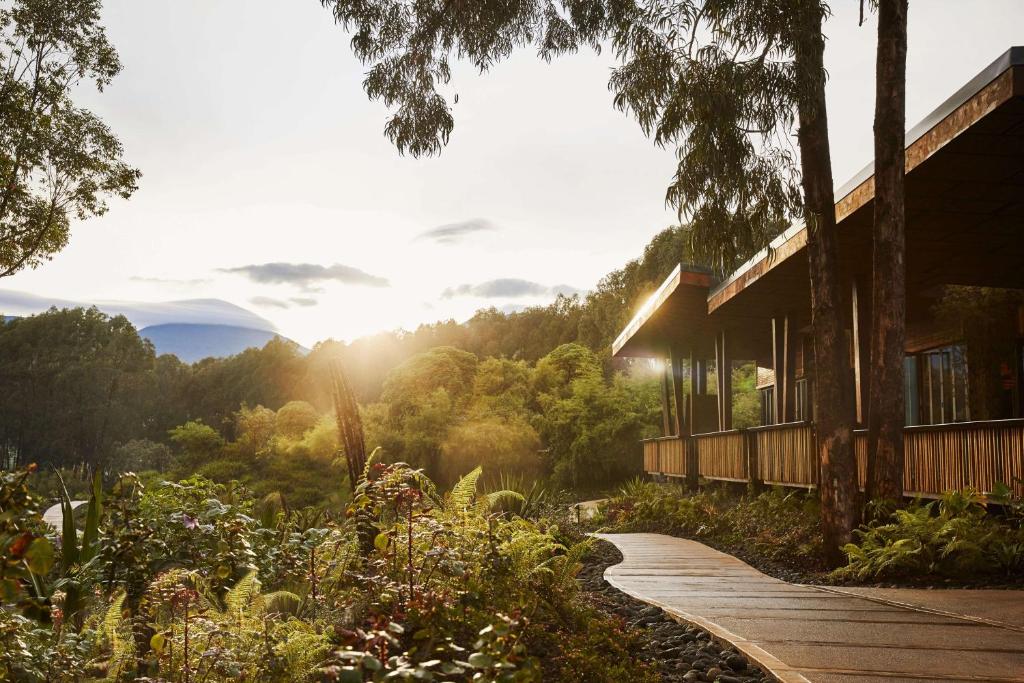
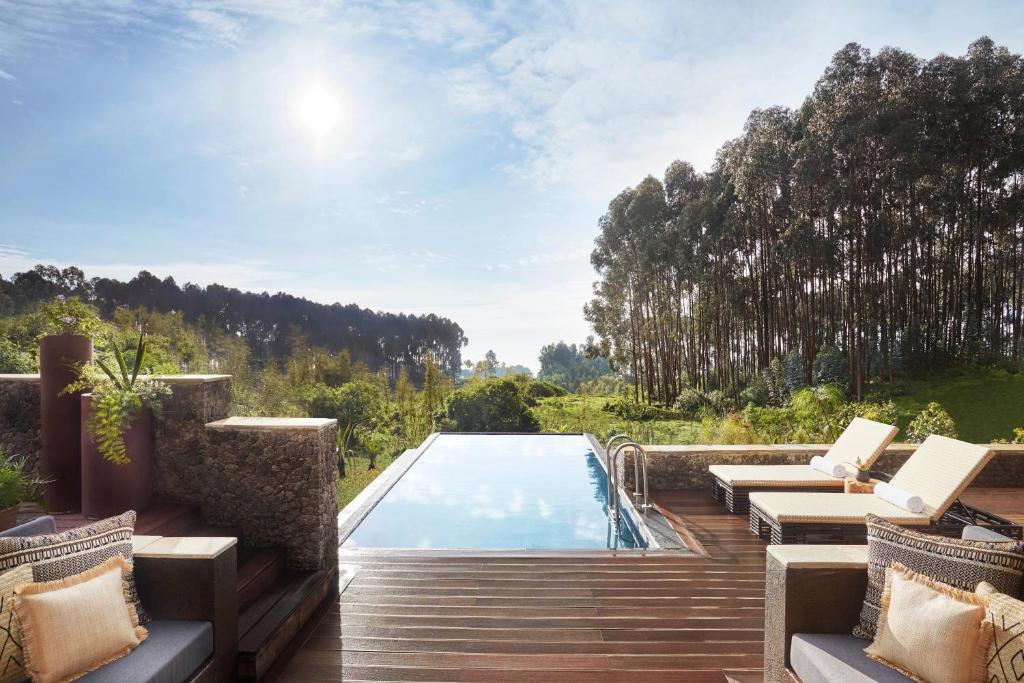
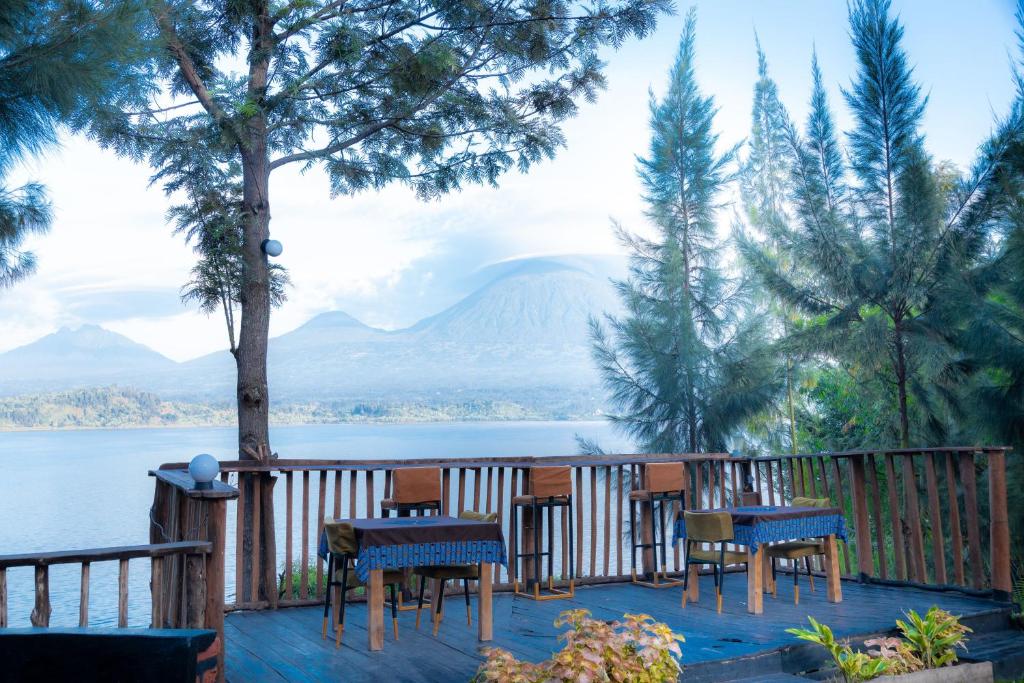
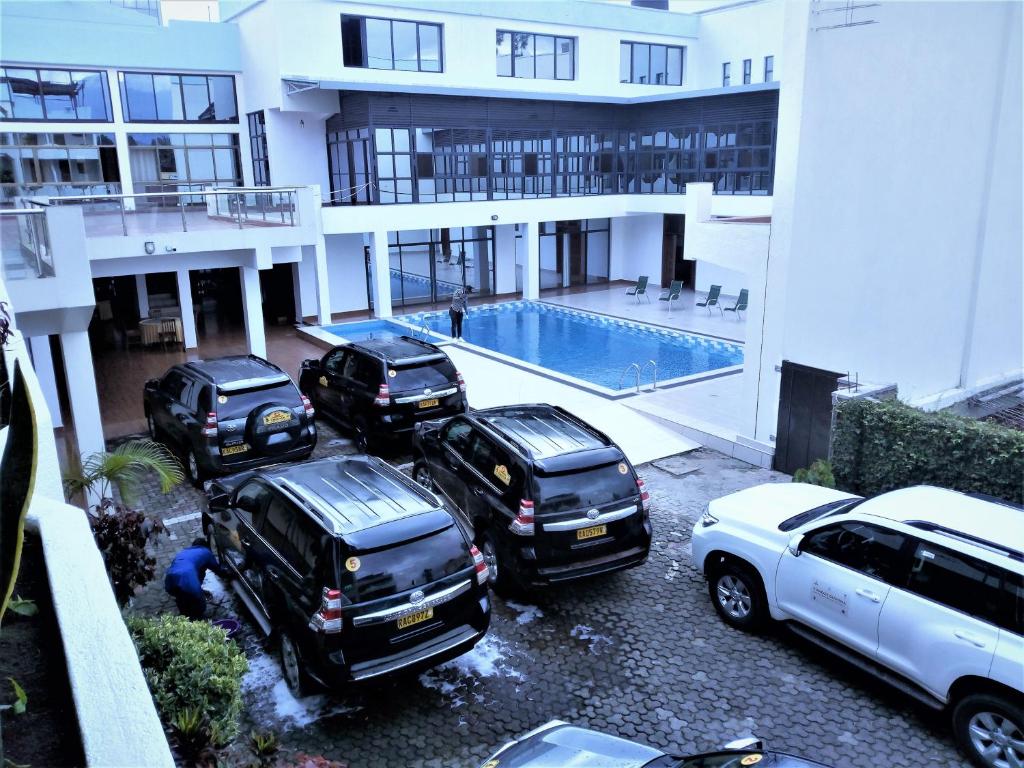
The useful choice is between the town and its western approaches, the lodges around Kinigi, and the more detached shores of Lake Ruhondo. These locations serve different trips. Town keeps ordinary restaurants and services within reach; Kinigi puts the park first; the lake makes sense when an extra quiet day is part of the itinerary.
Common questions
How do I reach Musanze from Kigali?
Use the road route north from Kigali. Visit Rwanda describes the onward journey to Volcanoes National Park as about three hours; your exact hotel and city traffic change the total. Shared minibuses are the country’s common public transport, while a prearranged driver is useful when continuing directly to a rural lodge with luggage.
Can I stay here without hiring my own car?
Yes, especially in town, if you arrange the excursions separately. Rwanda has no passenger rail service, and reaching a town by public transport does not provide the final link to a remote hotel. For Kinigi or the lake, organise a driver or the property’s transfer in advance and agree on the return journey.
How many nights should I allow?
Two nights are a sensible minimum for one gorilla outing: arrive, trek the next morning, and sleep before moving on. Three nights give more room for golden monkeys, the conservation campus or the lake. This is a suggested pace, not a fixed tour requirement; avoid packing several timed activities into the trekking afternoon.
Does a hotel booking include a gorilla permit?
Do not assume so. Secure the dated permit separately unless your operator explicitly confirms it in the package. Visit Rwanda gives a 7 am meeting time at Kinigi headquarters. Agree on breakfast, transport and the meeting arrangements the evening before; a nearby room alone does not reserve a place on a trek.
Which season is easiest for this trip?
June to mid-September is the main drier period described by Visit Rwanda. Rainier spells run from mid-February through May and from mid-September to mid-December. Mountain showers remain possible, so pack waterproofs and sturdy footwear. Smaller unsurfaced roads can be more awkward after rain, which matters particularly for an outlying lodge.
What can I do besides gorilla trekking?
Visit the Ellen Campus for conservation exhibits and nature trails, arrange a guided Musanze Cave visit, or add time around Lake Ruhondo. Golden-monkey tracking is another separate park outing. The cave is a protected site with guided access, not a place to explore independently, and it also has historical significance that calls for a respectful visit.
Is Musanze suitable for families with younger children?
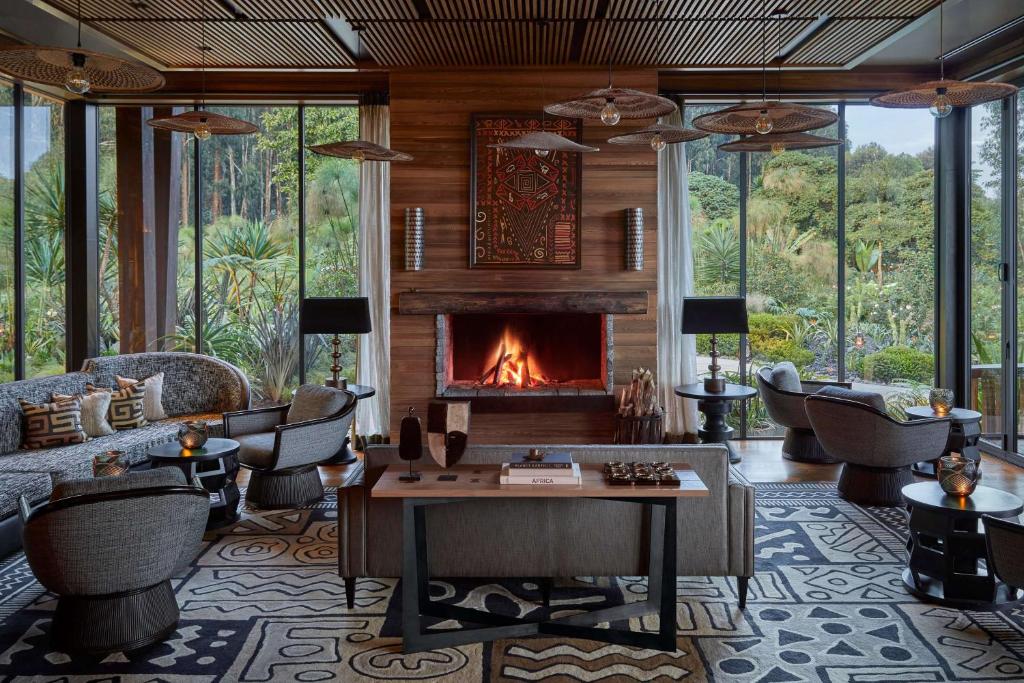
There are family rooms among the listed stays, but the gorilla trek has a minimum age of 15. Build a younger child’s itinerary around suitable lodge facilities, the conservation campus and gentle sightseeing instead. Confirm the exact room arrangement and any activity conditions directly; a family room and permission to join a wildlife trek are different things.
Should I stay at Lake Ruhondo before or after trekking?
Afterwards is the easier sequence for most short trips. You can leave an early park commitment behind and make the lake the purpose of the next day. If choosing it before trekking, get the hotel to explain the complete morning transfer, including any boat leg, rather than judging the journey by the straight-line distance on a map.
Prices are set by the booking site. We may earn a small fee, at no cost to you.