About Queen Elizabeth National Park
Queen Elizabeth National Park stretches between lakes George and Edward in western Uganda, with the Kazinga Channel joining the two. Staying overnight gives you time for an early drive across Kasenyi, a boat trip past hippos and waterbirds, and an afternoon back at your lodge.
The address matters: Katunguru is the central road crossing, Mweya sits farther along a peninsula, and the Kyambura escarpment looks down over the park. Ishasha, known for its tree-climbing lions, is a separate southern sector. Choose a base around your planned activities before choosing the room with the best view.
Common questions
How many nights should I stay?
Allow two or three nights for the central park if you want both a game drive and a Kazinga boat without rushing straight in from Kampala. A third night gives more room for Kyambura or a slower afternoon, while Ishasha works better as an additional overnight stop. Staying near Kahendero on northern Lake George, also changes the driving plan: it is outside the central Katunguru cluster.
How do I get there and manage without my own car?
Road approaches from Kampala run through either Mbarara and Bushenyi or Fort Portal; allow a full travel day and agree the final lodge approach in advance. If you are flying, the relevant airstrip may be Kasese, Mweya or Kihihi depending on the sector and the service operating on your dates. Without a car, arrange a driver or lodge transfers together with the game-drive vehicle, since a long-distance bus does not provide the last leg or a safari.
Do all Kazinga boat trips leave from the same place?
No: Mweya has its own marina, while community boat operators also depart around Katunguru. The classic Mweya outing follows the channel toward Lake Edward and is usually around two hours, but other departures have their own routes and arrangements. Ask for the jetty location, check-in time, transfer and what the booking includes, then plan your morning drive around that confirmed departure.
How should I arrange chimpanzee tracking in Kyambura Gorge?
Reserve the guided activity and confirm the Uganda Wildlife Authority briefing point separately from your room; a lodge called Kyambura does not itself secure a tracking place. The walk descends into a forested gorge, so ask about the current route, footwear, age rules and your party’s mobility before committing. Chimpanzees move freely, and neither the permit nor the lodge can guarantee a sighting.
Can I combine the central park, Ishasha and Bwindi?
Yes, but plan them as successive bases rather than repeated drives from one room. Ishasha is south of the main Kazinga and Kasenyi area and fits an onward journey toward Buhoma; other Bwindi entrances require a different route. Book any gorilla activity first, using the exact permit sector, then place your Ishasha night so you can reach the correct next lodge before the tracking morning.
What is the difference between a cottage, safari tent and campsite?
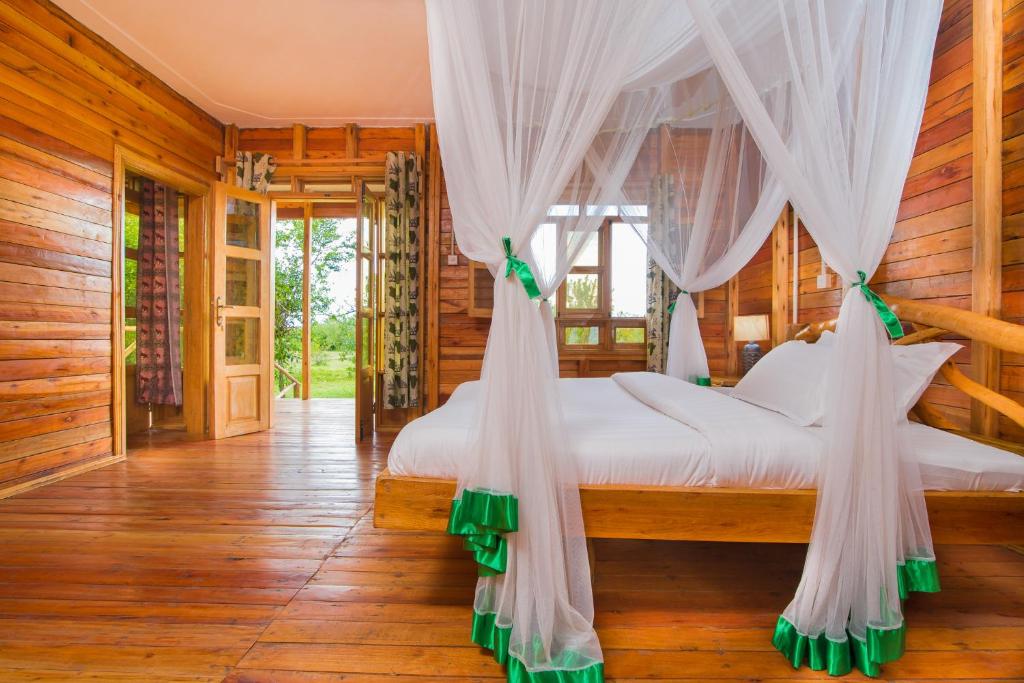
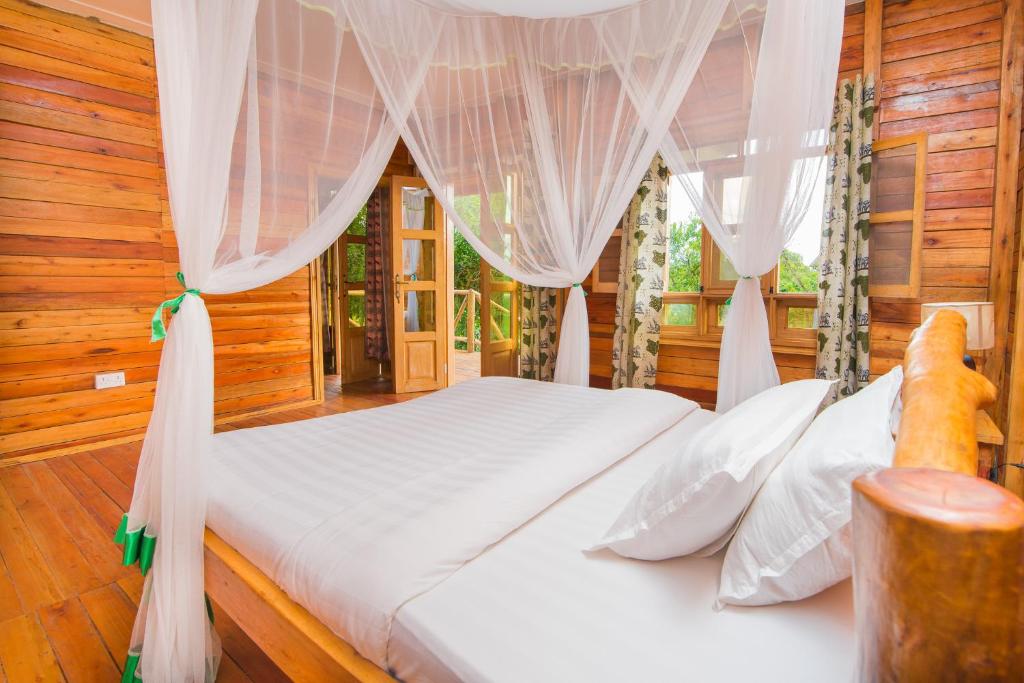
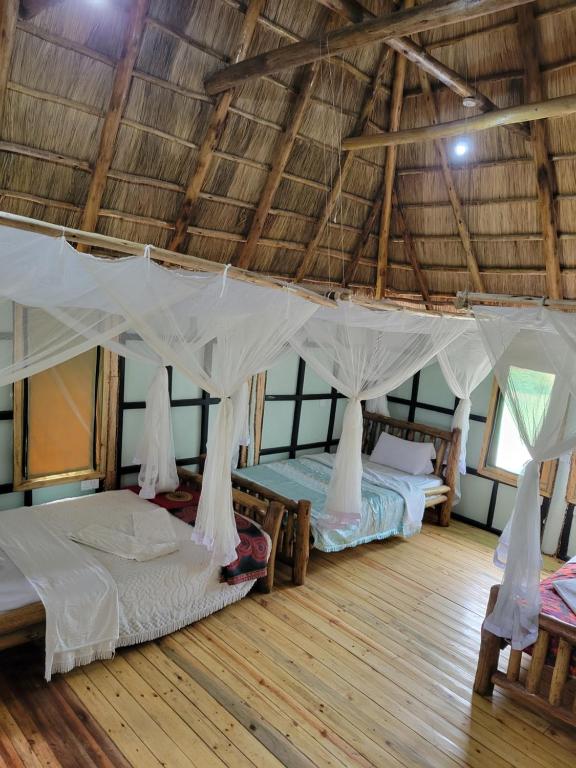
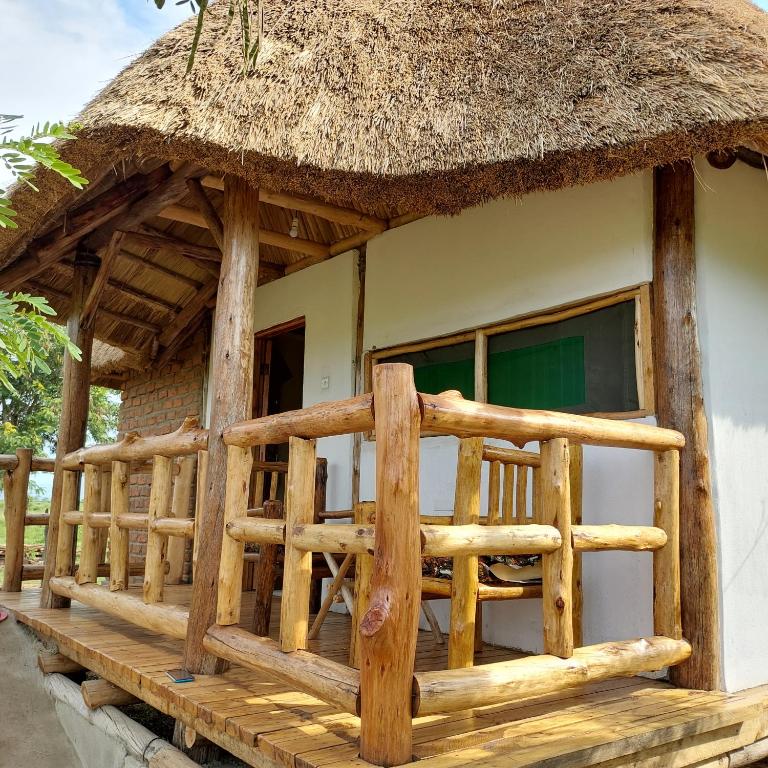
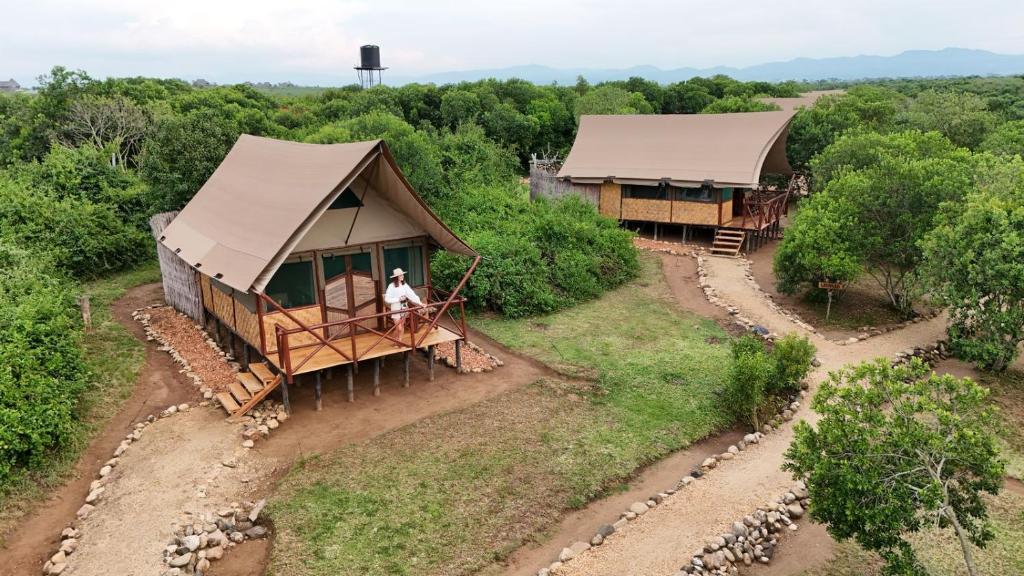
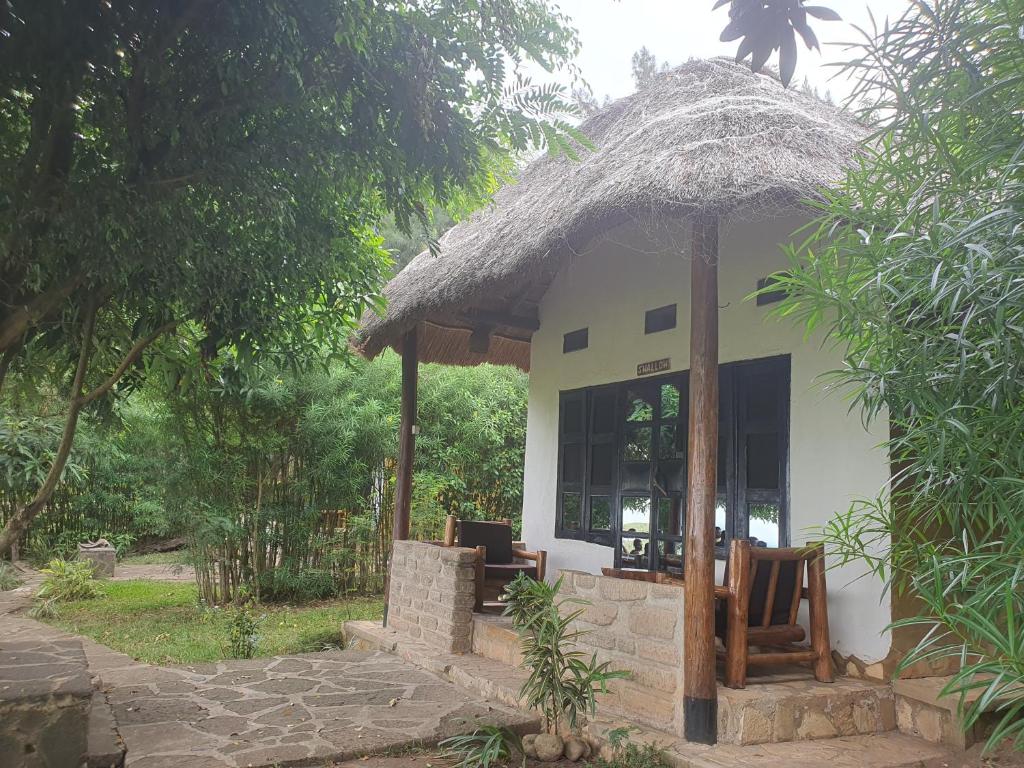
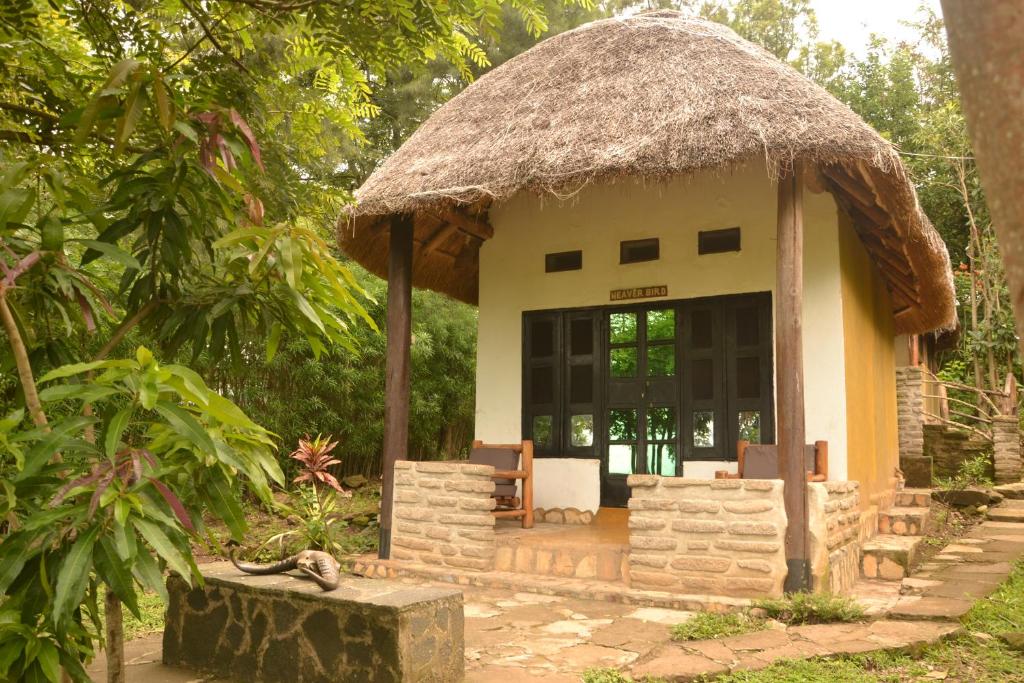
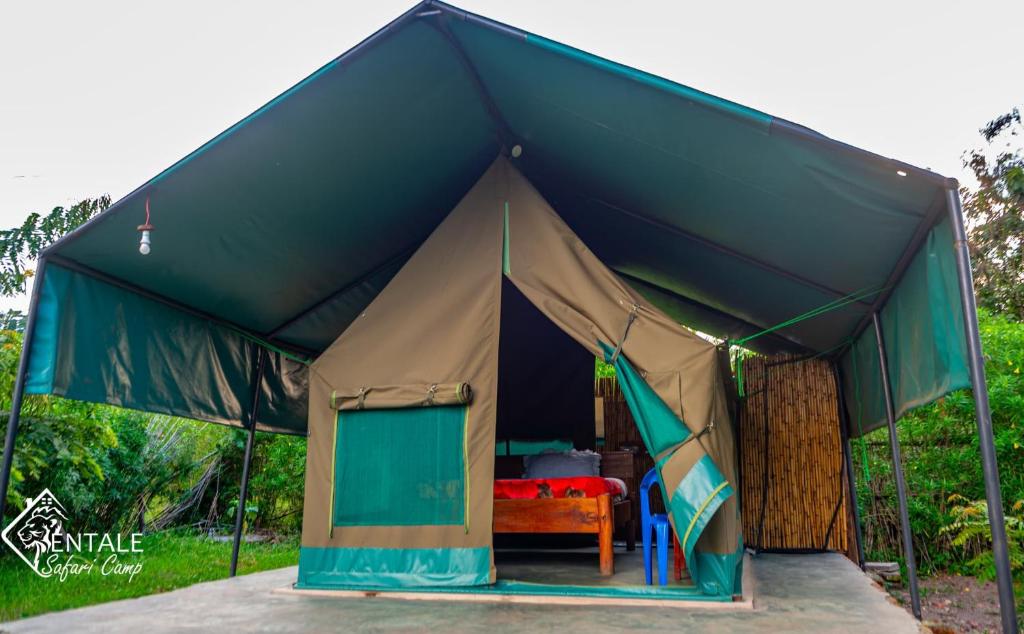
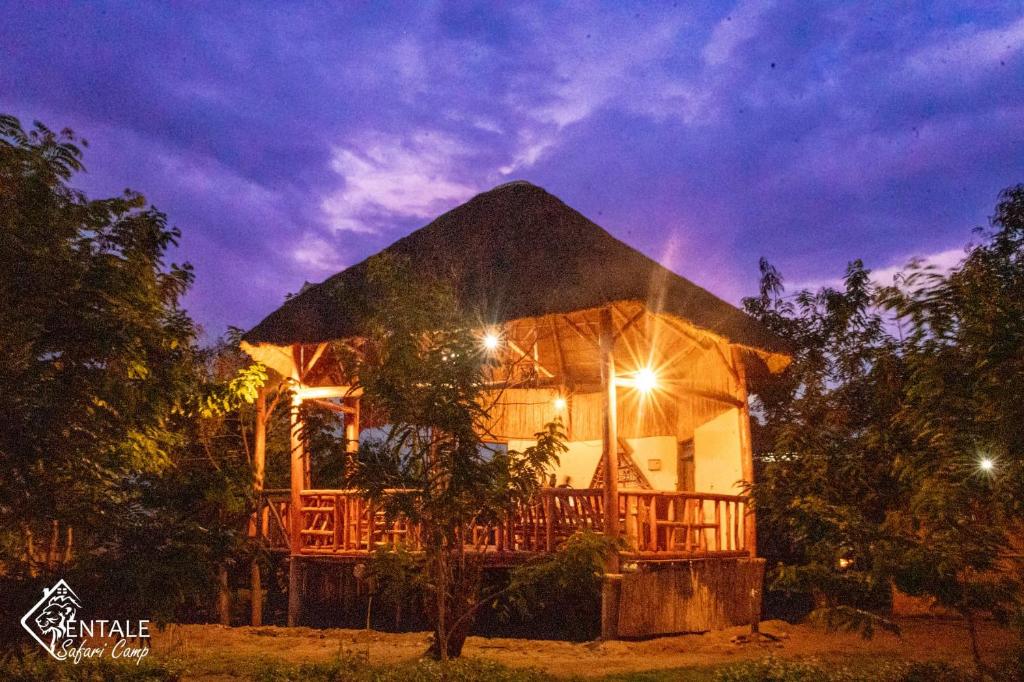
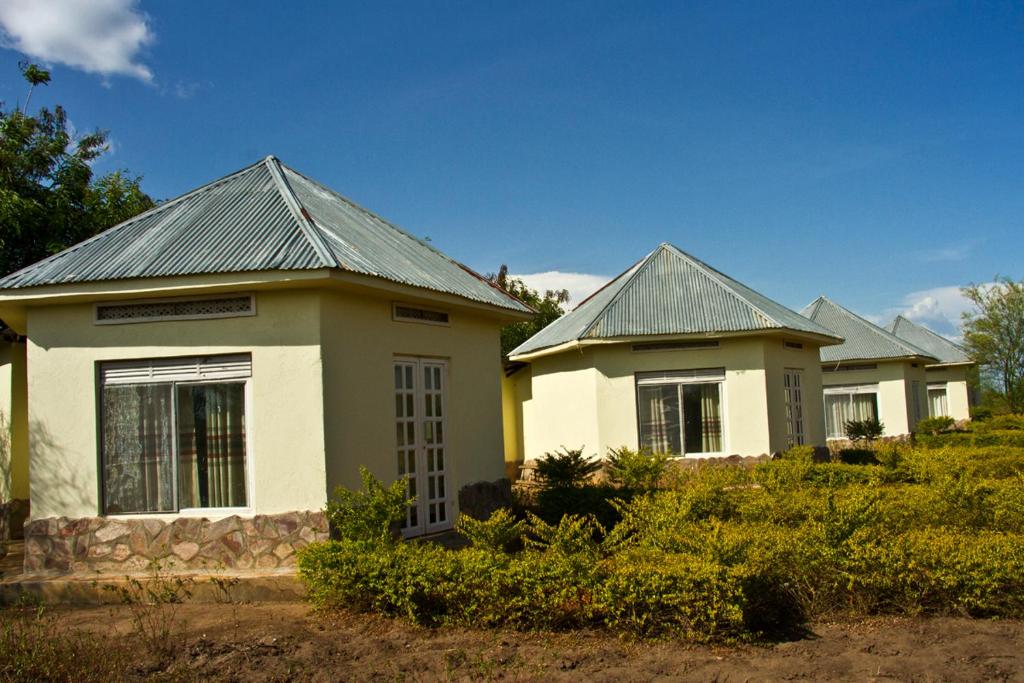
These are separate accommodation types even when sold under one lodge name. Read the exact unit description for a proper bed, private or shared bathroom, hot water and the path between the room and dining area. A campsite listing may mean space for your own equipment, so do not infer a furnished tent from a photograph of another category.
What should families or travellers with limited mobility check?
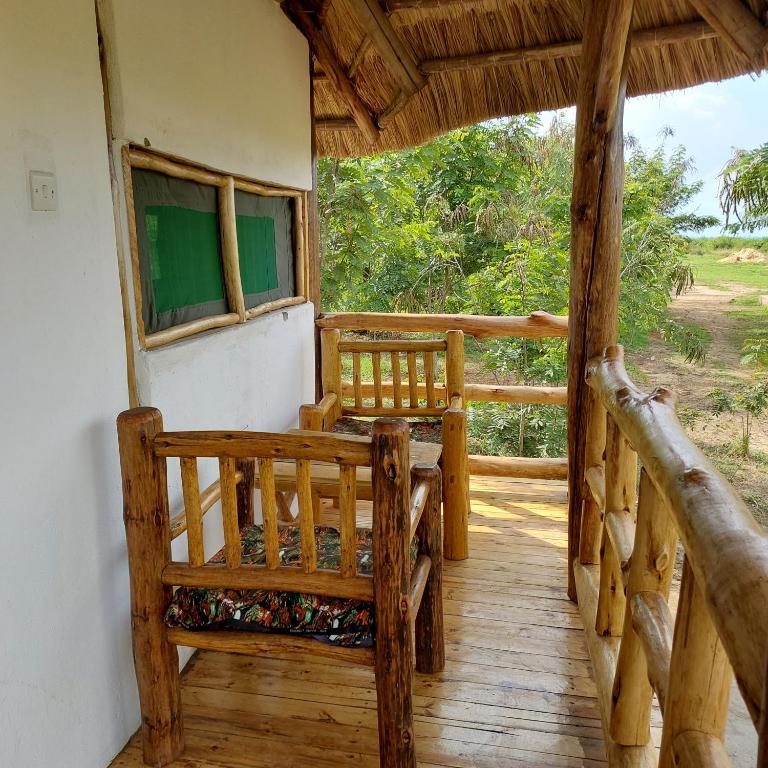
Ask about the actual room approach, steps, bathroom layout and distance to meals, as a lodge spread over natural ground is different from a hotel with corridors. Children’s room arrangements and eligibility for a guided forest activity are separate questions. Where wildlife moves through camp, follow the lodge’s escort instructions after dark and keep children with an adult; a garden or terrace is not automatically an enclosed play area.
Does booking a lodge include park activities and meals?
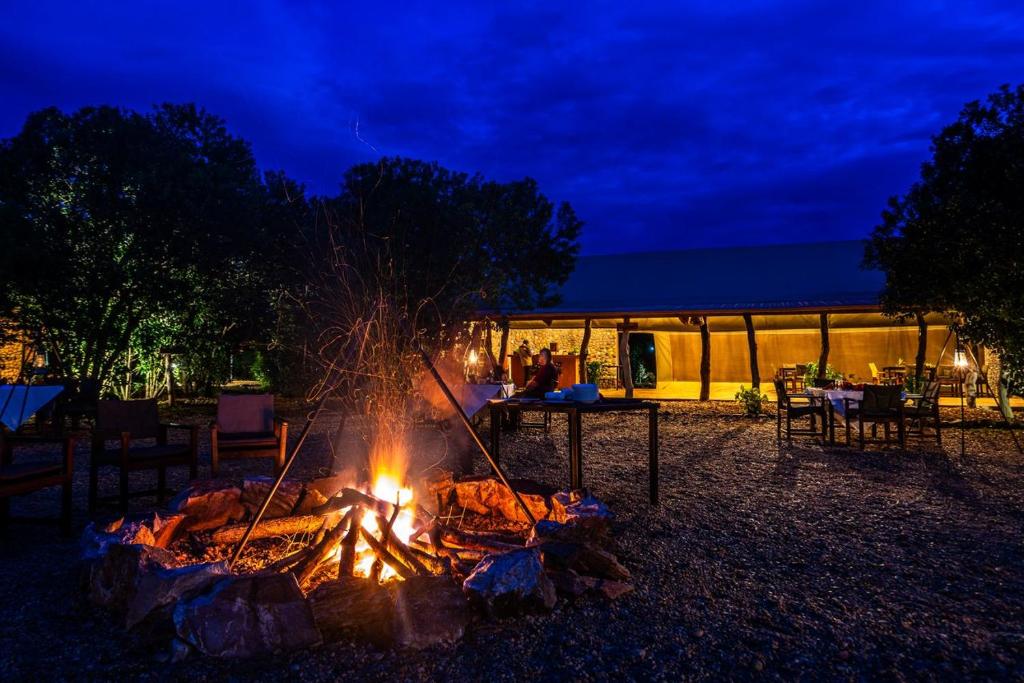
Only the inclusions stated for your exact booking apply: room, meal plan, vehicle, driver-guide, park access and boat or chimpanzee activities can be separate arrangements. Ask who will make each reservation and whether your driver and vehicle are available for the whole itinerary. For remote stays, agree dinner and early breakfast in advance instead of relying on finding another restaurant after the afternoon outing.
Which season is easiest for a stay, and what changes in rain?
January–February and June–July are generally drier windows, though rain can fall at any time and the park remains a year-round destination. Wet tracks can slow the drive to a small lodge or between sectors, so use local road advice and leave time before your next fixed booking. Pack a light rain layer and something for cool early starts, and ask the boat operator or guide to confirm conditions on the day.
Prices are set by the booking site. We may earn a small fee, at no cost to you.