About Príncipe Island
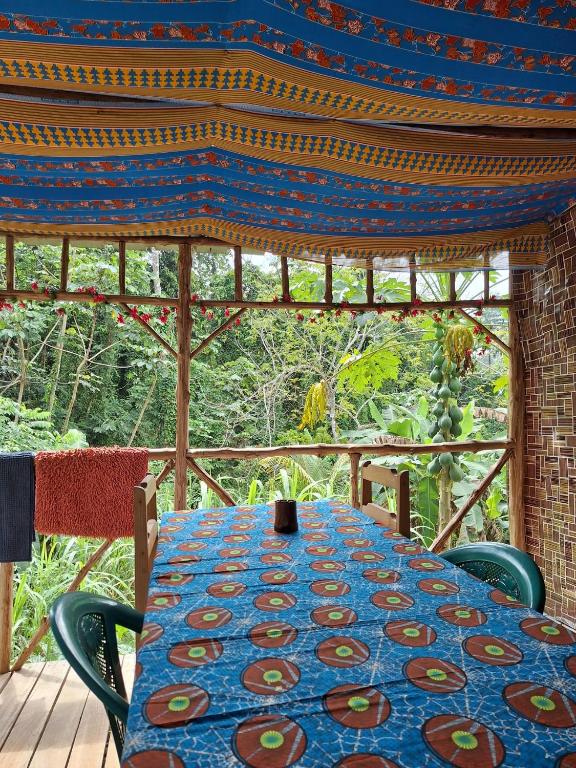
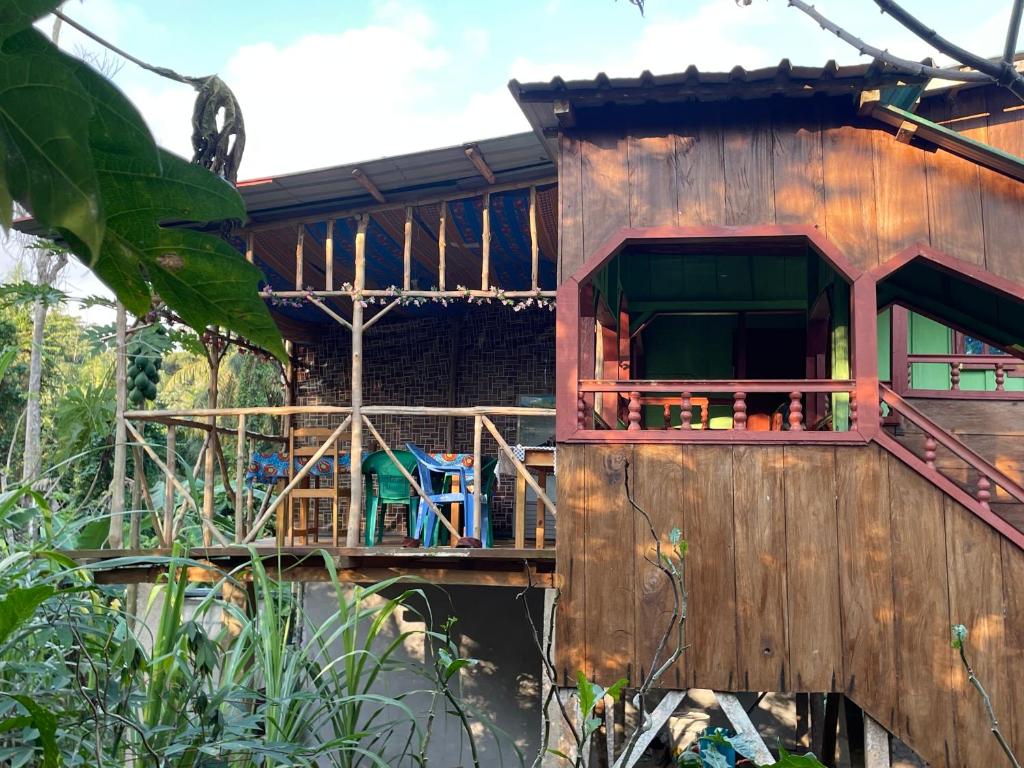
Príncipe works best when you choose the kind of evening you want before filling the days with excursions. A northern beach bungalow keeps meals and the shore close, while inland garden stays give you a different balance of hosting, a pool or shared cooking.
Around Ponta Mina, a private cottage suits travellers who want their own kitchen; the Nova Estrela hills trade town convenience for forest views and arranged meals. These are choices within one small island, but the access roads and room facilities differ enough to matter.
Plan transport and arrival food alongside the accommodation, rather than assuming every address offers the same services.
Common questions
Why stay on Príncipe, and how many nights should I allow?
Three or four nights is a useful planning starting point for a forest outing, a beach or boat day and time in Santo António or the plantation landscapes. Extend the stay if you want slower days or more flexibility around flights. With less time, choose one base and a shorter outing list instead of moving every night. Príncipe is a separate island from São Tomé, so its arrival is an additional travel leg. Decide whether you want resort meals, hosted rooms or your own kitchen before choosing the coast or hillside.
How do I arrange flights and the first airport transfer?
Normal access is through São Tomé, followed by the inter-island flight to Príncipe Airport, PCP. Confirm the actual flight, luggage rules and pickup together, including the meeting point, contact number and any change to your arrival time. Do not rely on an old hotel timetable or assume every transfer is included or private. Leave some flexibility before your international departure from São Tomé as a planning precaution. Sea travel depends on weather and arrangements; do not build an ordinary island visit around an assumed scheduled passenger ferry.
Can I manage without hiring a car?
Yes, if you arrange airport transfers, a driver or guided outings and your meals in advance. This works particularly well when you want one base and several planned days rather than independent road trips. A room near Santo António does not bring the northern beaches or southern forest within an easy walk. Check the final lodging approach and current road conditions, especially after rain; roads outside towns can be poorly maintained and unlit. Agree pickup, waiting time and the return, and keep difficult road sections for daylight where possible.
What can I see in Santo António and the plantation landscapes?
Santo António's colonial-era streets and Praça Marcelo da Veiga offer a town day alongside the island's fishing and farming life. Arrange visits to working plantation landscapes: Roça Paciência grows cacao, vanilla and coffee, while Terreiro Velho is associated with Claudio Corallo cacao. Confirm guided access and any tasting instead of assuming open gates or factory admission. Roça Sundy is linked to Eddington's 1919 eclipse observations, but its hotel is currently closed for restoration. Any heritage visit needs its own access confirmation; do not count on an open hotel restaurant or museum.
Which forest walk matches my fitness and available time?
Pico Papagaio is a demanding guided hike for experienced walkers. The operator describes roughly six hours and dry-season availability, so treat it as a full-day plan with current route advice. Oquê Pipi is a different forest-and-waterfall outing, usually organised as a half-day trip of around four hours including transfers. Ask about the actual path, guide, pickup and whether entering the water is appropriate that day. For gentler plans, combine a drive with short viewpoint or plantation walks. Carry water and suitable footwear; wet paths, cloud and wildlife sightings cannot be controlled by a booking.
How should I plan beaches, viewpoints and coastal boats?
Banana Beach and its overlook are on the northeast side; confirm the route and any estate access arrangements before setting out. Praia Burra is also a fishing-community setting, so expect ordinary working life alongside the coast. From Nova Estrela, the viewpoint looks toward the offshore Boné de Jóquei; seeing the islet from land is different from reaching it by boat. Book coastal trips with a local operator and confirm both directions, sea conditions and the proposed beach stops. A calm-looking cove or a beachfront room does not guarantee suitable swimming conditions.
When should I go, and how can I arrange turtle observation?
June to September, the Gravana period, is generally less rainy and milder for walking. December to February, Gravanita, can suit beach days but remains hot with possible rain; March to May and October to November are wetter. Heavy rain can change road, forest and boat plans. The guided conservation programme at Praia Grande describes nesting roughly from November to February and hatchlings from February to April. Ask Fundação Príncipe or its partners what is actually running, then follow the guide's instructions. Do not expect a guaranteed sighting, release or chance to touch the animals.
What should I confirm about rooms, meals, utilities and payment?
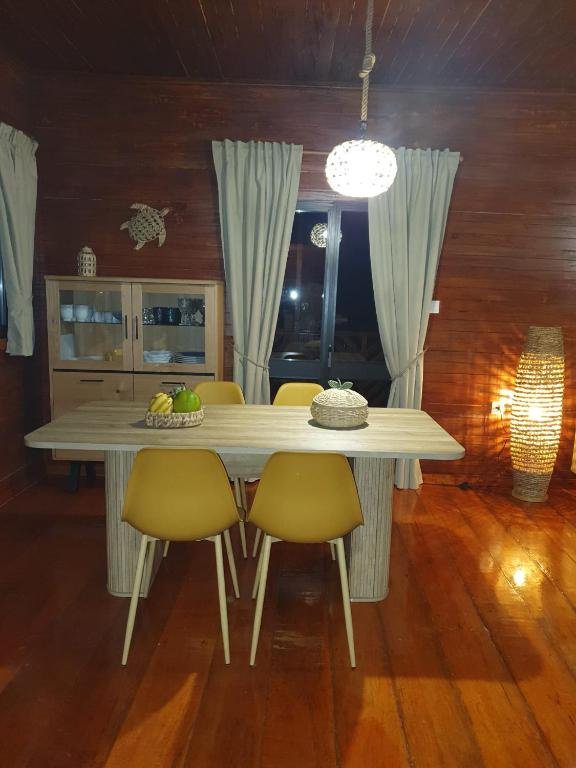
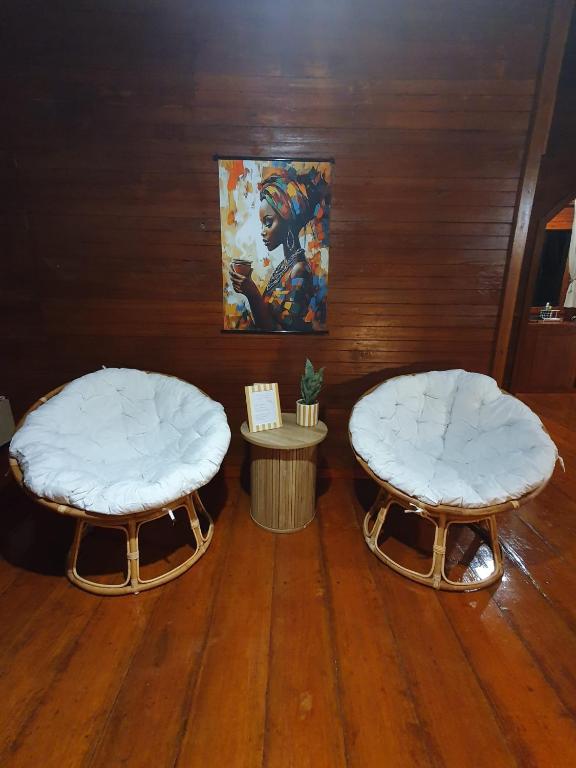
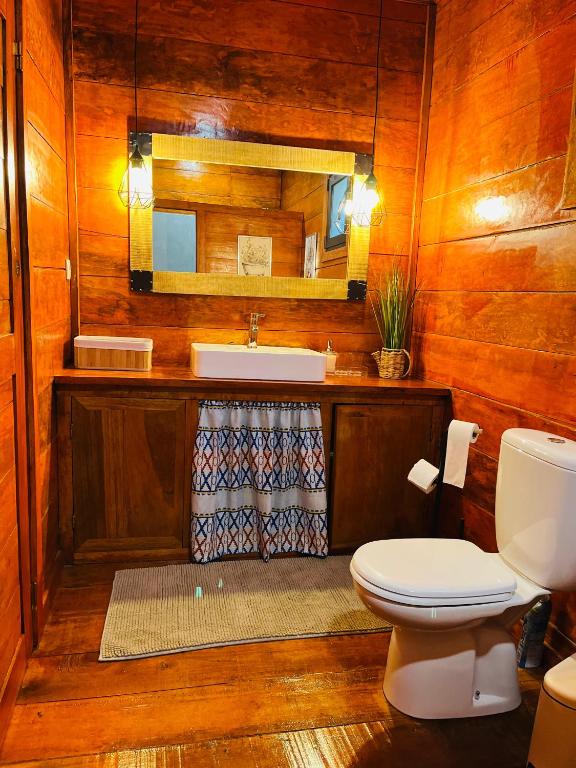
Check the selected room's private or shared bathroom, cooling, beds, stairs and cooking equipment, rather than relying on the property's general amenities. Ask about hot water, charging, internet and arrangements during a power cut. Confirm breakfast, dinner and food for your arrival day, especially when shopping and restaurants require a ride. A private cottage and a room using a shared kitchen need different plans. Cards are not widely accepted nationally and ATMs are limited, but individual properties differ: some require cash and the cottage here rejects it. Agree the exact payment method before travelling.
Prices are set by the booking site. We may earn a small fee, at no cost to you.