About Nevis
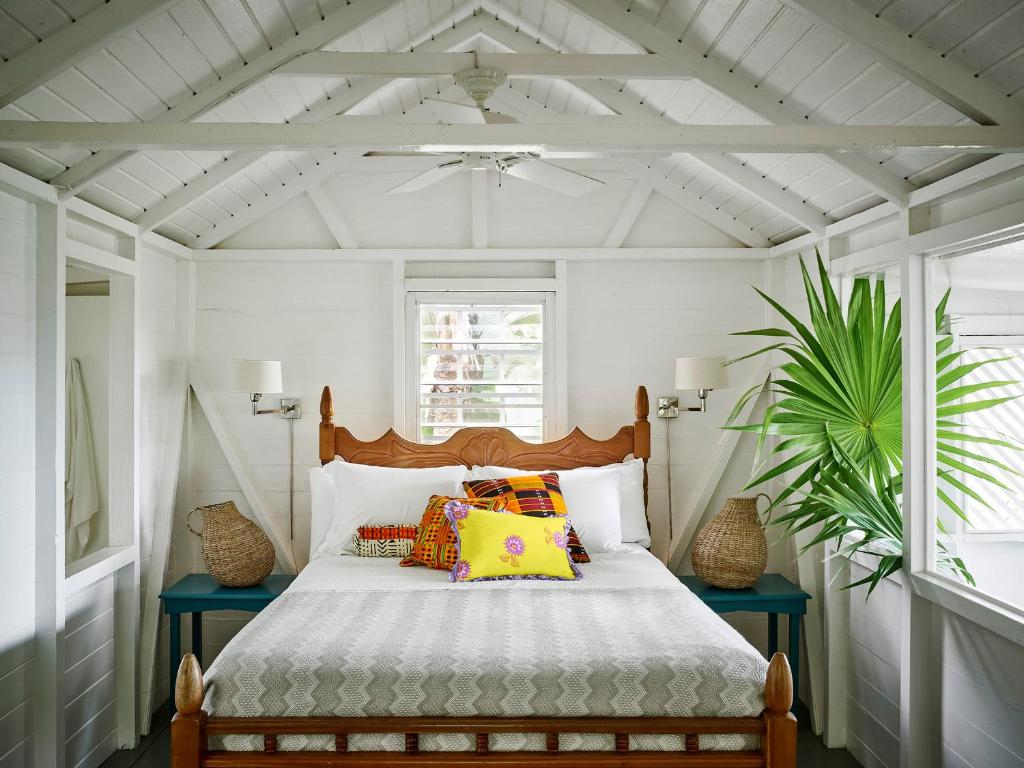
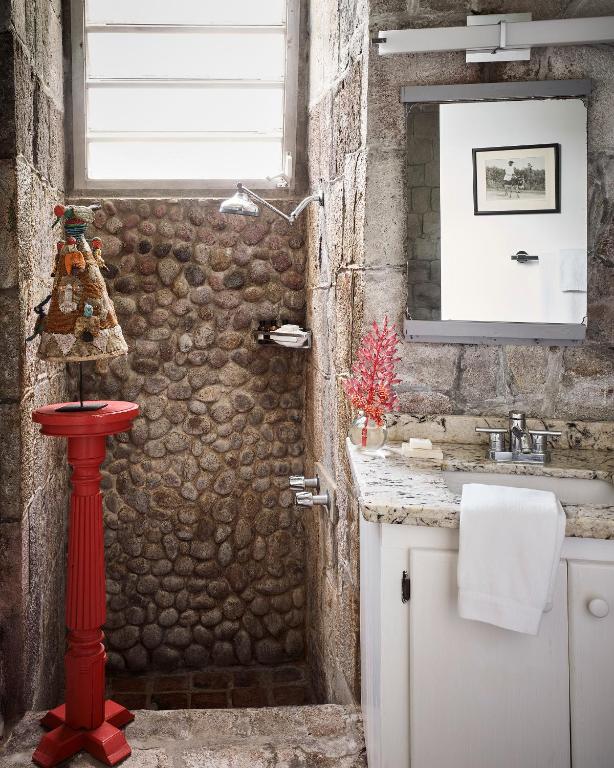
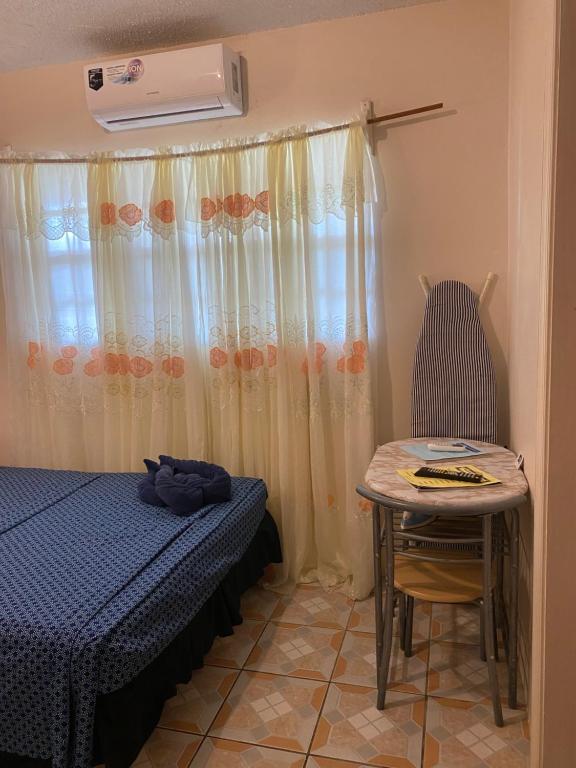
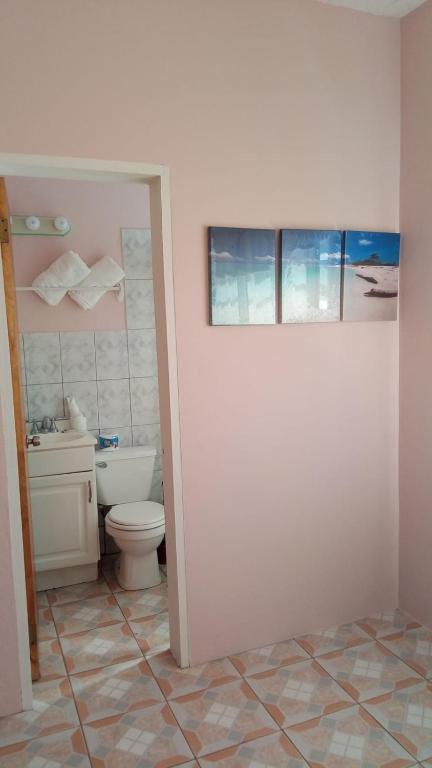
Nevis combines a volcanic peak, long western beaches and small garden stays on its slopes. Charlestown is the place for the ferry waterfront and history museums; nearby residential rooms give a simpler base for exploring.
Newcastle’s hills face St. Kitts, Gingerland favours leafy retreats, and Montpelier puts former estates and the botanical gardens within a southern-hills itinerary.
The main decision is how much time to spend at your accommodation and how to reach the coast. A sea view or a beach-club photograph does not mean a room on the sand, so arrange transport before booking.
Common questions
Where should I stay for a first visit, and how long?
Choose the Charlestown side for a simple exploring base, or Newcastle, Gingerland and Montpelier if gardens and poolside time are central to the holiday. We suggest 4–6 nights to combine a history visit, a boat or guided walking outing and several unhurried afternoons, with one base usually enough. Check the room’s actual location, child policy and route to the beach before comparing photographs of terraces or a distant sea view.
Should I fly to Nevis or to St. Kitts?
Vance W. Amory International Airport, code NEV, is on Nevis and receives regional flights and charters. Robert L. Bradshaw International Airport, code SKB, is on neighbouring St. Kitts, so an arrival there needs a road transfer to a dock, a ferry or water taxi, and transport onward on Nevis. Send your full flight itinerary to the transfer provider and allow room for immigration, luggage and sea conditions instead of planning only around the short boat crossing.
Which ferry landing should I use?
Public passenger ferries connect Basseterre with Charlestown, usually taking roughly half an hour to three-quarters of an hour, while water taxis cross from the Reggae Beach side of St. Kitts to Oualie. Vehicle services have different routes: Sea Bridge uses Major’s Bay–Cades Bay, and iConnect links Major’s Bay with Charlestown. Confirm the operator, landing point, luggage arrangements and return sailing, and obtain the rental company’s agreement before planning to take a hired vehicle between islands.
Is a rental car necessary?
You can stay without one if you are happy to use the accommodation’s restaurant and arrange taxis for beaches, tours and evenings out. A car is useful for combining the separate coastal and hillside areas; driving is on the left, and the tourism authority says your rental provider can arrange the required temporary local licence. Discuss the vehicle and access road with the property, and arrange return transport before going out rather than assuming a garden inn is within walking distance of a restaurant district.
Which beaches should I consider for swimming?
Pinney’s is the long western beach, with places to eat nearby, while Oualie is a smaller sheltered bay on the northwest side with water-sports operators and a working boat landing. Choose a swimming spot away from boat movements, check conditions locally and supervise children even when the water looks calm. A hillside hotel’s beach photograph may show a separate beach club, so ask about the actual journey, shade and facilities before treating it as a day at your doorstep.
Can I arrange diving or snorkelling from Nevis?
Local operators offer guided snorkelling, introductory dives and certified-diver trips, with Oualie an established departure base. Many reef and wreck visits use a boat, so confirm the site, ability requirements, equipment and meeting point with the operator rather than assuming a reef is directly outside every hotel. Let the guide choose the outing for the weather and group, keep clear of coral, and treat turtles and other wildlife as possible encounters rather than something a booking guarantees.
Is Nevis Peak a casual walk?
No: the summit excursion is a challenging guided climb through rainforest, commonly planned as about 4–5 hours by local operators. Discuss fitness, current trail conditions and pickup arrangements beforehand, wear closed shoes suited to the terrain and leave time to return without rushing for a ferry. Cloud can hide the view, and a shorter guided nature walk or a garden visit is a different, gentler choice if the mountain climb is not the day you want.
What should I see beyond the beaches?
Charlestown’s Museum of Nevis History and the Alexander Hamilton exhibition explain the island through Indigenous history, slavery, emancipation and later lives; the Hamilton display is in Trott House. The heritage trail adds churches, forts and estate remains around the island, while the Botanical Gardens of Nevis lie on Montpelier Estate above Brown Hill. Check current visiting arrangements, and avoid treating every old plantation building as only a picturesque backdrop without its human history.
When is a good time to come?
January–April is generally the cooler, drier part of the year; June–November is hotter and wetter and overlaps the Atlantic hurricane season. Beach weather and mountain cloud can differ on the same day, so keep a sea crossing or guided hike flexible and check the forecast with its operator. Culturama normally brings music and celebrations in late July and early August; confirm the dates and local restaurant availability if a festival trip or a quiet retreat is your priority.
How should I plan meals at a garden or beach stay?
Nevis combines beach bars, local cooking and destination restaurants in its inland inns, so it is useful to plan a few meals around where you will spend the day. Confirm which meals your booking includes, reserve a special dinner and ask about current service days before relying on one nearby restaurant. A kitchen can help with breakfast or family routines, but check its actual equipment and organise groceries and evening transport rather than assuming every cottage is fully self-catering.
Prices are set by the booking site. We may earn a small fee, at no cost to you.