About Jönköping and Huskvarna
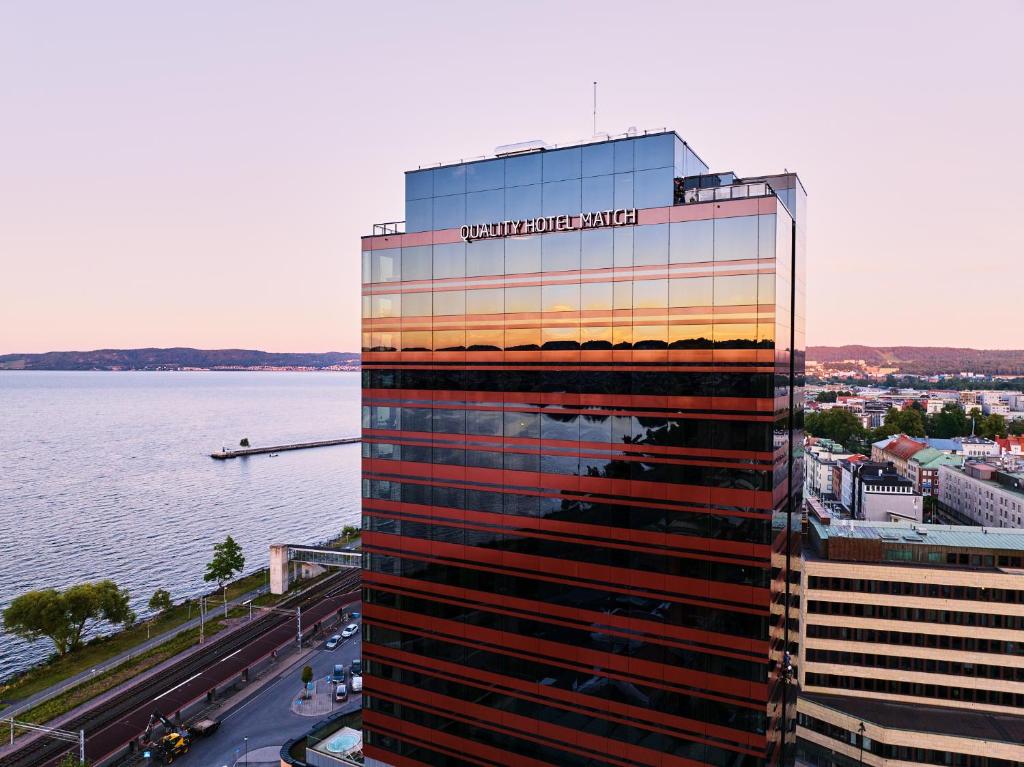
Jönköping occupies Vättern's southern shore, with smaller Munksjön and Rocksjön shaping quite different parts of the city. Staying overnight leaves time for the former match factories, John Bauer's art and lakeside walks, then a separate visit to neighbouring Huskvarna's workshops and industrial museum.
Central hotels make railway arrivals and dinners around Tändsticksområdet or northern Munksjön straightforward. Rocksjön offers rooms beside a smaller lake and nature reserve, while Huskvarna combines individually decorated accommodation with simpler private rooms and shared kitchens.
Two nights give these choices room to breathe; a third is useful for an exhibition at Elmia, longer walks or a slower museum day.
Common questions
How do I arrive by train, coach or plane?
Trains and intercity coaches use central Jönköping Resecentrum beside Vättern. The local airport, JKG, lies about nine kilometres west and currently focuses on charter flights; check that your itinerary actually uses it. Bus 31 links the airport and Resecentrum, but does not wait for delayed aircraft, so consult the dated JLT journey and keep a taxi alternative. Gothenburg Landvetter is a separate airport: direct Vy coaches to Jönköping take roughly one hour forty to one hour fifty minutes when that service fits your flight. Choose the direct departure rather than assuming every search result follows that route.
Can I visit Jönköping and Huskvarna without a car?
Yes. Stay centrally for the station, shops and main city museums, then use JLT buses for Huskvarna, Rocksjön or Elmia. Activate an app ticket before boarding and scan it on the bus; you can also buy a ticket from the driver using a bank card, which is a purchase rather than automatic tap-and-go travel. JLT removed its ticket machines in November 2026, so do not plan around buying from a station machine. Check the final return service after evening events and the walk from the chosen stop to your accommodation.
How many nights should I stay?
Two nights are a useful starting point for central museums, a lake walk and time in Huskvarna without changing accommodation. One night works for a rail stop or a single event if you keep the programme compact. Choose three nights when combining Elmia with sightseeing, allowing longer walks or leaving room for rain. The advantage of sleeping here is being able to finish a museum day with dinner and a waterfront stroll, rather than fitting both centres into one rushed stop.
Which lake should I choose for walks or the beach?
Vättern is the large northern lake, with sandy Vätterstranden and a promenade towards Rosenlund. Munksjön is the central lake for dining and the roughly five-to-six-kilometre circuit past Spira; not every section runs immediately beside the water. Rocksjön is smaller and combines a bathing place with reeds, wet woodland and a nature reserve. Choose a section that fits the weather and your walking range. For swimming, check current water-quality notices and conditions; summer beach facilities do not imply warm or suitable water throughout the year.
What should families and travellers with access needs check?
Compare the actual beds, permitted adult-and-child mix and bathroom arrangement, not just the word family. Some simpler stays have private rooms and toilets but shared showers, while older buildings may involve stairs. Ask about step-free access to the particular room. Hotel hot tubs and saunas have their own admissions and age rules and are not substitutes for a children's pool. The accessible water-entry ramp at Vätterstranden is currently closed after storm damage, so confirm its repair status before planning a bathing visit around it.
How do seasons and events affect the choice of base?
Summer gives longer evenings for lake paths, beaches and outdoor meals; the central museums also open on more days. Spring and autumn suit a mix of exhibitions and shorter walks, with clothing for wind and rain. In winter, favour a convenient route between accommodation, transport and indoor visits, and check slippery paths before setting out. Elmia hosts exhibitions throughout the year: compare its calendar with your dates and choose a base with a workable evening return. The Rosenlund rose garden remains accessible year-round, but its café is seasonal.
Which museums and Huskvarna sights can I combine?
The Match Museum explains factory work, machinery and matchbox design, while the county museum's Följa John exhibition explores John Bauer's art. Both central museums normally close on Mondays from September to May and open daily in summer, with holiday exceptions. Husqvarna Museum has a different calendar and normally opens on weekdays as well as weekends even in winter, so check it separately. Combine its industrial collections with Smedbyn's former smiths' cottages, about a fifteen-minute walk from central Huskvarna. Craftspeople's opening hours vary, and historic interiors are not all available every day.
Prices are set by the booking site. We may earn a small fee, at no cost to you.