About Santa Rosa, La Pampa
Santa Rosa gives a journey across La Pampa a useful cultural pause. Around Plaza San Martín and the civic centre, the cathedral and Clorindo Testa's modern architecture provide different views of the provincial capital. Museums, the municipal culture centre and the theatre add reasons to stay beyond a quick overnight stop.
To the west, Don Tomás offers a broad recreation park around its lagoon, with La Malvina's house museum and natural setting nearby. Two nights leave room for the city and a slower outdoor afternoon; a third can accommodate a planned excursion to Parque Luro's caldén woodland.
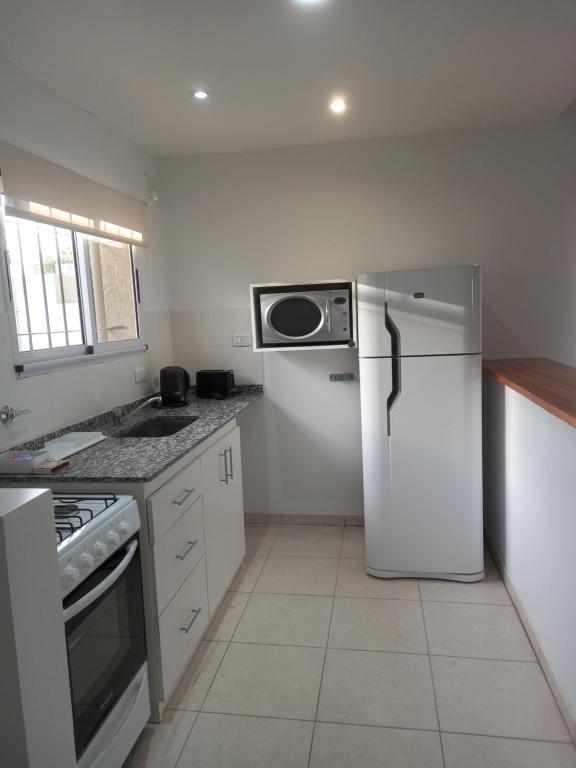
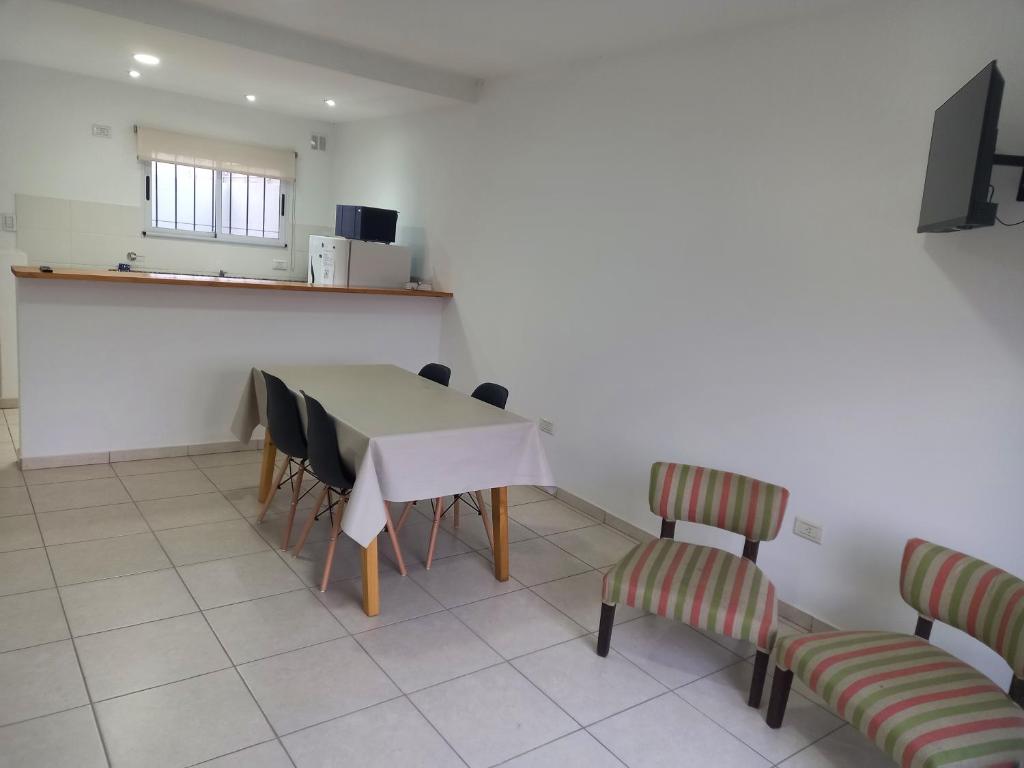
The hotel choice follows your transport: central streets make meals and walks easier, while road-approach hotels and residential apartments suit visitors who want parking, cooking space or a straightforward stop before the next drive.
Common questions
Can I enjoy Santa Rosa without a car?
Yes, especially if you stay around the central grid and plan a city-focused visit. The square, civic architecture, museums and places to eat can be combined on foot. For longer distances, consult the municipality's current routes and the Emtu Lugar app, which shows bus stops and vehicle information. SUBE is used on the urban network. Check your actual stop and return time, particularly during diversions. A farther apartment or ring-road hotel needs a deliberate final connection, and Parque Luro requires its own outward and return plan.
How do I arrive from the airport or coach terminal?
Flights use Santa Rosa Airport, code RSA. Check the flight you have booked and arrange an appropriate taxi, remís or hire car for the transfer. If considering a bus, confirm whether it serves the terminal and matches your flight. The municipal tourism page places the coach terminal and tourist office at Pedro Luro and Corrientes. Confirm the terminal on your actual ticket and share the arrival time with your accommodation. Drivers should also check the precise road entrance rather than using a nearby junction as the destination.
How many nights should I stay?
One night works as a break between longer drives if arrival, dinner and parking are straightforward. Two nights make space for the civic centre, a museum or exhibition and an afternoon around Don Tomás without turning the stay into another rushed transfer. Add a third for Parque Luro or a separate nearby-town visit, allowing for opening times and transport. If you are staying longer, choose the room or apartment around your daily routine: cooking, working, separate bedrooms and access to food matter more than a broad central label.
Which cultural places are worth building a day around?
Begin with Plaza San Martín and the cathedral, then look at the contrasting modern civic buildings designed by Clorindo Testa and his collaborators. The provincial art and natural-history museums offer different subjects, while the Centro Municipal de Cultura occupies a former market and hosts a changing programme. The Teatro Español is another option when a performance fits your dates. Check each venue's current opening days and midday or weekend hours. An attractive building is not a promise that its interior or a particular exhibition will be available throughout the day.
What is there to do around Don Tomás and La Malvina?
Don Tomás is a large municipal recreation area on the western side of the city, useful for a walk, a picnic and time away from the central streets. Boat activities run to their own programme and conditions, so confirm availability before promising children a ride. The municipal swimming pool is a separate seasonal facility. La Malvina combines a house museum about the city's past with a natural setting and paths. Check current access and the particular play or recreation facilities you want to use; park improvements do not necessarily close the entire area.
How should I plan a visit to Parque Luro?
Treat it as an excursion outside Santa Rosa, south along Route 35. The reserve protects caldén woodland and includes the historic El Castillo estate building, interpretation trails and bird habitat. Arrange transport in both directions and confirm current access, guided visits and any booking requirements. March and April are the deer-rut season, when guided outings offer a particular reason to visit, but wildlife sightings are never guaranteed. Leave time to follow the reserve's visitor programme rather than squeezing it into an unplanned stop between long drives.
What should families and seasonal visitors check?
Match the actual beds and maximum occupancy to the group, and confirm whether a kitchen, breakfast or separate bedrooms will make the stay easier. Hotel pools and the municipal pool have their own seasonal calendars; wellness areas may restrict children even when the hotel accepts families. For warm days, plan longer walks earlier or later and keep indoor alternatives. Bring layers for cooler evenings and check heating for a winter stay. Weather can alter boating or a reserve outing, so leave some flexibility and verify the current forecast before leaving town.
Prices are set by the booking site. We may earn a small fee, at no cost to you.