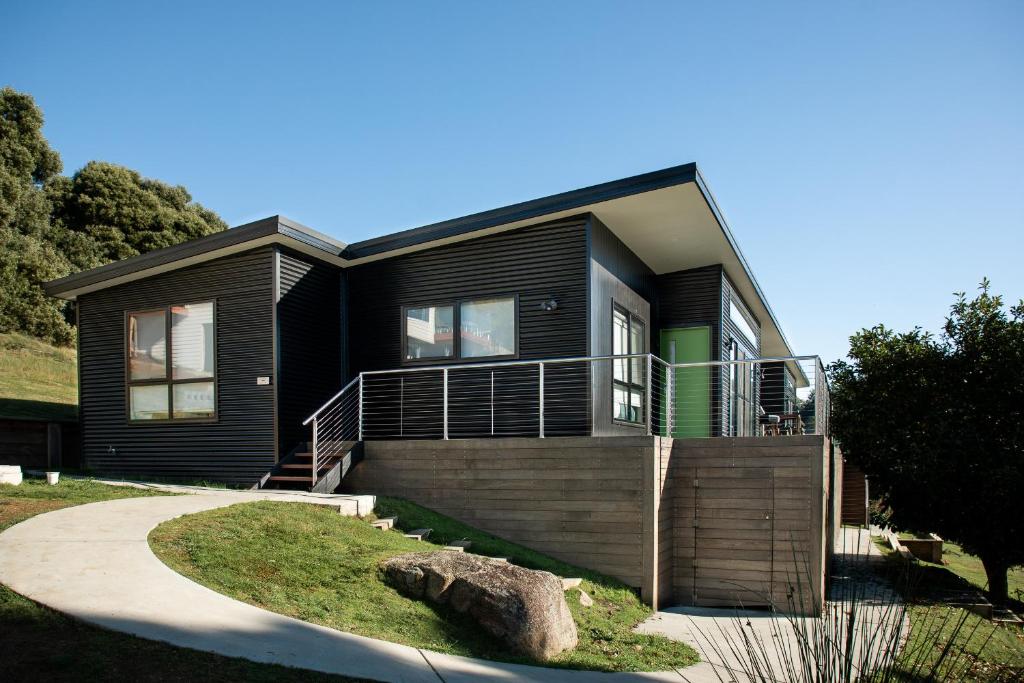
About Derby
Derby is a former tin-mining village in north-east Tasmania, where forest trails now bring riders back to the main street for food and bike repairs. Staying here puts a morning ride, a lake walk and the evening meal within the same small base, instead of adding a drive from the coast.
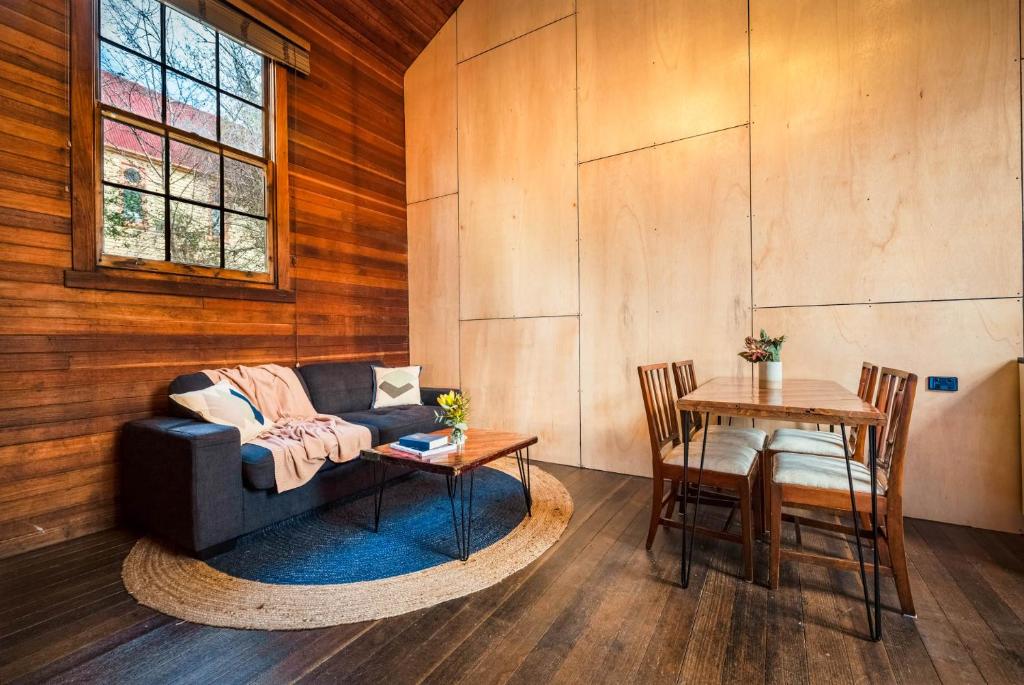
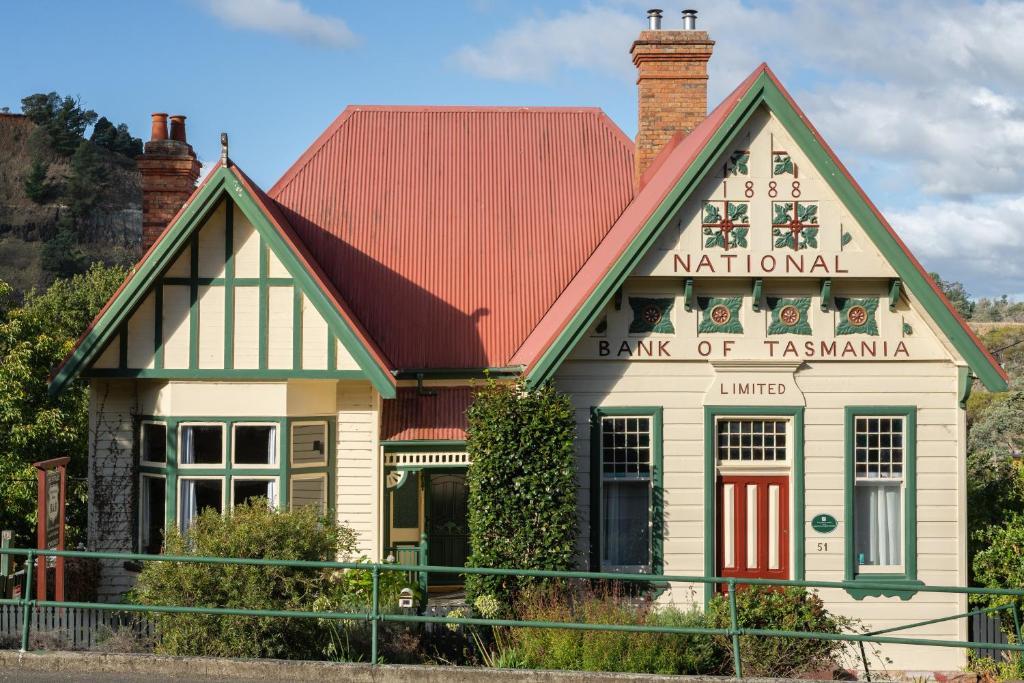
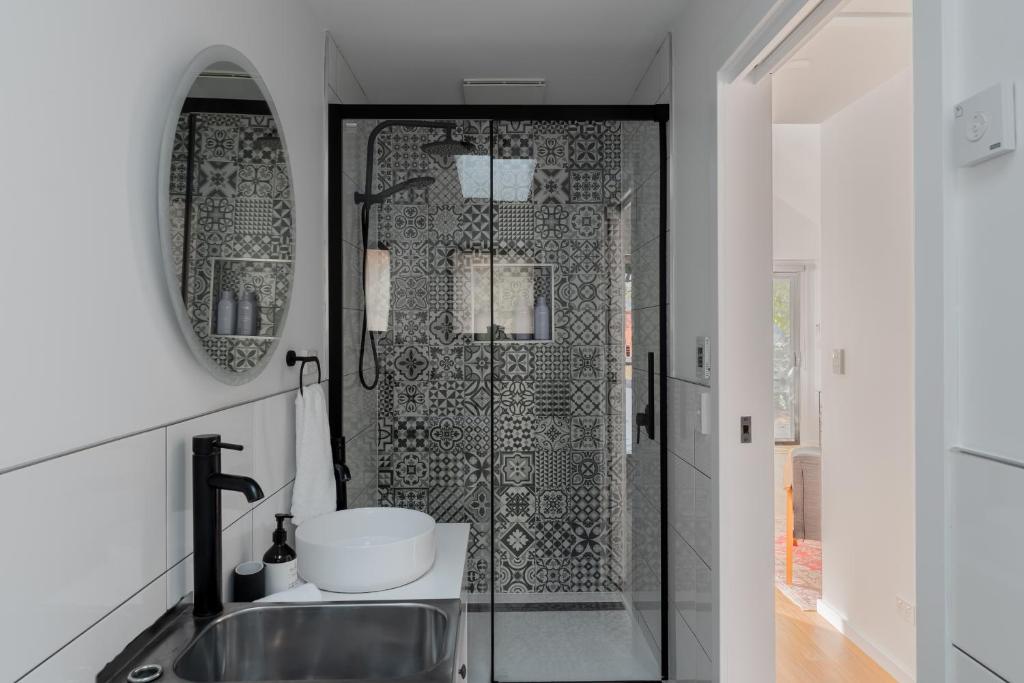
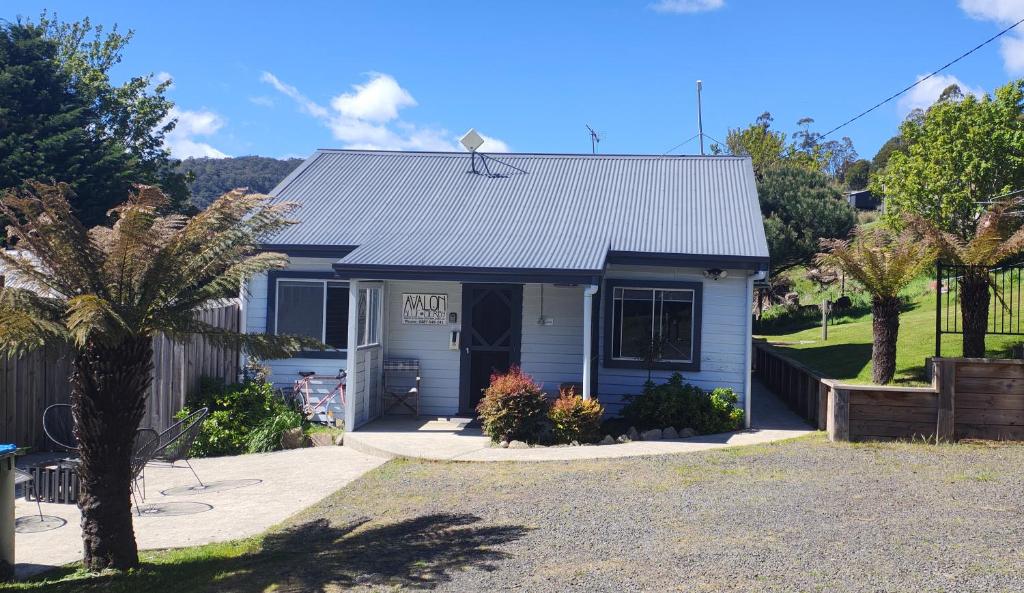
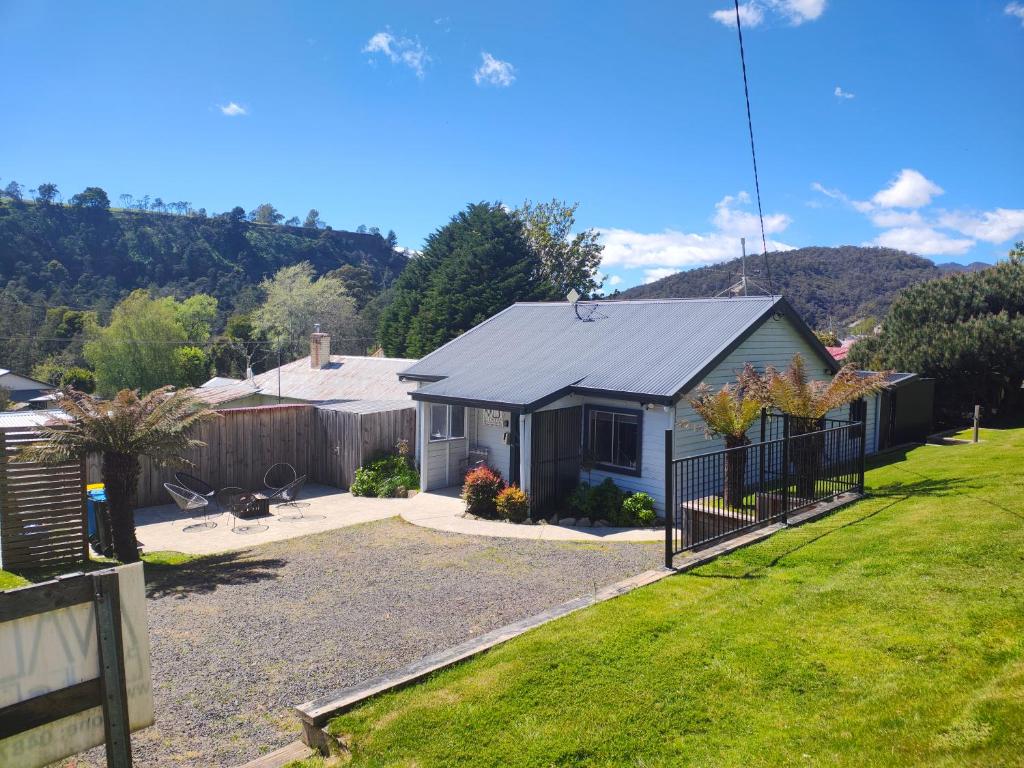
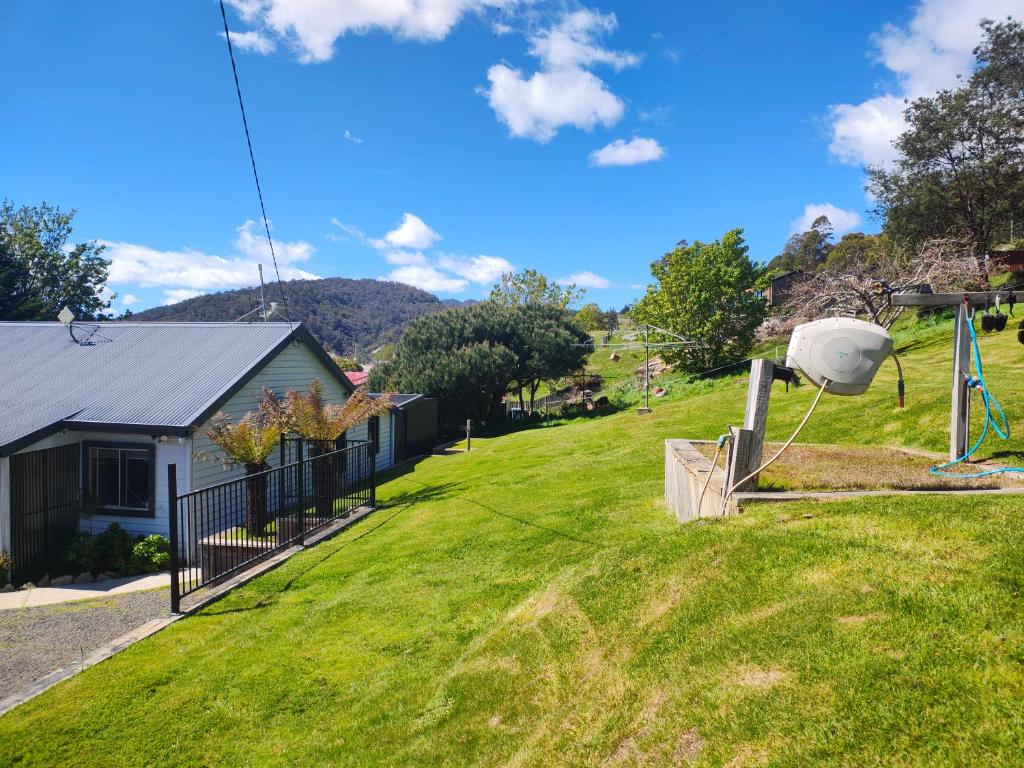
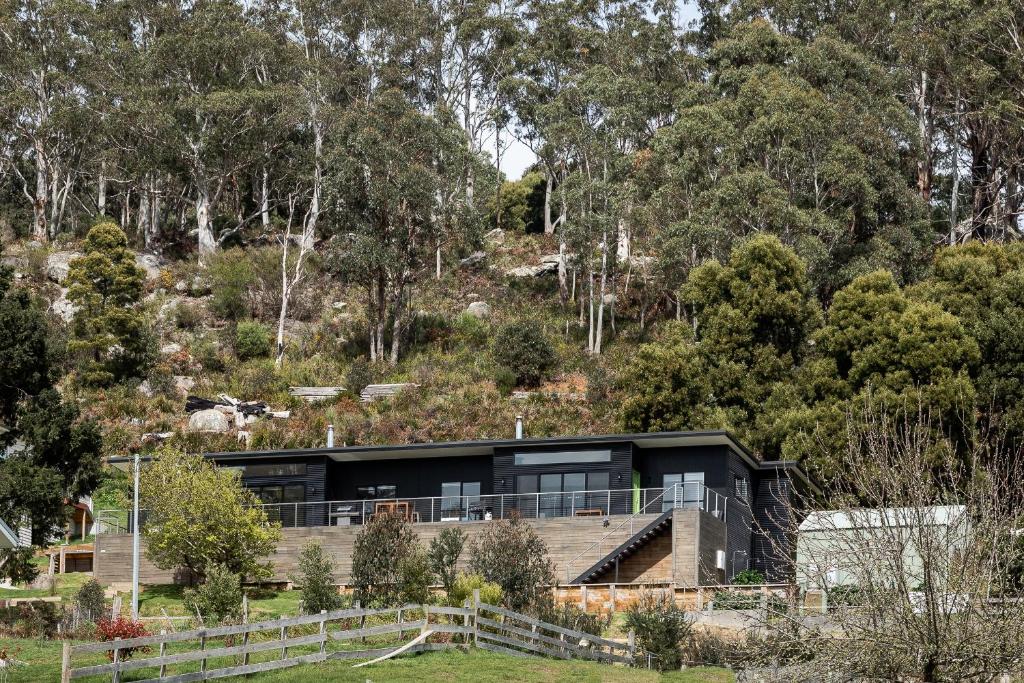
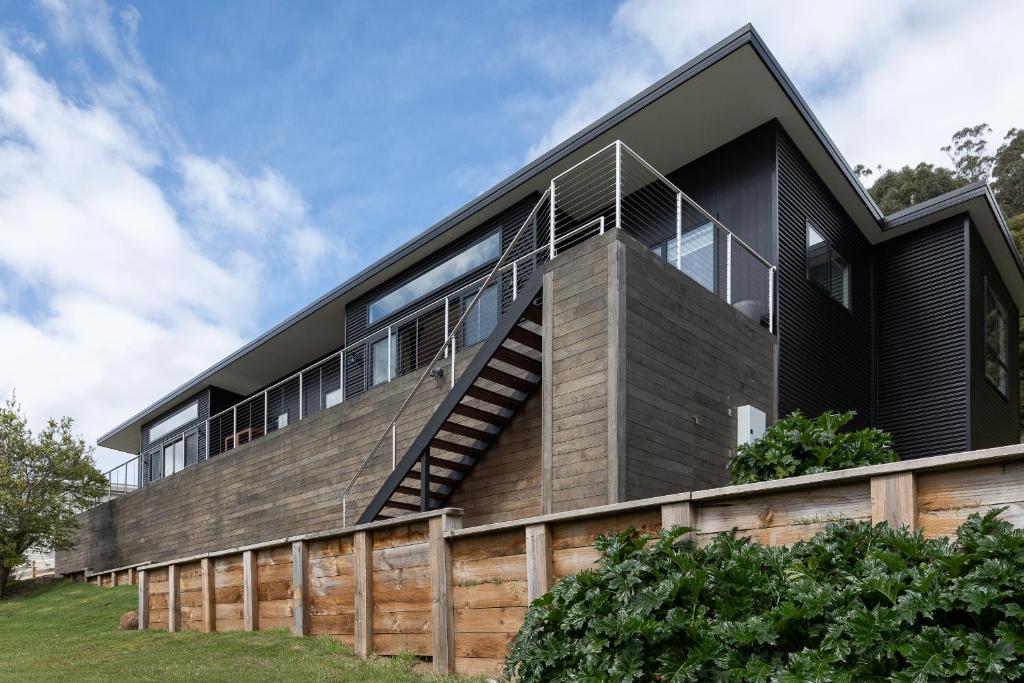
Choose Main Street for a cabin or converted church apartment near cafés, Cascade Dam Road for a group house beside the trailhead approach, or Bruce and Allan streets for private houses on the village slopes. Bedroom arrangements, laundry and bike storage matter more here than a long facilities list.
Common questions
How many nights should I stay in Derby?
Two or three nights allow a first ride, another day for a different route and some time around the lake without packing every morning. Add nights if your group wants repeated trail sessions or an excursion to Blue Tier, which needs separate transport planning. A non-rider can make a shorter stay around the village, mining history and woodland scenery.
How do I get to Derby from Launceston Airport?
Launceston is the closest airport, with Derby roughly 105 km and about an hour and a half away by road. The trail operator notes tight bends on the A3 between Launceston and Scottsdale and suggests the B81 via Lilydale as an alternative, particularly with a campervan or trailer. Check road conditions and arrange a car or transfer before relying on an evening arrival.
Can I visit without a car, and how often is the bus?
The current timetable provides one daily connection each way between Launceston and Derby, taking roughly 2¾–3 hours; on school days, passengers from Launceston Interchange use the 776 and change to the 777 at Lebrina. The village and local trails work well on foot or by bike, but the outward afternoon and return morning pattern is unsuitable for a riding day trip from Launceston. Confirm bicycle carriage with the operator, and arrange separate transport for distant trails or attractions.
When are the trails in season?
Blue Derby recommends April to mid-June and September to mid-November for riding conditions, while the village network generally operates throughout the year. Blue Tier and Big Chook normally close from July until late September, with reopening dependent on weather. Check current trail notices before setting out and bring warm layers, rain protection and a plan for drying riding clothes.
Is Derby suitable for beginner mountain bikers?
The network includes green trails such as Lake Derby, Chain Gang and Rapids, so a visit does not have to start on a technical descent. Lake Derby is listed as an approximately 2 km circuit, while Chain Gang provides a short learning route near the trailhead. Match the trail to your skill, ask locally about current conditions, and reserve hire bikes or instruction before committing to a route.
What can I do if I do not ride?
Walk beside Lake Derby, explore the mining streets or visit the Schoolhouse Museum, whose opening depends on volunteers. The floating sauna offers another reason to pause by the water, while the tunnel and nearby woodland give the village a setting beyond its cycling reputation. Do not confuse Lake Derby with Little Blue Lake farther north-east: the tourism authority warns against swimming in the latter because of its minerals.
Which accommodation works for cooking and laundry?
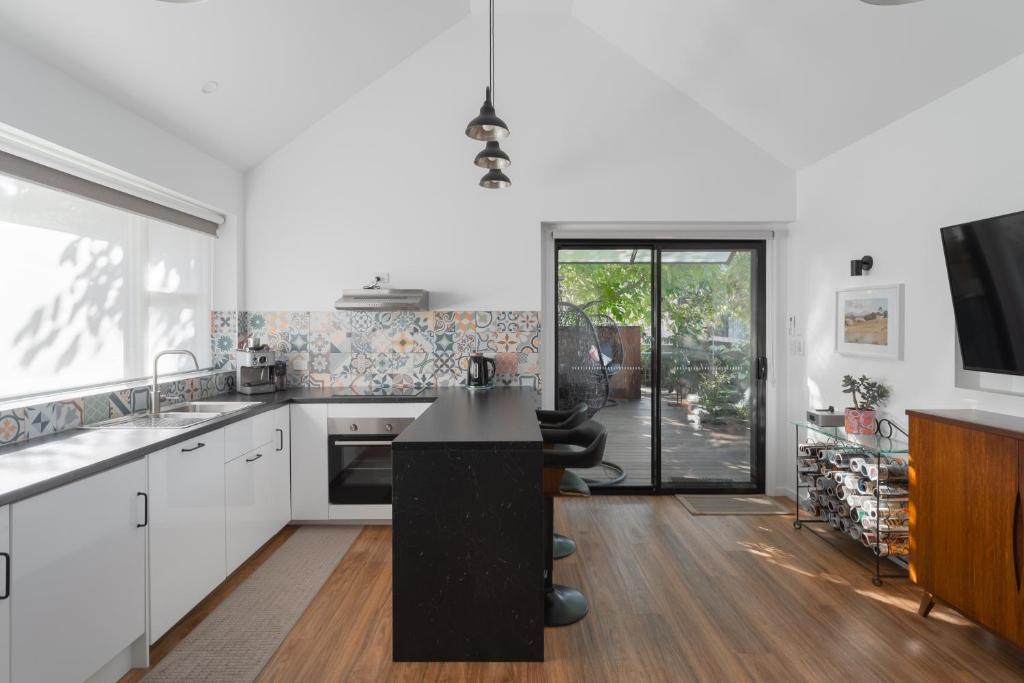
The selected rear cabin and the three-bedroom houses have private cooking facilities, but a church kitchenette should not be assumed to include a full oven. Check the exact category: the upstairs heritage suite is separate, and the rear cabin's kitchen and washer should not be assumed to be available there. A washer, drying arrangements and enough refrigerator space are useful for several days of riding, so confirm them for the unit you reserve.
What should I check for a trip with bicycles?
Ask how many bikes the secure storage holds, whether washing and repair facilities are shared, and where wet shoes and equipment must stay. The trailhead estate has a dedicated repair shed, while the lake lodges include mudrooms and bike storage. A trail uplift shuttle and the public bus serve different purposes; arrange your arrival transport and your riding shuttle separately.
Can families with children stay in these places?
The private houses provide the clearest family options, with six, eight or ten places depending on the specific house. The selected central cabin excludes children, and the church operator does not cater for children under twelve despite a lower age shown on one booking platform. Confirm cot availability, bunk suitability and every child's place in the occupancy limit, rather than treating a sofa or a second lodge as extra included capacity.
Are the stays suitable if I need easier access?
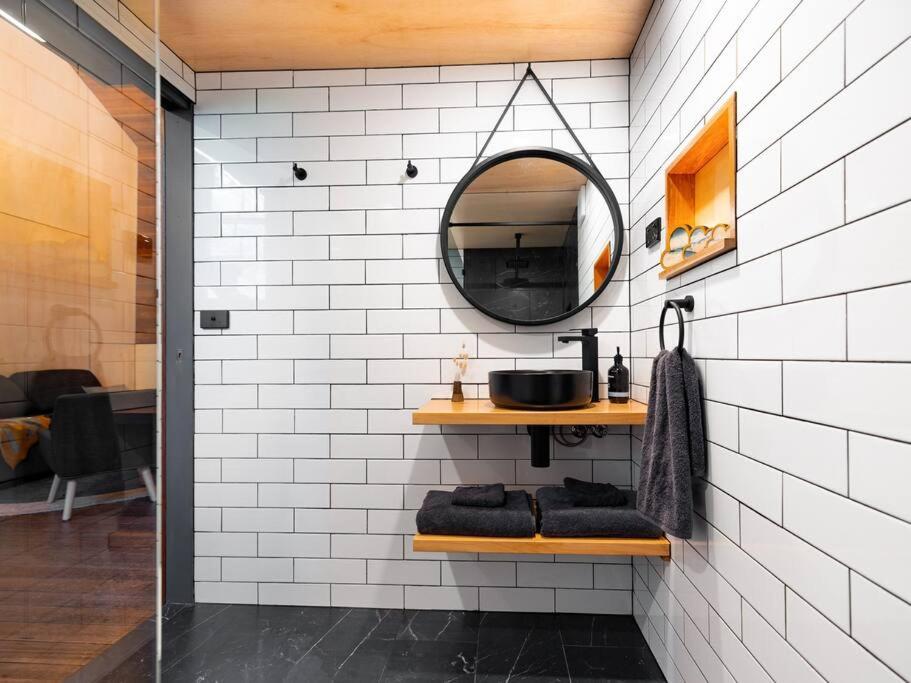
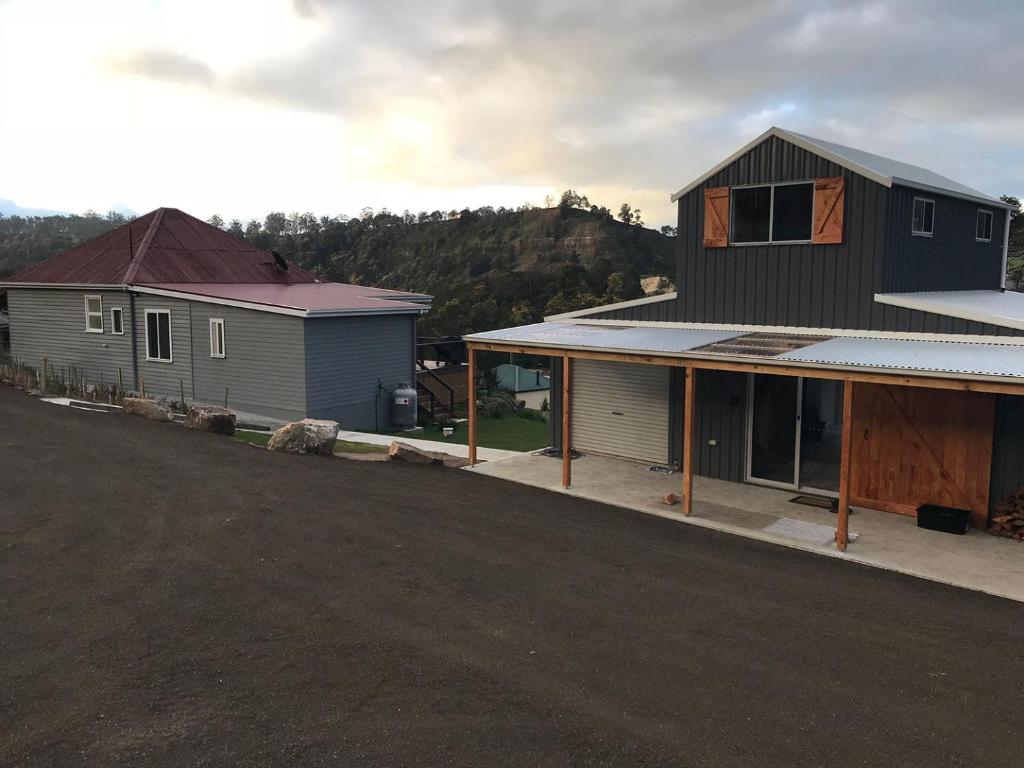
Check the complete route from parking to the bedroom and shower, because ground-floor wording alone does not establish step-free access. The group barn has a loft, the lake lodges list stairs, and guests have described steps and street parking at the church apartments. Request current entrance and bathroom photographs, and confirm bed widths or twin arrangements before booking if those details affect your stay.
Prices are set by the booking site. We may earn a small fee, at no cost to you.