About Macksville
Macksville sits on the Nambucca River, with a compact centre for an overnight stop on a North Coast drive. The former river port has a public wharf and a heritage walk, while Wallace Lane links the main street with the water through a collection of murals. A night near Princess Street lets you put the car aside for dinner and a stroll; a second night makes room for the museum, a paddle or a swim at the town's aquatic centre.
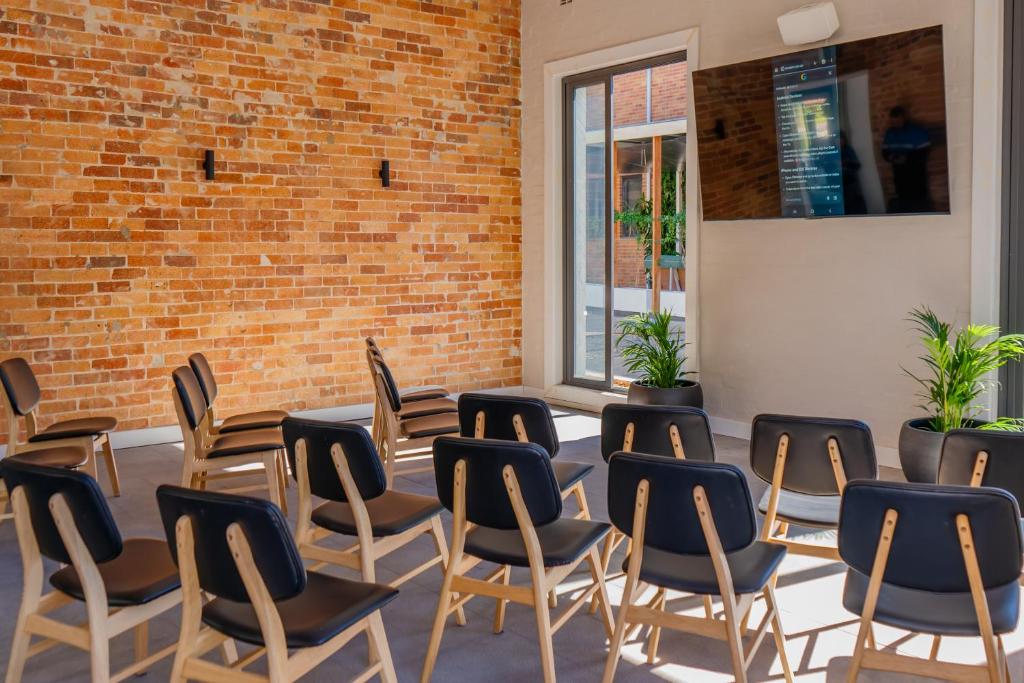
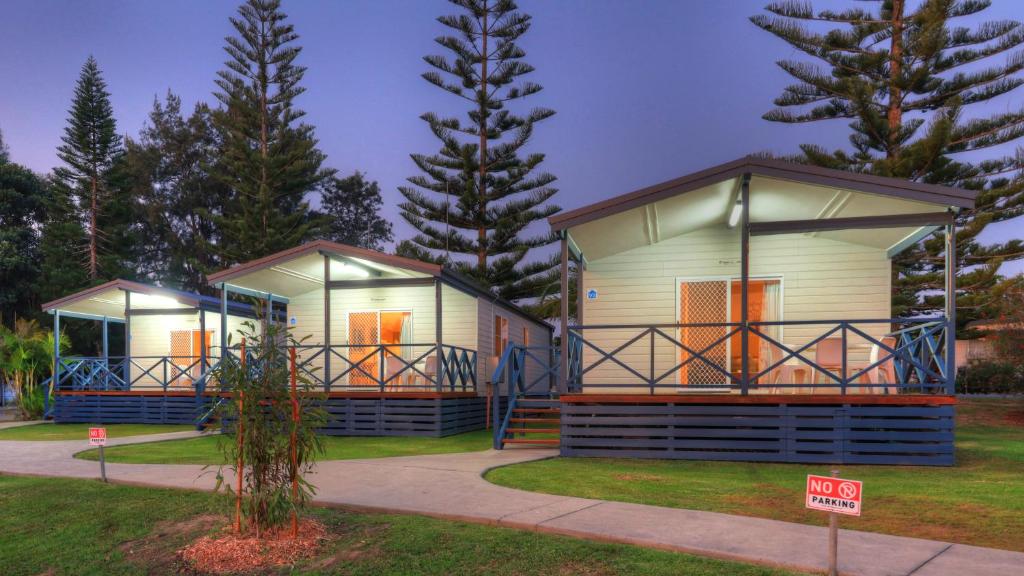
The four stays here offer quite different arrangements: a conventional motel, an entire riverside house, rooms in the converted former hospital and cabins within a residential estate on the north bank. Choose by the space you will actually use, since a microwave kitchenette, a full domestic kitchen and a shared camp kitchen serve different meals. The newly opened Boundary Street conversion still needs direct confirmation of its planned restaurant and recreation facilities.
This is a river base, with ocean beaches requiring a separate outing. North-bank cabins suit travellers bringing groceries and spending time at the property, whereas the town centre is the easier choice for walking to food. Bridge works are currently listed around Giinagay Way and Ferry Street, so check Live Traffic before relying on a particular crossing or an arrival time.
Common questions
How many nights should I stay in Macksville?
One night works as a comfortable break in a North Coast drive, particularly if you arrive in time to walk beside the river and eat in town. Two nights allow the heritage walk and a museum visit without rushing, with another part of the day for paddling or the aquatic centre. The museum's volunteer opening arrangements should shape that plan; check a visiting session before adding a night specifically for it. Longer stays make more sense when a house kitchen, cabin facilities or a particular river activity is central to the trip.
Can I stay here without a car?
A Princess Street address is the easiest starting point for shopping, meals, murals and the public wharf on foot. If arriving by rail or bus, check the current timetable and arrange the final transfer with the host rather than assuming a vehicle will be waiting. The former hospital rooms and north-bank cabins are less convenient for repeated food errands, so agree transport and meal plans before choosing them. Current bridge work can affect the route into town; check the road notice and ask the property about the practical approach on your arrival day.
What is worth seeing on a short heritage walk?
Use the council's Macksville history map to connect the riverfront with the older town streets and the railway story, which dates to the station's opening in 1919. Wallace Lane adds murals to the walk rather than requiring a separate excursion. For domestic and farming history, the volunteer-run Mary Boulton Pioneer Cottage and Museum is on Gumma Road, with a cottage rebuilt from two local houses and several display buildings. Check its visiting arrangements first, then decide whether to walk the town separately or include a drive to the museum.
Where can I launch a kayak or small boat?
The council identifies a canoe and kayak launch beside the jetty at the River Street and McKay Street car park; this passive-craft access is not a motorboat ramp. Separate public boat ramps are listed at McKay Street and at North Macksville's Lions Park off Ferry Street. The Nursery Road holiday site's ramp is private, so confirm guest access instead of treating it as a public launch. Check river conditions, weather and current access before setting out, and arrange suitable equipment independently unless the host explicitly confirms it is supplied.
Is Macksville a beach destination, and where can I swim?
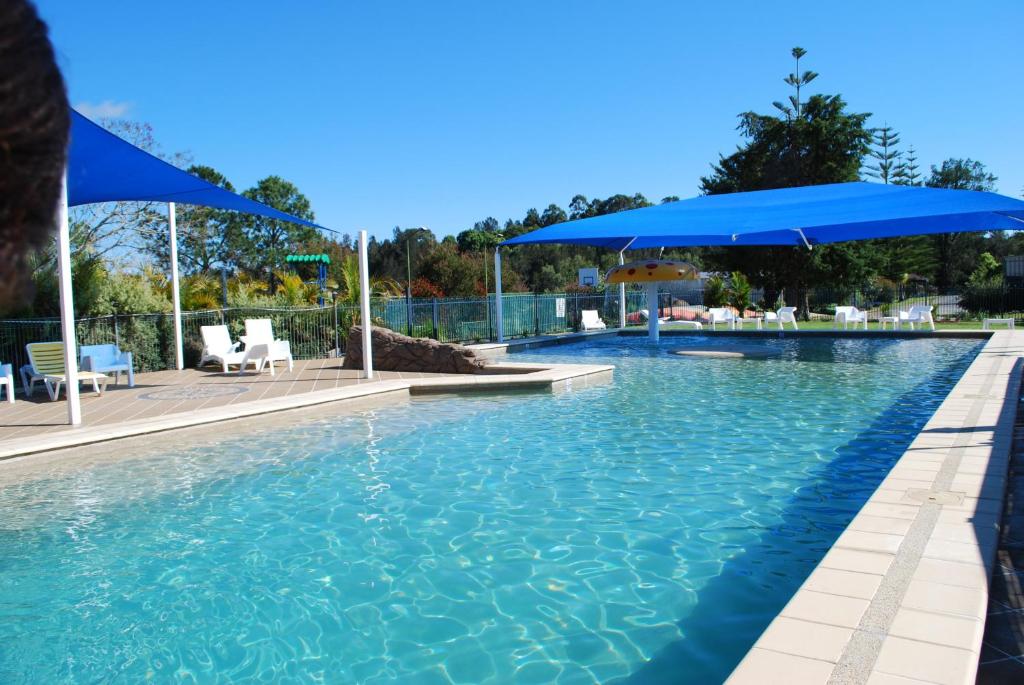
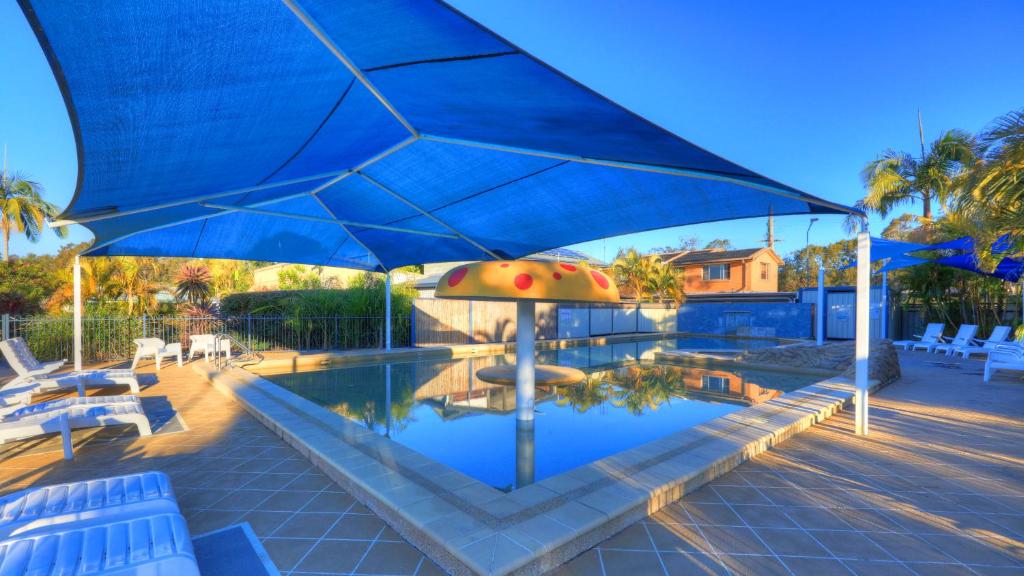
Macksville stands on the river, so an ocean beach visit is a separate drive rather than a walk from these rooms. For a town swim, the council-owned aquatic centre on Cooper Street has outdoor pools and an indoor hydrotherapy pool, but availability changes with the season and scheduled programmes. The indoor pool prioritises health and education use, so check public lane access rather than assuming unrestricted leisure swimming. A pool is listed at the north-bank cabin estate; at the newly converted accommodation, confirm whether the planned recreation facilities have actually opened.
Which room arrangements work for families or limited mobility?
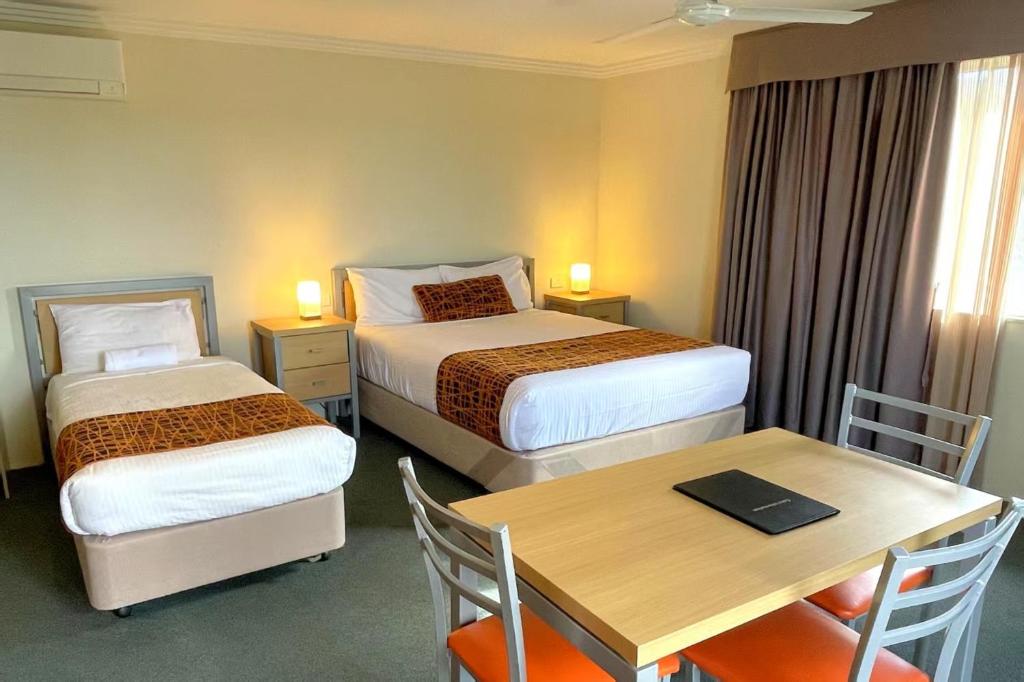
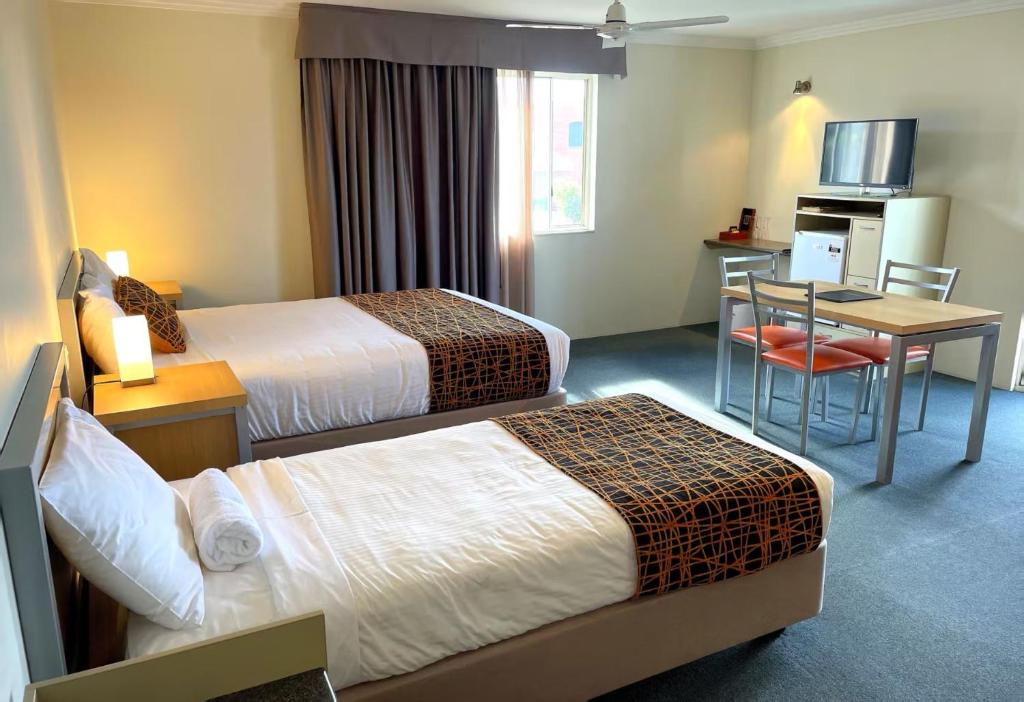
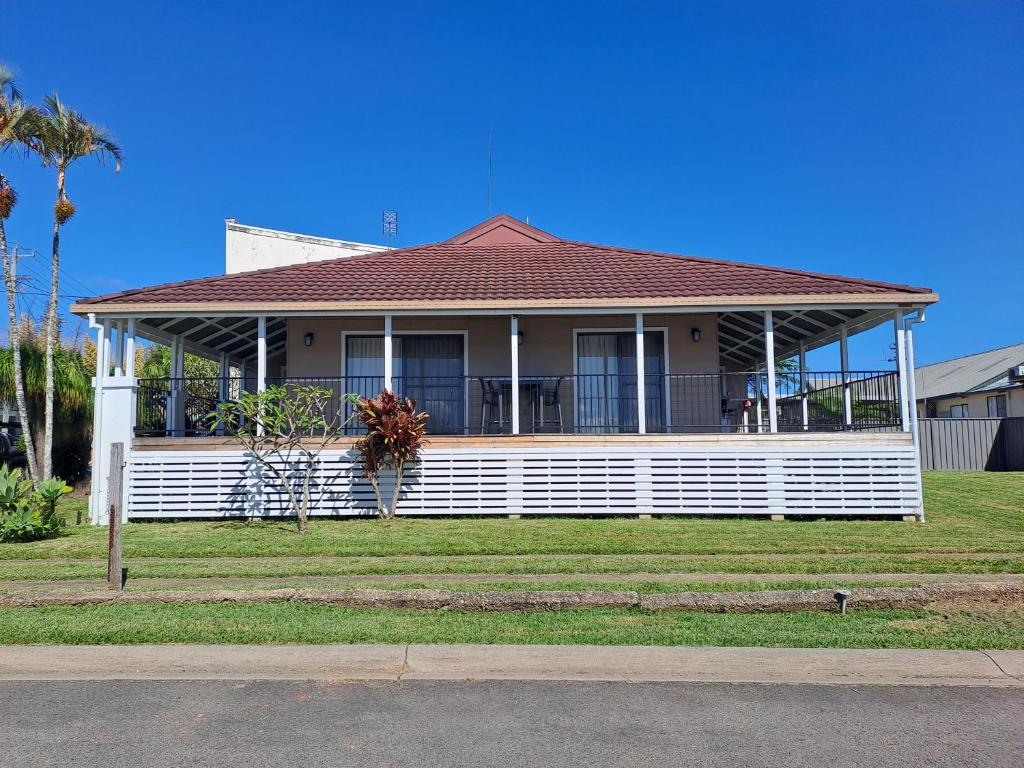
The central motel's family room combines one queen bed and two single beds, while its apartment has a queen bedroom plus a single bed in the main studio area. Its specifically named accessible ground-floor room has bathroom mobility fittings; request that category and discuss the entrance and parking, since ordinary ground-floor availability is not equivalent. The riverside house offers three bedrooms and two bathrooms but no cots or extra beds. At the Boundary Street conversion, confirm children's eligibility for the selected channel, and at the north-bank cabins confirm whether a child aged three is eligible and check the actual bunk layout before deciding the place can accommodate your group.
What should I confirm about kitchens, pets and arrival?
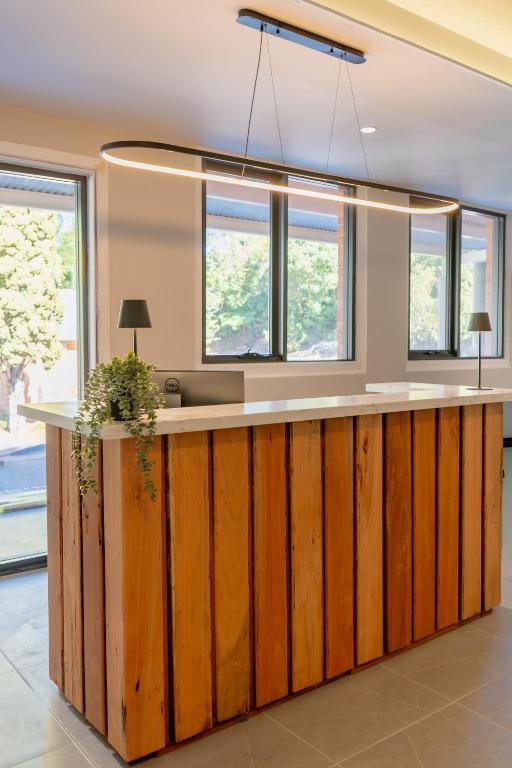
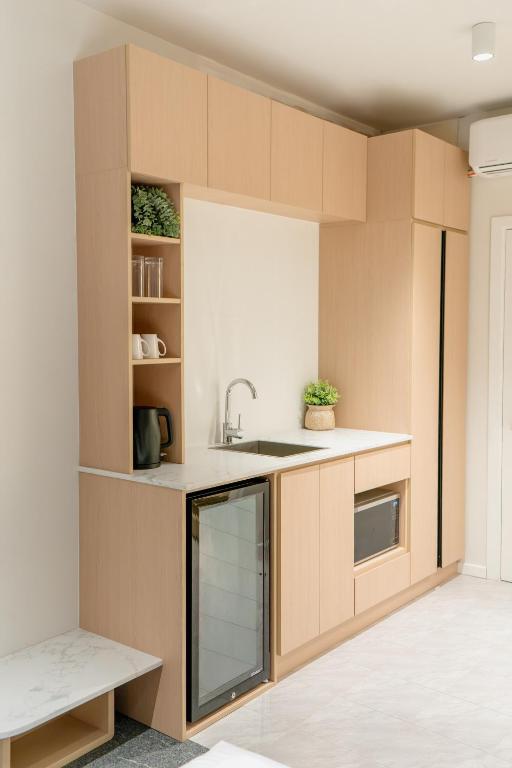
For cooking substantial meals, the whole house has an oven, dishwasher and washing machine; a motel kitchenette usually means a microwave, fridge and basic preparation equipment. Cabin kitchens differ by category, with a communal camp kitchen as a separate facility, so ask for the equipment in the unit being offered. None of these holiday listings currently permits pets, and a residential estate's dog area does not override that rule. Agree key collection and any arrival outside reception availability, and check card arrangements: the central motel and cabin estate exclude some card brands, while the Boundary Street listing does not accept cash.
Prices are set by the booking site. We may earn a small fee, at no cost to you.