About Torquay & Jan Juc
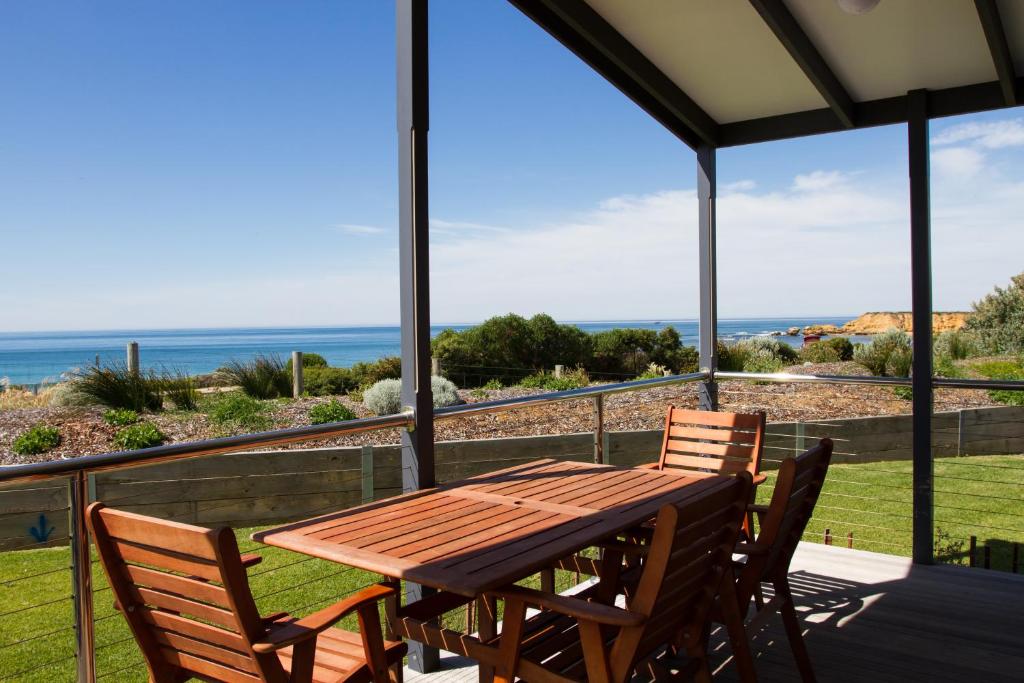
Torquay is the eastern gateway to the Great Ocean Road, but it rewards a few days beside the sea before the longer coastal drive. Bell Street and the central Esplanade put surf lessons, cafés and the sheltered end of Front Beach close together; the northern neighbourhoods spread towards Fishermans Beach, Whites Beach and the golf course.
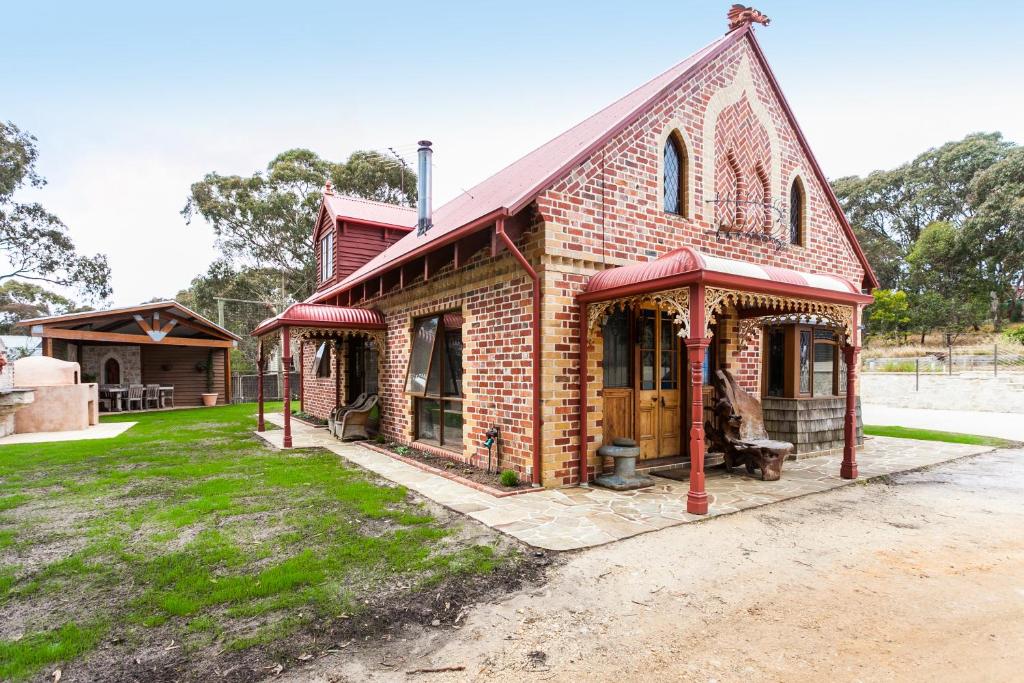
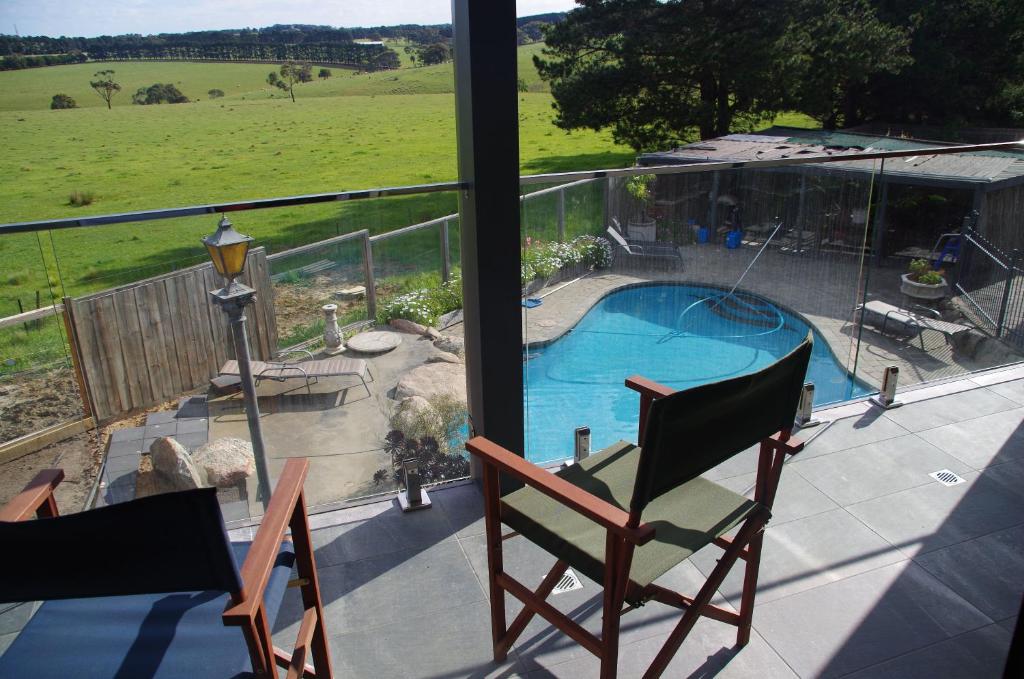
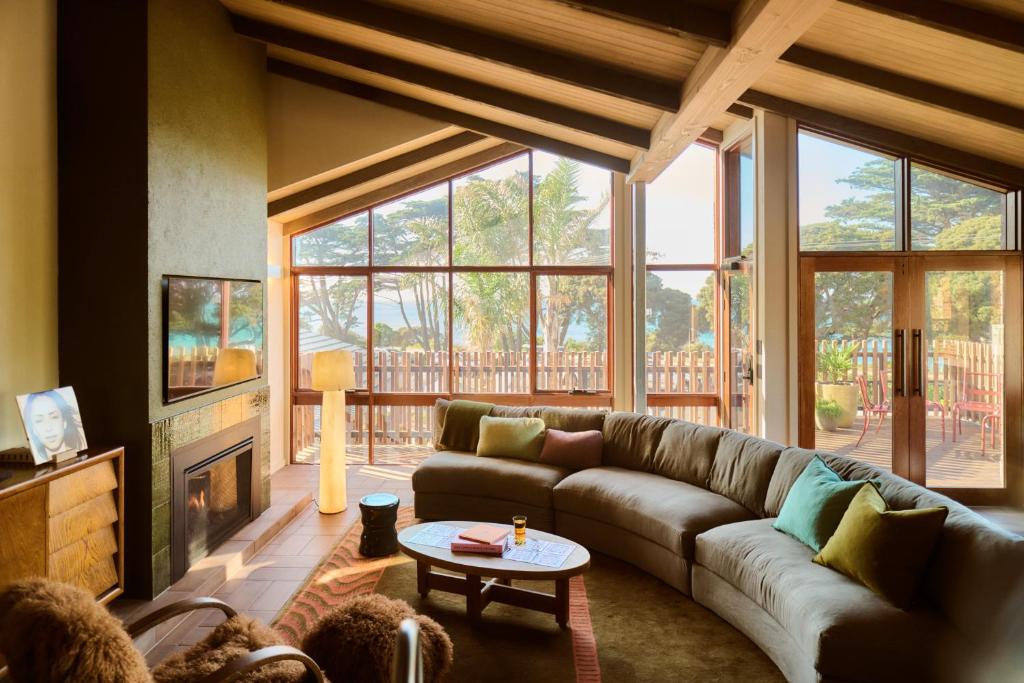
Across Spring Creek, Jan Juc has a more residential feel and access to the cliff paths towards Bells Beach. Inland garden stays on Grossmans Road offer another rhythm, provided you bring a car. Choose your base around the beach, meals and room layout you will actually use.
Common questions
How many nights should I spend in Torquay and Jan Juc?
Two nights give you a beach session, a promenade walk and time at the surfing museum without turning the stay into a road race. Three nights allow a lesson, a Bells Beach outing and a spare day for changing weather. This is one connected coastal base: moving accommodation between Torquay and Jan Juc usually adds little to a short trip.
How do I arrive from Melbourne without a car?
Take a train from Southern Cross to Geelong, then route 53 to Torquay’s Bell Street. The bus normally takes about 45–55 minutes and runs roughly every half hour through much of the weekday daytime; allow around two hours overall, with extra time for the connection. Route 52 links Marshall station with Torquay and the Jan Juc loop, so choose the connection and stop that suit your address.
Can I manage the whole stay on foot and by bus?
Yes for a local holiday around Bell Street, the Esplanade and the central beaches. Routes 52 and 53 help with the wider town, but they do not deliver you to every clifftop lookout or rural driveway. Confirm the last return service before dining farther away, and check temporary boarding stops for northbound route 53, which detours around Fischer Street until 27 November 2026.
When should I visit, and what changes in winter?
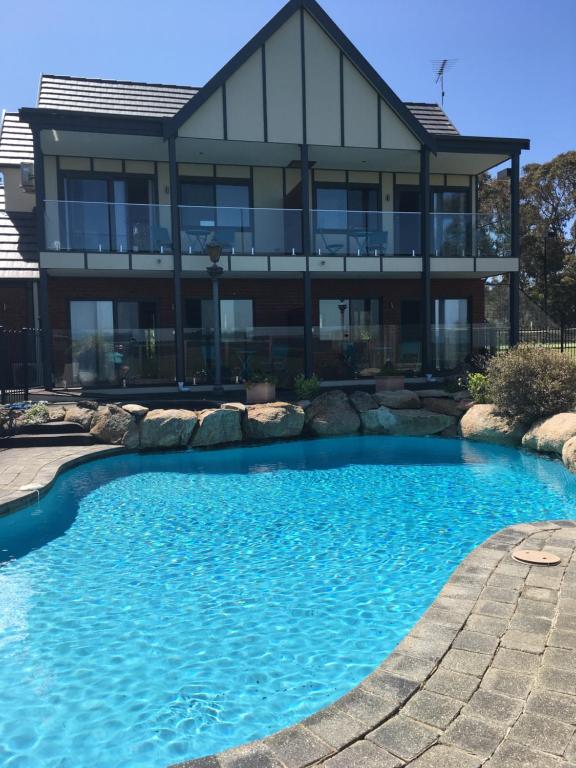
Late December, January and the Easter period are the busiest times; the Bells surfing competition adds particular demand around Easter. Autumn offers a less crowded coastal break. In winter, plan around walks, meals and the surfing museum rather than guaranteed swimming weather, check the heating, and distinguish an indoor heated pool from an outdoor pool exposed to the weather.
Which beach suits children or a first surf lesson?
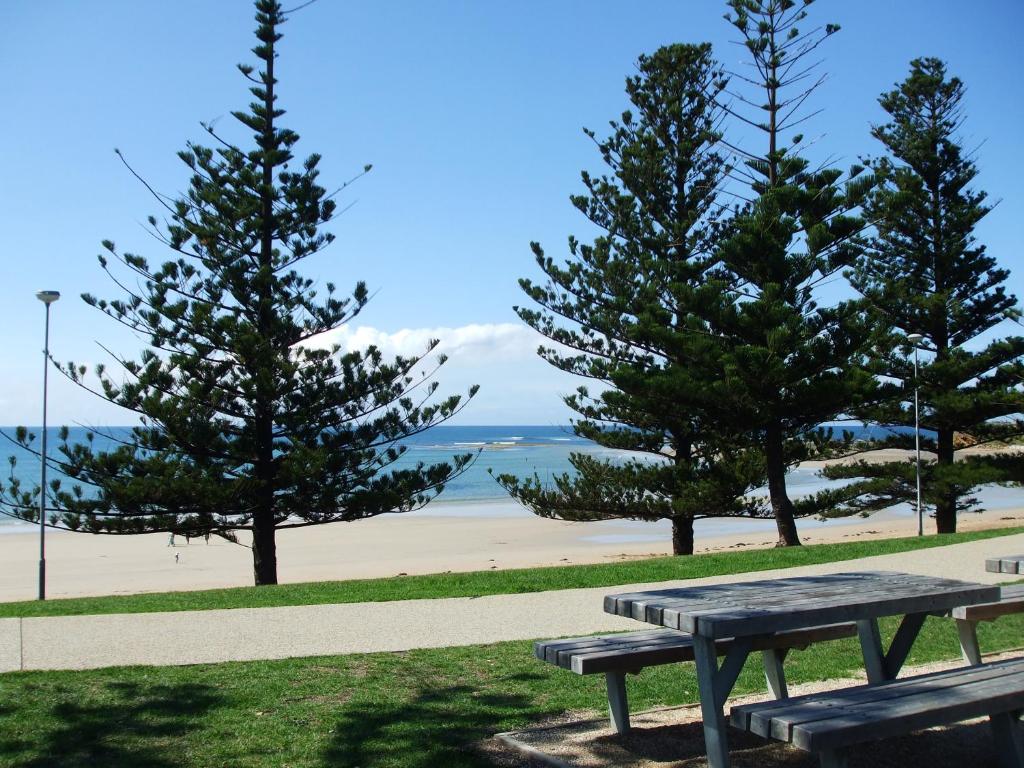
Cosy Corner, behind Point Danger at the southern end of Front Beach, is more sheltered than the open surf beaches. Bell Street has surf schools, so a lesson is a sensible starting point. Torquay Surf Beach and Jan Juc have stronger surf; patrols vary by season, and swimming should stay between the red and yellow flags where they are operating.
What walks can I do from town?
The Yellow Bluff–Point Danger promenade is 1.6 km one way, flat and without steps, with a concrete shared path suitable for prams and wheelchairs. Point Danger–Bird Rock is a longer 3.3 km coastal section with sand and some steps, passing the Torquay and Jan Juc surf beaches. Allow for the return distance and use the signed inland alternative where coastal access changes.
Are there current coastal access restrictions?
Rocky Point’s beach stairs were damaged by storms and will not be replaced. The authority is monitoring the adjacent cliff trail and has planned for sections to close when erosion makes them unsafe, so follow the barriers and current signs. Jan Juc Creek also has unfinished pathway works, with further work expected in early January 2027; do not assume an old creek-loop map shows an open route.
What should I check when booking with children?
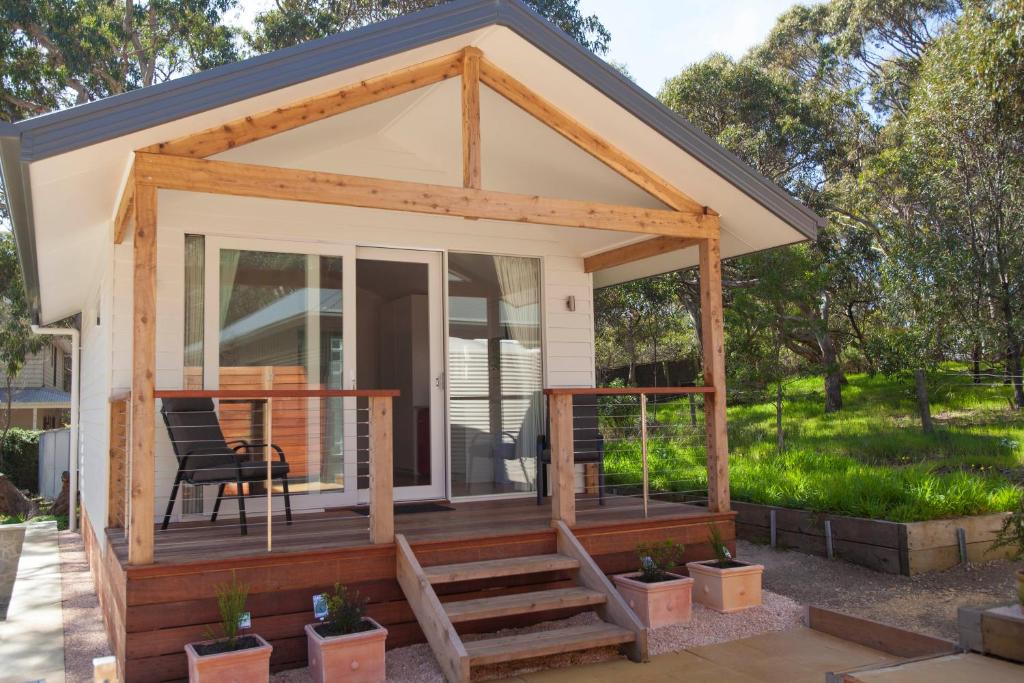
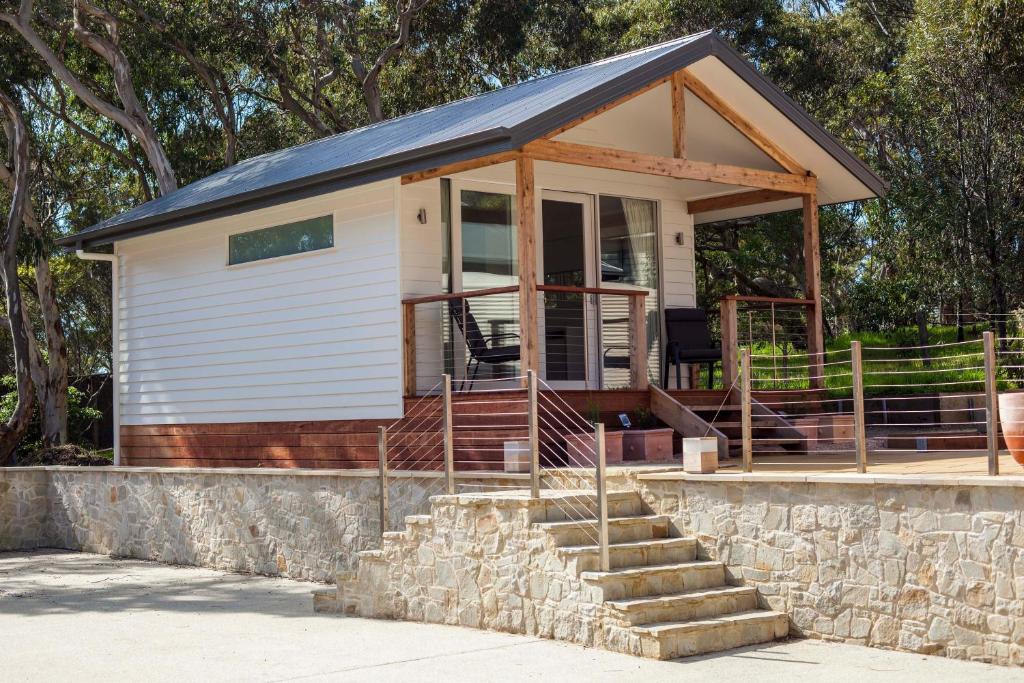
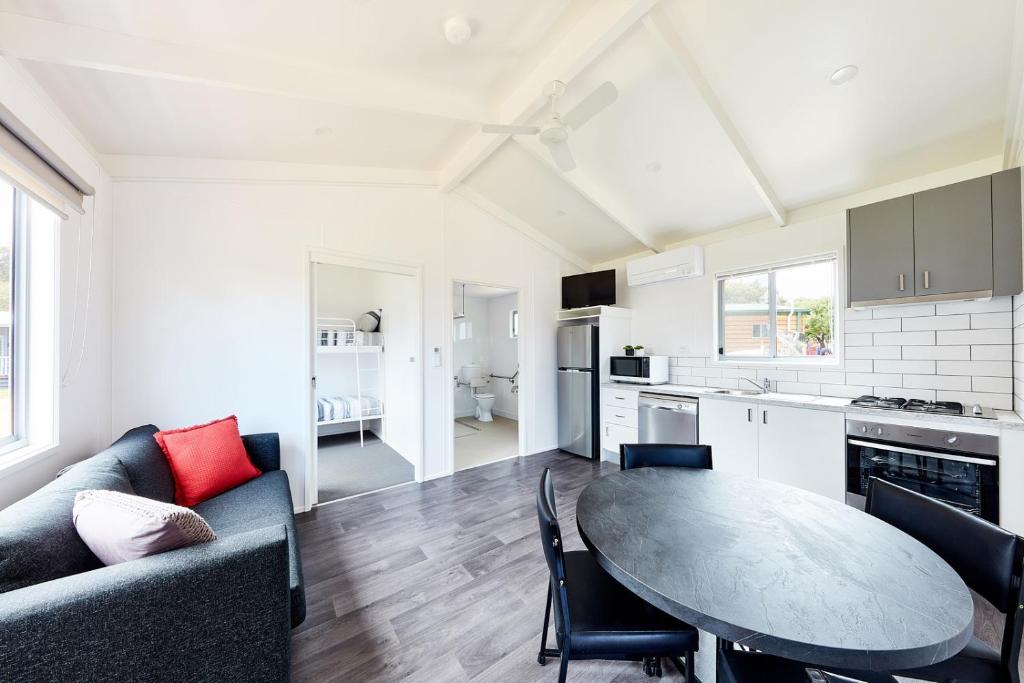
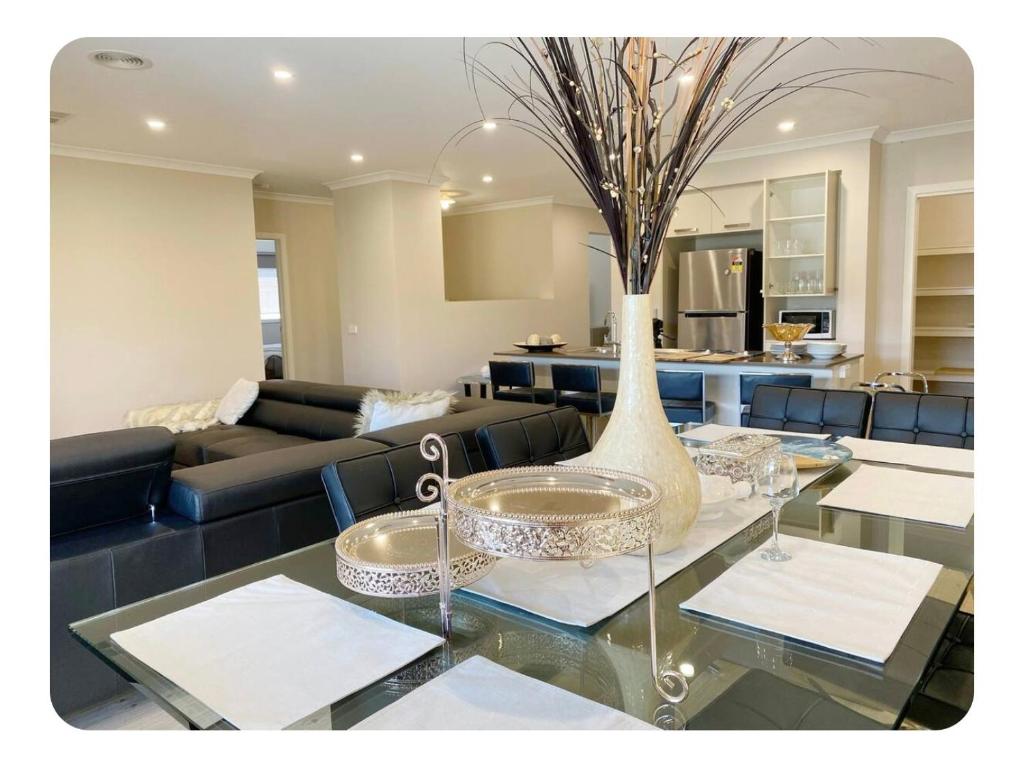
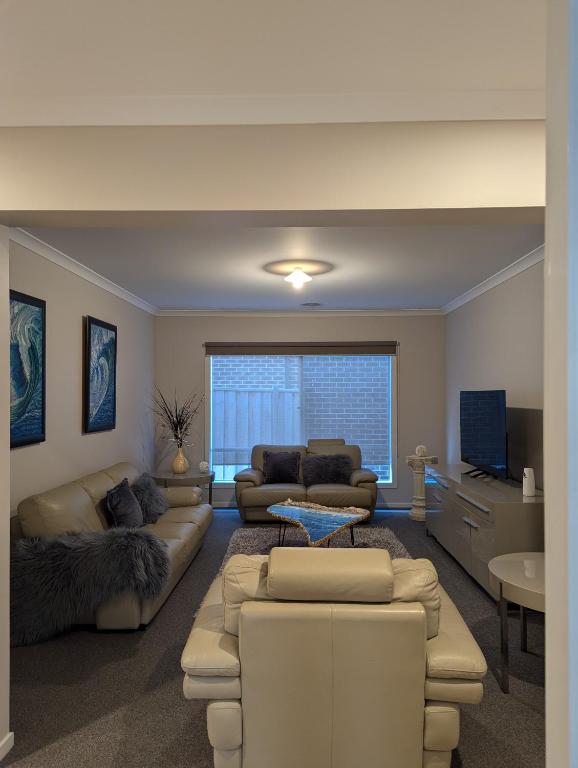
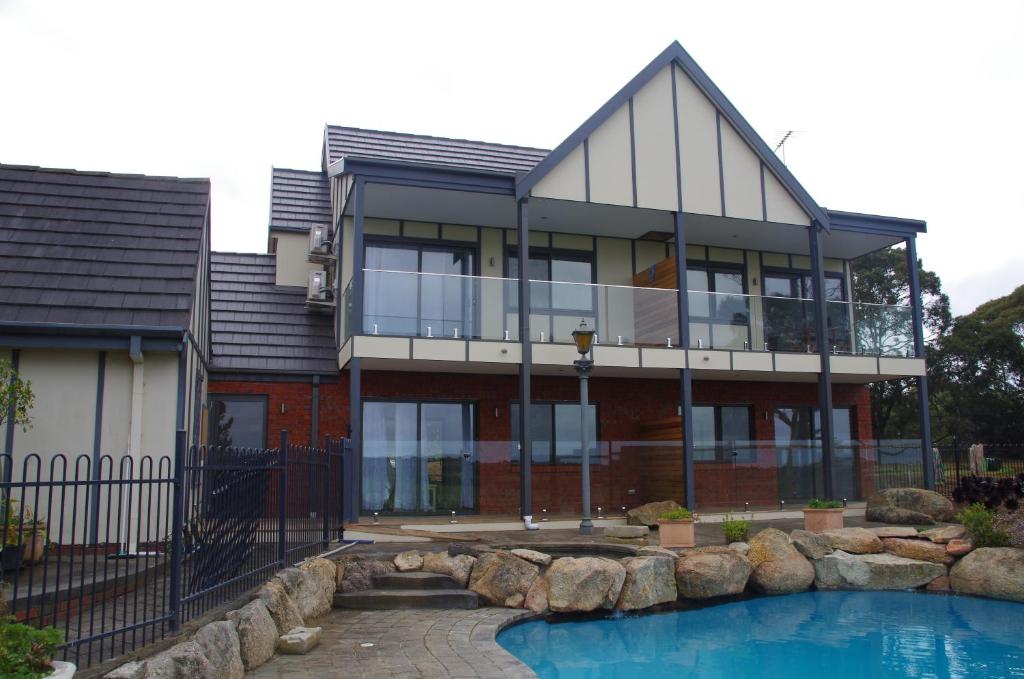
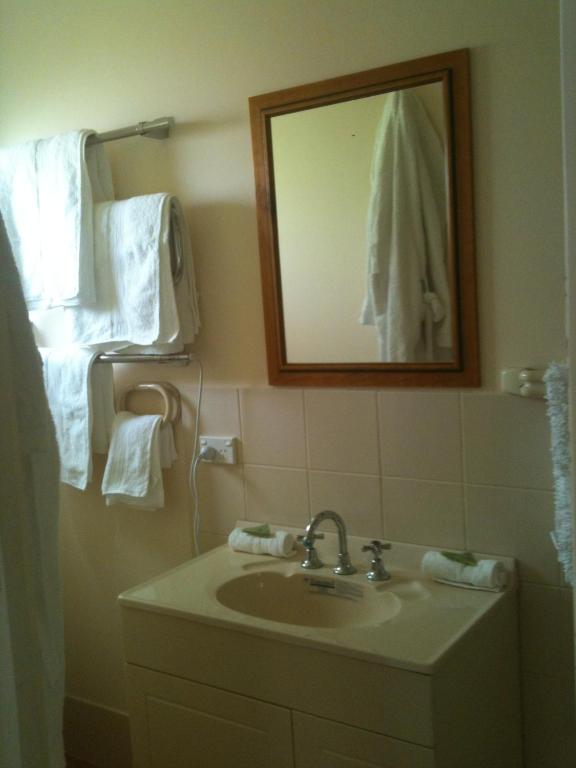
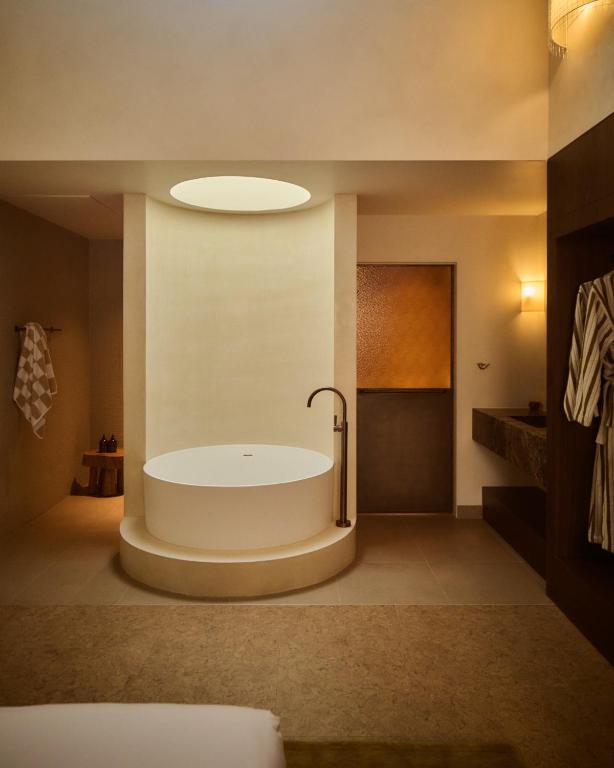
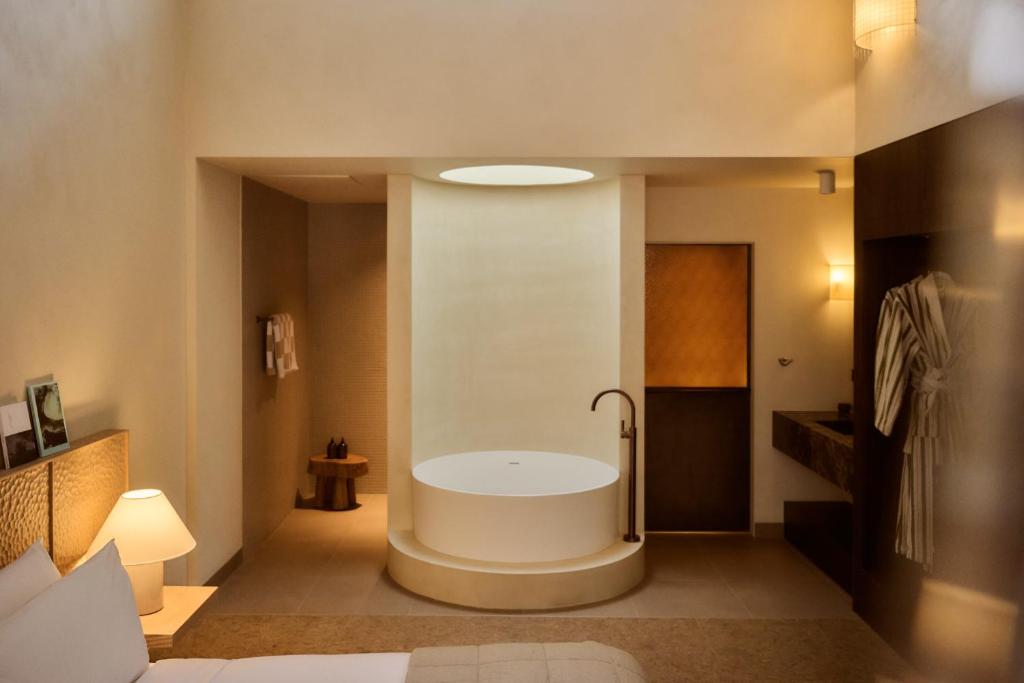
Check the exact cabin category, the private bathroom and the bunk arrangement rather than choosing from a park’s general photographs. Some upper bunks are unsuitable for adults, and an advertised six-person cabin may limit the number of adults. Small hosted suites can exclude children altogether; a whole house or family cabin gives a very different stay from a room designed for two.
How should I choose accommodation for limited mobility?
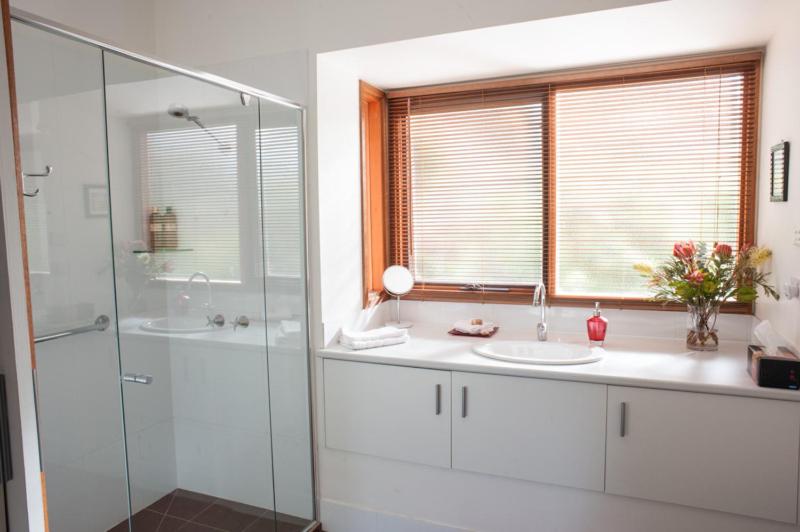
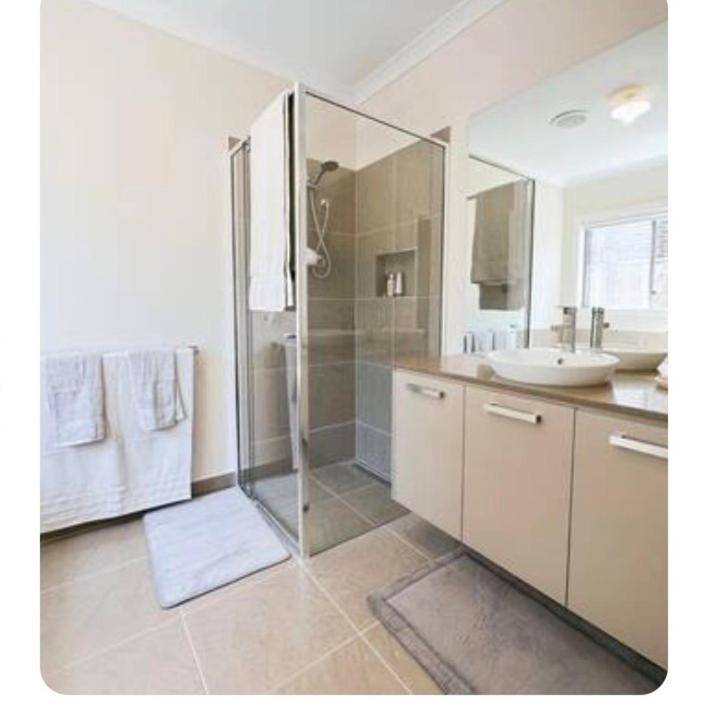
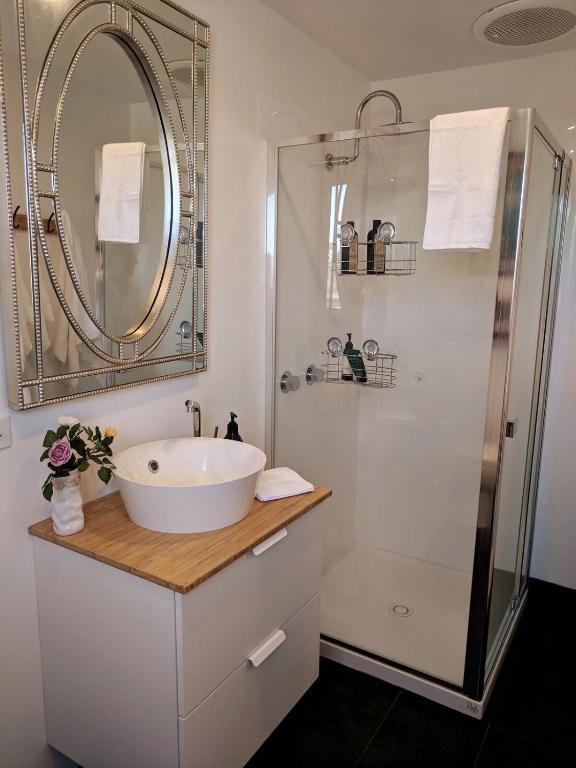
Start with the flat central promenade, then confirm the entire route from parking to the bedroom and shower. A ground-floor label does not establish a step-free bathroom. Some cottage bedrooms are reached by stairs, while designated accessible resort rooms and cabins must be reserved as their own categories; ask for current layout details before committing.
Can I cook, and what can I do on a wet day?
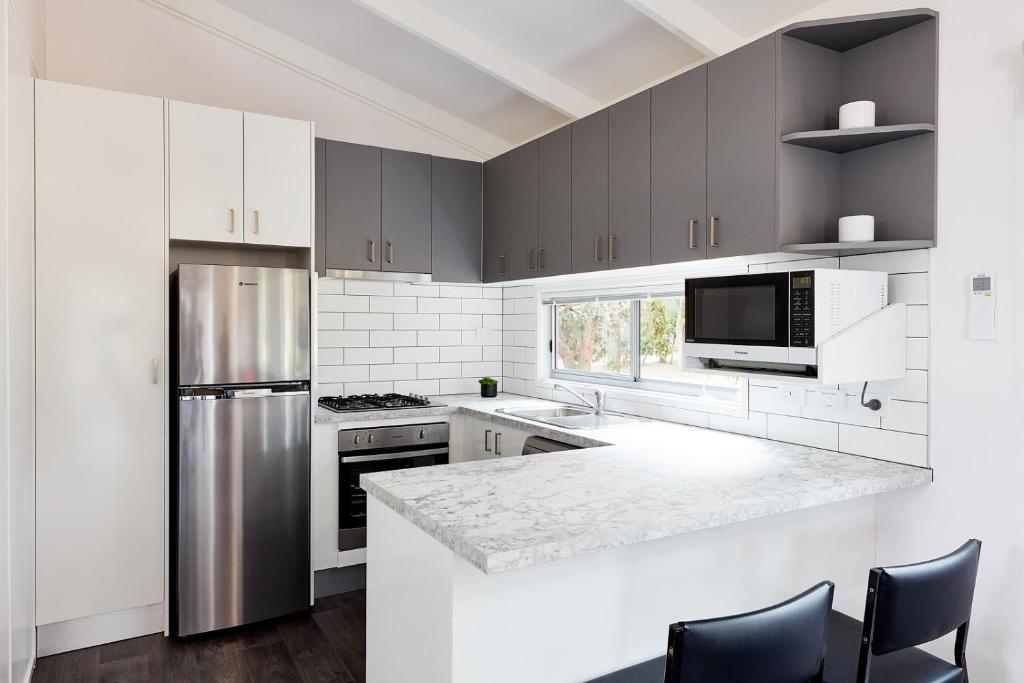
Selected houses, chalets and private cabins have a kitchen, while hosted studios may provide only a microwave, fridge and breakfast supplies. Ask about the oven in the exact category, since facilities vary even within one park. On a wet day, the Australian National Surfing Museum at Surf City Plaza explains board design, the Bells trophies and local surf culture, with cafés and shops nearby.
Prices are set by the booking site. We may earn a small fee, at no cost to you.