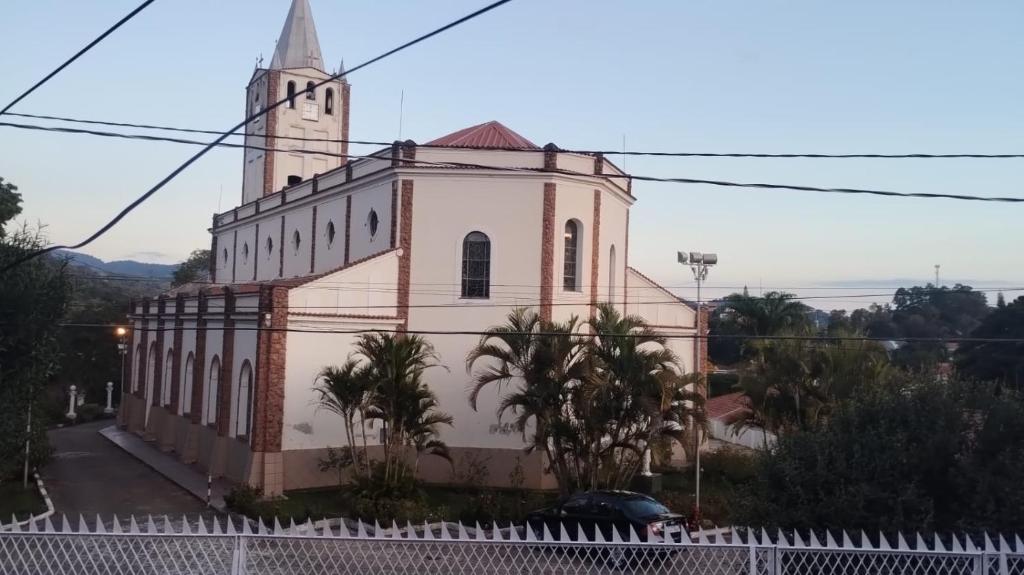
About Águas da Prata
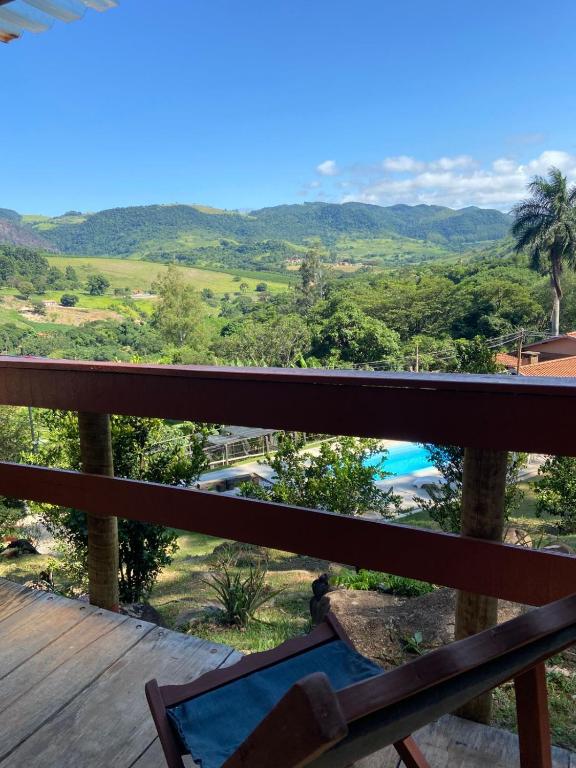
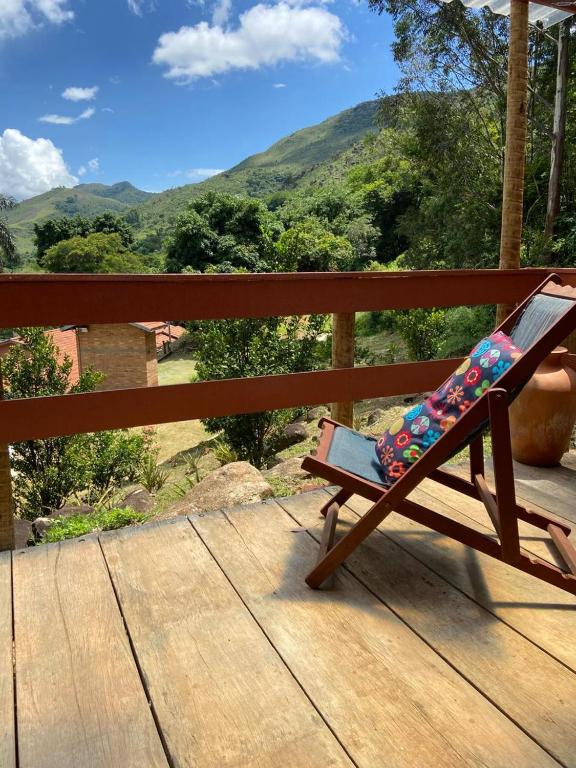
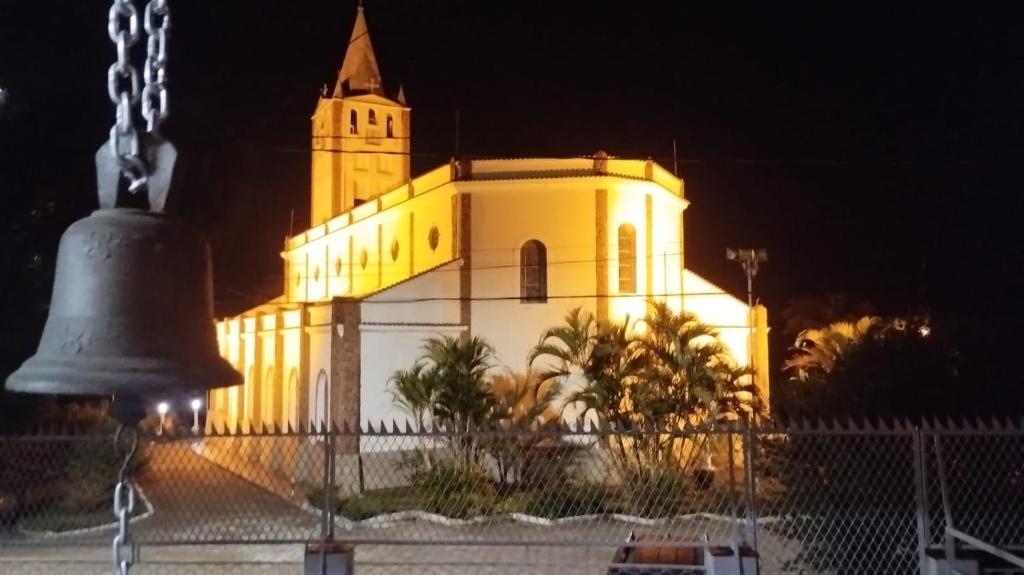
Águas da Prata is a small São Paulo town where mineral-water history, a forest park and departures along the Caminho da Fé shape a short stay. Choose central streets for everyday errands, southern avenues for hosted guesthouses, or the northern SP-342 approach for a chalet with mountain views. Time here can combine a town day with a planned walk or cycling stage.
Build the itinerary around current access: renovation notices affect the Bosque, while the former municipal bathhouse and Cristo complex have separate worksite restrictions. A garden, shared kitchen or pool can make the accommodation itself part of the break.
Common questions
Which part of Águas da Prata should I stay in?
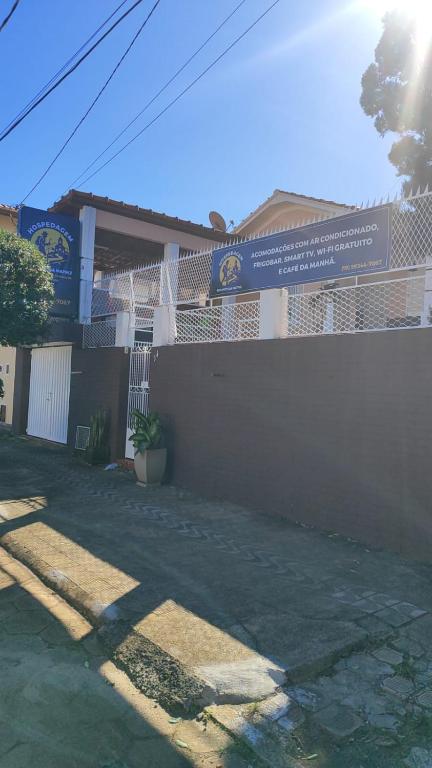
The centre works for town services, while the southern João Dias and Eduardo Lírio streets offer hosted guesthouses with shared spaces. The northern SP-342 approach suits a chalet stay with more time on the grounds, provided you arrange transport for meals or outings beyond the property.
How do I get there from Viracopos Airport?
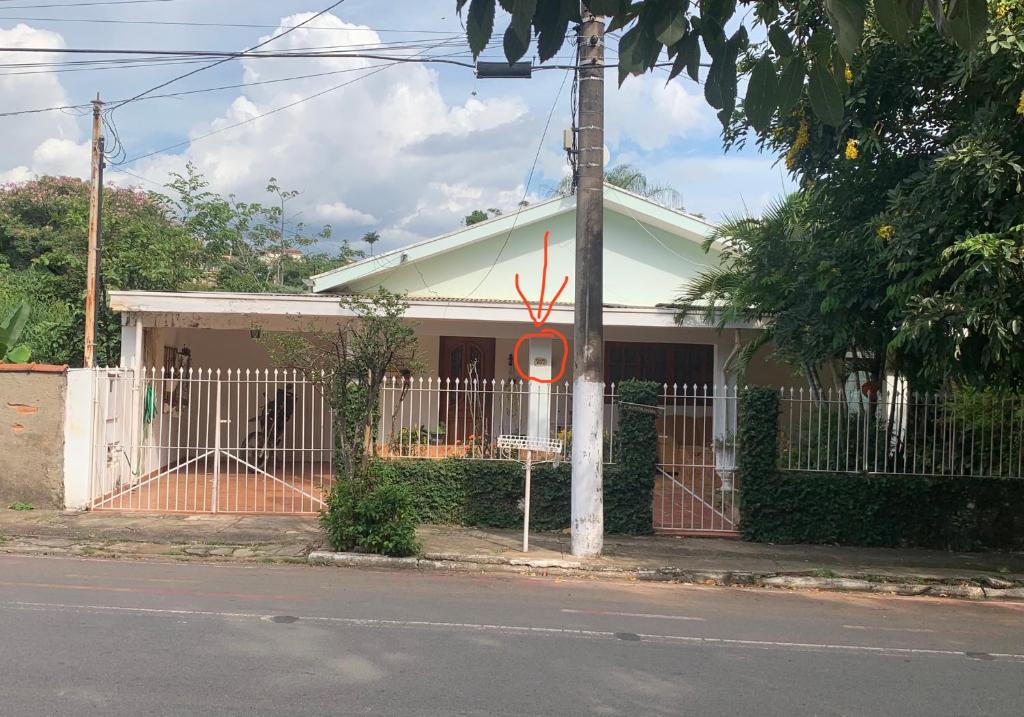
Viracopos lists ground transport to Campinas bus terminal, where you can connect with a separately checked onward coach to Águas da Prata. Alternatively, arrange a road transfer all the way to the accommodation, confirming the actual entrance and late-arrival contact. Allow for the airport leg, intercity departure and final pickup as separate parts of the journey.
Can I visit without a car?
Cometa lists a São Paulo Tietê–Águas da Prata route via Campinas and São João da Boa Vista; check departures for your date and the arrival terminal. Municipal free-bus arrangements changed from 16 November 2026, so confirm the current route, stop and return rather than treating them as a hotel shuttle. A car or booked ride is more useful for the northern road accommodation and countryside outings.
Can I visit the park, springs and former bathhouse?
The state park lists ordinary visits without advance booking and only partial accessibility, but an October 2026 notice announced renovation work at the Bosque da Prata. Separate 2026 municipal notices restricted access to the former municipal bathhouse, now the Palácio das Águas complex, and the Cristo worksites; confirm actual reopening before planning either. Ask which park entrances, fountain paths and toilets are available during your visit.
How should I plan the Caminho da Fé or local walks?
For a Caminho da Fé departure, choose a credential collection point in advance; completing the association's form beforehand can speed up registration. If you use its downloaded form, bring the printed copy to leave at collection, and check the different weekday-office and partner-point arrangements in the 2026 list. For a local walk or first stage, agree the route, any access permission or guide needed, luggage arrangements and return transport, then check the weather.
What should families and travellers with limited mobility check?
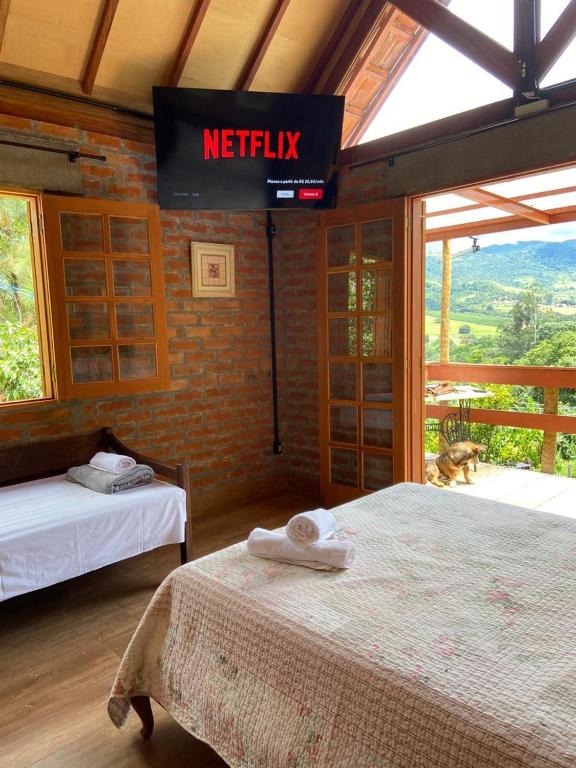
Compare the booked room's bed arrangement, private or shared bathroom, cot and extra-bed rules, rather than relying on a family label. Chalet layouts differ: an adapted bedroom entrance does not describe the entire parking-to-room route, and another option has steep mezzanine stairs. Ask about steps, shower access and the usable park route, whose accessibility is described as partial and may change during works.
Are breakfast, kitchens and pools included?
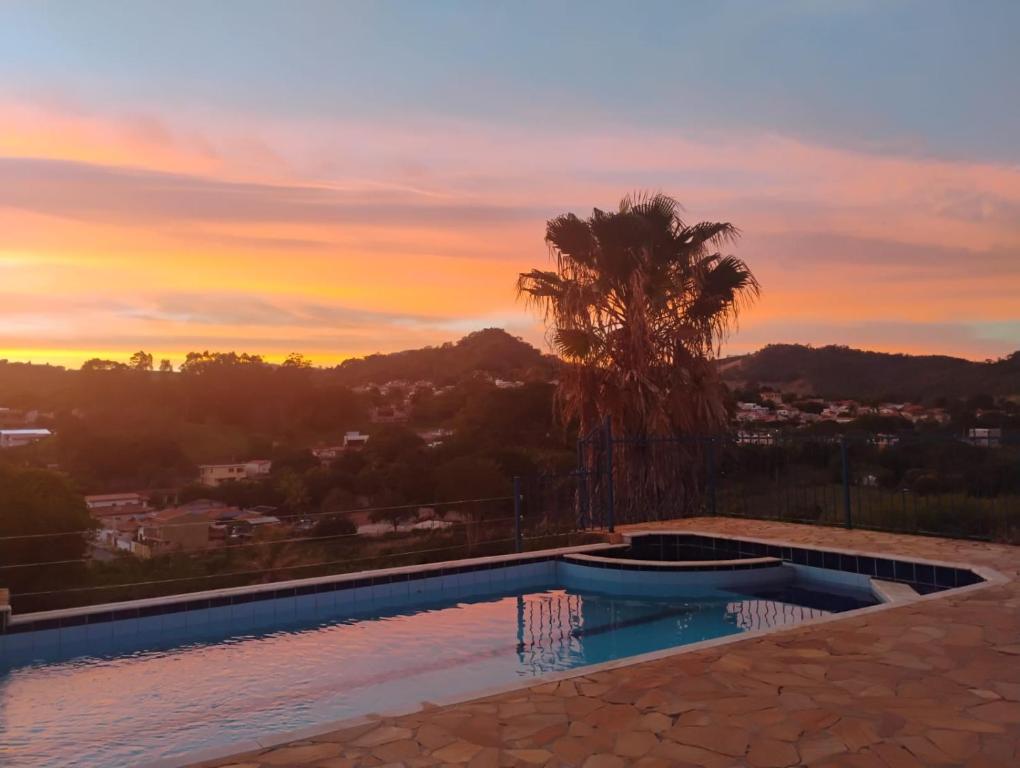
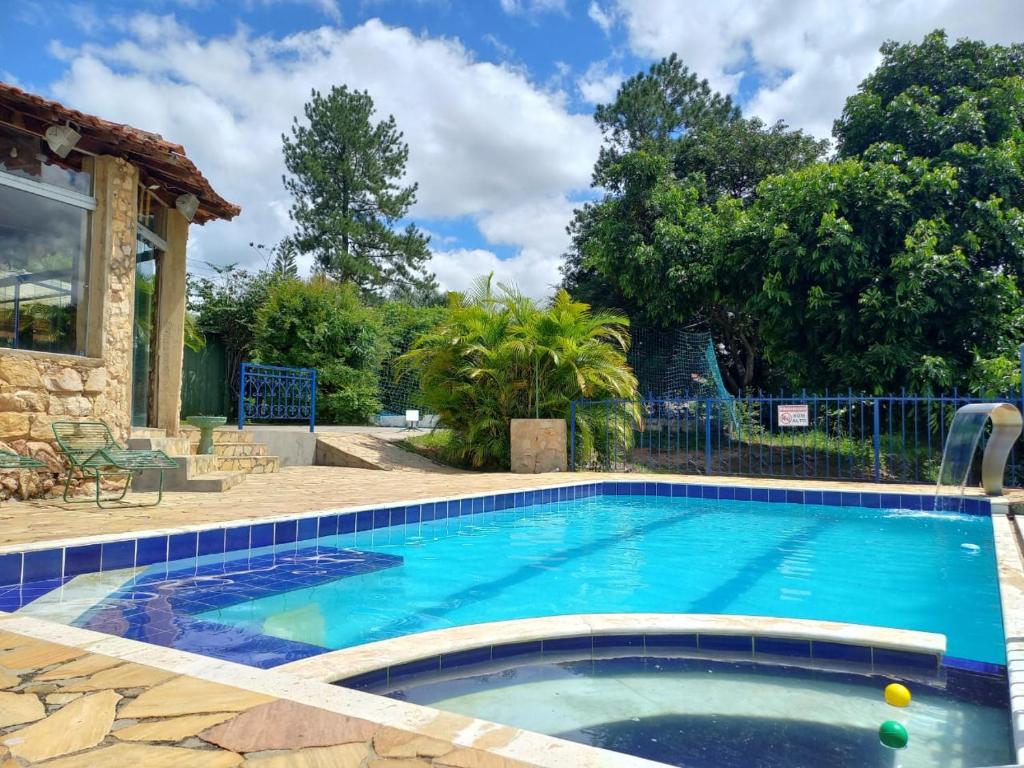
Breakfast may need advance ordering or be sold separately, so confirm both availability and inclusion, especially for an early departure. A shared kitchen or gazebo is different from cooking facilities inside the booked room, and restaurant service may run only on selected days. Check current pool operation and heating separately; the town's mineral-water heritage does not establish either feature at a guesthouse.
When is the weather better for outdoor plans?
Climate normals show warmer, wetter conditions from October to March and cooler mornings with relatively less rain from June to August. June and July average minimum temperatures around 12°C, while even the drier months receive rain. Bring layers for early starts and rain protection, and choose trails or road outings according to the current forecast.
How many nights should I allow?
Two nights can fit a town and forest day plus one planned walk or cycling outing, while three leave room for rain or a slower day at the accommodation. Treat a through-pilgrimage as a separate itinerary with its own stages and overnight stops. Choose the sequence around confirmed attraction access, meal arrangements and transport rather than trying to fit every advertised site into one day.
Prices are set by the booking site. We may earn a small fee, at no cost to you.