About Campina Grande
Campina Grande brings together the music of São João, a busy trading tradition and cultural visits around Açude Velho. The reservoir makes an appealing starting point for walks and museums, while Centro puts the market and Parque do Povo closer to daily life.
Farther southeast, the Catolé, Mirante and Vila Cabral corridor offers larger hotels, pools, restaurants and access to the bus terminal. Decide how much of the trip should happen outside the hotel: a central festival address, a lakeside cultural base and a leisure property give quite different days.
Common questions
How many nights should I allow?
Three nights give you two full days for Açude Velho, museums, the Feira Central and some unhurried time at the hotel. For São João, build the stay around the confirmed nights you want to attend, then leave daylight space for the city rather than scheduling a full sightseeing programme after every late show. Add time if a pool or water park is a major reason for choosing your accommodation.
Which area works best for São João?
The streets around Parque do Povo offer the most direct relationship with the main festival grounds. They also bring the strongest trade-off with crowds and late music. The programme has other venues, so check the location of each performance before booking. During the festival, transport plans can change street access and pickup points. Agree where you will meet a driver and how you will return, and use confirmed dates for the edition you intend to visit.
How should I arrive by air or long-distance bus?
Campina Grande’s airport is Presidente João Suassuna, code CPV. Aena lists taxis at the arrivals exit around commercial flights; arrange your transfer around the actual arrival time and send the hotel’s exact address. Long-distance buses use the Terminal Rodoviário Argemiro de Figueiredo, near the southeastern hotel corridor. If your flight lands in João Pessoa instead, plan the intercity road journey separately rather than treating it as a local airport transfer.
Do I need to hire a car?
A car is unnecessary for a mostly central cultural visit if you combine walks with taxis or arranged rides. Açude Velho and Centro work well for that approach, although each day still needs a sensible route between stops. A southeastern leisure hotel makes transport more useful because its main appeal may be the facilities inside the property. During São João, a parking space at the hotel does not solve the last part of the journey through event street controls.
Is June usually dry, and when is easier for outdoor visits?
June falls in the wetter part of Campina Grande’s year. Rainfall studies identify May to July as the main peak, while October to December is generally drier. For festival nights, pack rain protection and comfortable shoes, and keep an indoor museum visit available for a wet morning. A light extra layer is useful when spending a long evening outside. Choose the season for the trip you want, then check the forecast close to departure.
Which cultural visits should I make around the centre?
Start with the Museu de Arte Popular da Paraíba, known as the Museu dos Três Pandeiros: Oscar Niemeyer’s circular pavilions sit beside Açude Velho and host changing exhibitions. The SESI Museu Digital uses interactive maps, games and displays to explore the city’s social, cultural and industrial history. The Museu Histórico on Avenida Floriano Peixoto adds a more traditional local collection. Choose the current exhibitions that interest you and leave time to go inside each institution.
How do the Feira Central and Vila do Artesão differ?
The Feira Central is a working market of stalls, streets and everyday trade, recognised by Iphan as Brazilian cultural heritage. Look for cheeses, rapadura, fruit, herbs, leather goods and the traditional trades that give the place its character. Vila do Artesão is a separate stop for local makers and craftwork, including clay and ceramics. Allow time to talk with sellers and ask how pieces are made; a current festival programme may add music, but shopping and craft traditions give both places value beyond São João.
What should families check before choosing a hotel?
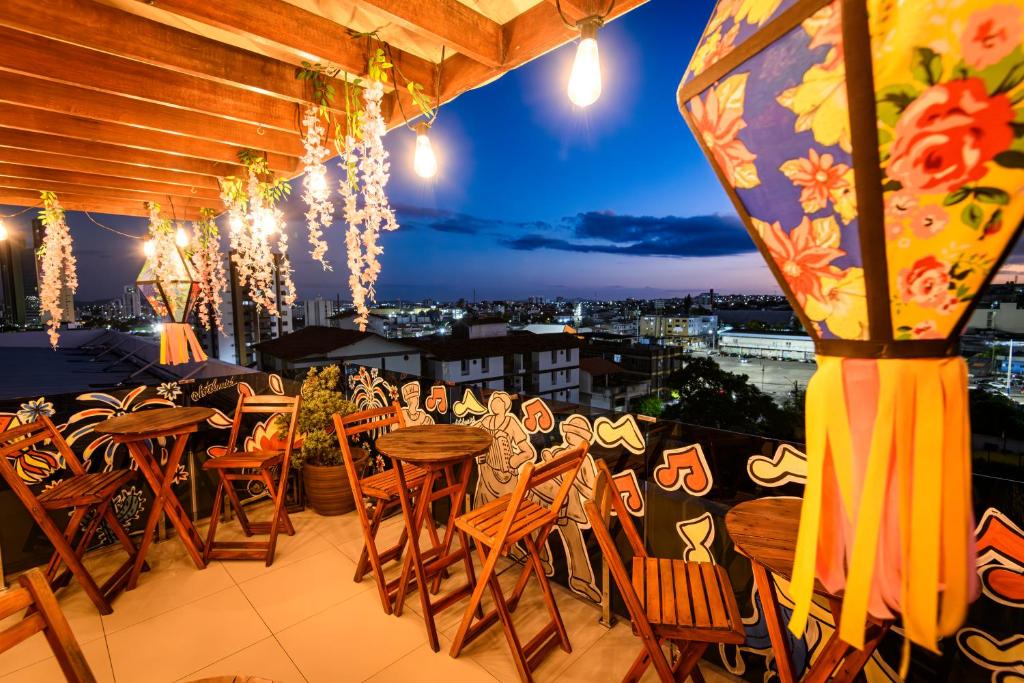
Start with the actual beds: selected family rooms have two queen beds, while other categories pair a double with a single. Connecting rooms, adapted rooms and cots need a specific request and confirmation. An indoor heated pool and an outdoor water park suit different plans, while a shared viewing terrace adds somewhere to sit between outings. Choose the facilities your group will use, check the room category’s balcony view, and keep children supervised around the water.
Prices are set by the booking site. We may earn a small fee, at no cost to you.