About Marajó
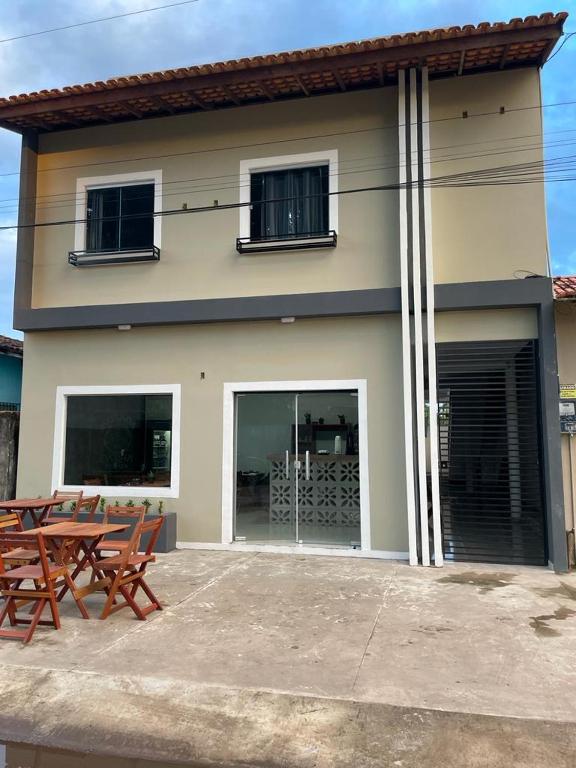
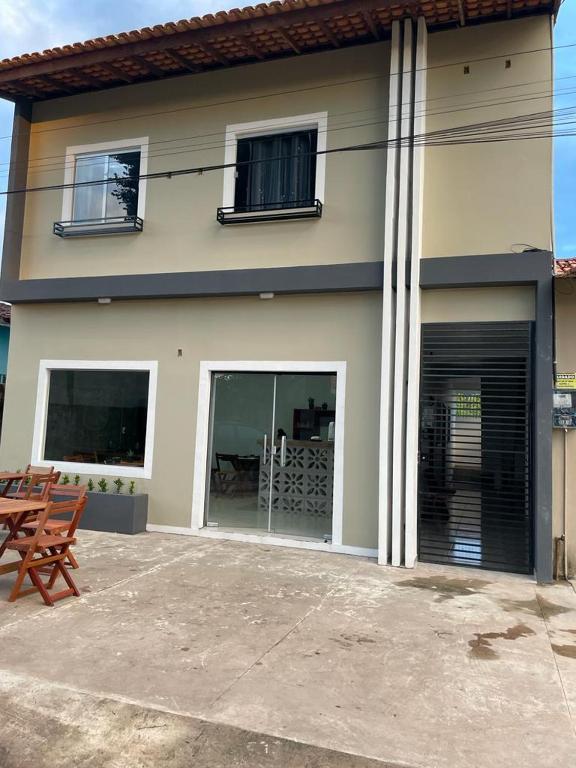
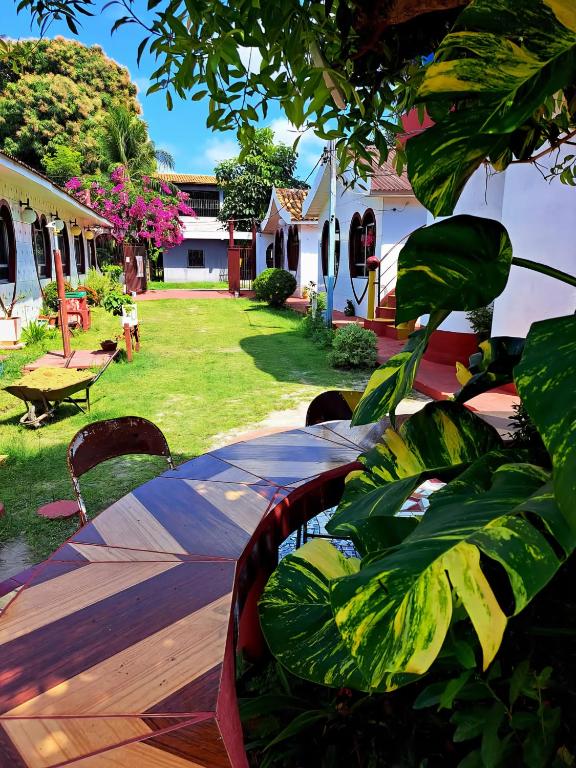
For a first visit to Marajó, Soure and Salvaterra form a useful pair of bases on the island’s eastern side. They face each other across the Paracauari River, but they do not offer interchangeable arrivals. Central Soure makes restaurants, shops and the numbered street grid easy to reach. Its garden and riverfront hotels offer more space to rest between farm and beach outings.
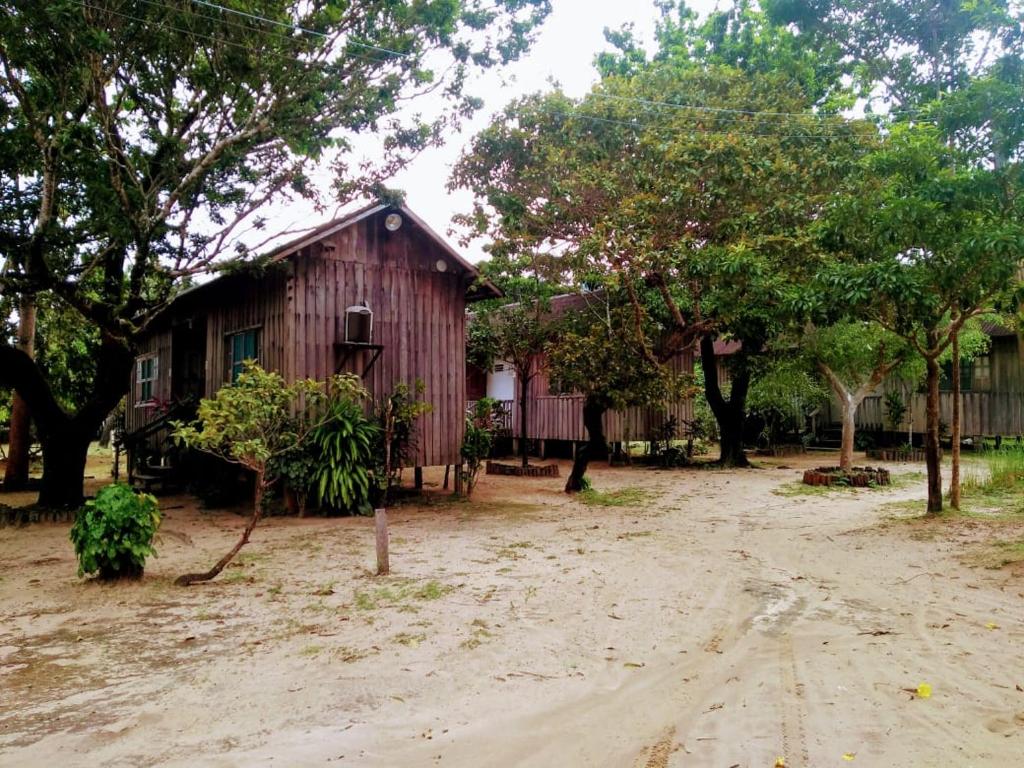
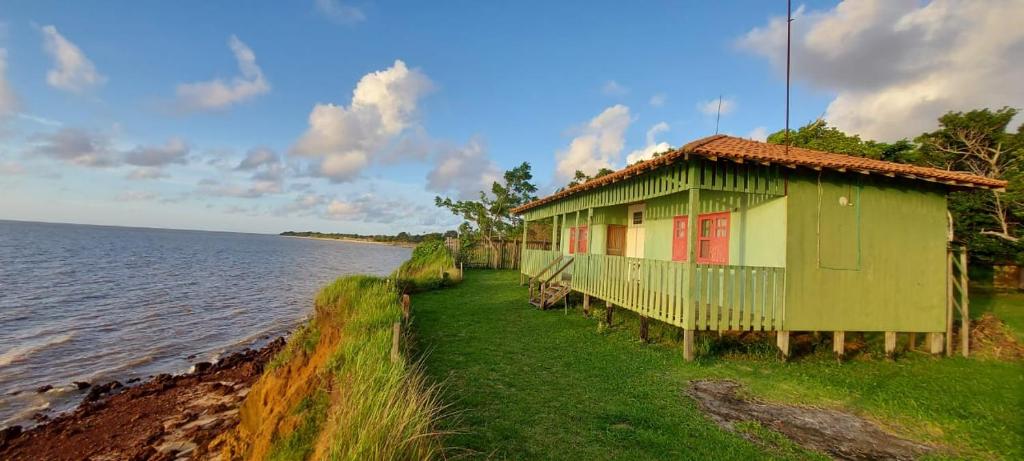
Salvaterra puts Praia Grande closer to the centre of the day. Choose the bank and the arrival route together, then decide whether you want a town room, a pool garden or a wooden chalet looking toward the bay.
Common questions
Should I stay in Soure or Salvaterra?
Soure is the more practical choice when you want to combine town meals, farm visits and outings toward Barra Velha or Pesqueiro. Salvaterra suits a quieter stay around Praia Grande and a chalet overlooking the bay. You can visit both from one base, but crossing the Paracauari is a real part of the journey. For a short trip, choose one bank and organise a deliberate visit to the other instead of changing hotels merely to cover both names.
How many nights should I allow?
We would plan three or four nights. That leaves room for an arrival afternoon, a beach day, a farm or community experience and time to respond to rain or the tide. Two nights can work with favourable boat departures, but the transfers may dominate the trip. For an important onward flight, a final night in Belém is a useful buffer rather than relying on a tight same-day boat-to-airport connection.
How do I arrive from Belém?
Book the water journey before finalising the transfer. Direct passenger services to Soure and sailings to Porto de Camará have different landing points. From Camará, continue by road to Salvaterra; reaching Soure also involves the Paracauari crossing. Boats for passengers generally use Belém’s hydro terminal, while the car-ferry route uses Icoaraci. Confirm the operator, terminal, landing pier and onward pickup for your actual date. Your flight into Belém is only the first part of the journey.
Do I need a car, and how does the river crossing work?
A car is optional if you stay in a convenient part of town and arrange taxis, transfers or guided outings. Bringing one adds a vehicle-ferry reservation for the mainland crossing and another crossing between Salvaterra and Soure. The local Paracauari ferry and the longer Icoaraci–Camará route are separate services. Confirm their current operating hours, especially for the return. Travelling on foot still requires a boat across the river; ask where to board and how luggage will be handled.
When is the most useful season?
Local rainfall research shows a wetter period from December to May and lower rainfall from June to November. The drier months can make a beach-and-outings itinerary easier, but rain remains possible and the landscape changes through the year. July and long holidays can be busy. Tide matters independently of season: it affects the beach edge and canoe routes through the mangroves. Agree the day’s order with local hosts instead of fixing every activity to a clock before arrival.
Are the beaches beside the town hotels?
Usually you should treat them as outings. Soure’s central riverfront is not the same setting as Barra Velha or Pesqueiro, and a hotel on the Paracauari may offer a view rather than a bathing beach. In Salvaterra, Praia Grande is closer to several stays, but the path can still involve a walk from a garden or raised shoreline. Ask about the current tide, entry point and return transport. With children, choose the day’s bathing spot with local advice rather than assuming all shallow-looking water is suitable.
How should I arrange a farm or community experience?
Choose a host-led visit that explains what you will actually do: a farm walk, regional food, a canoe trip, mangrove interpretation or time with local craftspeople. Community tourism around Pesqueiro is part of the living extractive reserve, not an empty landscape for unrestricted wandering. Reserve with the host or an established local organiser, agree transport and meal arrangements, and ask which parts depend on the tide. You can make a worthwhile cultural day from pottery, local cheese and conversation without trying to fit every island attraction into it.
What should families and longer-stay visitors check?
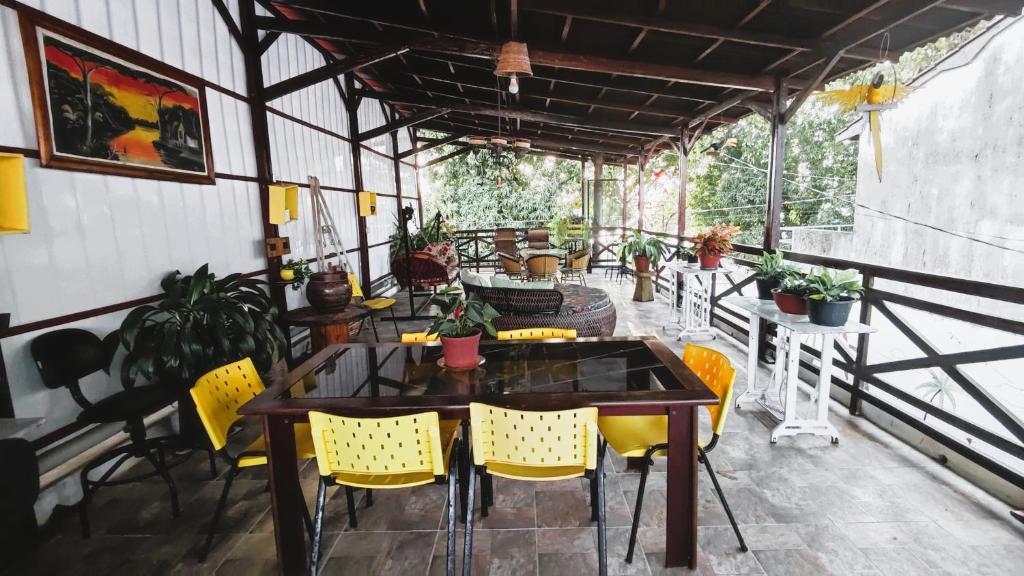
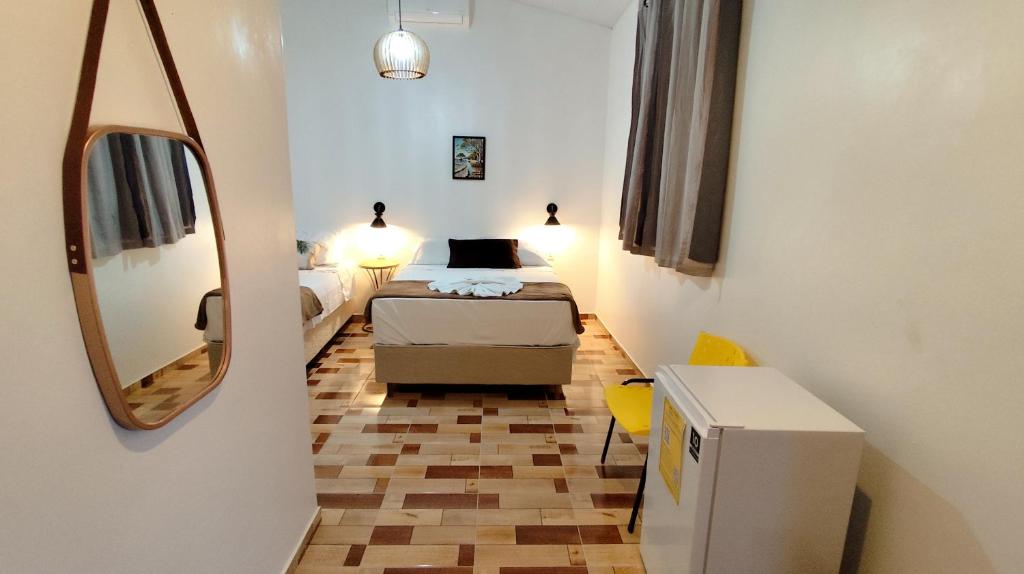
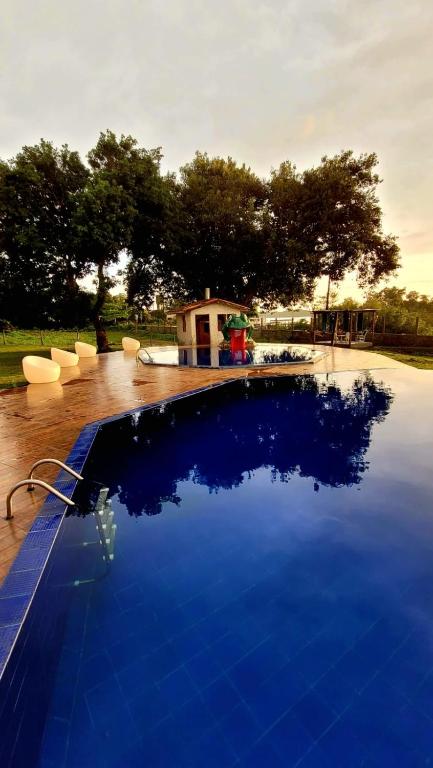
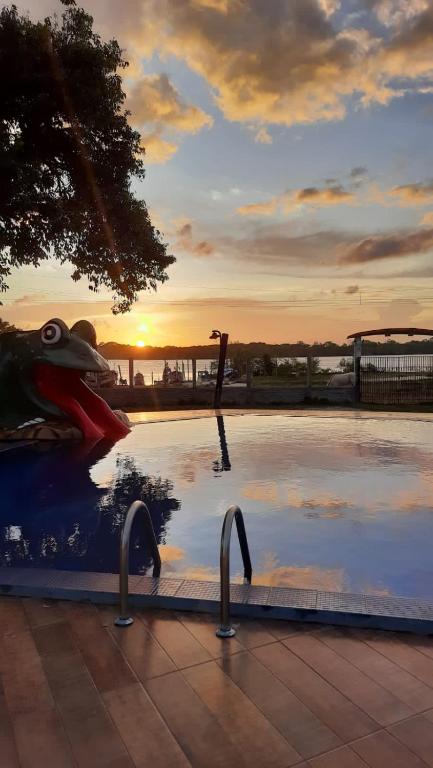
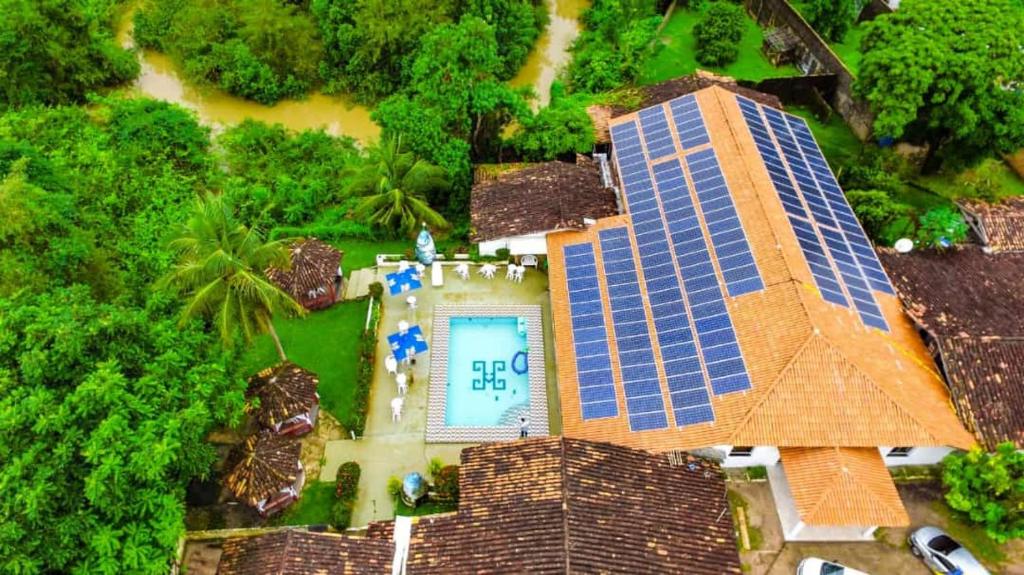
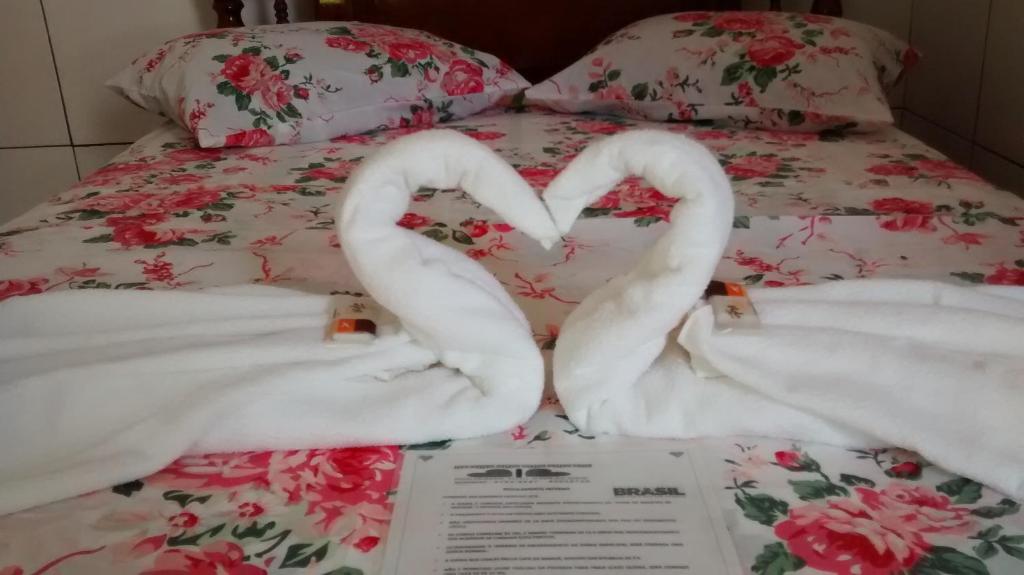
Air conditioning, a private bathroom and the real bed layout are more useful starting points than a generic family label. A pool and shaded outdoor space help with hot afternoons, but neither is standard at every inn. Some properties have a shared kitchen, while only selected studio categories have their own. Breakfast and daily housekeeping may be outside the standard offer. If steps or boat boarding would be difficult, discuss the whole journey with both the hotel and transport operator before booking.
Prices are set by the booking site. We may earn a small fee, at no cost to you.