Historic centre and town approaches
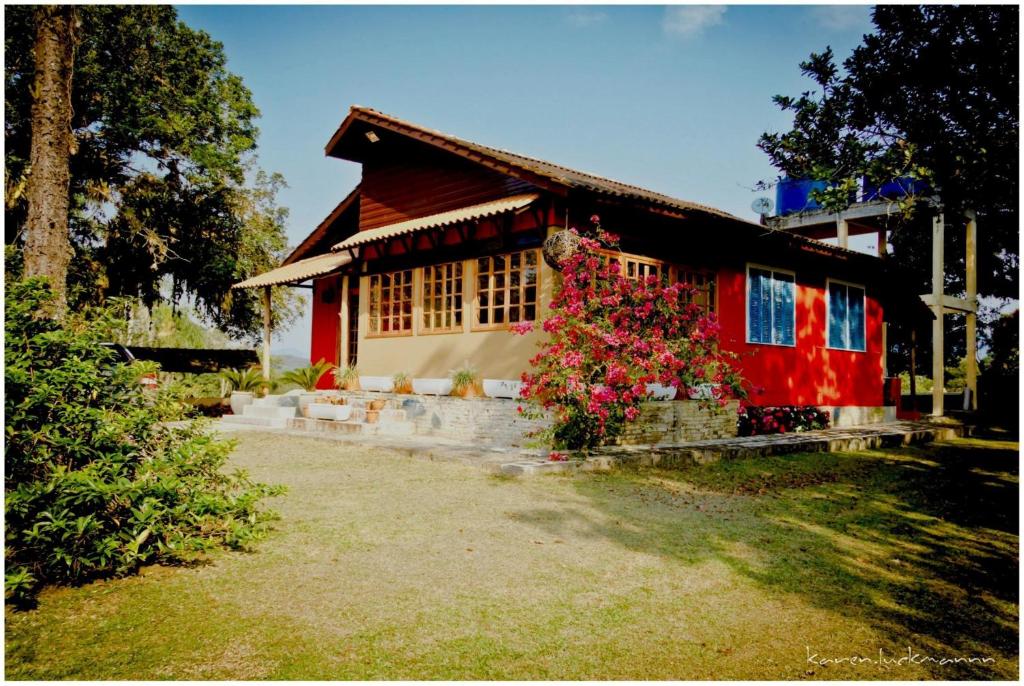
The riverfront and old streets are the straightforward choice for a first visit, with regional restaurants, small shops and the station on Rua Padre Saviniano as practical anchors. A historic house near the Nhundiaquara suits an evening stroll, while garden pousadas on the northern town streets offer more space with a longer walk back to the restaurant core.
Keep in mind: Check the actual address: being in Morretes does not mean being beside the station, and the northern approaches need a realistic luggage plan. Street-facing balconies can trade a view for traffic noise; older buildings also require a check of the room floor, stairs and bathroom route, and dinner opening hours should be confirmed.
Our pick here: Casa 1915 Pousada
Porto de Cima and the Itupava approach
This riverside village offers a different pace, with garden suites and small chalets around the Nhundiaquara and the approach towards Marumbi. It suits travellers who want to spend time at the lodging between an arranged river outing and a forest day, especially when a host can confirm pickup and the right meeting point.
Keep in mind: The village, Prainhas reception and the mountain station are separate places, so a Porto de Cima address is not a ticket to the trailhead. Ask where breakfast is served and when it starts, plan evening meals and the ride back from town, and treat river access as a condition-dependent outing rather than an automatic swimming facility.
Our pick here: Vila do Porto Pousada
Ponte Alta
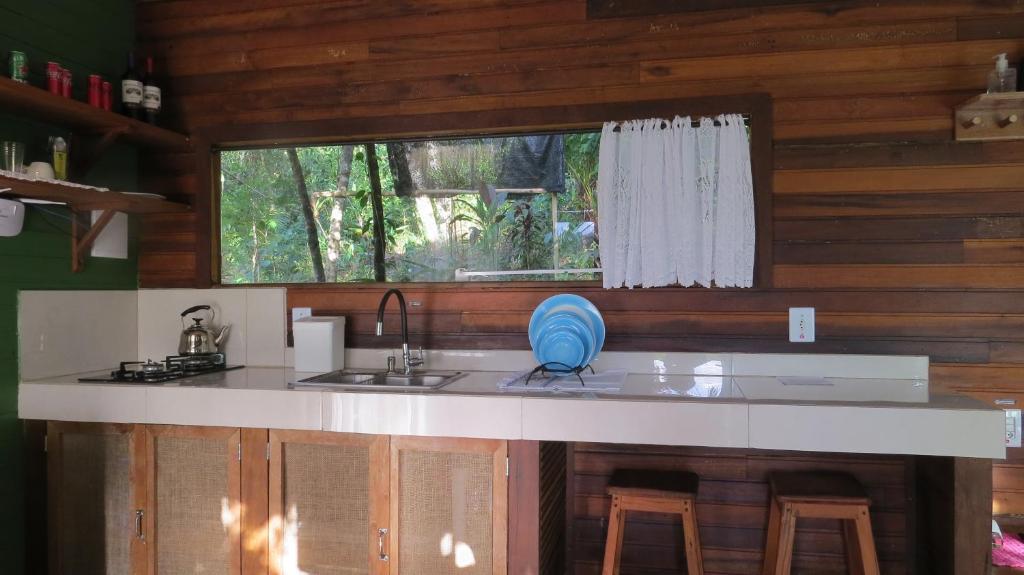
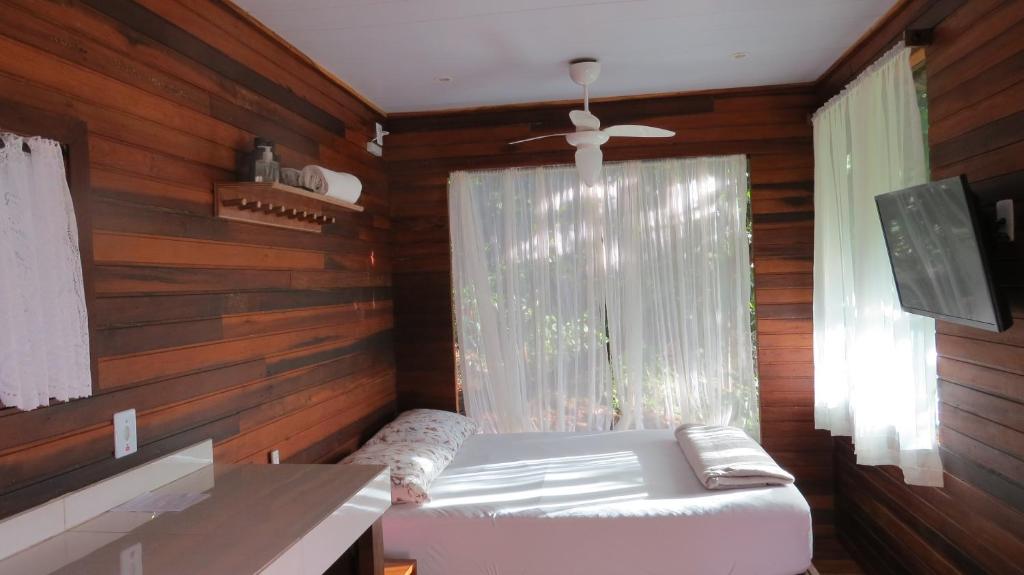
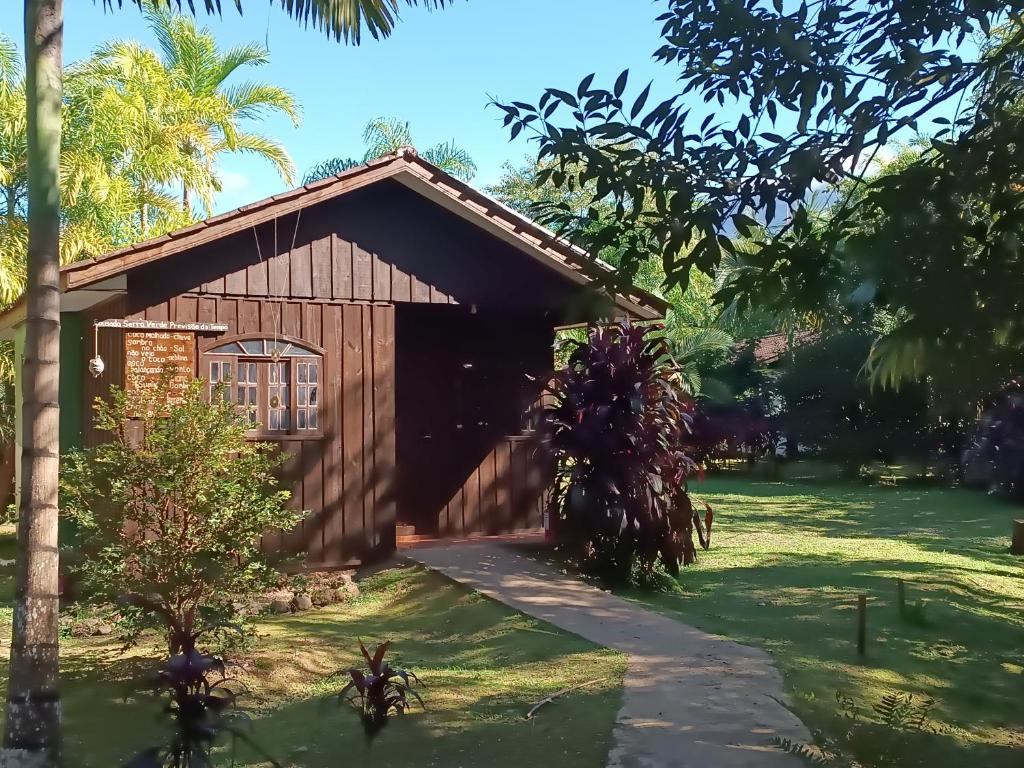
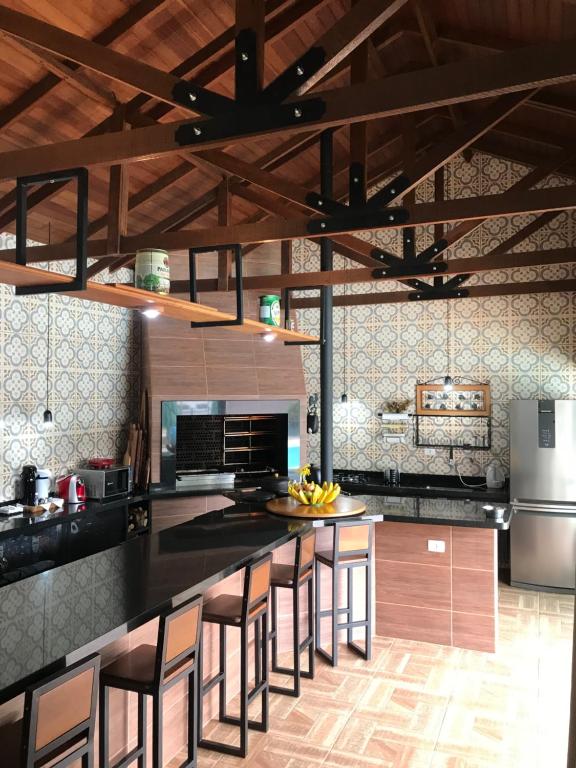
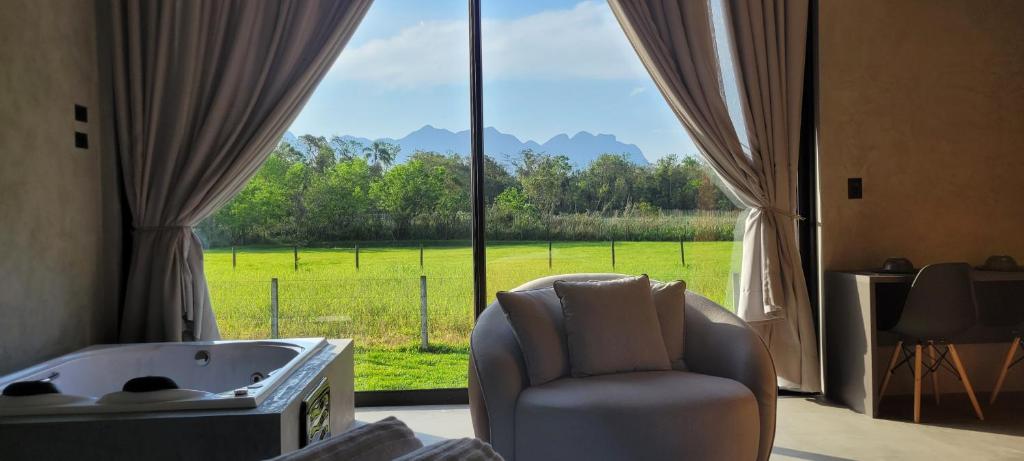
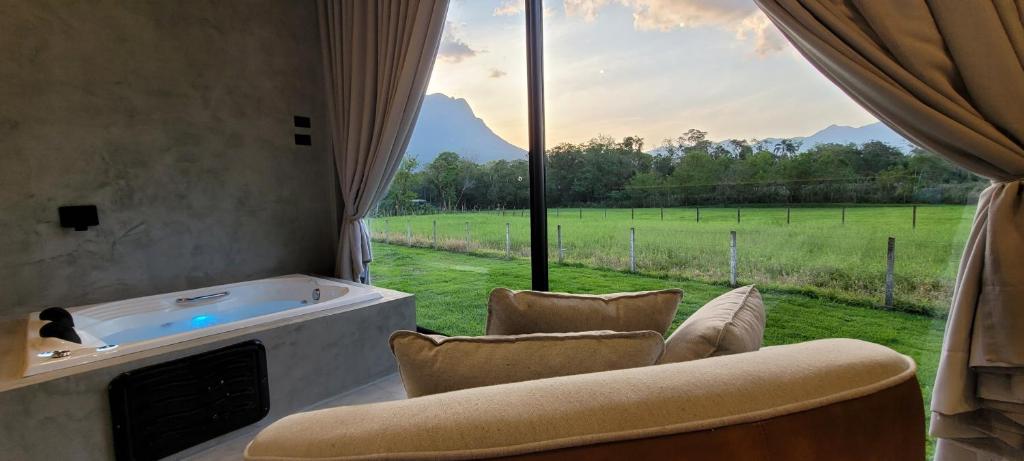
The Ponte Alta approach works for a quieter cabin stay with mountain-facing windows and cooking facilities, while keeping Morretes as the place to buy supplies and eat out. Choose it when resting at the accommodation is a meaningful part of the trip and you can arrange the journey to the centre or a guide's meeting point.
Keep in mind: Ask for the precise entrance, road surface and parking-to-room route before arriving after dark. A forest photograph does not establish a private trail, a large garden or reliable mobile reception; confirm the actual kitchen equipment, hot water, steps and youngest accepted guest rather than relying on a broad family-room label.
Our pick here: Refúgio da Mata
Anhaia and the Sarapiá countryside
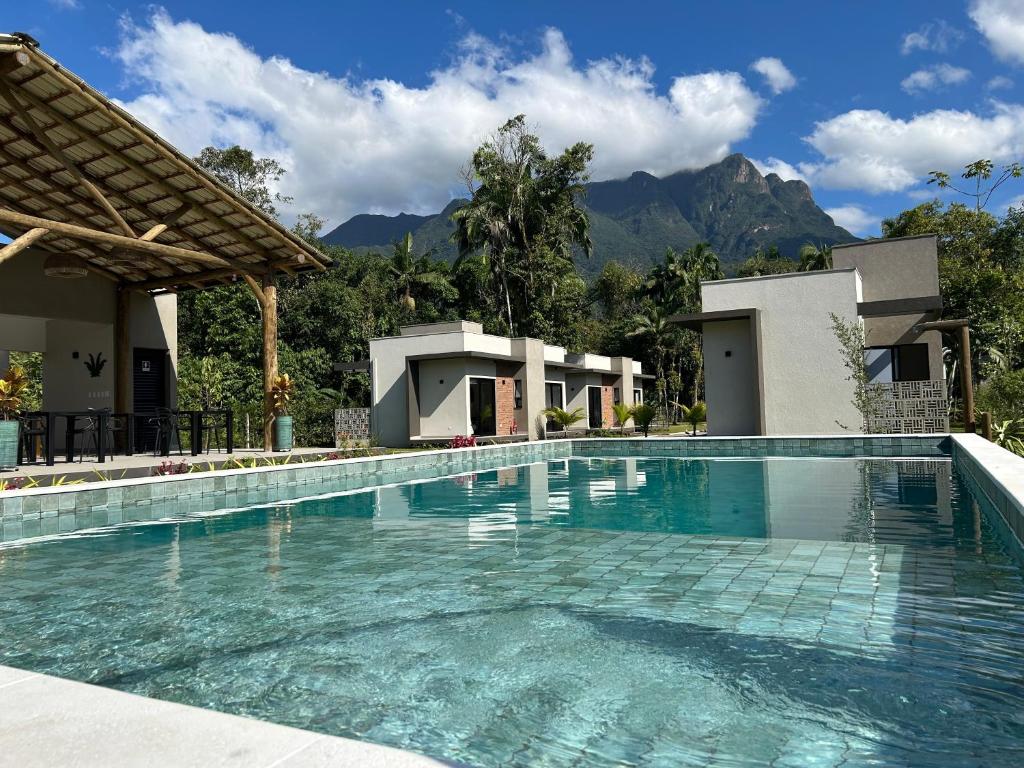
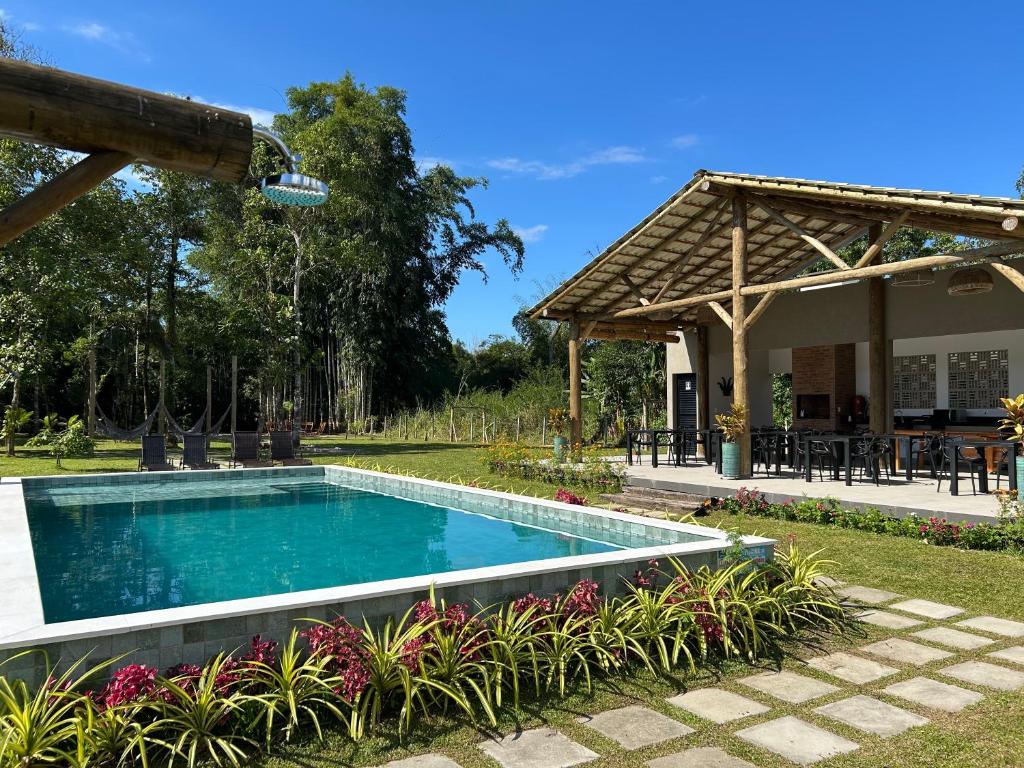
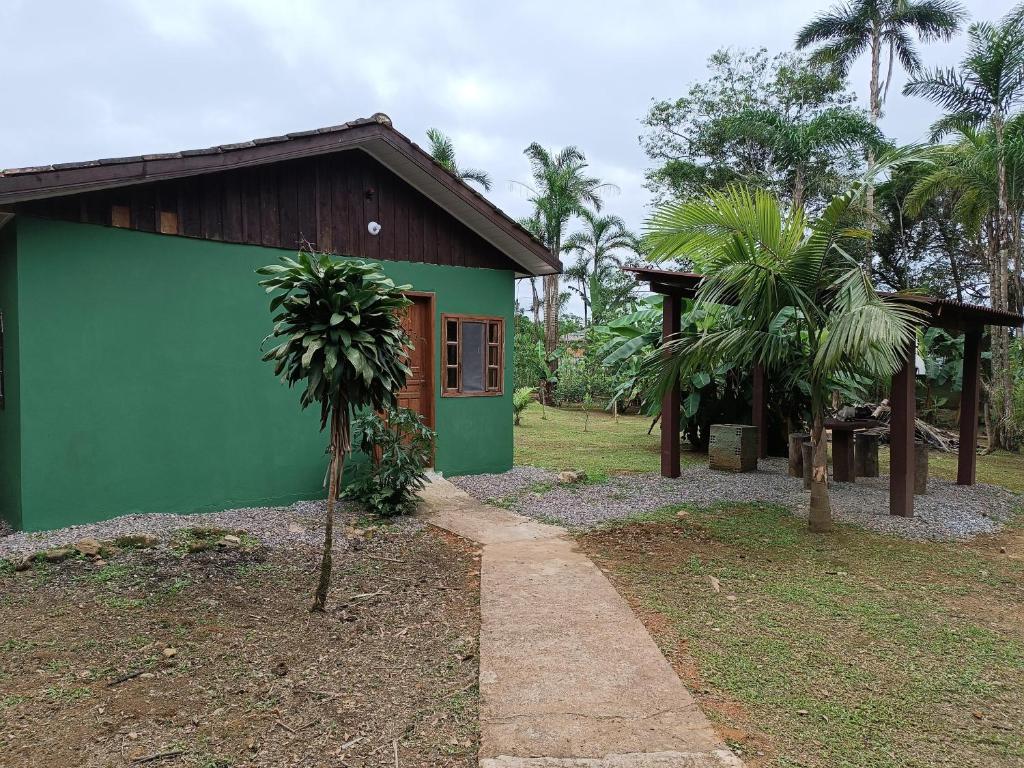
These southern rural approaches offer garden chalets and compact forest cabins, giving a stay more outdoor space or a closer relationship with the surrounding vegetation. Anhaia and Sarapiá are separate roads within the same wider countryside choice, so compare the real map pins and choose a property whose grounds and room layout suit the time you want to spend there.
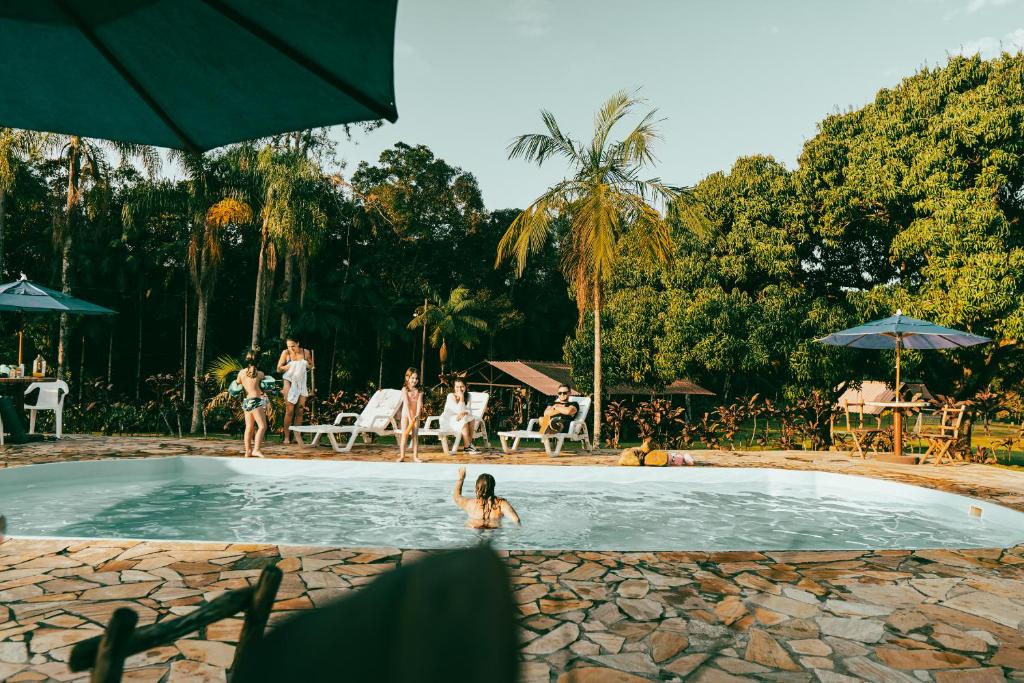
Keep in mind: Arrange groceries, dinner and any station pickup in advance, then follow the property's gate directions rather than a general municipal pin. A kitchenette can be very small, cooling may mean a fan rather than air conditioning, and a lodge with a pool has a different daily rhythm from a simple cabin without one.
Our pick here: Cabanas sítio Ancestral
América de Baixo
The wooded western approach suits a stay built around simple chalets, breakfast prepared by the hosts and time among the trees rather than frequent trips to the restaurant streets. It is a separate rural choice from Anhaia and Sarapiá, with room layouts and the walking route within the grounds worth comparing before choosing a family unit.
Keep in mind: Request the owner’s turn-by-turn directions before setting out, especially if arrival will be after dark, and confirm the unpaved final approach and parking-to-chalet distance. Arrange transport and groceries in advance, check whether the selected room actually has a kitchenette, and treat a nearby river as an outing whose conditions need checking.
Our pick here: Brisa da Mata Ecolodges