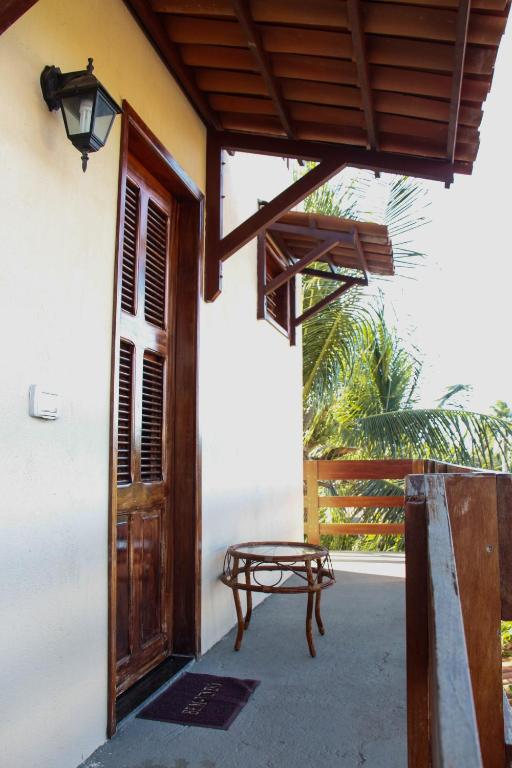
About Paracuru
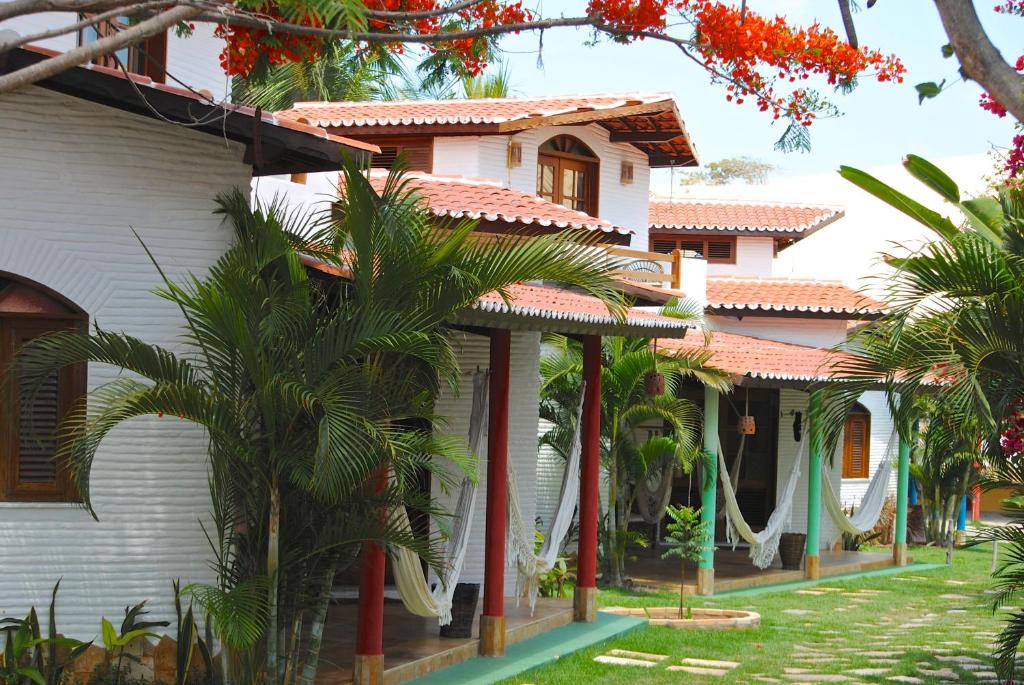
Paracuru works well when a beach holiday needs both ordinary town life and time on the water. Around the central beaches you can walk out for dinner, see the lighthouse square and return without organising every evening around a driver. A little farther inland, the Lagoa streets hide gardens and pools that suit longer stays.
The important distinction is Quebra-Mar: this is the kite spot, reached separately from your town accommodation, and its water changes with the tide.
Common questions
How many nights should I plan for Paracuru?
Three nights make a comfortable short coastal break, with time for the town beaches and an outing beyond the centre. For lessons or repeated kite sessions, we would allow five to seven nights so one difficult weather day does not define the trip. Leave some afternoons unplanned: the right time to ride depends on the tide as well as the wind.
How do I get here from Fortaleza Airport?
Use Fortaleza’s Pinto Martins Airport, then continue by road. Local accommodation can arrange a driver, and a prearranged transfer is particularly useful with board bags or a late arrival. Send the exact pousada address and the size of your luggage before agreeing the vehicle. Confirm collection and travel time for your flight; airport transport is not automatically included with the room.
Can I stay without hiring a car?
Yes, especially near the central beaches, where meals, shops and the square are close together. Treat Quebra-Mar as a separate journey: agree the outward and return rides, equipment space and collection point with your accommodation or school. A rental car is more useful for independent beach outings than for a centre-based evening routine; it does not give permission to choose your own route across dunes.
When is the best season for kitesurfing?
The IKO destination guide places the main windy season in July–December. Ceará’s principal rainy period is February–May, with March and April usually the wettest months. These are seasonal patterns, not a forecast for your week. Ask the school about conditions and teaching availability for your actual dates, particularly at the edges of the windy season.
Is Quebra-Mar suitable for beginners?
It can be, with an instructor who chooses the right conditions. Lower tide can produce flatter water, while higher water brings more waves; rocks and fishing corrals also make local knowledge important. Book an assessed lesson and ask where to launch, land and practise that day. Do not assume the beach nearest your hotel is suitable for kiting, or join a downwind trip beyond your independent riding ability.
What should families check before booking?
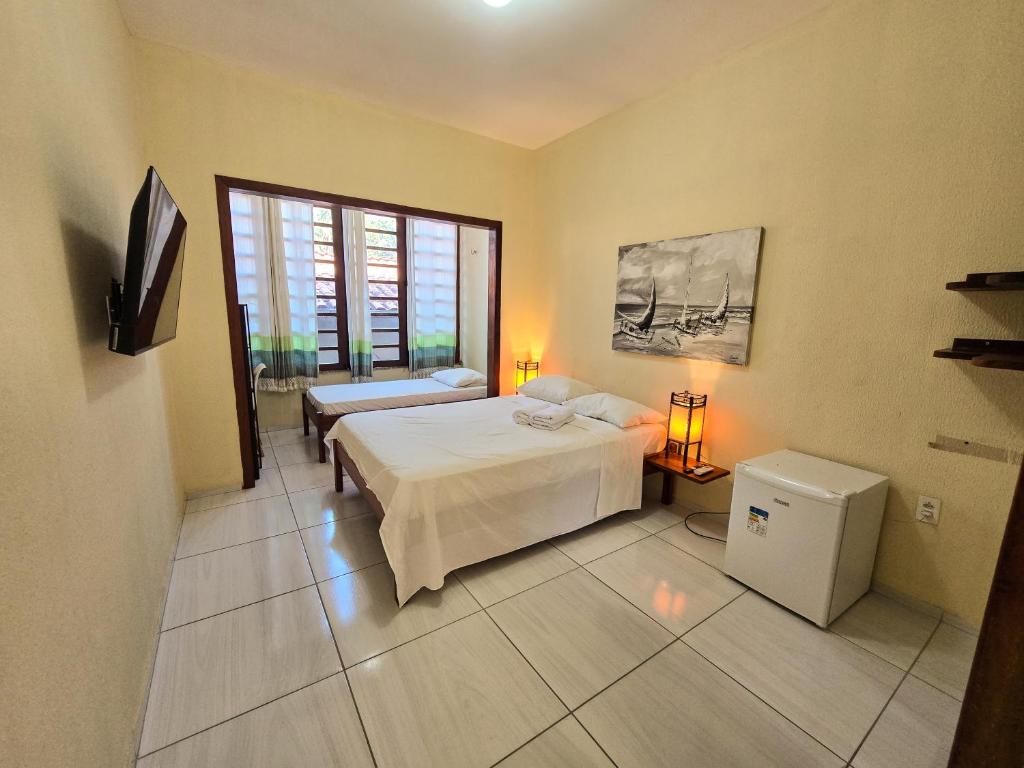
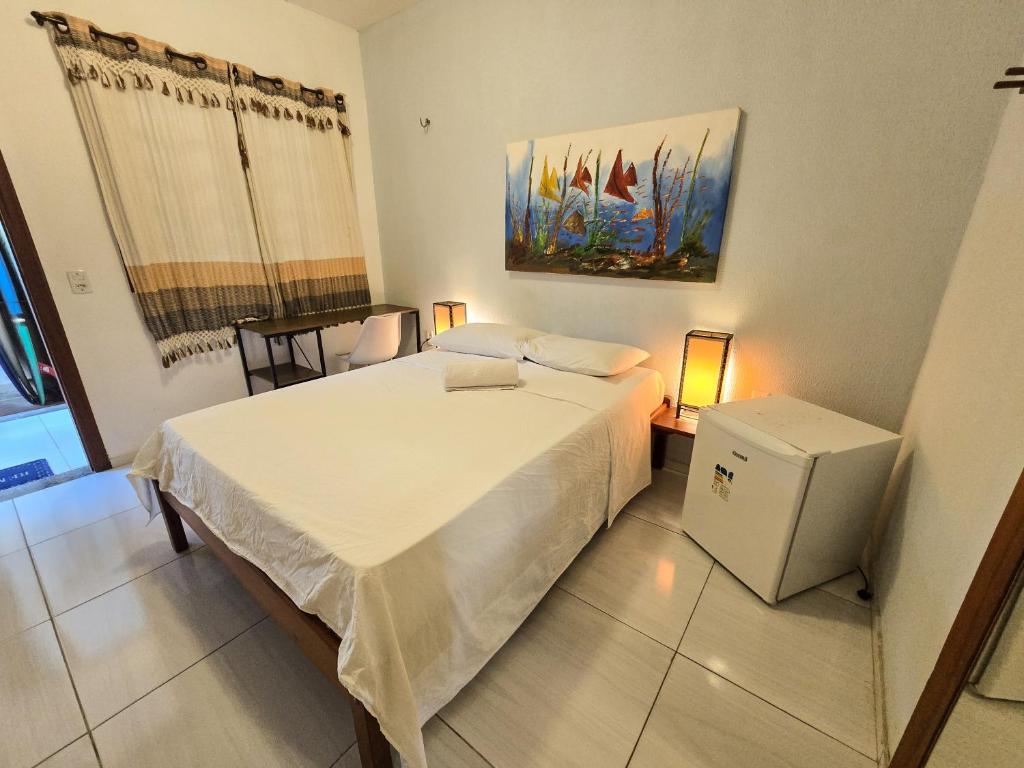
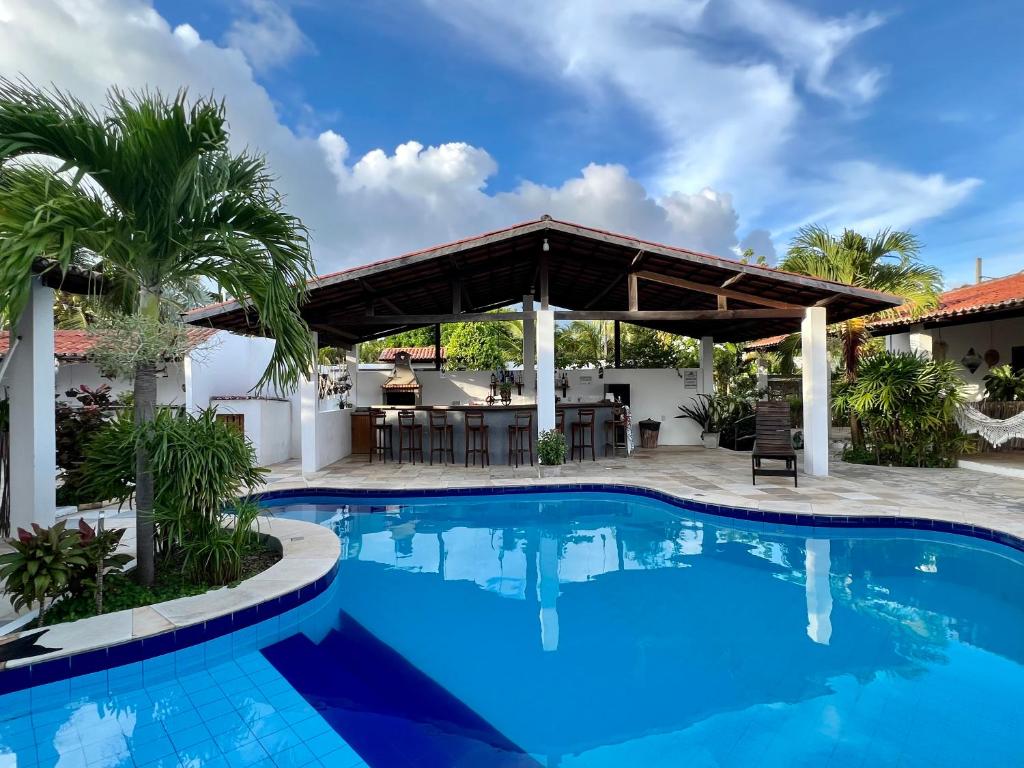
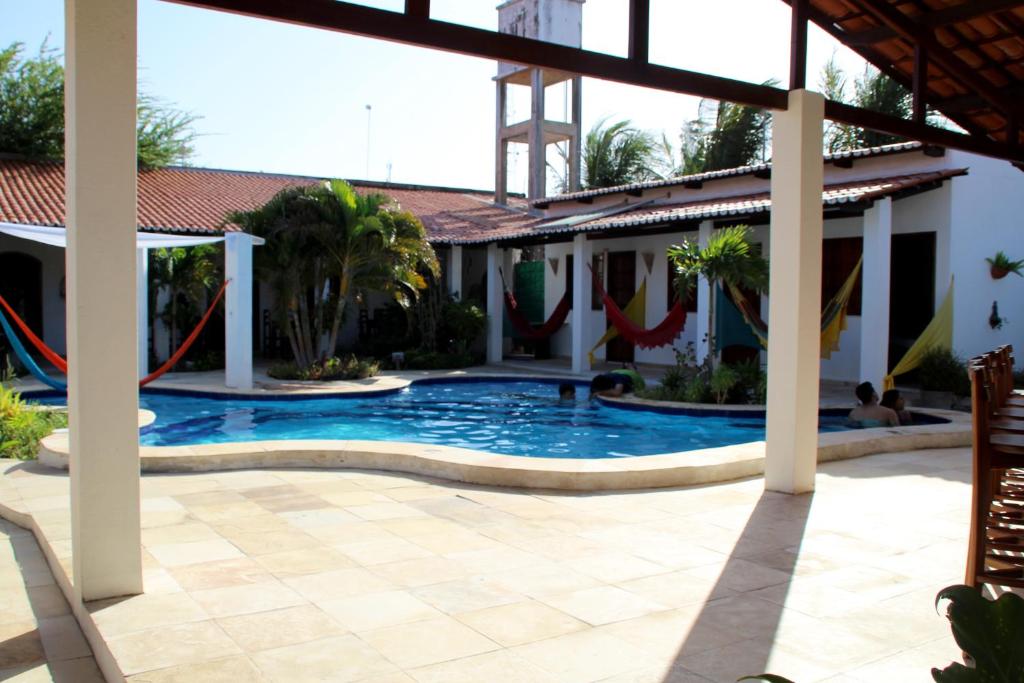
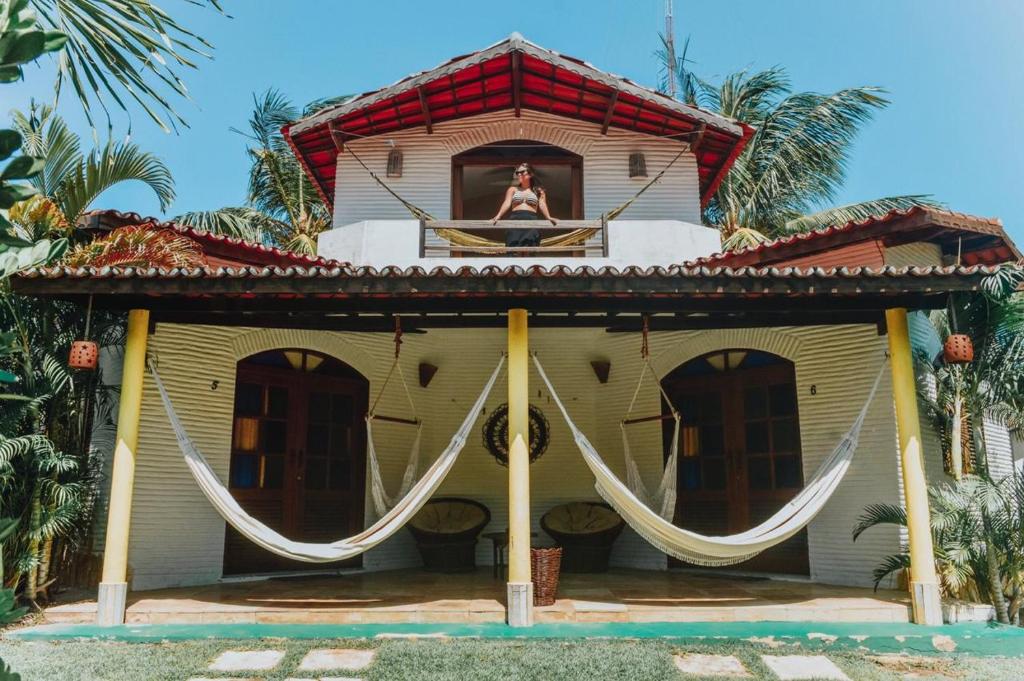
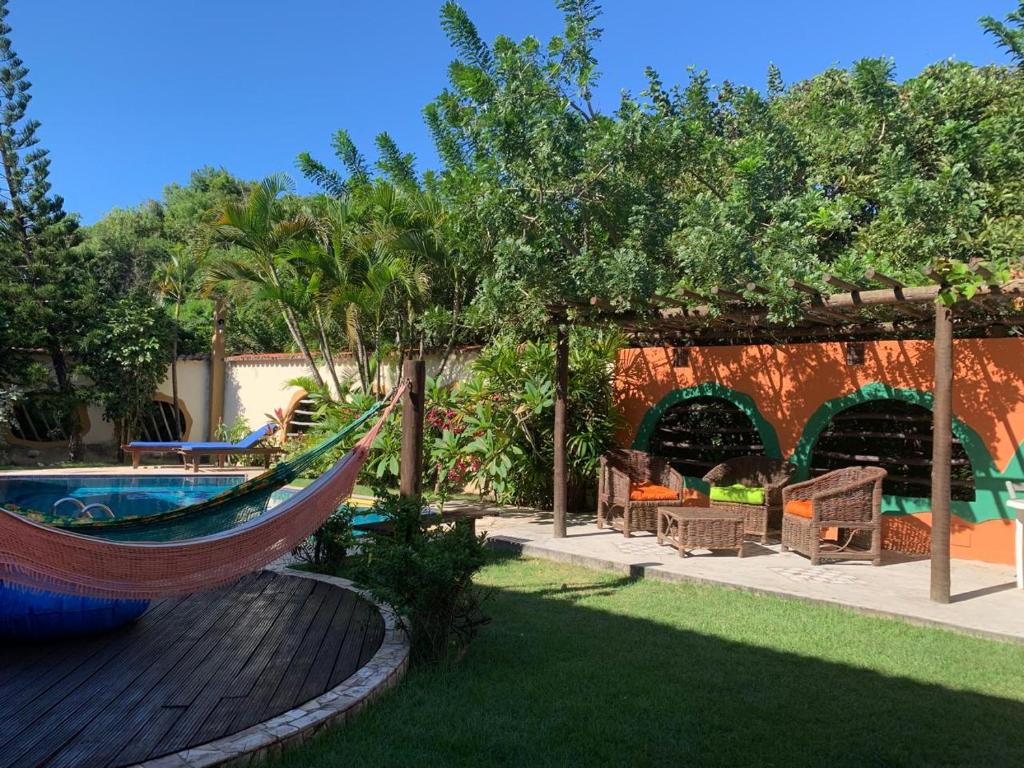
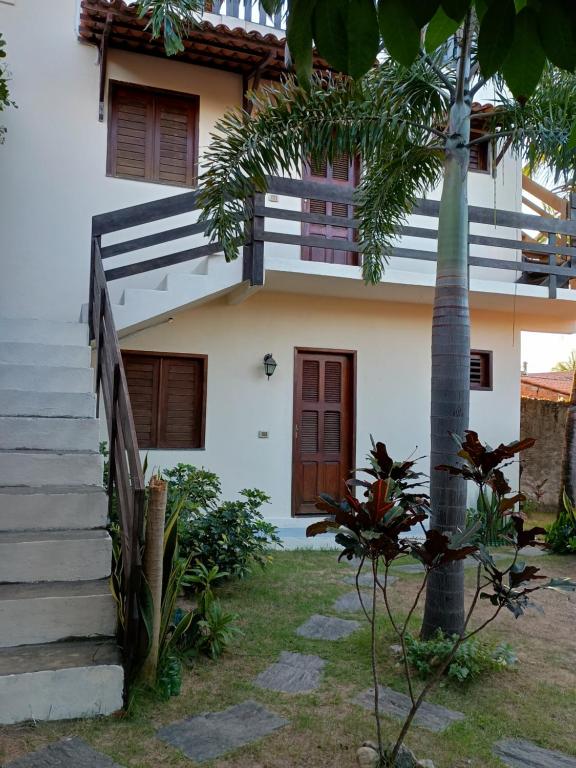
Start with the real bed arrangement, air conditioning, bathroom and route to meals. There are quadruple rooms and small garden properties with shared pools, but a pool photograph does not establish a shallow area or constant supervision. Some pools are seasonal, and breakfast may be upstairs. For a simple self-catering stay, confirm whether the kitchen is shared rather than private, and keep sea conditions separate from the choice of accommodation.
What can non-kitesurfers do?
Spend time around the lighthouse square and central beaches, visit Praia da Bica and its freshwater outlets, or plan Pedra Rachada’s rock pools around low tide. The dunes at Praia das Almas provide another landscape near town. These choices work well for a mixed group, but check the day’s sea and access conditions rather than treating every named beach as an equally easy swimming spot.
How should I arrange a dune outing?
The Paracuru dunes form a state environmental protection area, with fragile sand and vegetation and regulated activities. Use an operator familiar with the current routes and ask what the outing actually includes before setting off. Rain-fed lagoons are seasonal, so an image of full freshwater pools is not a promise for a dry-season kite trip. Keep to the agreed route and take your rubbish back.
Prices are set by the booking site. We may earn a small fee, at no cost to you.