About Piratuba
Piratuba is a small thermal town in Santa Catarina's Rio do Peixe valley, where a stay often revolves around warm pools, long meals and time together. The useful choice is between Balneário's hotel streets near the public thermal park and a country pousada on the Alto Gramado approach.
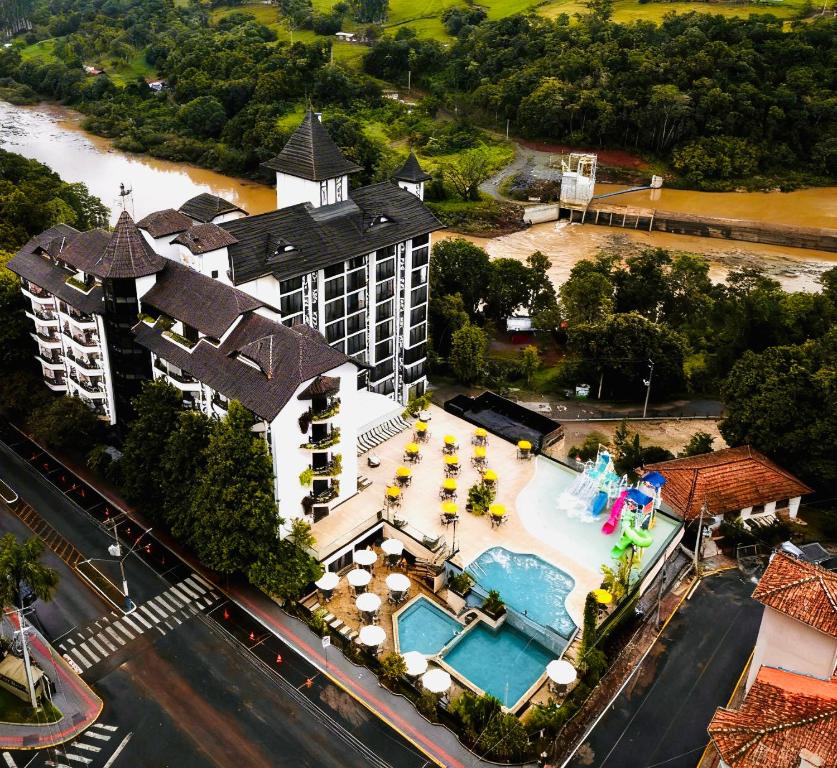
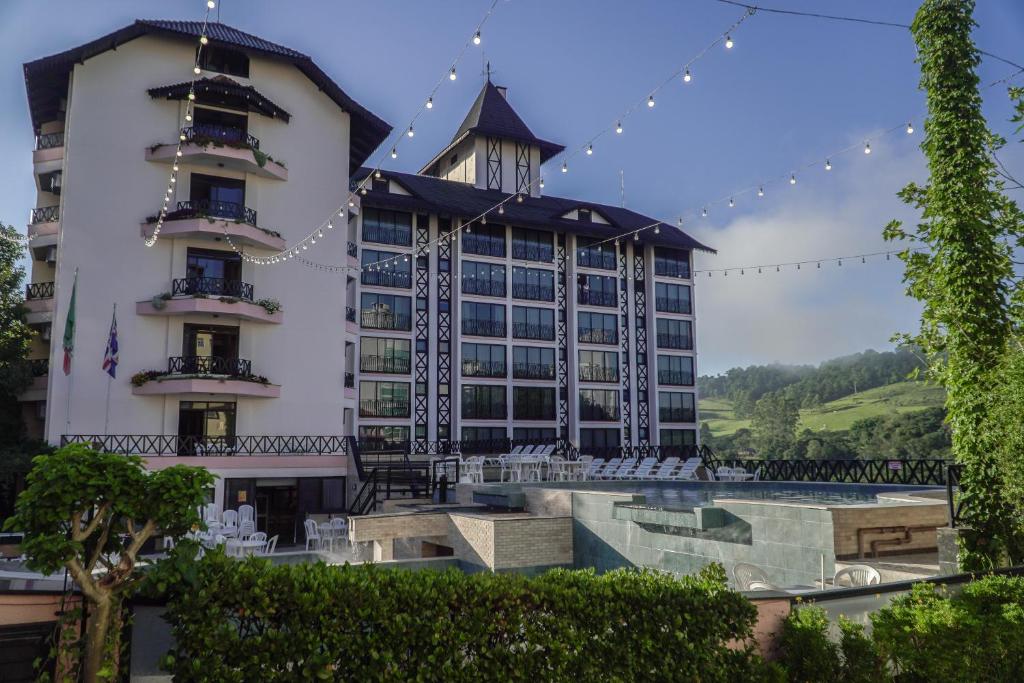
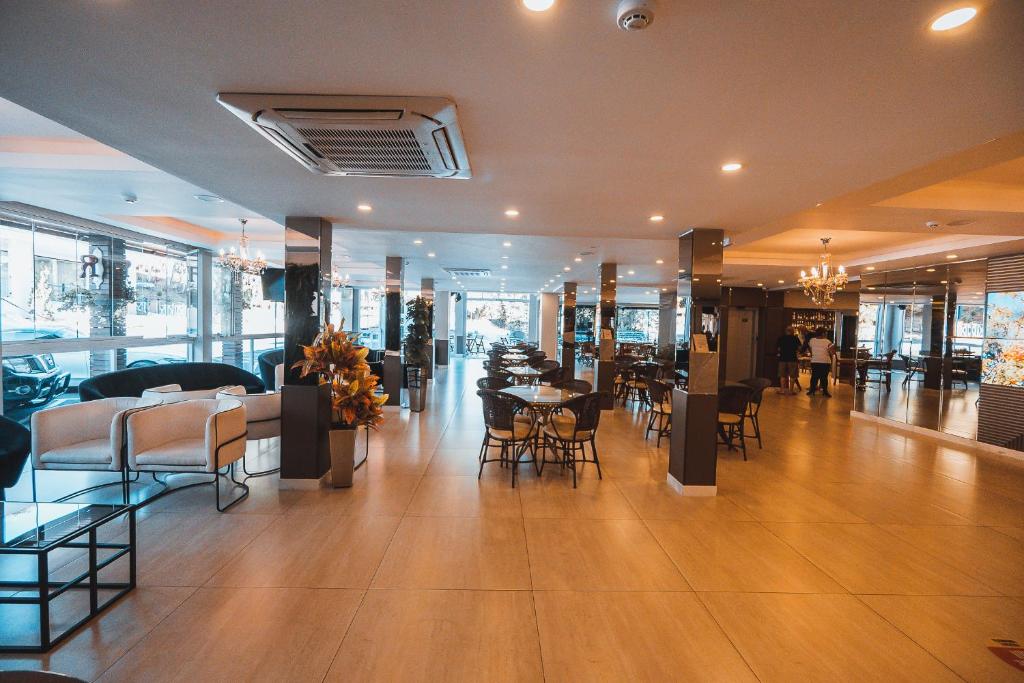
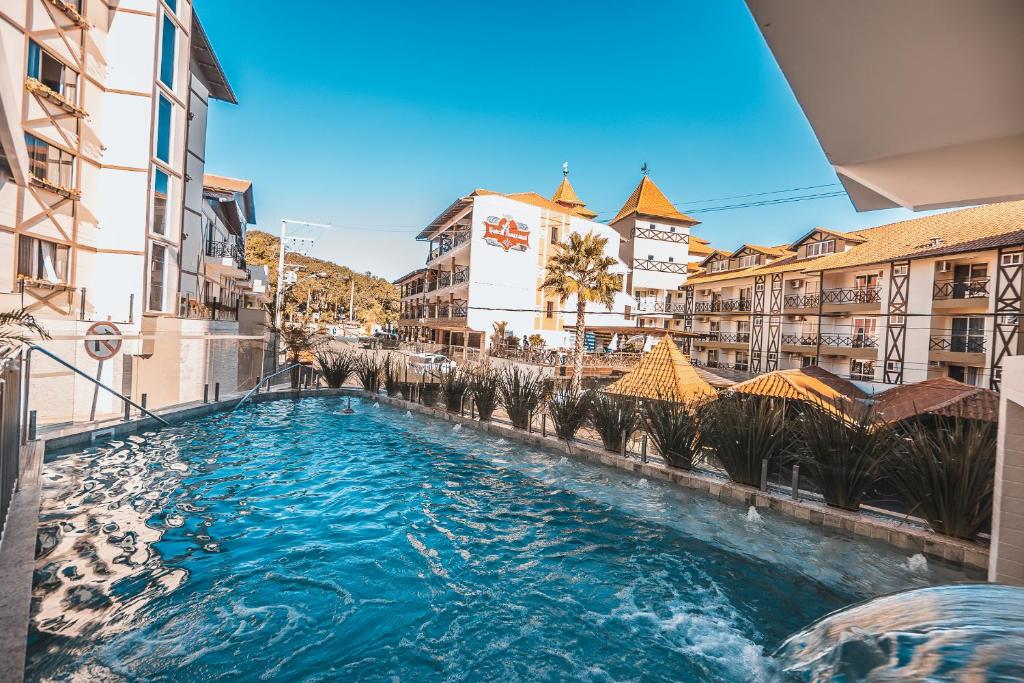
In the central hotel area, compare each property's own pools, room categories and meal programme before assuming that all thermal stays work alike. The older centre and heritage railway provide a separate outing. A rural address adds gardens and landscape, but needs a deliberate plan for transport and dinner.
Common questions
Which area is best for a first thermal stay?
Start with Balneário, also described as Bairro das Águas, if the public thermal park and hotel meals are the main reasons for visiting. Compare the precise hotel entrance, room layout and leisure programme rather than assuming every nearby hotel offers the same experience. Alto Gramado is a different choice for gardens and a country setting, with road transport and dinner arranged. Treat the historic centre as a separate outing, and choose the sleeping base around your daily pool plans and the journey home after an evening out.
How do I arrive from Chapecó or by road?
Chapecó's Serafim Enoss Bertaso airport is a regional arrival option to compare with the flights available for your dates, followed by a substantial road transfer or a rental car. Confirm the full journey to your chosen property, not just to Piratuba. The state road network connects the area through SC-150 and SC-390 and the wider Concórdia and Joaçaba approaches. If taking an intercity coach, check the actual operator, terminal and final transfer; no direct airport coach should be assumed.
Can I stay in Piratuba without a car?
A hotel near the thermal-park entrance can work well without daily driving, particularly when your chosen meal plan covers the meals you want. Check the real walking route and any slope, road crossing or steps before choosing a room for easy access. Arrange your regional arrival and any train-station transfer in advance. The station at Avenida Dezoito de Fevereiro 803 and the park at number 2455 are different points on the same long street; the street name alone does not establish a short walk. Country stays need separate transport.
What does a thermal-park ticket cover, and are hotel pools the same?
The public operator describes two complexes with covered and open-air pools and natural thermal water around 38°C. Its admission page says a ticket is valid on the day of purchase and covers the park pools, while some pools are drained earlier; confirm the date, open facilities and re-entry conditions before paying. Hotel pools, room whirlpools and meal plans are separate arrangements, and a heated pool does not automatically use thermal spring water. Ask whether your exact hotel package includes public admission rather than assuming it does.
When should I visit, and how useful are covered pools?
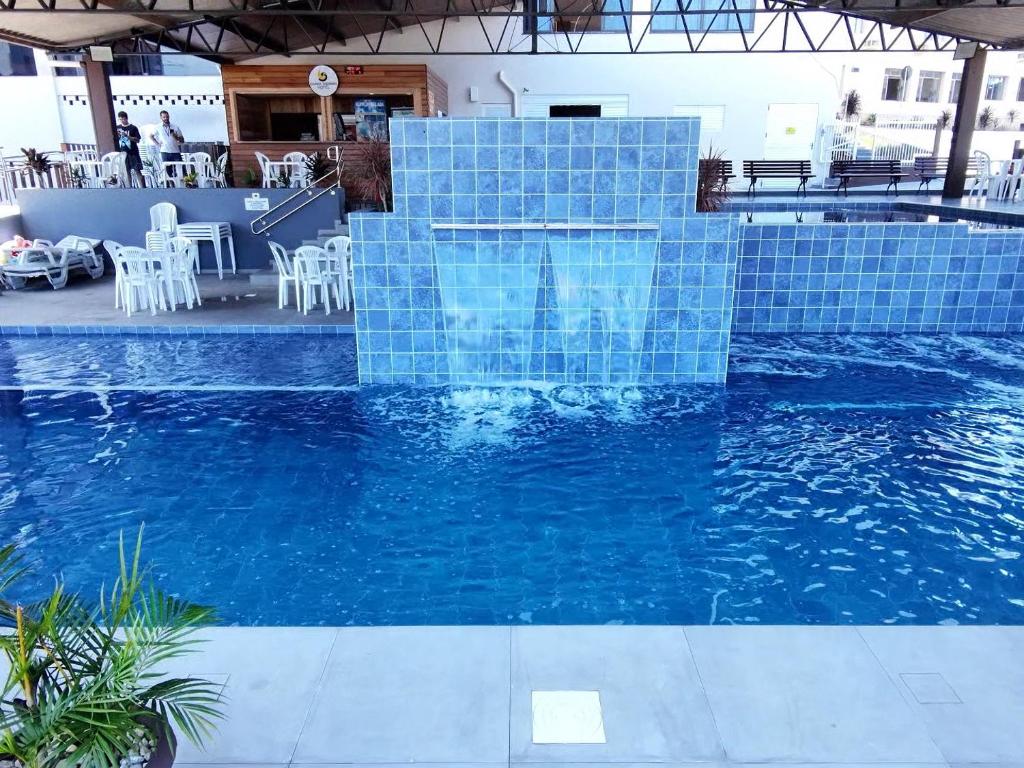
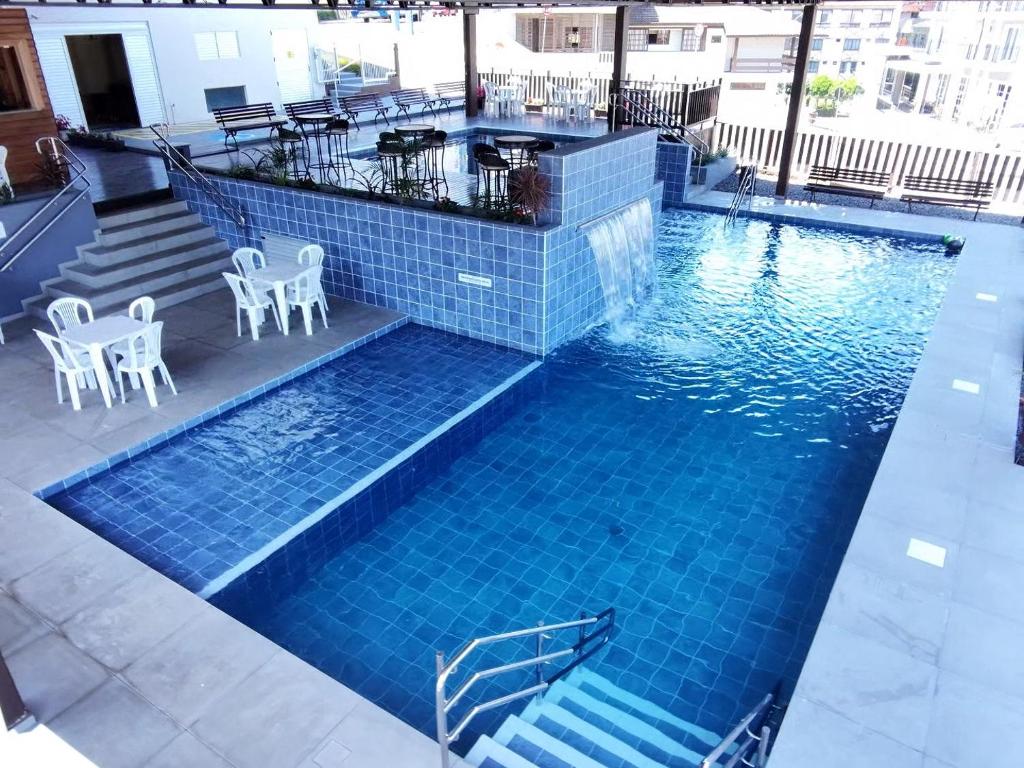
December to February is warmer, while June to August is cooler. Rain falls throughout the year: October is the wettest month in the local averages and August comparatively less wet, but neither is a weather guarantee. Covered pools can make plans more flexible, and a warm layer helps after an evening swim in cooler months. Check whether the chosen hotel's pool is heated, covered and currently operating; a roof over a pool can still leave its sides open to the air.
Does the heritage train run, and how should I plan a trip?
Trem das Termas is a bookable heritage excursion operated through ABPF, with a current departure calendar linked from its official website. The route runs about 25 km from Piratuba along the former Contestado railway, following the Rio do Peixe and crossing the Rio Uruguai bridge to Marcelino Ramos in Rio Grande do Sul. Choose an actual available date before fixing a short hotel stay, then confirm boarding, return arrangements and any assistance needed. It is an excursion on selected dates, not a regular public-transport arrival service.
What can I visit beyond the pools?
The older centre has Casa da Memória, with objects, photographs and furniture connected to local history; confirm current access before going. Casa Colonial sells rural products, while Casa do Artesanato is a separate craft stop beside the thermal-park ticket office. Hotels and agencies can help arrange a jardineira sightseeing vehicle to the station, church and other town sites, subject to an actual departure. Treat surrounding towns as separate excursions, and use current local advice for waterside outings rather than older photographs of the river landscape.
What should families and travellers needing easy access check?
Confirm the exact beds and room capacity, the age accepted for children's activities and any adult-only suite restriction before booking. The public park advertises ramps, adapted toilets and lifts, but ask about the complete route and how you enter the pool rather than assuming every transfer is independently accessible. At a hotel, check the path from parking to room, dining room and pools, including any annex street crossing. A private whirlpool belongs only to the stated room category, and it is not a substitute for checking access.
How many nights make sense, and which hotel details matter most?
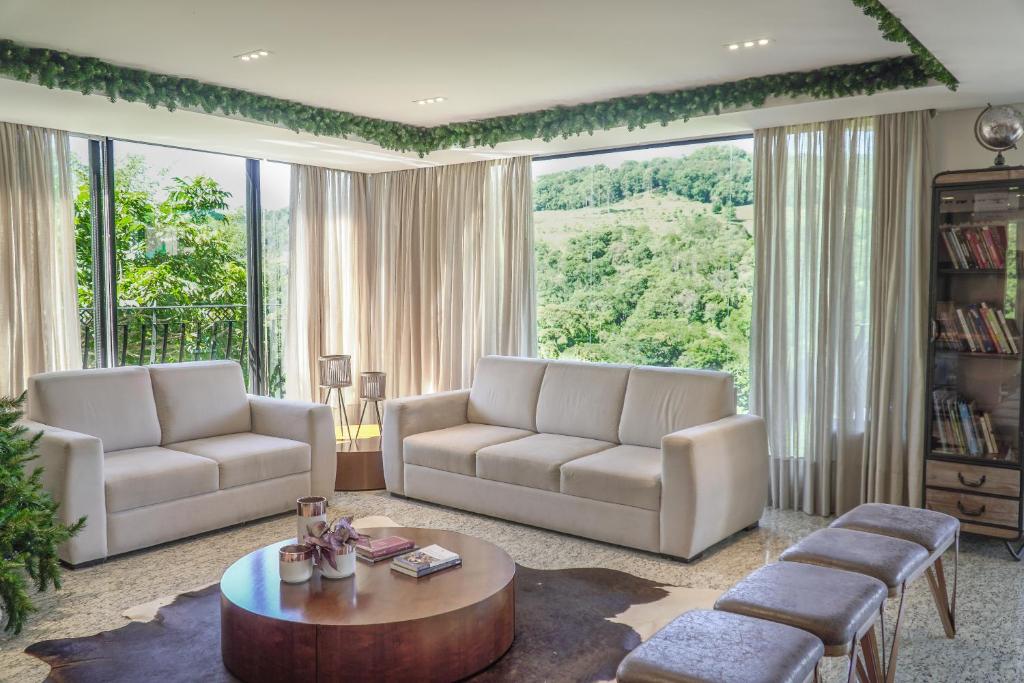
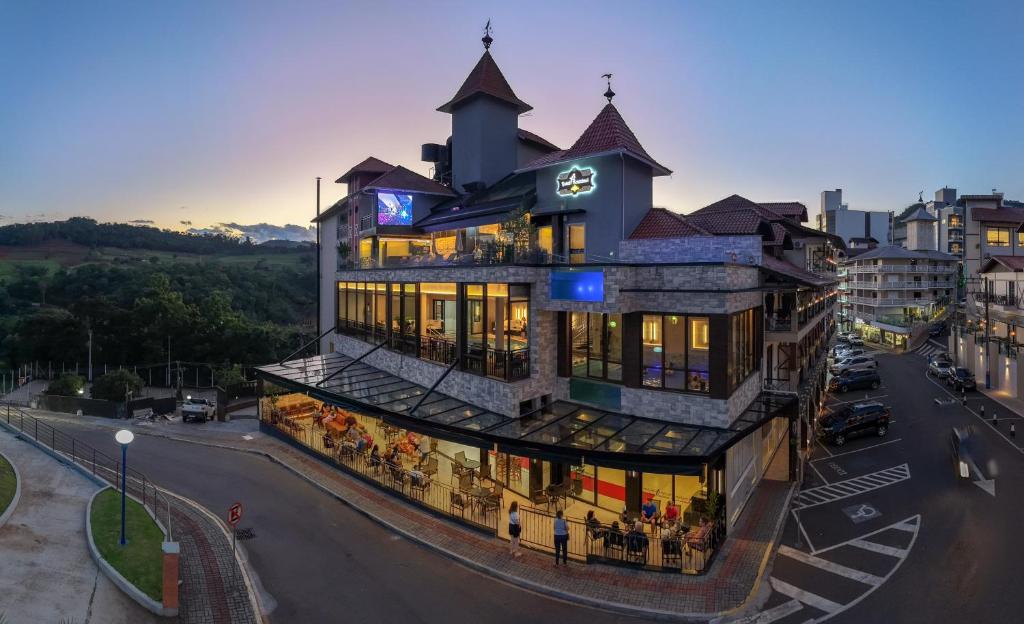
Two or three nights is a useful starting point for thermal time plus a historic-centre or train outing; allow longer if the hotel's own programme is the attraction. Confirm whether the booked plan includes breakfast only or other meals, and ask separately about drinks, robes, pool access and public-park admission. Choose room position with evening music and sleep in mind, and confirm parking or your arrival transfer. For a country stay, settle dinner and current works before relying on the property's facilities all day.
Prices are set by the booking site. We may earn a small fee, at no cost to you.