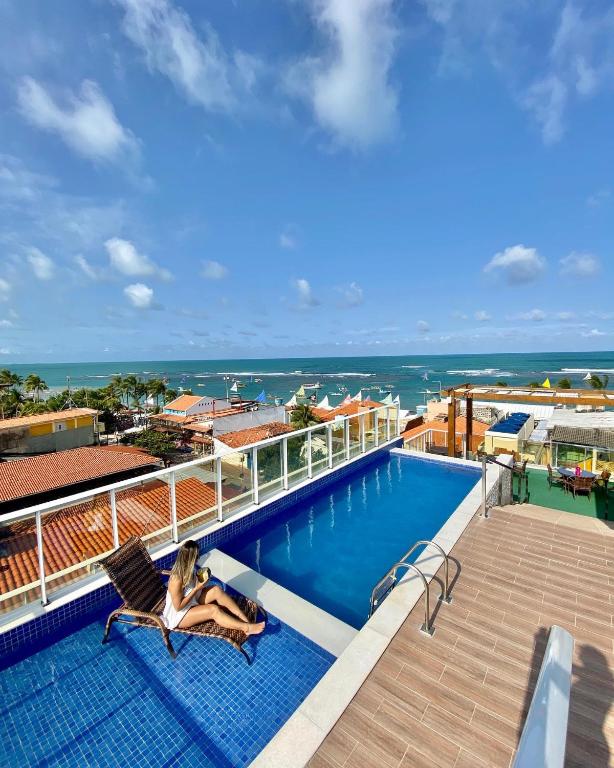
About Porto de Galinhas
Porto de Galinhas is a beach village south of Recife, but choosing a stay means looking along a much longer stretch of coast. The centre puts restaurants and natural-pool boat departures close together.
Northwards, Merepe and Cupe offer beachfront resorts before the reef-fringed water of Muro Alto; southwards, Maracaípe combines surf with smaller stays and trips to the river mouth. Choose the actual beach, room category and meal plan before choosing a hotel photograph.
Several nights give you room to follow the tide, enjoy the pool and explore a different shore without turning every day into a transfer.
Common questions
Where should I stay on a first visit to Porto de Galinhas?
Choose the village if you want restaurants and natural-pool departures close together without arranging a car for each outing. Cupe and Muro Alto suit a holiday built around resort facilities, while Maracaípe offers smaller southern stays and surf scenery. Compare the exact address and beach conditions, because a Porto de Galinhas label covers all these different settings.
How do I get from Recife airport to my accommodation?
Recife’s airport, REC, is the usual arrival point. The central village is roughly 60 kilometres south, and allowing about one to one and a half hours by road is a useful planning estimate, with extra time for traffic and the final hotel approach. Send the driver the exact property address; Muro Alto and Maracaípe are different drop-offs along the coast.
Can I take a bus and stay without a car?
Grande Recife lists routes 191 and 195 to Porto de Galinhas at the Cais de Santa Rita terminal in Recife. Confirm the current departure, route and any airport boarding point with Grande Recife or São Judas Tadeu before travelling. A village stay can work without a rental car, but northern resorts and southern properties may need a separate final transfer and arranged evening returns.
How many nights should I allow?
Four or five nights is a useful starting point for a tide-dependent reef outing, a slower pool day and a separate visit to Maracaípe or the Pontal. Add time if family activities or a resort stay are the main purpose of the trip. Keep the airport day flexible rather than squeezing a distant beach excursion against a fixed flight.
When is the weather generally wetter or drier?
Ipojuca’s long-term averages show a wetter period from April to August, with May to July especially rainy and June usually the peak. October to December are substantially drier, while January and February also tend to be drier than the middle of the year. These patterns help with planning but do not guarantee sunshine, clear reef water or suitable swimming on a particular day.
How should I plan a visit to the natural pools?
Check the tide table for your actual dates and arrange an accredited jangada outing with the local cooperative around low tide. The useful time changes daily, so it is not automatically a morning activity. Follow the guide’s route, avoid stepping on coral or feeding fish, and keep another activity available if conditions prevent the reef visit.
Which beach and hotel choices work best for families?
Muro Alto’s reef provides more shelter, while Cupe includes open-ocean stretches with rip currents and Maracaípe is known for surf. Choose the actual frontage and pool facilities, follow local flags and advice, and check CPRH’s latest bathing report for the relevant monitoring point. Also confirm minimum guest ages, room capacity and children’s facilities; an attractive sea view does not answer those questions.
Should I book resort meals or eat in the village?
Staying centrally makes it easier to try different restaurants without a transfer each evening. At a northern resort, compare breakfast-only, half-board, full-board and all-inclusive arrangements against the outings you plan. Check drinks, speciality-restaurant reservations and any minimum-stay conditions individually; a resort label does not mean every meal or venue is included.
What is the difference between Maracaípe beach and the Pontal?
Maracaípe’s ocean beach is associated with waves and surfing, while the Pontal is the river-mouth area with mangroves, guided jangada trips and sunset outings. Seahorses may be observed on suitable guided visits, but sightings should not be promised or wildlife disturbed. Plan the return journey before leaving, and do not assume the river mouth has the same conditions as a sheltered hotel pool.
Prices are set by the booking site. We may earn a small fee, at no cost to you.