Pelourinho and Rua Chile
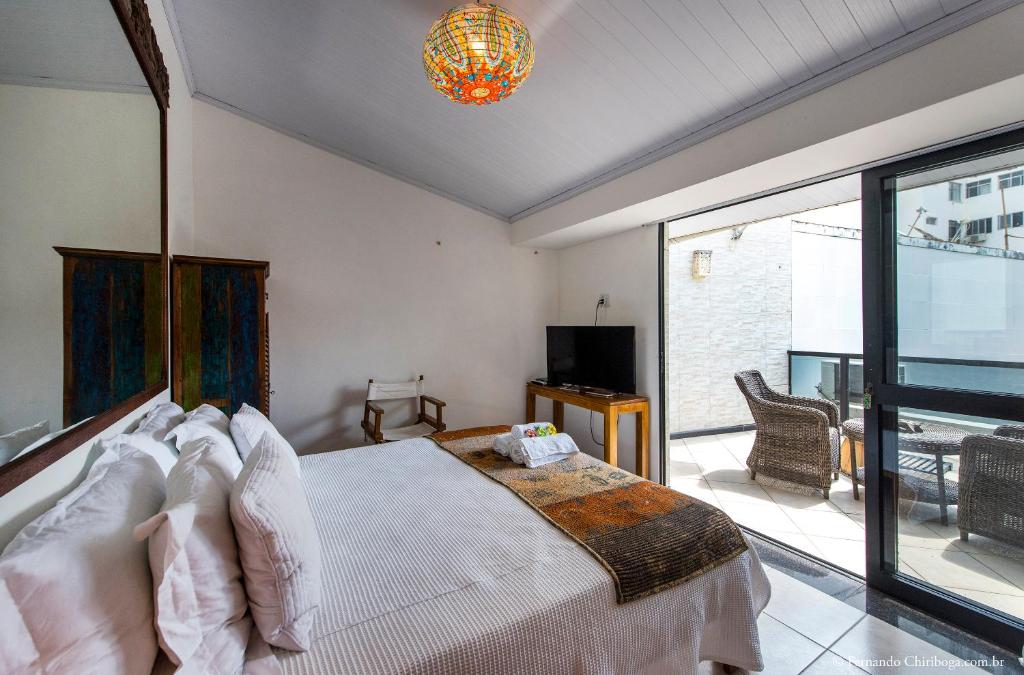
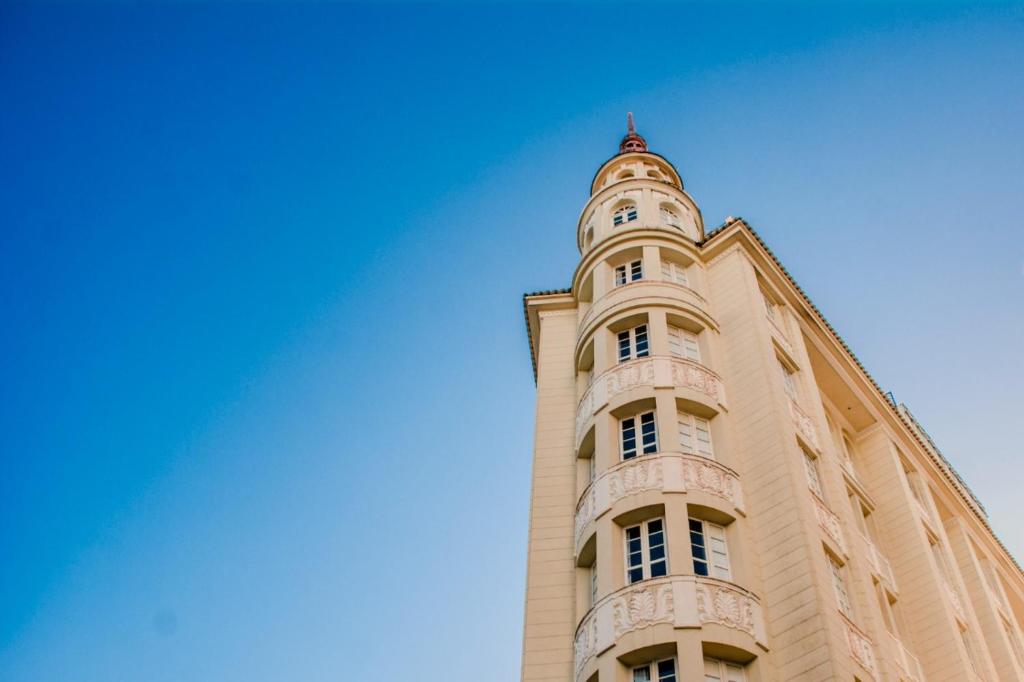
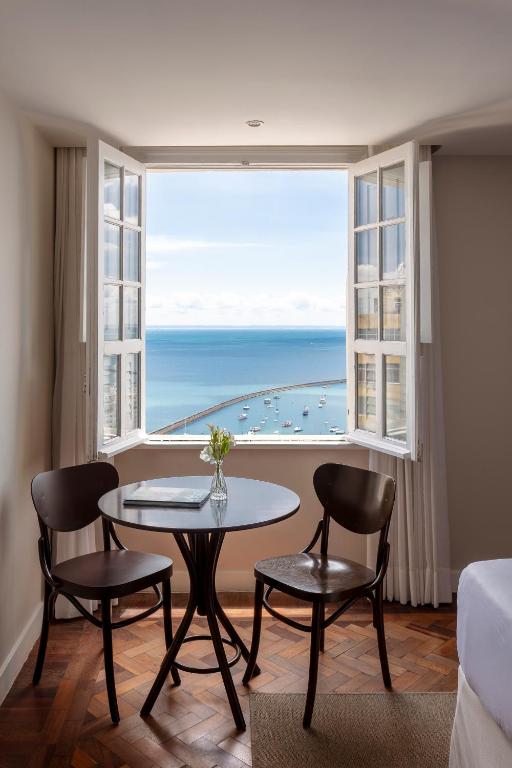
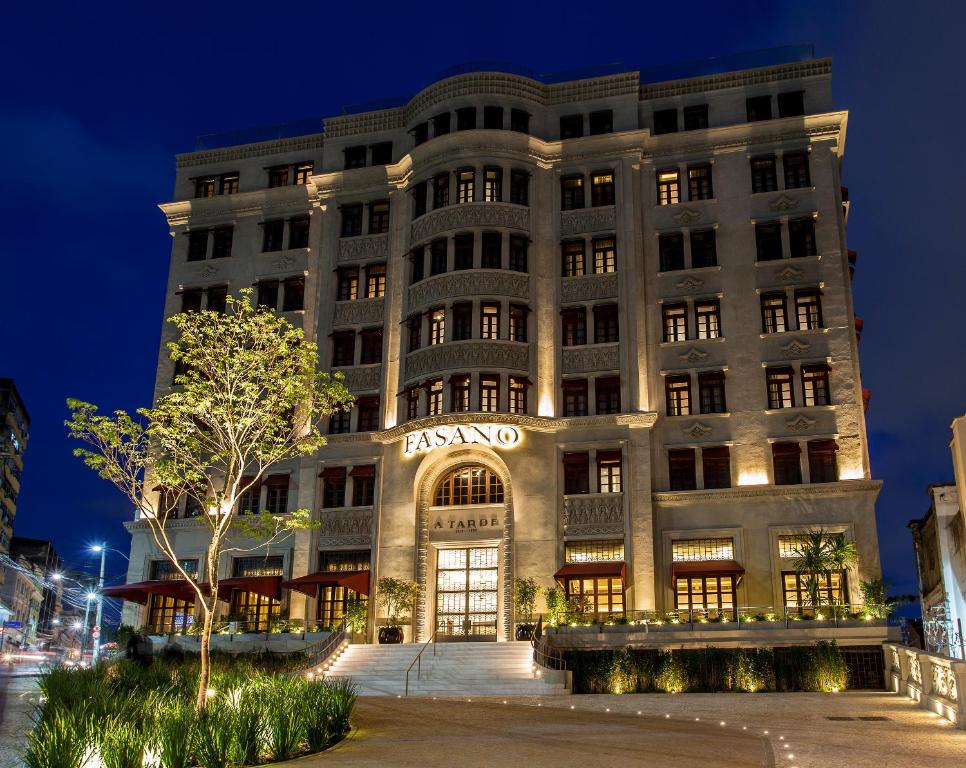
Choose the upper historic city for mornings around Terreiro de Jesus, the churches near Largo do Cruzeiro de São Francisco and the streets leading towards Carmo. Pelourinho has intimate converted houses; Rua Chile adds larger heritage hotels overlooking the bay. This base pays off when you want breaks between museums, churches and squares instead of returning across the city.
Keep in mind: The historic centre and Comércio occupy different levels: Lacerda lift and the inclined railways connect them. Some streets restrict vehicles, so agree the actual luggage drop-off with your hotel. A room facing an active square needs a different noise tolerance from an inward-facing room.
Our pick here: Hotel Casa do Amarelindo
Santo Antônio Além do Carmo
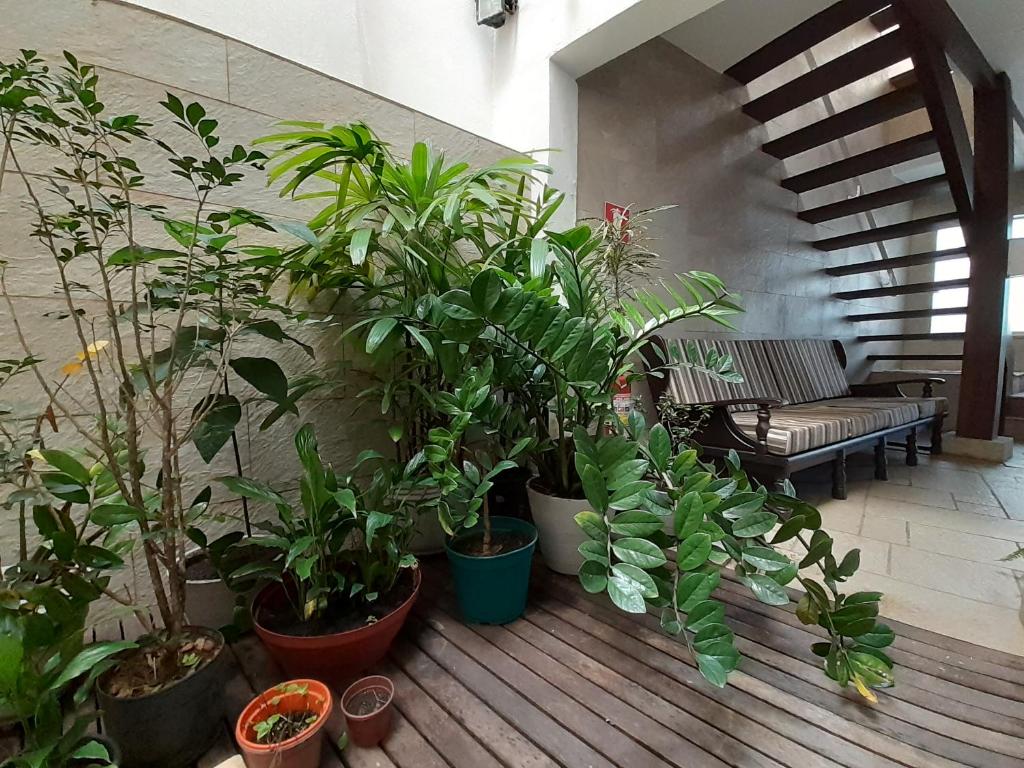
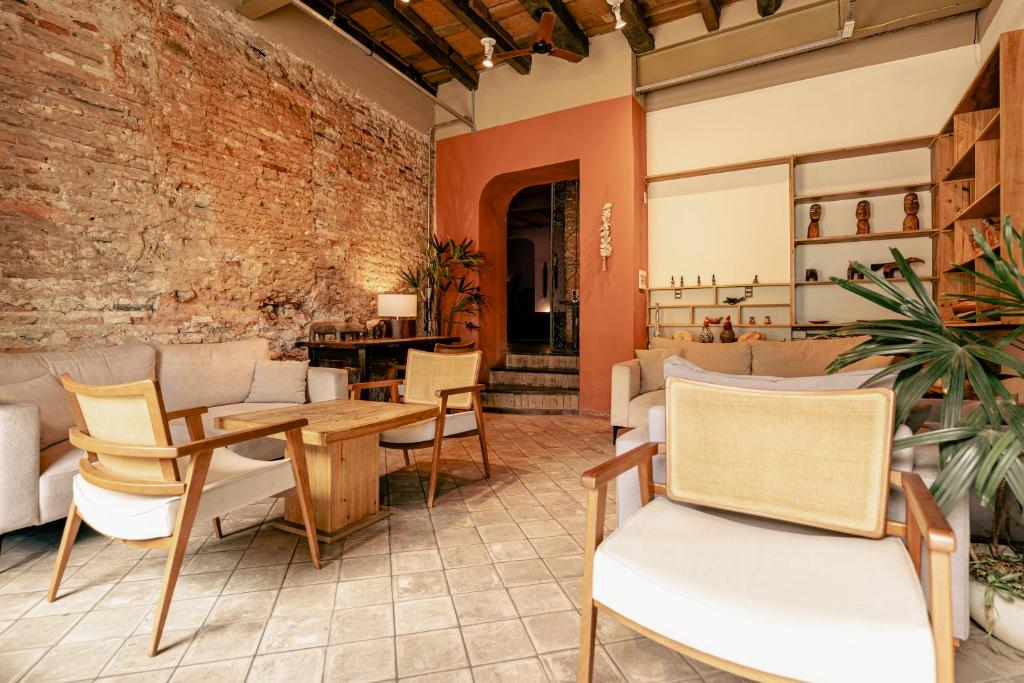
North of the Pelourinho core, this part of the protected historic centre turns old houses into cafés, restaurants and galleries. The Museu do Mar Aleixo Belov gives another reason to explore beyond the main church squares. Choose it for a slower sequence of neighbourhood walks, a late lunch and time in a small heritage hotel.
Keep in mind: An old residential address does not automatically mean a quiet evening: the district also has bars and its own Carnival activity. Check the position of your room and plan separate transport for beach days. The Pilar incline links nearby Carmo with Comércio below.
Our pick here: Aram Yamí Boutique Hotel
Barra: Porto beach and the lighthouse
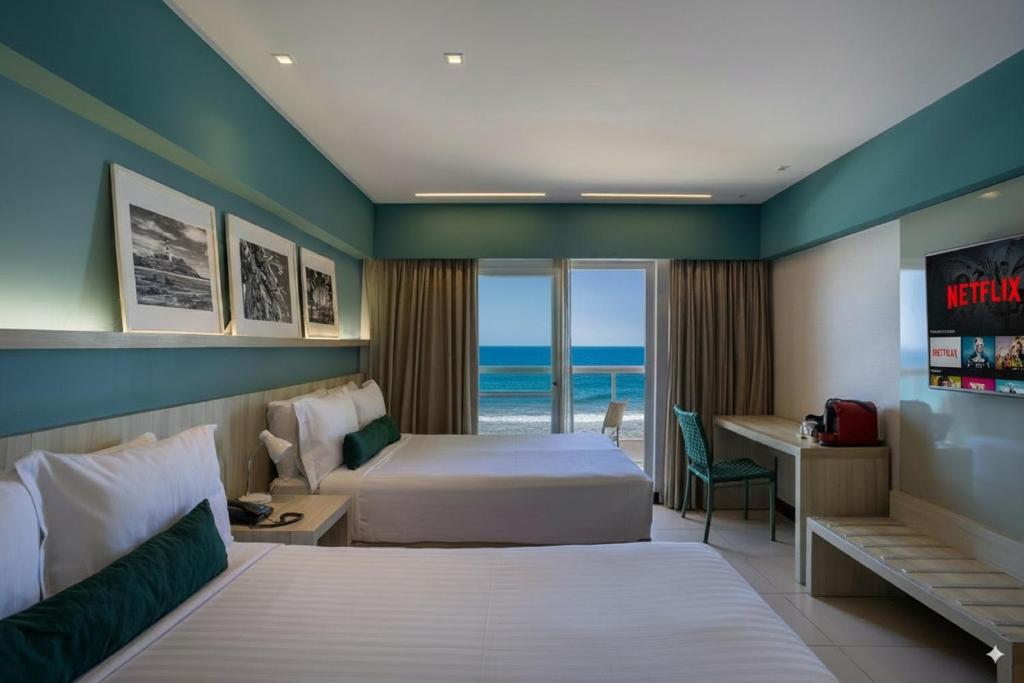
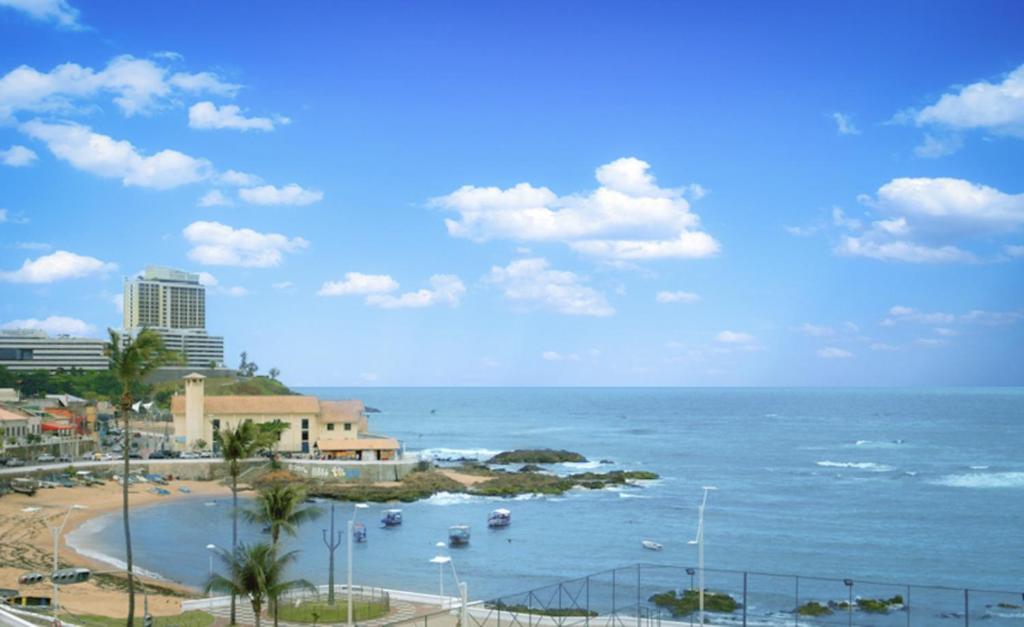
Barra makes a practical first base when you want the sea in your daily routine. Porto da Barra is the bay-facing beach described by the municipal guide as having calm water; the waterfront continues past the lighthouse towards the Cristo viewpoint. Pick the Porto end for that beach, or the lighthouse frontage for long promenade walks.
Keep in mind: Porto da Barra and the Atlantic-facing beaches are different settings; do not assume the same swimming conditions along the whole shore. The historic centre still requires a separate outing. During Carnival the Barra–Ondina route changes the character of the waterfront, so the exact address becomes especially important.
Our pick here: Monte Pascoal Praia Hotel Salvador
Rio Vermelho
This is the base for restaurant choices and evenings that continue after sightseeing. The neighbourhood also has the Casa de Iemanjá shrine by the fishing community and Casa do Rio Vermelho, the former home of writers Jorge Amado and Zélia Gattai. Small pousadas sit alongside larger seafront hotels, so you can choose between a house with character and more hotel facilities.
Keep in mind: A sea view here is not a promise of a broad, calm bathing beach. Choose your hotel around the restaurants or waterfront stretch you will actually use, and ask about room position if night-time quiet matters. Pelourinho and Barra are separate trips rather than adjoining walking districts.
Our pick here: Pousada e Hostel Chez Marianne
Itapuã
Itapuã offers a different Salvador stay: ocean-facing days, its striped lighthouse and the fishing-village identity celebrated in the city’s music. The Abaeté lagoon and dunes add a landscape excursion beyond the seafront. A hotel with its own pool and beach access works well if you want to spend substantial time at the property between local outings.
Keep in mind: This is a separate coastal base well away from the historic centre. Group central sightseeing into a full day instead of expecting easy back-and-forth breaks. For the Abaeté landscape, the municipal tourism guide recommends a daytime visit and describes specialist local guides; it is worth arranging that visit deliberately.
Our pick here: Samba Villa da Praia