About São José do Barreiro
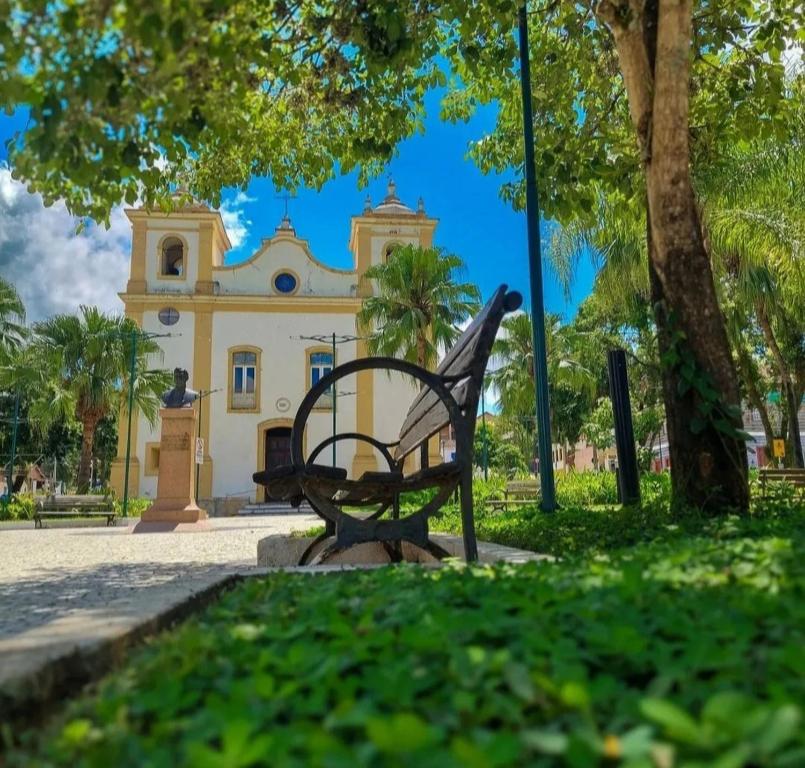
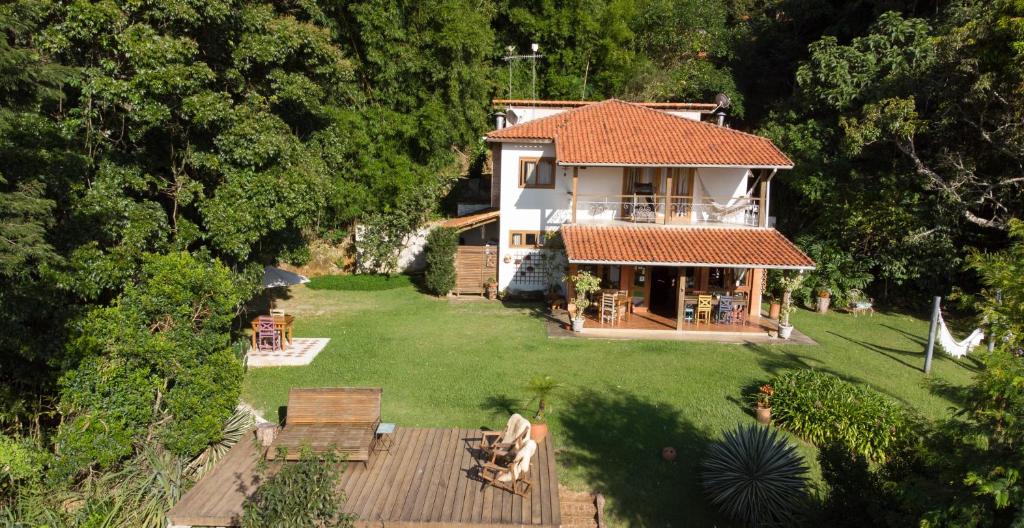
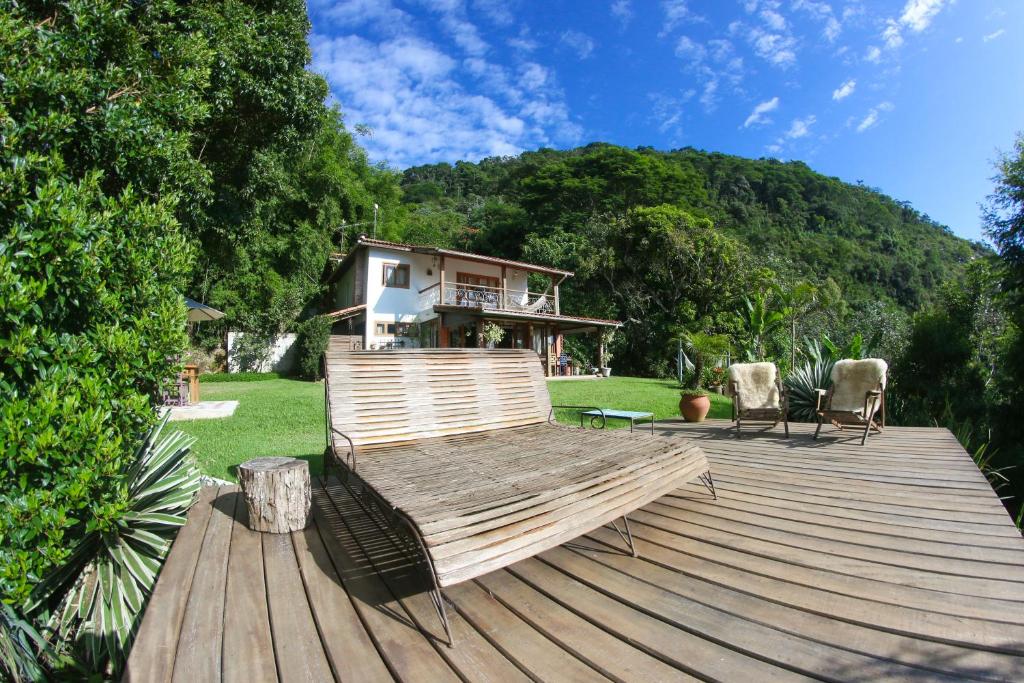
São José do Barreiro combines a small coffee-era town with country roads leading towards the Serra da Bocaina. Choose the centre for everyday meals and a walk around the church square, Ponte Santana for reservoir scenery, Estrada do Barão for a farm setting, or the lower Bocaina road for mountain-facing gardens.
These choices change the practical rhythm of a stay: rural dinners, the last stretch of road and transport to the national park need attention before arrival. Leave a full day for the upper park, and keep a town or heritage visit available if rain changes the walking conditions.
Common questions
Which part of São José do Barreiro should I choose?
Choose the historic centre if you want everyday dining and town streets within an easy outing from your room. Ponte Santana adds reservoir views and hotel grounds, Estrada do Barão makes farm life and a stream part of the stay, and the lower Bocaina road suits a couples' mountain retreat. Compare the actual entrance and meal arrangements: these rural settings sit on different roads, and proximity on a map does not make them interchangeable for a park departure.
How do I arrive by air or regional bus?
Compare flights into São Paulo Guarulhos or Rio Galeão with the complete road transfer, rental-car pickup and arrival time at your accommodation. From the São Paulo side, a connection through Guaratinguetá can use the Pássaro Marron regional corridor towards Bananal, which serves São José do Barreiro. Check the travel day, direction, boarding point and final connection with the operator, then arrange the last leg to a rural property; the town coach and airport transfer are separate parts of the journey.
Can I stay without a car, and what are the roads like?
A central stay can work without driving when you arrange excursions and return pickups in advance. Rural stays are easier with a car or a prebooked driver, but ask the host for the actual route and current condition of the last unpaved stretch. The upper park gate lies about twenty-seven kilometres uphill along SP221, with both paved and dirt sections and no public bus; check the road after rain and plan the return rather than assuming a quick ride from town.
Do I need a reservation or permit for the national park?
Under ICMBio's published rules, a day visit on foot without an overnight stay does not require advance authorization. Overnight walking trips, including the Mambucaba crossing, and vehicle entry for an overnight stay or a resident visit inside the park do require permission requested at least three business days ahead. The signed authorization is collected at the administrative headquarters in town, separate from the upper gate, so check the current process, gate hours and your route before setting out.
Which waterfall walk is suitable for a shorter visit?
Santo Isidro is about two kilometres from the upper gate according to the current park guide, with a descent from the top of the waterfall to its pool and the return walk still to allow for. The roughly three-hundred-metre Poção das Garrafas route offers a shorter, more level alternative; confirm its current surface if mobility is limited. Posses and the multi-day Mambucaba crossing demand more planning, and rain or rising water can make any waterfall outing unsuitable for bathing.
What can I do beyond the national park?
Walk around Praça Coronel Cunha Lara, the parish church and the coffee-era façades, then arrange a heritage visit if you want to see an interior. Fazenda Pau d'Alho provides a connection with the region's coffee history, but confirm current access and the visit arrangements before building the day around it. A slower meal or afternoon in the country can complement the town walk; arrange heritage visits, restaurant meals and guided outings separately.
When is the best season, and what should I pack?
November to March is generally the wettest period, while June to August brings cooler conditions and much lower average rainfall. Take rain protection, a warm layer for the evening and shoes that grip wet or uneven ground, even on a trip planned around the drier months. The higher roads can feel colder than town, and seasonal averages do not establish a safe trail or an open access road, so check the short-range forecast and keep the outdoor day flexible.
What should families or guests with access needs check?
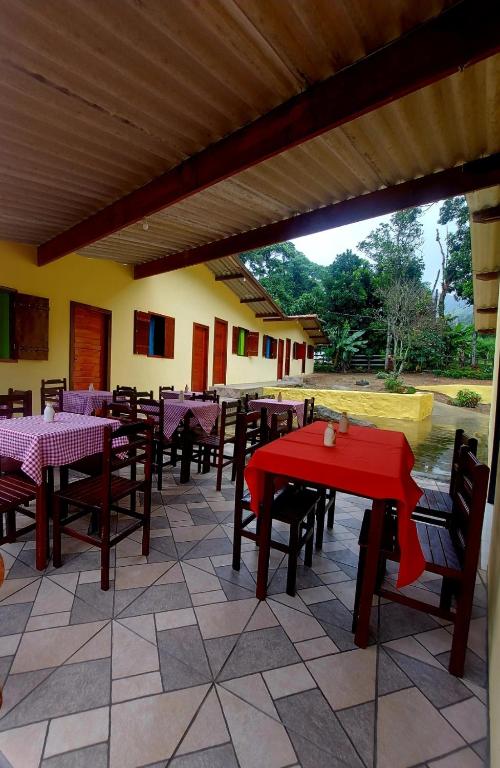
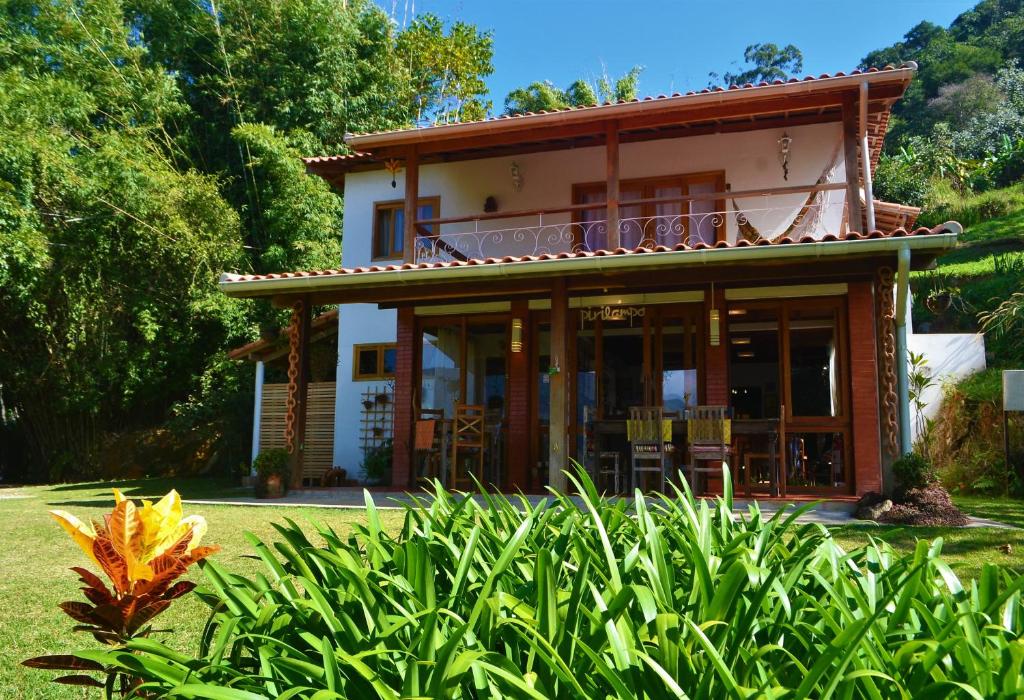
Check children's ages and the exact room before booking, since some countryside stays are adults-only and family rooms have different rules for cots and extra beds. Ask about actual bed positions, fan or air conditioning, the bathroom and the route from parking through the dining area to the room. A ground-level-looking building can still have steps, and a hotel pool, reservoir shore and natural stream require different supervision and access choices; choose the setting for your party's needs rather than its photograph.
How many nights should I allow, and how do meals fit in?
Two nights allow a town walk and one properly planned park day without making the mountain road a rushed departure-day stop. Three nights leave room for a separate heritage or countryside outing and a change of plan if rain arrives. Arrange rural dinner and an early breakfast before committing to a walk, because meal service can finish early, and leave enough time for the return transfer; the multi-day Mambucaba crossing needs its own itinerary and authorization.
Prices are set by the booking site. We may earn a small fee, at no cost to you.