About São Roque de Minas
São Roque de Minas is a base for the Serra da Canastra’s plateau, waterfalls and farmhouse cheese, with enough different outings to reward several nights. The town gives you everyday food and services before a day on the park roads.
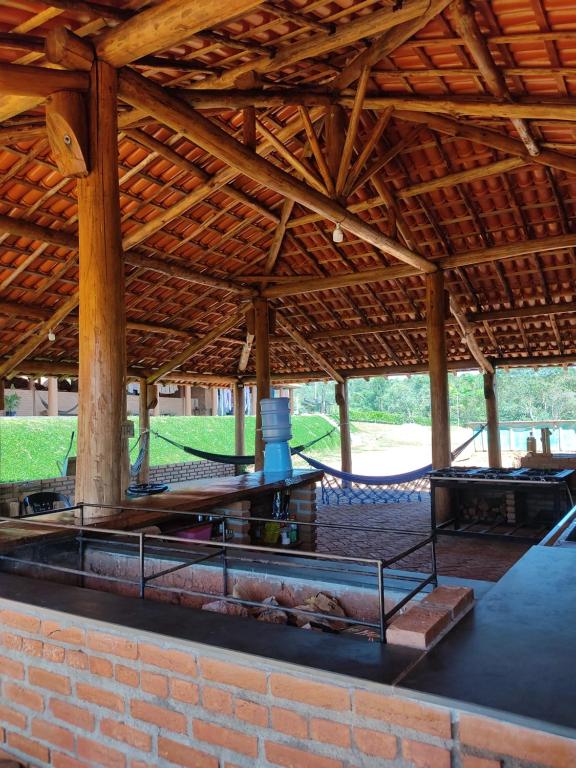
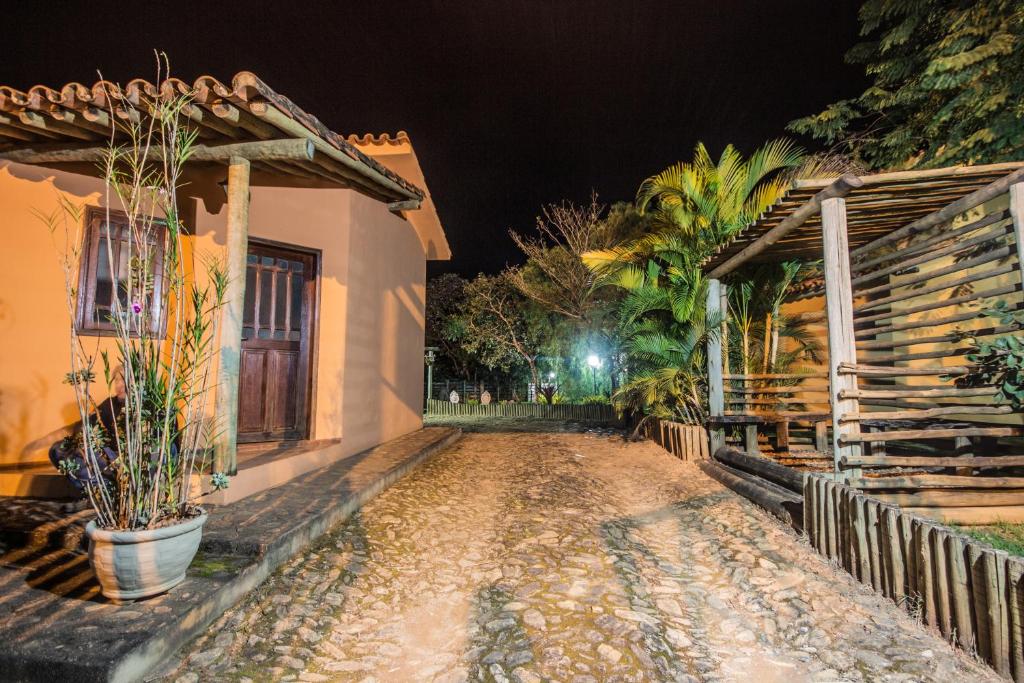
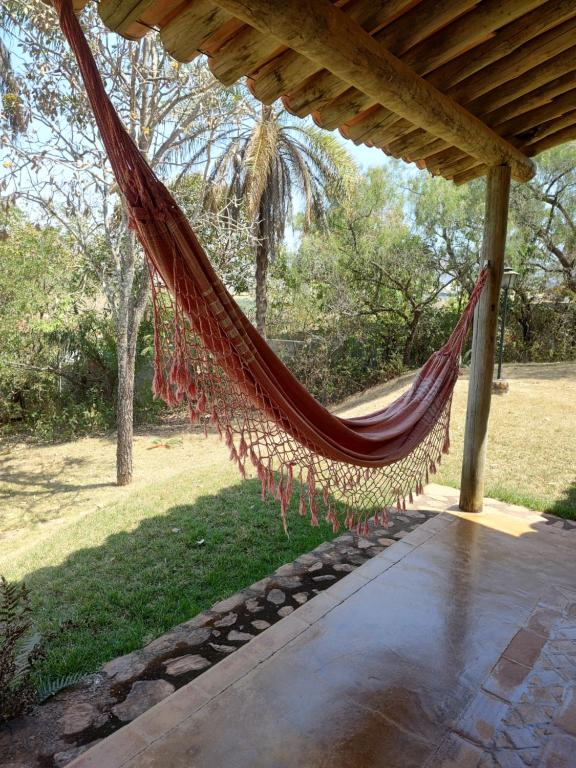
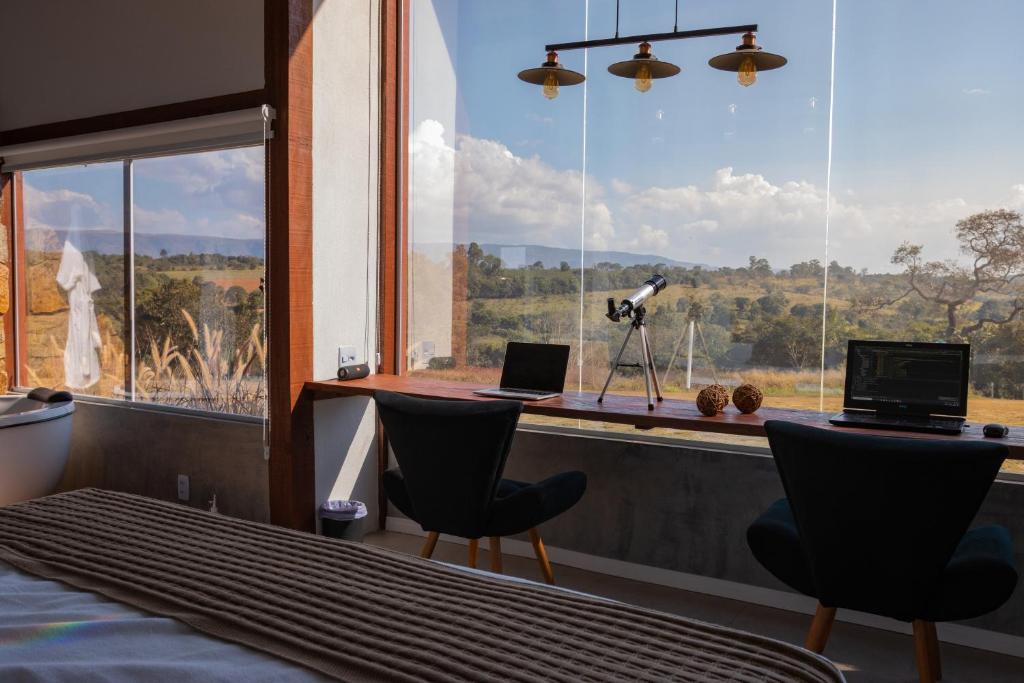
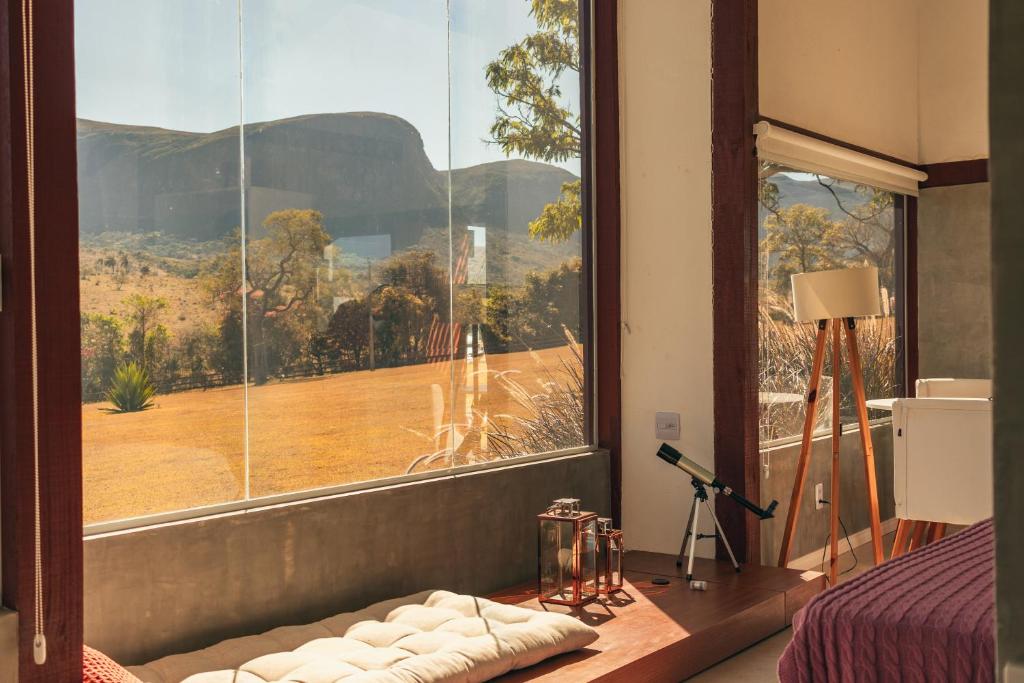
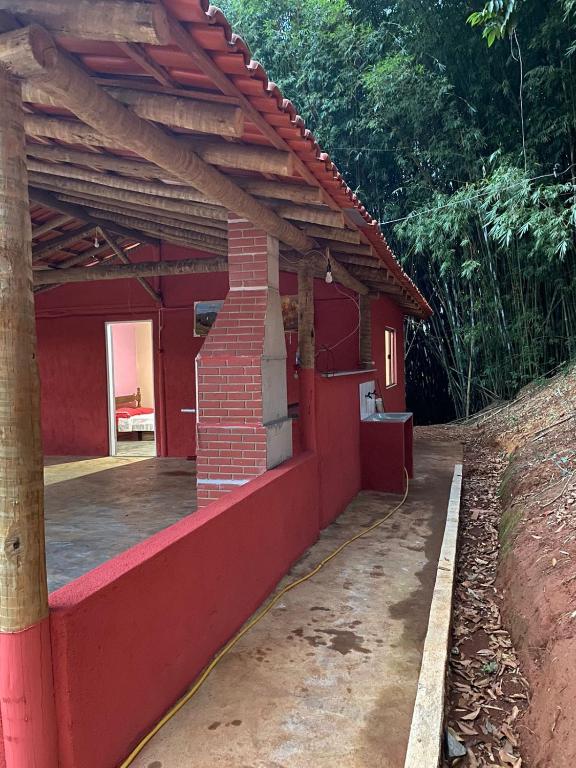
Nearby country stays add gardens and space, while the southern São José do Barreiro approach faces the escarpment and leads towards lower Casca d’Anta. These are distinct arrival routes, despite sharing a municipality. Choose the setting around the days you want to have, then leave time for a cheese visit and an unhurried evening at your accommodation.
Common questions
Where should I stay on a first visit?
São Roque town gives a flexible start for meals, supplies and arranged park outings. Choose the nearby rural approaches if you have transport and want more outdoor space between trips. The São José do Barreiro approach suits a quieter stay facing the escarpment, with the lower waterfall sector as a natural outing. Keep one base for a short visit and build the itinerary around its actual road position rather than changing accommodation after every attraction.
Can I get there and explore without a car?
It is possible with advance arrangements. Current coach listings connect Belo Horizonte with Piumhi; organise the onward road transfer to São Roque and confirm any proposed local bus directly for your date. A central stay makes everyday meals simpler, but the park and cheese farms still need separate transport. ICMBio publishes authorised visitor guides and passenger vehicles, and asks visitors to arrange them themselves before the trip. Confirm the pickup, route and return together.
Are the upper and lower Casca d’Anta visits the same trip?
They use different approaches. From São Roque, Portaria 1 serves the plateau side, including the historic São Francisco source and the upper-waterfall landscape. The lower Casca d’Anta sector uses Portaria 4 near São José do Barreiro. Ask which entrance your excursion uses before choosing a base or driver. Check current access with ICMBio; a trail or road shown on a map is not proof that a quick connection is open or suitable for your group.
How many nights make sense?
Three nights leave room for a plateau day, a separately planned waterfall outing and a cheese visit without treating every drive as a race. Four are useful if you want both waterfall approaches or a full afternoon at a chalet. With two nights, choose one park sector and one nearby rural experience. Reserve the most weather-dependent outing first, but keep the order flexible and avoid committing every daylight hour before checking the roads.
What changes by season and road conditions?
Official tourism guidance identifies April to October as the generally less rainy period. Wet-weather journeys need more flexibility because country and park roads can become difficult; dry-season fire restrictions can also alter access. Check the current park notice and local road advice shortly before departure. Ask a driver which vehicle suits the specific route rather than assuming that reaching town and crossing the plateau require the same preparation. Pack for exposed walks and a cooler evening without treating seasonal averages as a forecast.
How should I organise cheese-farm visits?
The local tourism circuit lists producers on several different country roads, including the park approach and the Vargem Grande direction. Contact the chosen farm before fixing your route: some receive visitors by arrangement, and a tasting, production visit or meal may be separate experiences. Leave time to talk, taste and buy rather than adding several distant farms to a waterfall day. A rural accommodation booking does not automatically include entry to a neighbouring producer.
What should families check before choosing a chalet?
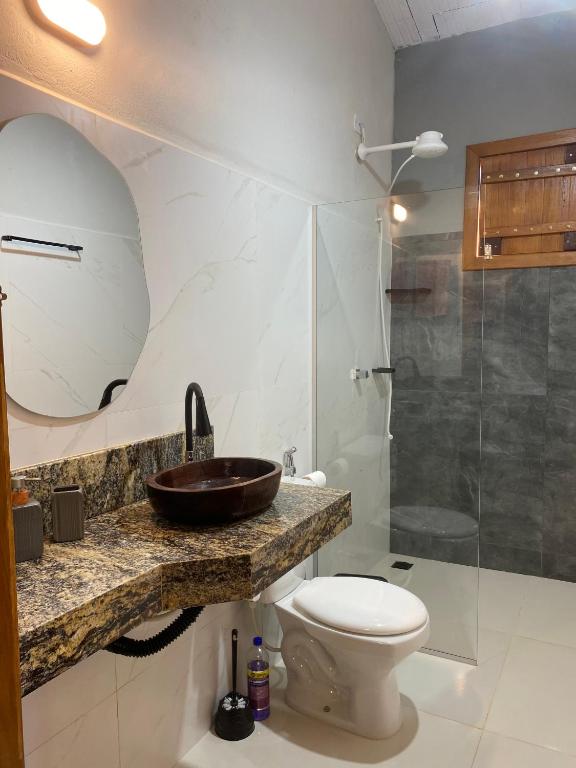
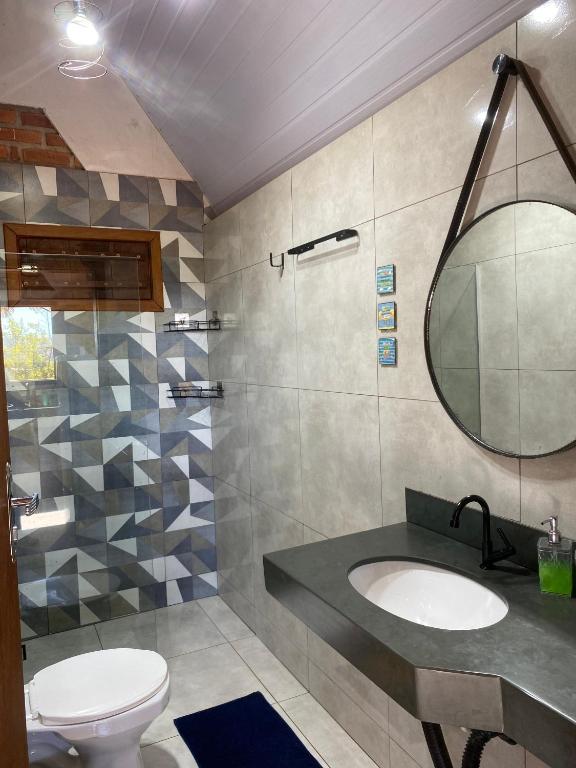
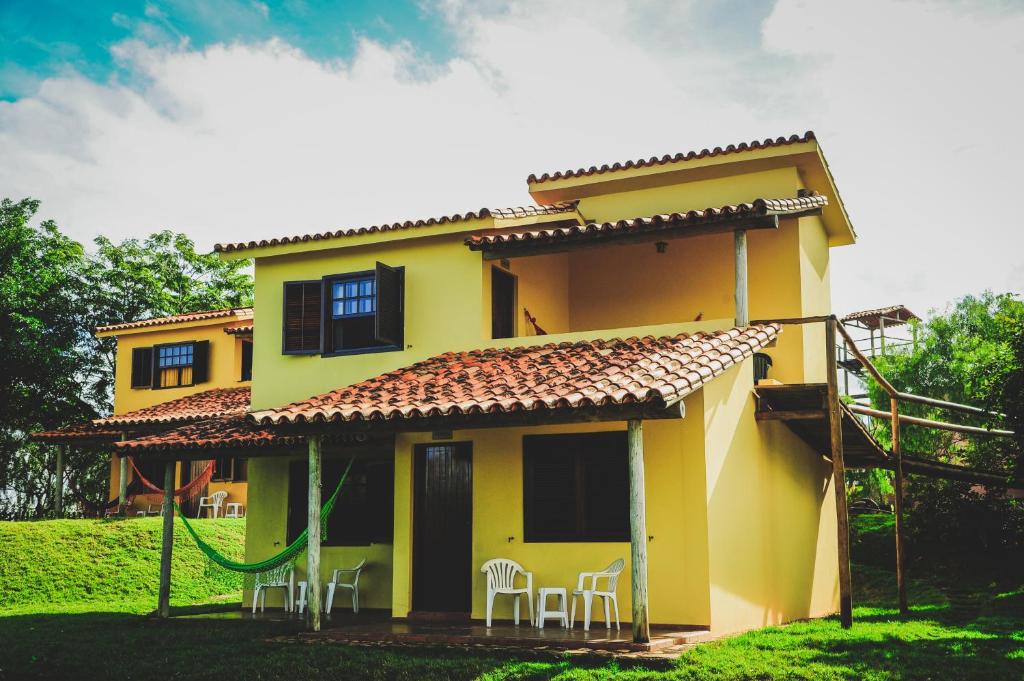
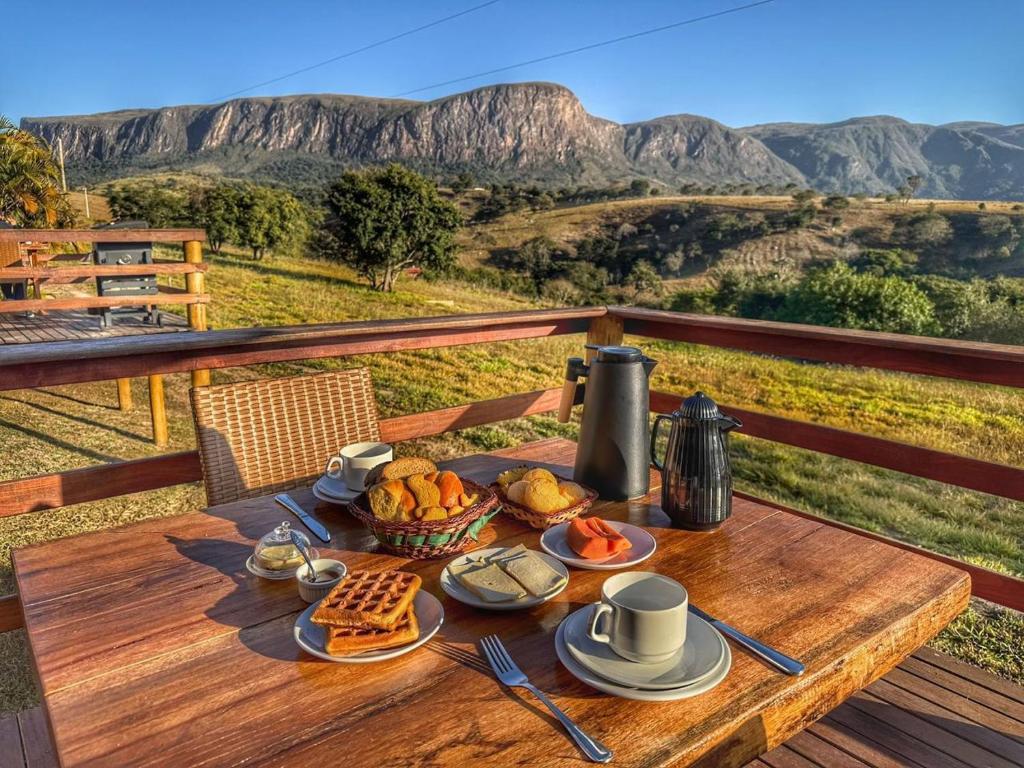
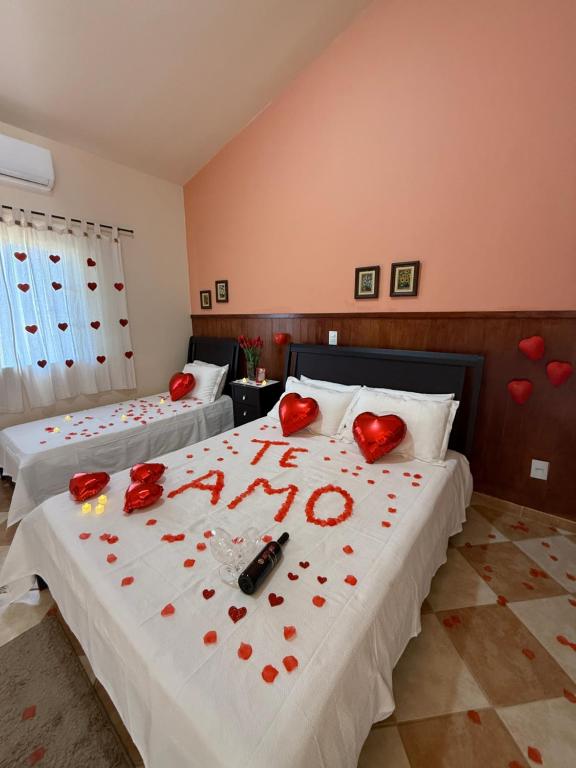
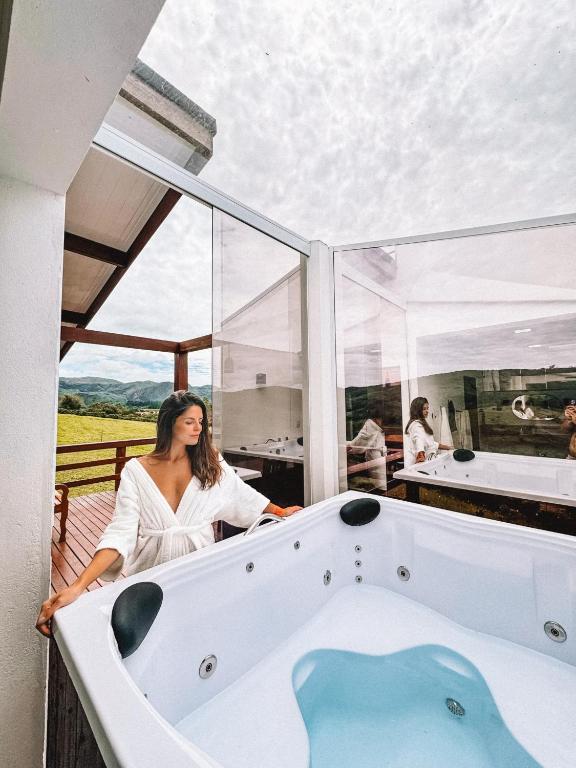
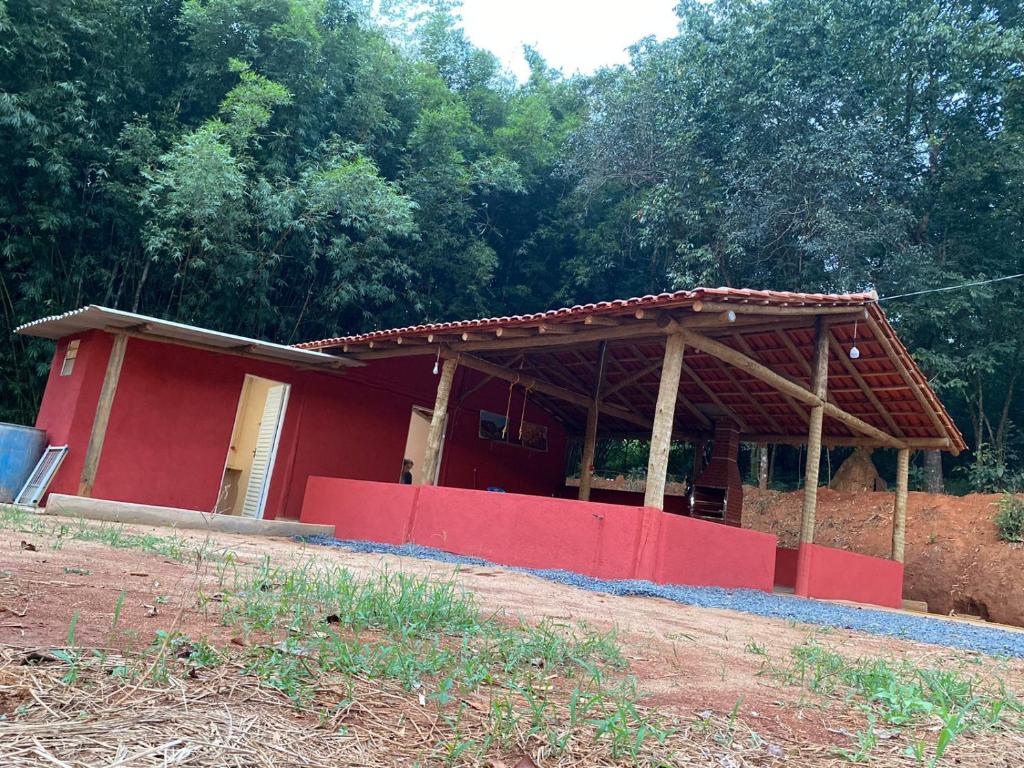
Look beyond the total sleeping capacity. Confirm the bedroom and bathroom arrangement, steps, balcony protection and the route between parking and the room. A family chalet, a small double chalet and a one-bedroom house give different levels of privacy. If you plan to cook, check the actual hob, refrigerator and utensils instead of relying on the word kitchenette. For a hosted stay, agree breakfast and any child meal needs before an early outing.
Do I need a guide, and what should I book in advance?
ICMBio currently describes visitor guides as optional and recommended, rather than compulsory for every park activity. A local guide with suitable transport can be especially useful when you are unfamiliar with the roads or want to connect particular attractions. Arrange the precise route, vehicle and pickup beforehand, then confirm current access. Separately check farm reception, food at rural stays and any bath or kitchen feature that is central to your accommodation choice.
Prices are set by the booking site. We may earn a small fee, at no cost to you.