About Pictou
Pictou occupies the northern shore of its harbour on Nova Scotia’s Northumberland coast. Its waterfront museums tell the story of fishing, shipbuilding and the Scottish passengers who arrived aboard the Hector in 1773. Visitors can make an evening here part of a ferry journey to Prince Edward Island, or stay longer for beaches and coastal drives.
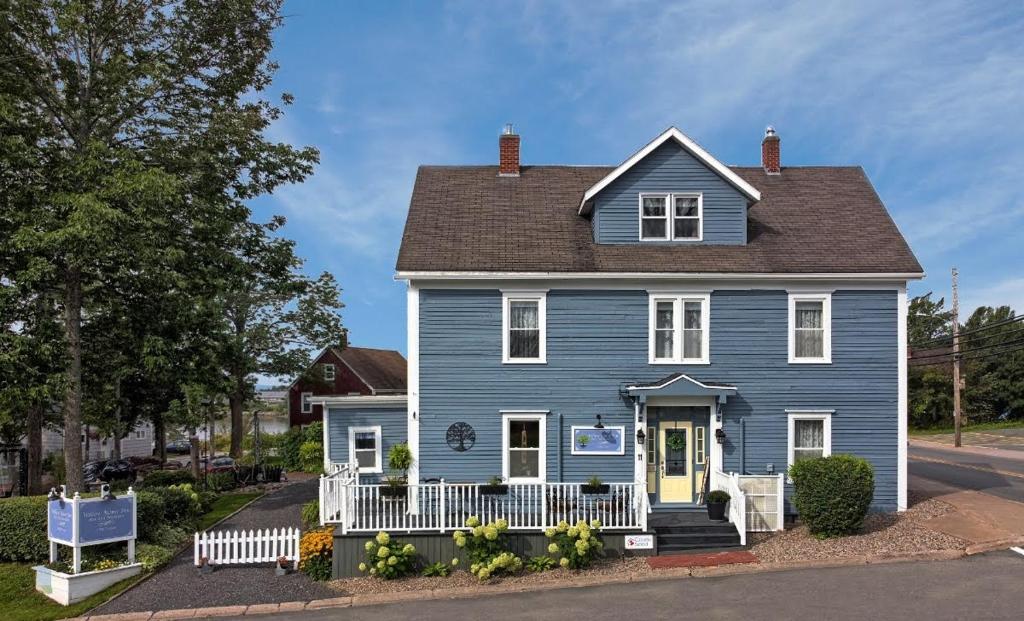
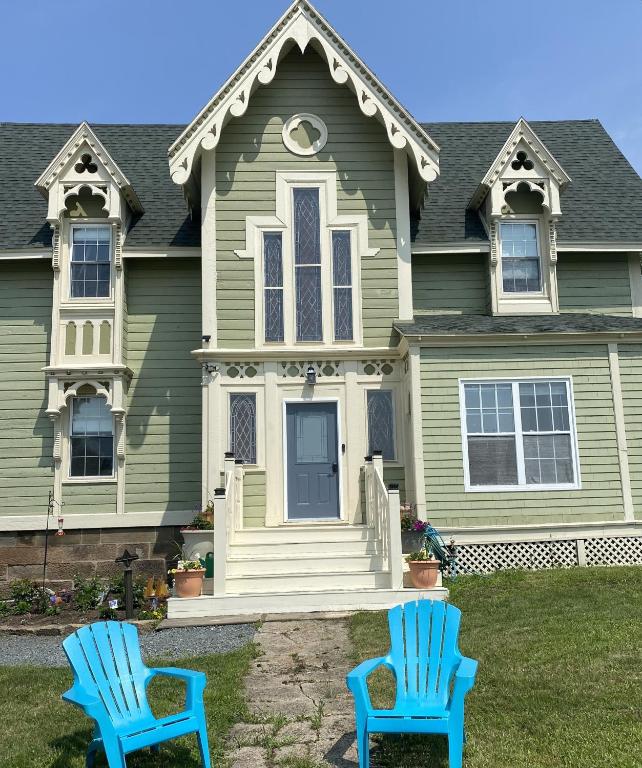
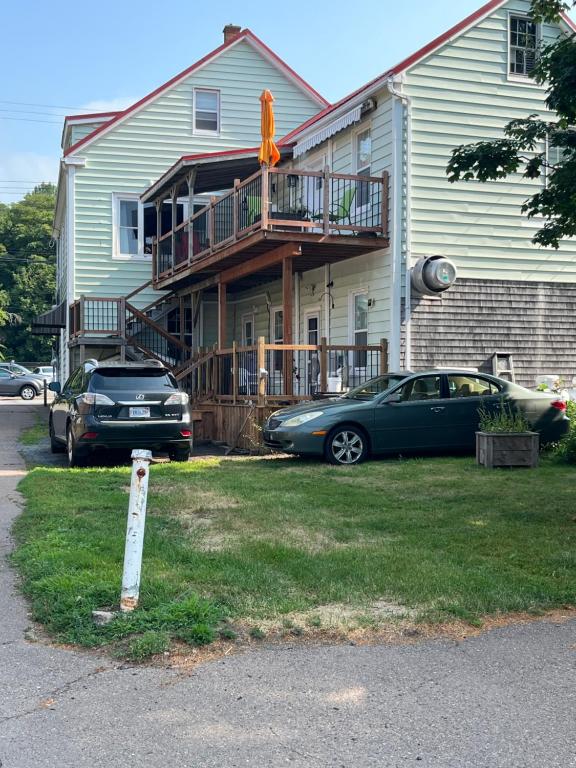
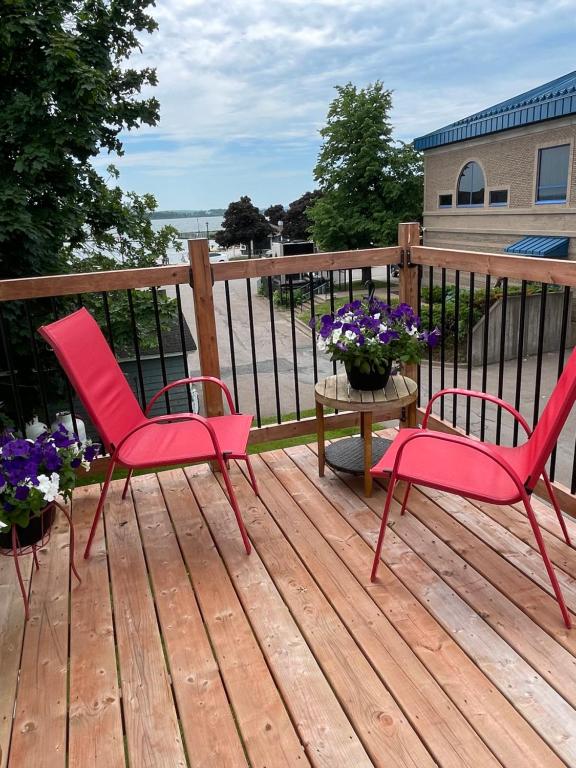
The lodging choice is unusually personal: old houses, small inns and a few independent apartments. Water Street keeps dinner and the quay close; Front Street offers historic homes above the harbour; Willow Street places you on the western side of the compact centre.
Common questions
Can I stay in Pictou without a car?
The compact waterfront can work for a walking visit once you have arrived, especially around Water Street and the neighbouring central streets. A car is much more useful for beaches, coastal villages and the Caribou ferry terminal. Arrange those transfers separately if travelling on foot; proximity to the harbour does not mean that the island ferry boards in the centre.
Is Pictou a useful overnight stop before the PEI ferry?
Yes. Northumberland Ferries sails between nearby Caribou and Wood Islands on Prince Edward Island, with a crossing of about 75 minutes. Check the current seasonal timetable, sailing notices and required check-in allowance. For an early departure, discuss breakfast and how to leave the property with your host instead of assuming that the normal morning routine will fit.
How many nights should I spend in Pictou?
One night makes sense as a ferry stop with an evening walk and dinner. We suggest two if you want time for the heritage sites and a separate beach outing, without packing both around a sailing. Add time only for the coastal trips you actually plan; the town itself is small enough that changing accommodation between its streets is unnecessary.
When should I visit, and what closes outside summer?
Late spring through autumn offers the broadest choice of attractions and accommodation; July and August are the busiest months for beaches and waterfront activity. Many inns and visitor businesses operate seasonally, and their opening periods do not necessarily match the ferry season. Outside summer, establish that your chosen lodging, meals and key attraction will be available before fixing the itinerary.
Which kind of stay works for children?
Start with the exact room’s age policy and sleeping arrangement. Several heritage B&Bs have restrictions, while a small apartment with a kitchenette gives a family more control over snacks and an early evening meal. A family-room label alone does not establish cot availability, separate bedrooms or safe step-free access; enter every child’s age and confirm the details that matter.
Are historic inns suitable if I cannot manage stairs?
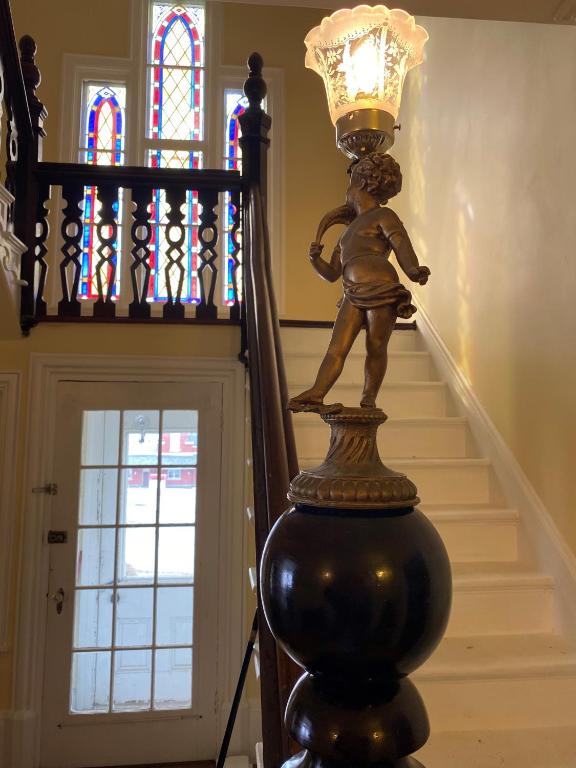
Do not assume so from a central location or a photograph of the entrance. Guest rooms may be upstairs, and a harbour view can come with a sloping approach. Ask about the complete route from the parking space to your room, the bathroom threshold and any lift before reserving. Choosing a specific accessible room is more reliable than relying on the building’s general description.
Can I swim near my accommodation?
The town’s harbourfront is mainly a base for strolling, boats and heritage visits. For a sandy beach outing, consider Caribou-Munroes Island Provincial Park, which has day-use beach access, change rooms and swimming without lifeguard supervision. Plan transport to the park, check current notices and weather, and distinguish a room with a water view from accommodation with direct beach access.
Where can I take a longer walk?
The Jitney Trail follows the waterfront towards Brown’s Point and links with the Trans Canada Trail network. It gives a different perspective on the harbour from the streets around the quay. Check town notices for repair closures or diversions before committing to the full route, and decide on the return journey before walking farther into the regional trail network.
Prices are set by the booking site. We may earn a small fee, at no cost to you.