About Villarrica
Villarrica is a proper lakeside town in the Araucanía Region, with a different rhythm from Pucón across the eastern part of the lake. You can arrive by bus, walk to dinner, spend the next morning at the water and use the town as a base for later excursions. That makes it more useful than a simple overnight stop.
Its centre has shops, a cathedral, cafés and several bus offices. Around Playa Pucará, the lakeshore promenade is the attraction: on clear days the volcano forms part of the horizon, and the town is close enough to return for lunch. Farther east along the Villarrica–Pucón road, hotels offer gardens, private shore access, pools and spa facilities, but transport becomes essential.
Park Lake is at kilometre thirteen, not in the town centre. From Temuco, municipal visitor information describes frequent buses taking approximately one to one and a half hours; connections from Santiago also exist. Operators have counters on different streets, including Francisco Bilbao and Anfión Muñoz, so check the exact boarding address rather than assuming one terminal.
The volcano and Villarrica National Park require another journey. CONAF publishes authorized trails and access conditions and can close routes because of volcanic danger or weather. Seeing the mountain from the lakefront does not mean starting a hike directly outside your room.
Summer brings warmer lake days and busier weekends near the beach. Winter is cooler, rainier and more appropriate for a café-based break or a carefully planned snow excursion. Spring and autumn suit gentle walking, but mountain plans remain dependent on local conditions.
Allow two nights for town and lake, longer if you want additional park or thermal-area outings. Without a car, keep the urban shore as your base and organize transfers rather than improvising remote connections.
Common questions
Is Villarrica the same place as Pucón?
No. Villarrica is the western lakeside town, whereas Pucón is farther east. Hotels on the road between them may be several kilometres from both centres.
Can I arrive without a car?
Yes. The municipal visitor office lists buses from Temuco, taking roughly one to one and a half hours, and services from Santiago. Check the exact operator and departure street.
Can I climb the volcano from the waterfront?
No. The national park has separate access roads and designated trails. Check CONAF and Pases Parques before leaving; the Pichillancahue glacier trail is listed closed through 31 December 2026, and a lake view does not provide access to a summit route.
How does the season change the trip?
Summer favours swimming and long lake evenings. Winter brings more rain and cold, while surrounding mountain areas may have snow activities. Trails require current conditions in every season.
Where is easier with children?
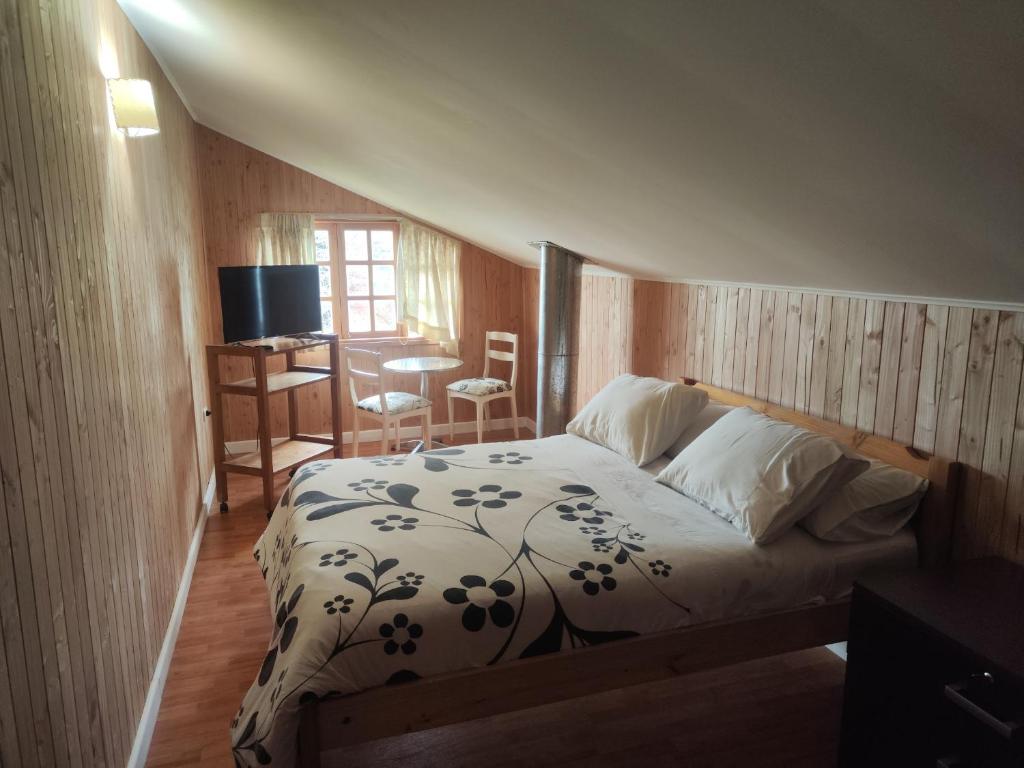
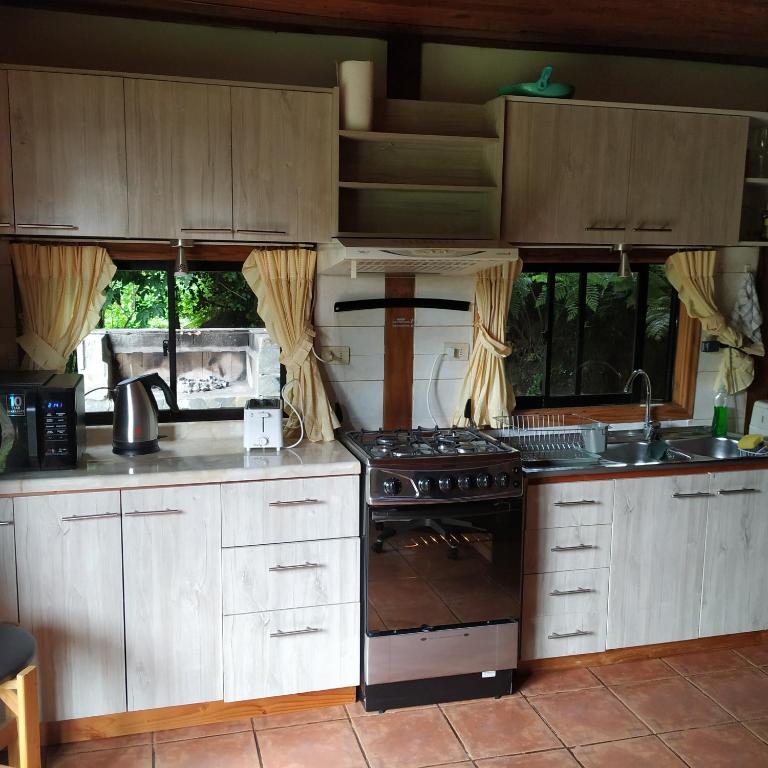
Pucará keeps the shore and town food close, and Don Juan offers family and cabin categories in the centre. Confirm beds and child policies at the actual property; Omi Kika accepts adults only. Lake-road resorts require transport for town outings.
What if I book a room at kilometre 13?
That is a lakeside retreat between towns, not an urban hotel. Arrange transport and check whether the actual room faces the water.
Prices are set by the booking site. We may earn a small fee, at no cost to you.