About San Rafael, Antioquia
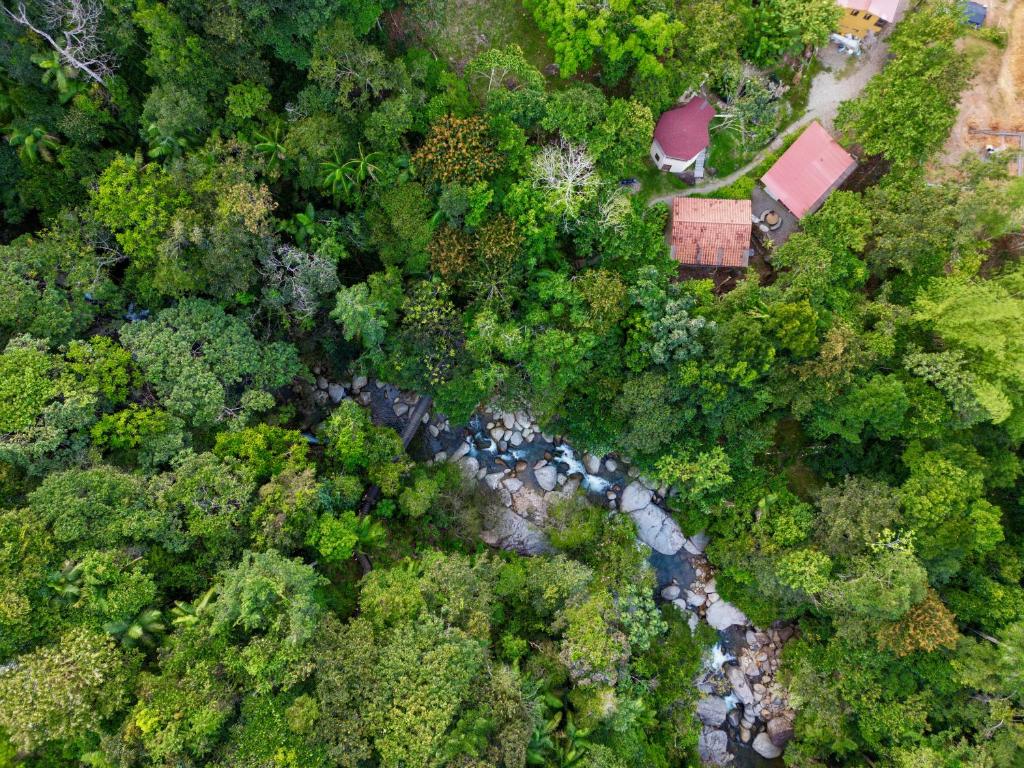
San Rafael, in eastern Antioquia, rewards a stay built around rivers, forest walks and small rural tourism projects. It is a different base from nearby Guatapé: compare the town and its garden edge, El Bizcocho to the west, the southern Arenal road toward the Doara reserve, and the separate El Macanal river and forest approach.
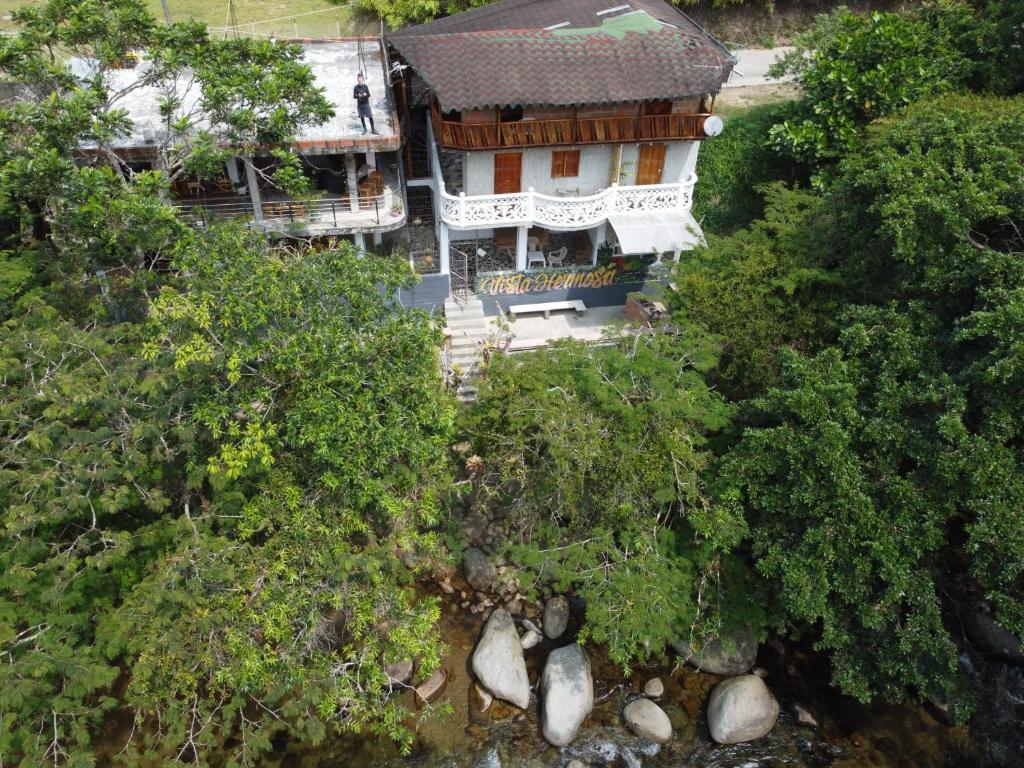
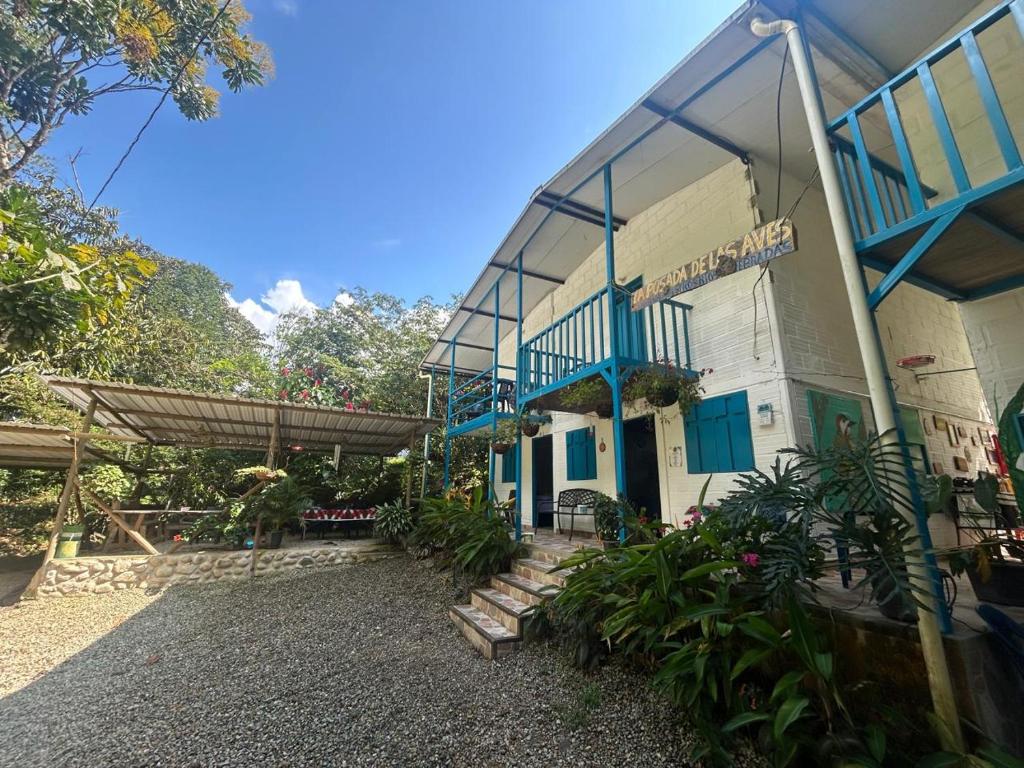
Staying in town makes meals and bus arrivals simpler; farther out, birdwatching, time within a reserve and arranged meals can shape the day. Compare the complete arrival to your room, since a rural address may involve separate parking, an uphill path or a bathroom setup quite different from a conventional hotel.
Common questions
Which area should I choose for a first stay?
Stay in the town or its immediate garden edge if you want to choose restaurants day by day and arrange outings after arriving. El Bizcocho is a good fit for birdwatching, while El Arenal ranges from near-town rooms to deeper reserve lodging. El Macanal offers another forest base with cabins and activities around the accommodation; compare the actual entrance, final walking stretch and meal options rather than treating the southern roads as one route.
How many nights should I allow?
Three nights give you an arrival evening and two full days for a river outing, a forest or birding walk, and time in town. Add a fourth if you want a separate Guatapé excursion or a slower stay with a farm visit and room for changing weather. Keep the last rural transfer and the onward bus or flight in the plan, rather than filling departure morning with a long activity.
How do I get there from Medellín or the airport?
Buses to San Rafael leave Medellín’s Terminal del Norte: the terminal lists Sotrapeñol at counter 9 with roughly hourly daytime departures, and Sotrasanvicente at counter 14 also serves the route. Confirm the current last departure and arrange the onward connection to a rural property, since the town ticket does not establish transport to its door. José María Córdova airport, MDE, is in Rionegro, so plan that road arrival separately from a Medellín city departure and check your flight before fixing a tight bus connection.
Do I need a car for the rural stays?
A car is not essential for reaching San Rafael by bus, but the final rural journey needs an agreement with your accommodation or a local driver. A Macanal reserve describes roughly twenty minutes from town by tuk-tuk on a rural road, while the Doara approach uses shared parking followed by an uphill walk of about five minutes. These are property-specific examples: confirm the entrance, road conditions, walking surface and any pickup or luggage arrangements, since having a car does not guarantee parking beside the room.
When is the weather most suitable for river and forest outings?
Cornare’s historical regional climate report describes wetter periods in April–May and October–November, with relatively less rain in January–March and July–September. This is a humid area with variable rainfall, so those months are a planning guide rather than a promise of dry paths or suitable river levels. Bring quick-drying clothes, rain protection and shoes with grip, and check the local forecast before choosing the day’s route.
How should I plan swimming or tubing in the rivers?
Treat river bathing and tubing as condition-dependent outings, using the local operator’s assessment together with Cornare’s MARCO rainfall and river-level information. One Arenal tubing itinerary covers about 2.5 kilometres in roughly one and a half to three hours and includes a local guide, helmet and lifejacket; age limits and the route belong to the chosen operator, not to every river activity in town. Confirm the meeting point, current water conditions and included equipment, and change the plan if the operator says the route is unsuitable.
What is worthwhile for birdwatching and walking?
Birding is a reason to stay around El Bizcocho or the forest approaches, and local guiding can help match a route to the birds and habitat you hope to see. For a longer walk, a published Boquerón creek itinerary visits three waterfalls over about six kilometres return and roughly four hours, with a local guide. Agree on the start, terrain and any water crossings, bring binoculars if birding is your focus, and leave sightings and the final route dependent on conditions.
Can I combine town, farm visits and Guatapé?
A lighter day can include the main square and San Rafael Arcángel church, followed by a planned rural visit. The local tourism network offers artisan panela, cacao and native-bee honey experiences; arrange the producer, production day and transport rather than assuming every workshop receives visitors without notice. Give Guatapé its own day or make it a separate stop on the journey, so its lake-and-rock sightseeing does not compete with a substantial river outing here.
What food and meal arrangements should I plan for?
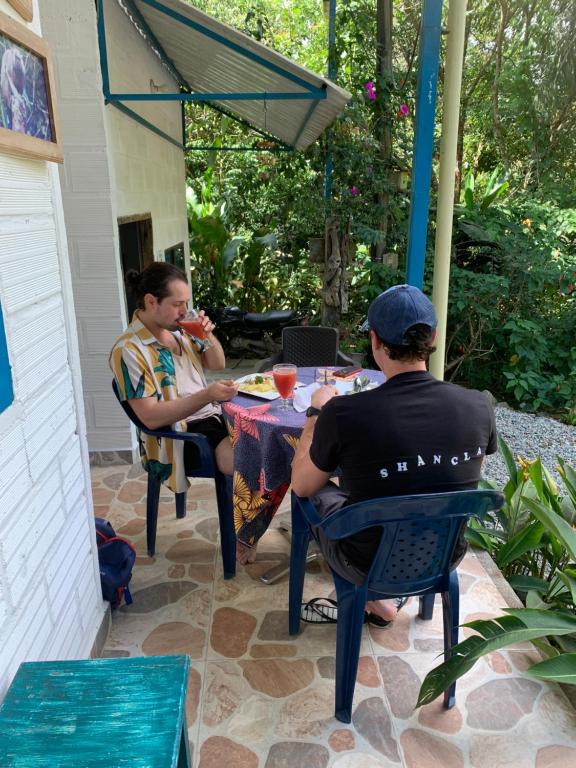
Look for local coffee, cacao, native-bee honey and panela, the unrefined cane sugar made in the area’s traditional production routes, alongside home-style cooking and vegetarian options listed by the local network. In rural accommodation, ask which meals your rate includes and when you can eat: some plans include breakfast, while a reserve stay may require dinner booking and offer no lunch. Share dietary needs before arrival and plan daytime food around the actual excursion, not just the presence of a kitchen or restaurant label.
What should I check in the exact room before booking?
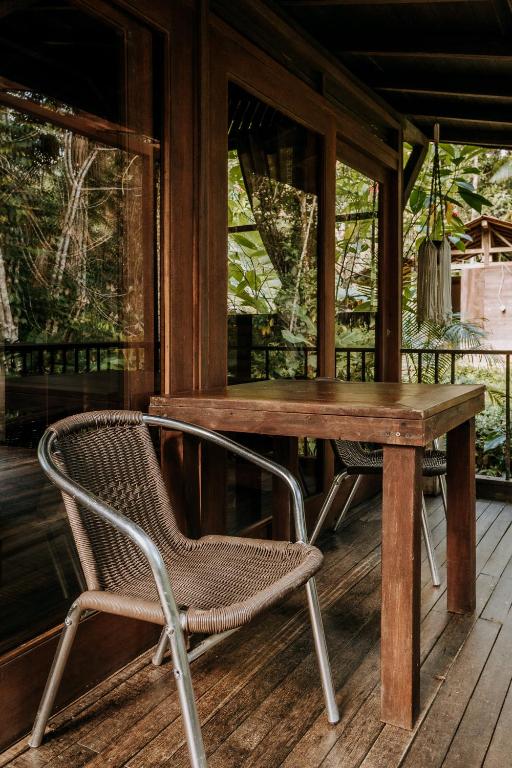
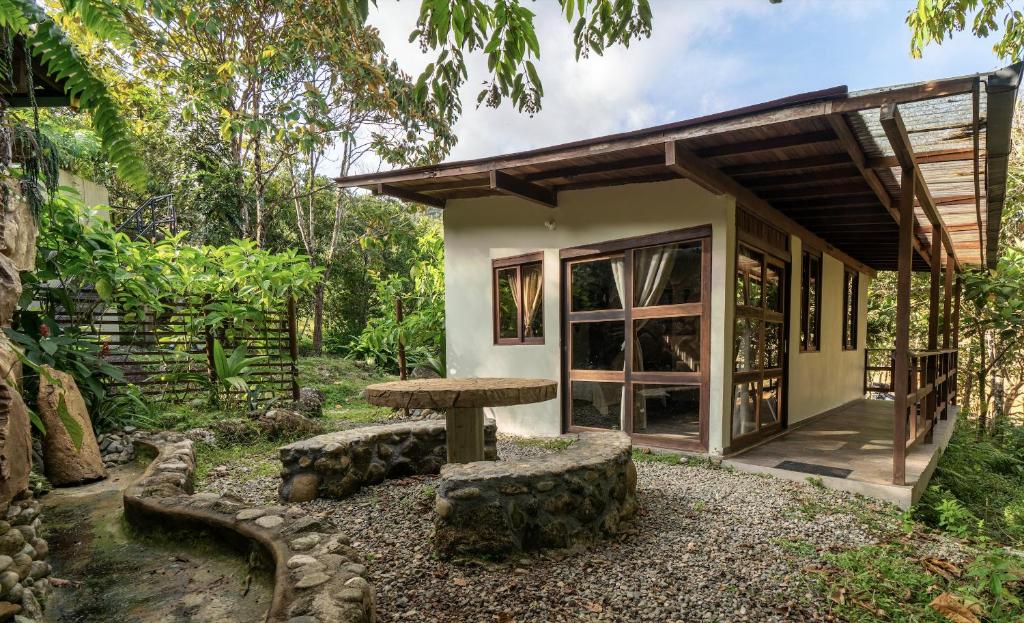
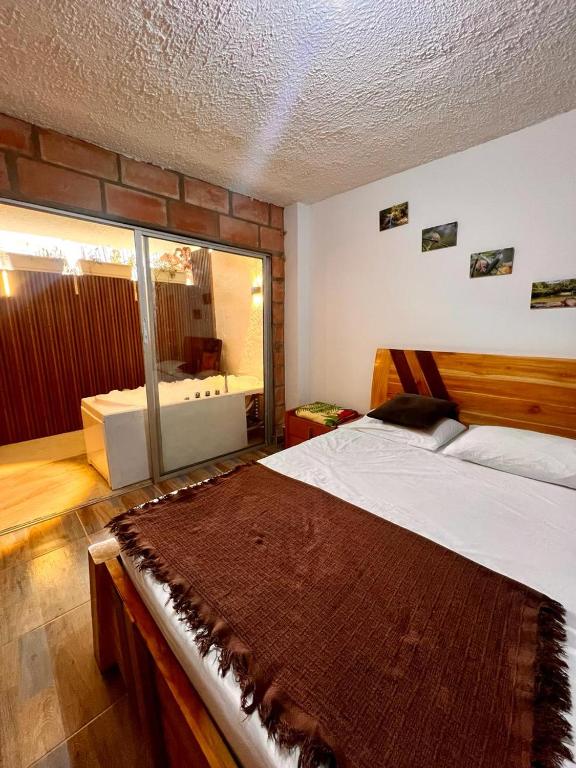
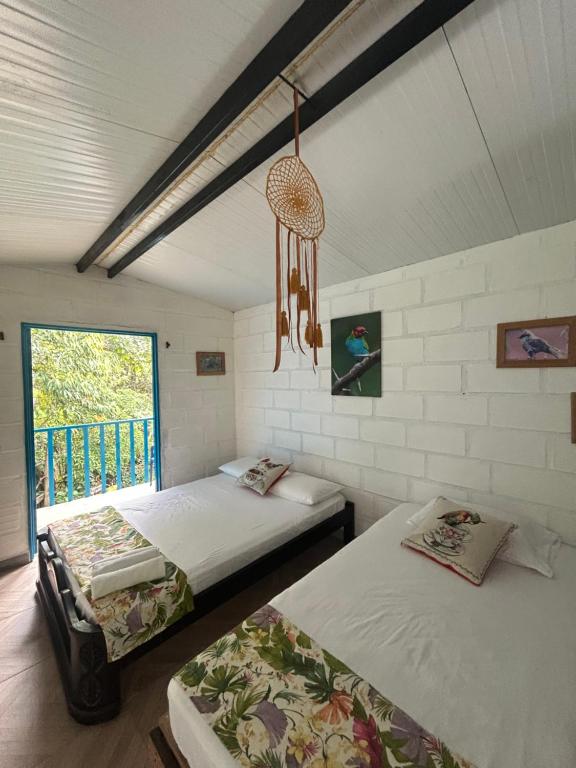
Confirm that the selected category has a private bathroom, whether it is inside or outside the room, and whether its toilet uses water or a dry system. Ask about hot water and fan or air-conditioning provision, since a comfortable-looking cabin or guesthouse does not establish those details. Also check the number of bedrooms, shared versus private kitchen or pool access, stairs and the final walking route, together with the meal and payment arrangements.
Prices are set by the booking site. We may earn a small fee, at no cost to you.