About Santa Marta
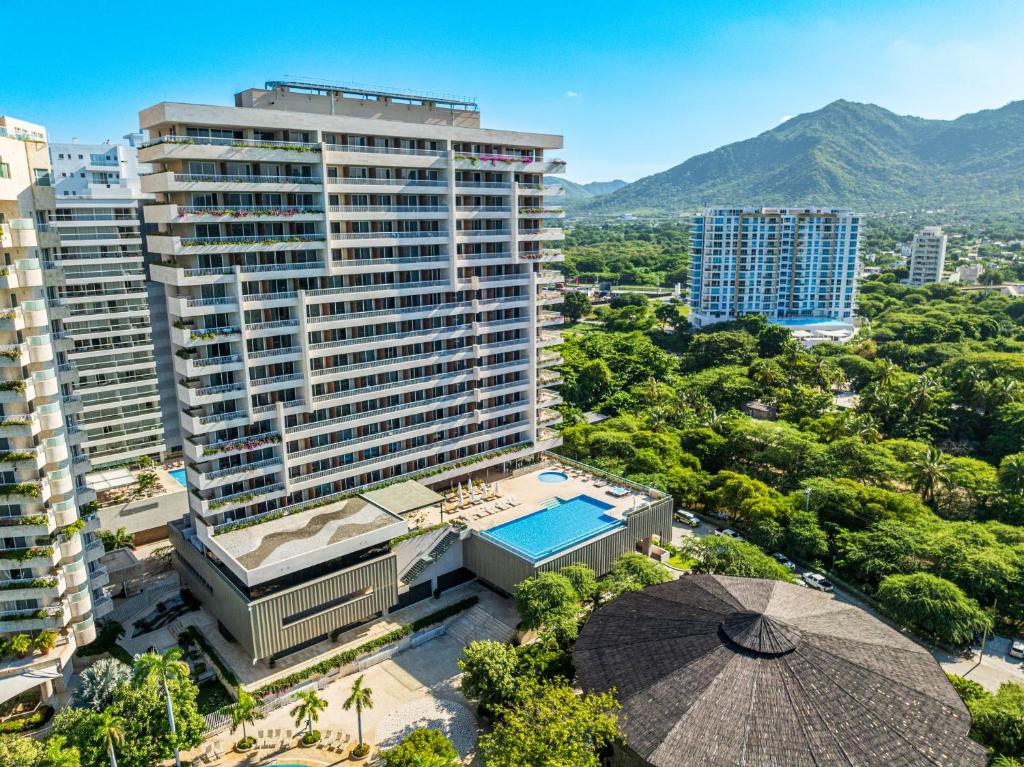
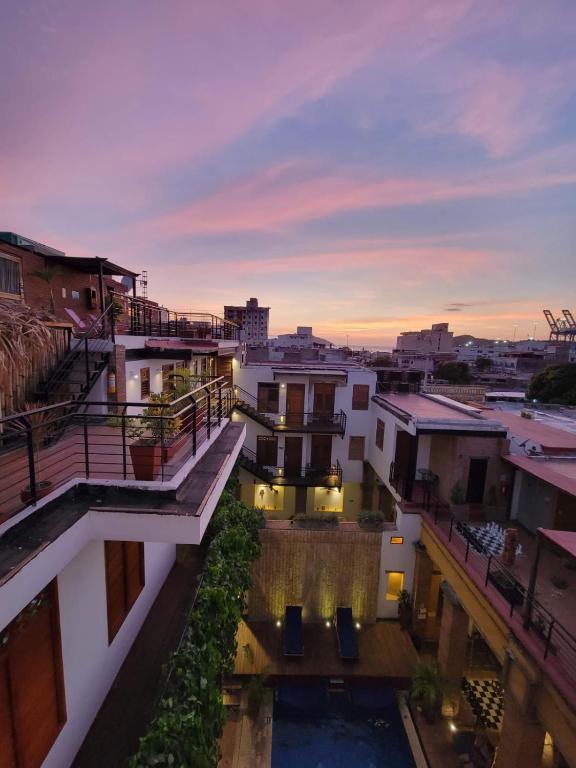
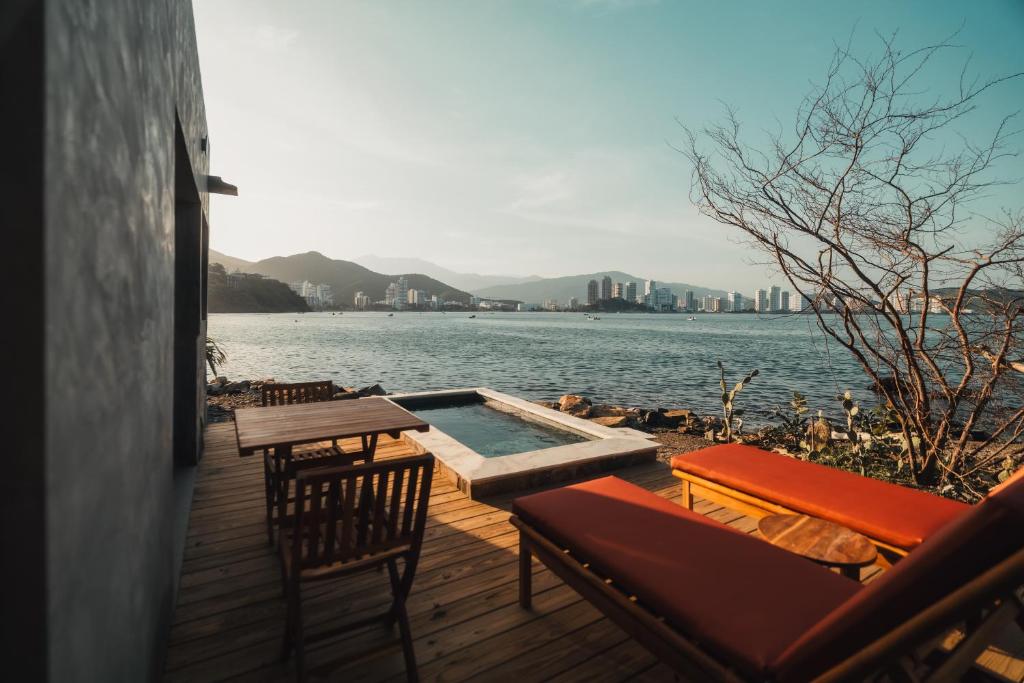
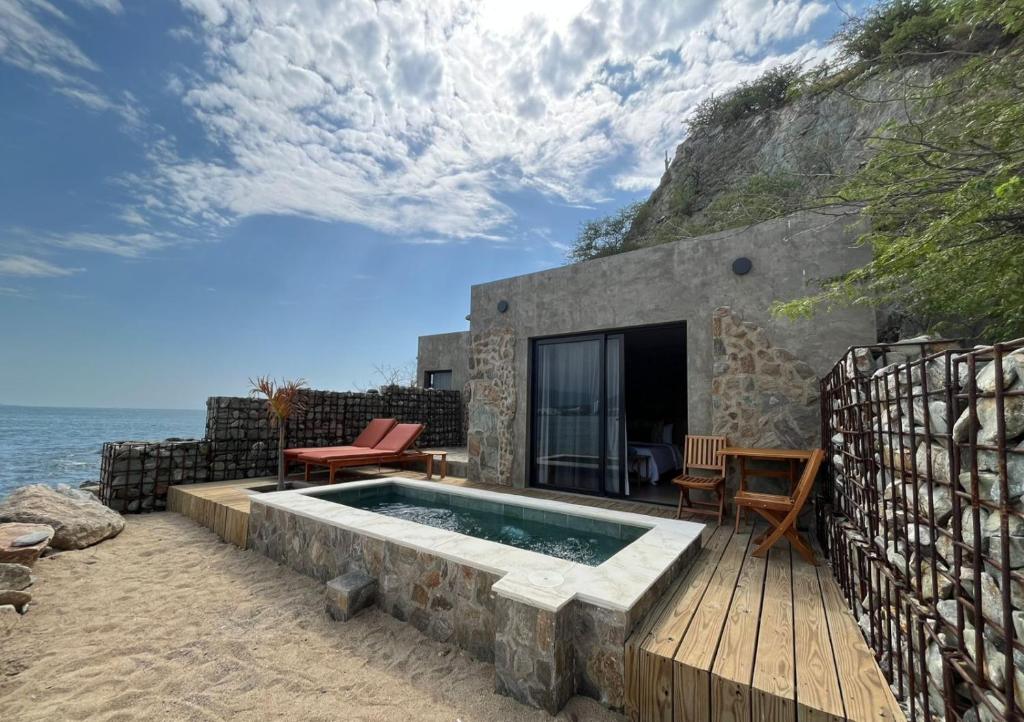
Santa Marta combines a walkable historic centre with several separate coastal settings. Choose the old town for restored houses, museums and dinner around Parque de los Novios. El Rodadero brings a busier beach neighbourhood, while nearby Puerto Luz offers a cove stay with its own arrival arrangements.
Farther south, Pozos Colorados and Bello Horizonte shift the day toward swimming, hotel gardens and time by the sea. The airport is on this southern side, but Tayrona's entrances lie in the opposite direction. Decide how much city life, beach time and travelling you want before choosing the room.
Common questions
Should I stay in the centre or by a beach?
Choose the historic centre if museums, cafés and walking out to dinner matter most. El Rodadero suits a beach neighbourhood with services, while Puerto Luz needs a more specific cove-arrival plan. Pozos Colorados and Bello Horizonte work well when you expect to use the hotel's pool, restaurant and shore access for much of the day. Compare the complete routine, including evening transport and excursion pickups, rather than the distance to the sea alone.
How many nights should I allow?
Four nights allow a city-and-museum day, a beach day and one substantial outing, with time to arrive and settle in. Three can work with a selective plan. Add time if you want both Tayrona and Minca: the park's coastal walks and the foothills' coffee, forest and birdwatching experiences deserve separate days. A split stay is useful only when changing hotels genuinely improves those plans.
How do I get from the airport to my hotel?
Simón Bolívar Airport, SMR, is on the coast south of the city, close to the Bello Horizonte and Playa Dormida corridor. Use an authorised airport taxi or an arranged transfer for a direct arrival. Public buses also serve the airport, but confirm the current route, stop and luggage arrangements before relying on them. The historic centre, El Rodadero and a cove hotel need different final approaches, so do not apply one airport-transfer time to every address.
Can I manage without hiring a car?
Yes. Walk within the historic centre or the main El Rodadero neighbourhood, and use arranged rides or local buses for the separate coastal districts. Confirm where an excursion collects passengers and where it returns, especially if your hotel is farther south. For Puerto Luz, agree the final arrival with the property. A map showing nearby beaches does not prove that a continuous, convenient waterfront walking route connects them.
What weather and busy periods should I consider?
Santa Marta is hot throughout the year. Historical IDEAM records show December–April as relatively dry, with more rain from May onward and a pronounced peak around September–October. Rain can still occur in the drier months, and sea conditions need a separate daily check. Colombian holiday weekends, the end-of-year season and school breaks can change the feel of beach areas; confirm the actual dates rather than assuming every week has the same rhythm.
What should I check before a Tayrona visit?
Choose the entrance and route first: El Zaino, Calabazo, Palangana and Bahía Concha serve different outings. The park currently publishes rest periods of 1–15 February, 1–15 June and 19 October–2 November, so check the current calendar before fixing the day. Its live guidance says entry depends on daily ticket availability rather than advance reservations, and visitor accident insurance is required. Confirm transport, walking demands and any guide arrangements for your route; admission does not include those services.
Can I swim at every beach or rely on a boat trip?
No single description covers every bay or every day's conditions. Use designated bathing areas, follow local flags and ask about the current shore conditions; Tayrona explicitly limits swimming to authorised zones and closes red-flag beaches. Before a boat outing, confirm the actual departure point, return plan and whether conditions allow the route. A sheltered-looking cove or hotel beach access is not a guarantee of calm water, so a pool can be a useful separate option.
Which cultural visits fit a city day?
Museo del Oro Tairona–Casa de la Aduana introduces the region's archaeological cultures and the history of the city and Magdalena, and fits a historic-centre walk with the cathedral and bayfront. Quinta de San Pedro Alejandrino is a separate road journey toward Mamatoco, combining Bolívar-related history, the botanical garden and the Museo Bolivariano's art. Check each institution's current programme and opening calendar, rather than treating the Quinta as another stop on the same short centre walk.
What local food should I make time for?
Try cayeye, a mash of green bananas, alongside the region's coconut rice, fried fish or a sancocho. The public market offers another way to explore these traditions, while the historic centre and El Rodadero give you restaurant choices for the evening. Ask about ingredients and portions, especially with fish or shared dishes, and leave some space for a simple local breakfast instead of arranging every meal around the hotel's main restaurant.
What should families and longer-stay travellers compare?
Ask for the actual room plan, admitted ages and bed arrangement. A duplex can involve internal stairs, a family room may keep all beds together, and a large resort can sell very different buildings or apartment categories. Check whether cooking facilities are private and usable, whether breakfast belongs to the chosen plan, and what pool access includes. A private jacuzzi or terrace does not mean a private swimming pool, and cots or extra beds may be unavailable.
Prices are set by the booking site. We may earn a small fee, at no cost to you.