About Cahuita
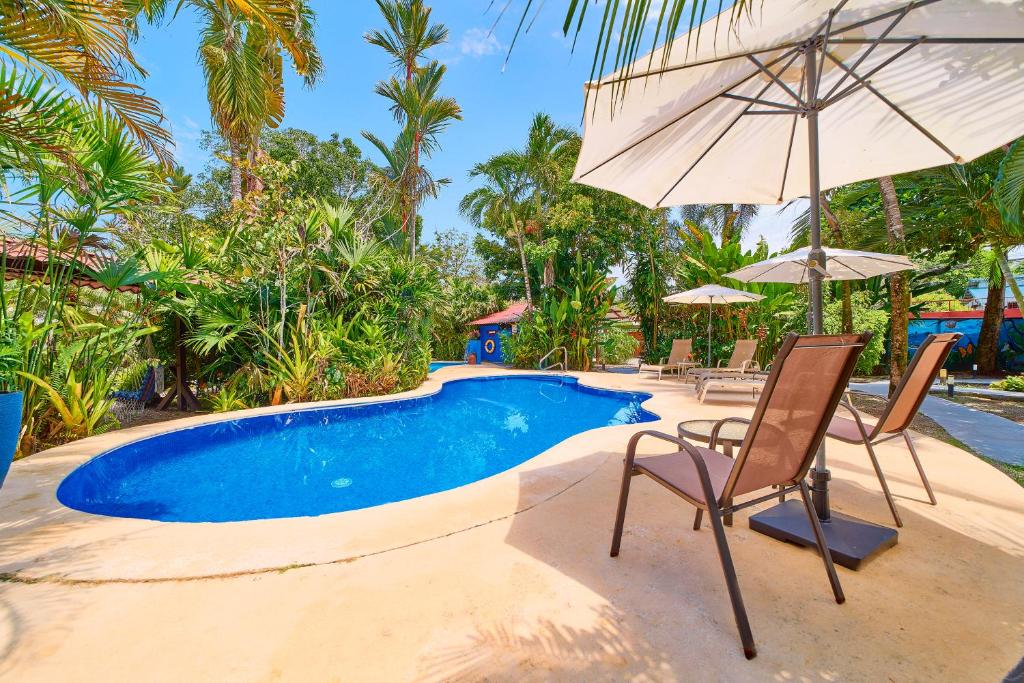
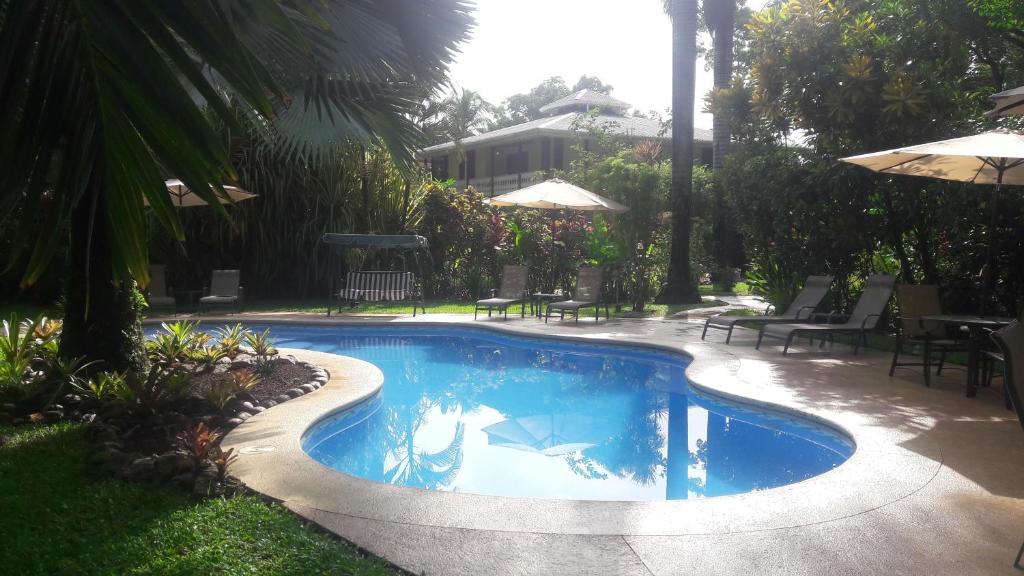
Stay in the village if the national park is the reason for this stop. You can walk to the Kelly Creek entrance in the morning, eat in town and return to the room between outings. Playa Negra makes a better base for a slower trip that includes time at your lodging. Farther north toward Playa Grande, the coast feels more separate from the village, so agree on transport before planning dinner in town. Three nights let you set aside one morning for the park and keep another open if rain moves your plans. Check the hotel’s location before booking. Cahuita can mean the streets around the entrance or a property several turns down a quieter coastal road.
The best reason to stay in Cahuita is to enter its national park early, before the coast trail becomes hot and busy. The village is small enough that you can eat in the centre and walk to the Kelly Creek / Playa Blanca entrance, but the name Cahuita also appears on properties several kilometres up the northern coast. The beaches are different as well: the park side has pale sand and protected forest behind it, while Playa Negra has dark volcanic sand and guesthouses set along a quieter shoreline. For a retreat around Playa Grande, the property and its garden may be more important than visiting restaurants on foot. Always compare the exact location pin with the entrance you plan to use.
Costa Rica's conservation authority, SINAC, describes two visitor entrances to Cahuita National Park. The Playa Blanca entrance sits beside the town and operates with a voluntary community contribution; Puerto Vargas is a separate managed entrance with a standard admission arrangement. They should not be confused when planning a walk, taxi or transfer. The park protects both coastal forest and a coral reef. On the trails, visitors may encounter howler monkeys, white-faced capuchins, sloths, toucans and other wildlife, although sightings are never guaranteed. Walk slowly and look upward into the trees rather than trying to cover the maximum distance. SINAC recommends a trained local guide, staying on established paths and not feeding animals or bringing pets. Reef snorkelling is limited to authorised areas and appropriate conditions; never stand on coral.
The climate is another reason Cahuita differs from the Pacific beaches. Costa Rica's official tourism board says the Caribbean has no sharply defined dry season: February–March and September–October are often relatively less rainy, while November–January and May–August can be wetter. Rain is possible in any month, and an afternoon shower does not necessarily ruin the next morning. A three-night stay is useful if the park is essential, allowing one planned walk and a backup morning for weather. Bring shoes comfortable on wet trails, water, sun protection and insect repellent; be prepared to slow down rather than chase an unrealistic wildlife checklist.
Car-free travel is possible, especially to a lodging near the central bus stop. MEPE publishes direct services between San José and Cahuita, estimating around four hours under normal conditions; verify the departure station and the current schedule shortly before travelling. From the village you can reach the park-side entrance on foot, but a hotel north of Playa Negra may require a prearranged taxi to make an early tour. The onward road toward Puerto Viejo passes the wider southern Caribbean communities, making Cahuita an appealing quieter base rather than a compulsory one-night transit stop. After dark, avoid relying on a long unlit coastal walk for dinner: confirm the hotel kitchen, nearby dining and return transport before leaving your room.
Common questions
Can I stay without a car?
Yes, particularly in the village. Check the bus for your travel date. If you stay farther north, ask the property about taxis and the last leg from the bus stop.
Which park entrance is easiest from town?
Kelly Creek is the village entrance. Puerto Vargas is a separate access point. Check the conservation authority’s notices before planning to walk between them.
When should I plan my park walk?
Start early and keep one morning flexible. The Caribbean coast can get rain at any time of year, and a shower can change your plans even on a short visit.
How many nights make sense?
Two nights cover a straightforward park visit. Three give you a spare morning and time around Playa Negra without trying to fit both into the same outing.
Are the two national park entrances the same?
No. Playa Blanca beside Cahuita village and the Puerto Vargas sector are separate gates. SINAC describes a voluntary community contribution at the town-side entrance and a different admission system at Puerto Vargas; check current official notices.
Can I snorkel anywhere along the reef?
No. The protected reef is a conservation area. Snorkelling is for designated zones and suitable sea conditions, with local guidance where required; never touch or stand on living coral.
Does Cahuita have the same dry season as the Pacific coast?
No. Costa Rica's tourism board identifies relatively less rainy spells around February–March and September–October on the Caribbean side. Rain can occur year-round, with wetter spells often in November–January and May–August.
Prices are set by the booking site. We may earn a small fee, at no cost to you.