About Bogense
Bogense is a compact harbour town on Funen’s north coast, where the church square, shopping streets and quays sit close together. Stay for slow meals, time beside the water and walks that can begin without a drive.
The accommodation is small in scale, but its arrangements vary: a hotel room with breakfast, a garden B&B, an adults-only harbour studio or a separate historic house. Choose by the morning routine and cooking space you want; the three settings are close to one another. These nearby streets belong to one walkable town.
Common questions
Where should I stay on a first visit to Bogense?
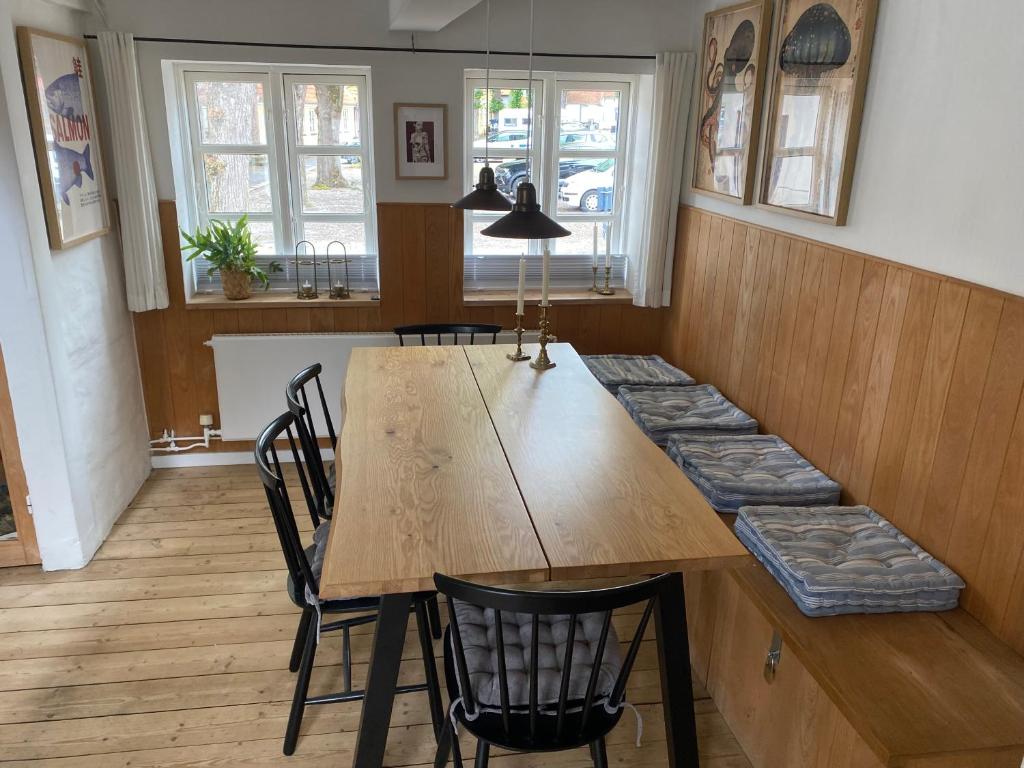
Start with the old harbour if the view and a waterfront breakfast are the main attraction. Choose the old-town streets if you prefer a garden, more indoor space or your own kitchen. Both settings let you walk between shops, the church square and the water. Decide whether you want a prepared breakfast and help on arrival or the independence of a studio or house, then check the exact facilities of that category.
How do I reach Bogense by public transport?
Travel to Odense, then take FynBus route 300A through Søndersø to Bogense. The operator’s current route page links the timetable valid from 2 August 2026; use Rejseplanen for your actual travel date and return connection. Bogense does not have a working passenger railway station: the former station now houses the local museum. Agree a late arrival with your accommodation after checking the bus, especially when the host has a limited reception period.
Will I need a car during the stay?
You can manage the town centre, old harbour and marina on foot, and the marked walking routes begin by the harbour. A bicycle can extend the day without moving accommodation. A car becomes useful for a broader Funen itinerary or visits to the different access points around Gyldensteen Strand’s birdwatching landscape. Keep parking and unloading instructions separate from assumptions about the address: a central house or harbour studio may direct you to nearby public spaces.
How many nights are useful?
Two nights give you one complete day for the old streets, harbour and an unhurried walk, with time to settle into a small property. Add a third for a longer coastal route, birdwatching or a relaxed beach day. A single night can work as a stop on Funen, but check the calendar first: the Thursday market and the museum’s limited winter opening days do not automatically fit a weekend visit.
When is the best time to visit?
Summer suits beach time, outdoor meals and the marina atmosphere. The official listing gives 7–8 August for the 2027 Rose Festival, so arrange the room type you want early if that is your reason to come. Outside summer, the appeal shifts toward town walks, birdlife and a comfortable place to return to. Wind can shape a coastal day; check restaurant opening days and the museum calendar before building a short break around them.
How should I plan the museum and market?
Nordfyns Museum occupies the former station at Vestergade 16, with local archaeology, everyday history and displays about the old railway. Its own September–May timetable lists Tuesday and Wednesday, 10:00–12:00 and 13:00–16:00; it also closes between Christmas and New Year. Confirm summer dates separately. The market takes place on the old square by the church every Thursday throughout the year. Those different schedules are worth considering before choosing your overnight dates.
Is the marina beach the same as the sea bath?
They are different public places. The marina has a sandy beach with shallow water, although its official description also warns of strong currents, so follow local bathing notices. Bogense Søbad is the bathing installation by the old harbour, with separate arrangements for changing rooms and sauna access. The tourism page still carries a sauna repair notice; ask the tourist office for the current status and access code before relying on it. Neither facility is a private hotel pool.
Which walks fit a short stay?
The green Clover Leaf route is a 2.3 km introduction to the old streets, church square, coast and harbour. The blue route is a longer 6.3 km coastal and dike walk, while the red route covers 8.1 km through the meadows and marina surroundings. Pick up the current route map at the harbour starting point and choose a distance that fits the weather and your day. Gyldensteen Strand also has designated paths and birdwatching towers for a separate nature outing.
What should I check before booking a room or apartment?
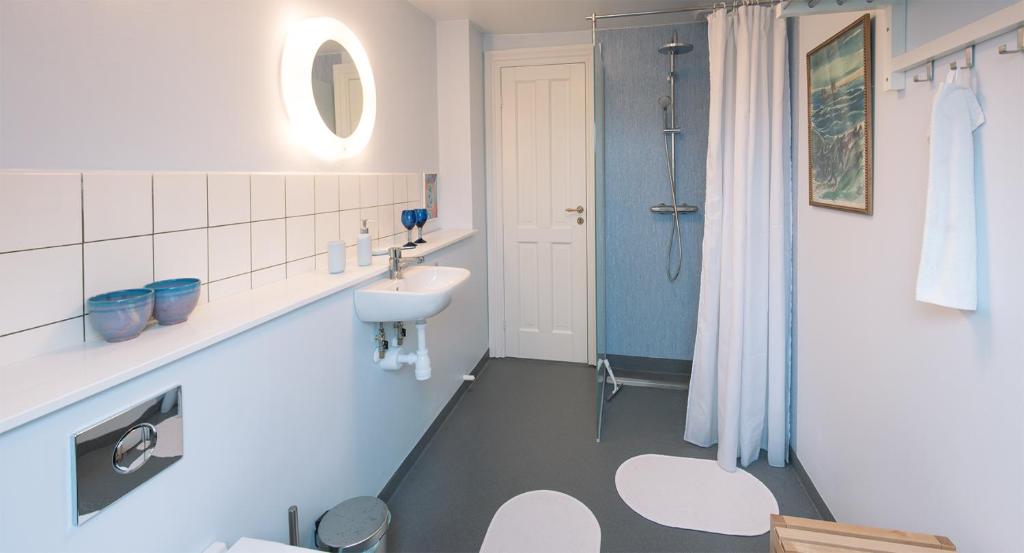
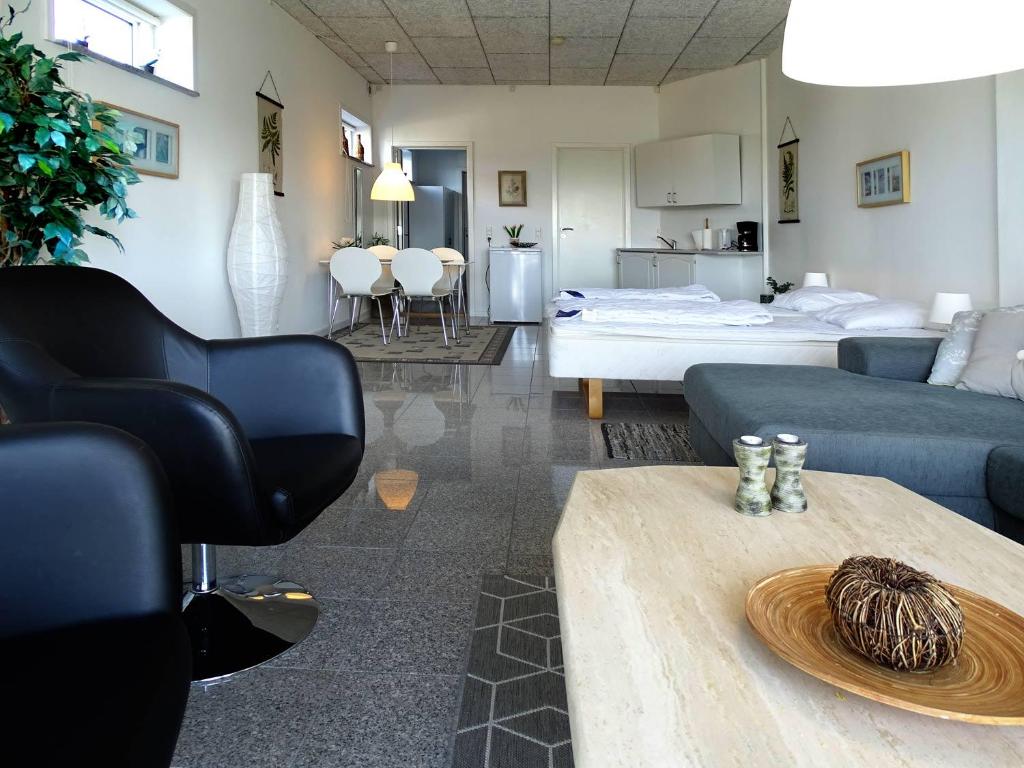
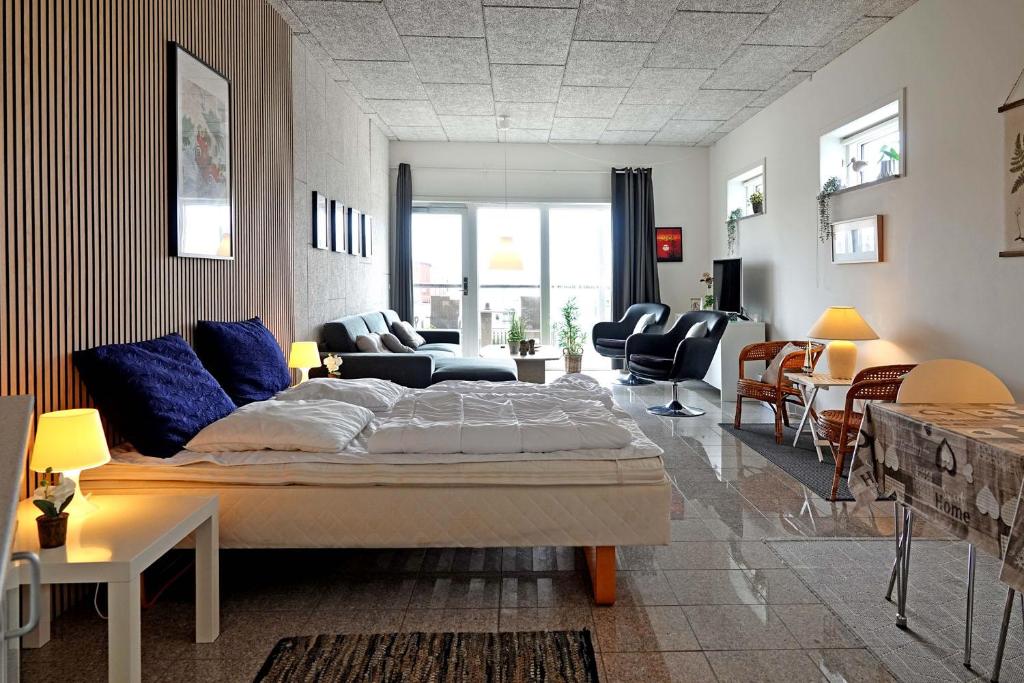
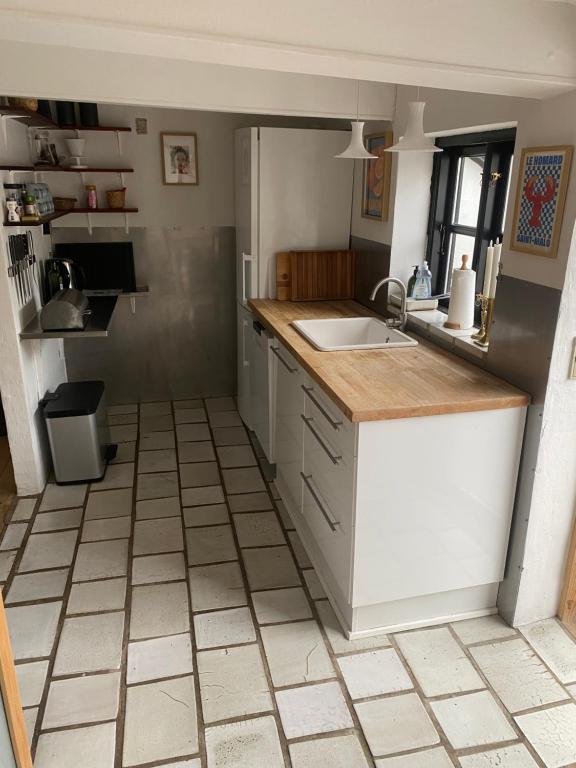
Check cooking, linen and arrival arrangements as carefully as the bedroom count. A private bathroom does not necessarily come with a private kitchen, and a studio described as having a kitchenette may have no hob or oven. Some stays include breakfast and linen; others require you to arrange them separately. Ask about stairs, seasonal minimum stays and age restrictions, particularly for harbour studios. For a whole house, confirm the sleeping layout and whether nearby evening activity will suit your group.
Prices are set by the booking site. We may earn a small fee, at no cost to you.