About Portoviejo
Portoviejo is an inland Manabí city where a meal can be the centre of the day's plan. Its recognition as a UNESCO Creative City of Gastronomy dates to 2019, and local food heritage has been part of the city's recovery and cultural life following the 2016 earthquake.
Mercado Plaza Central is a useful place to start exploring that cooking: Ecuador's tourism service highlights viche with fish and peanuts, ceviches, country-chicken dishes and green-plantain preparations. Ask what the kitchen is preparing that day and leave space to try more than one tradition across the visit, rather than treating the market as a quick stop between drives.
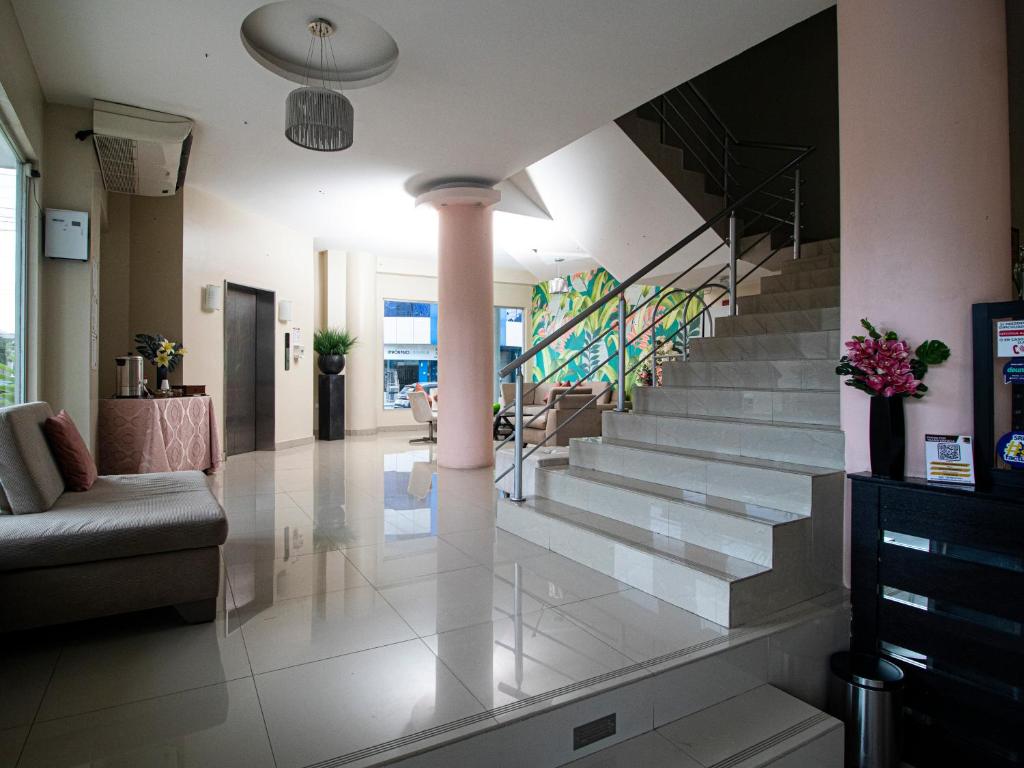
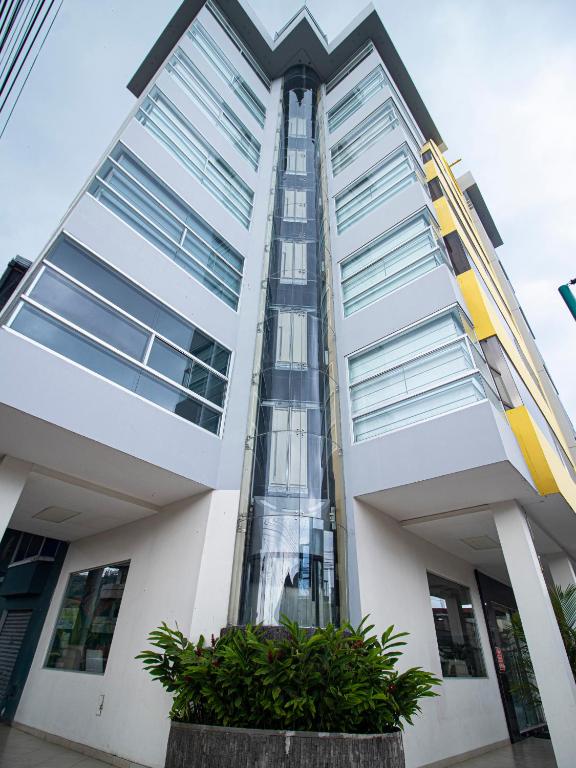
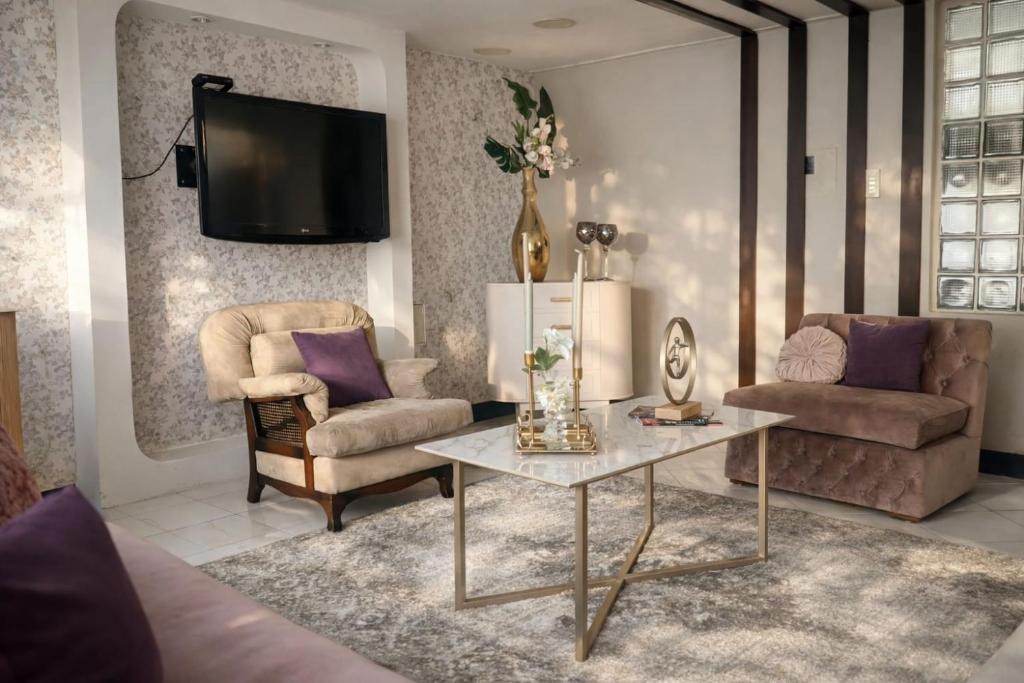
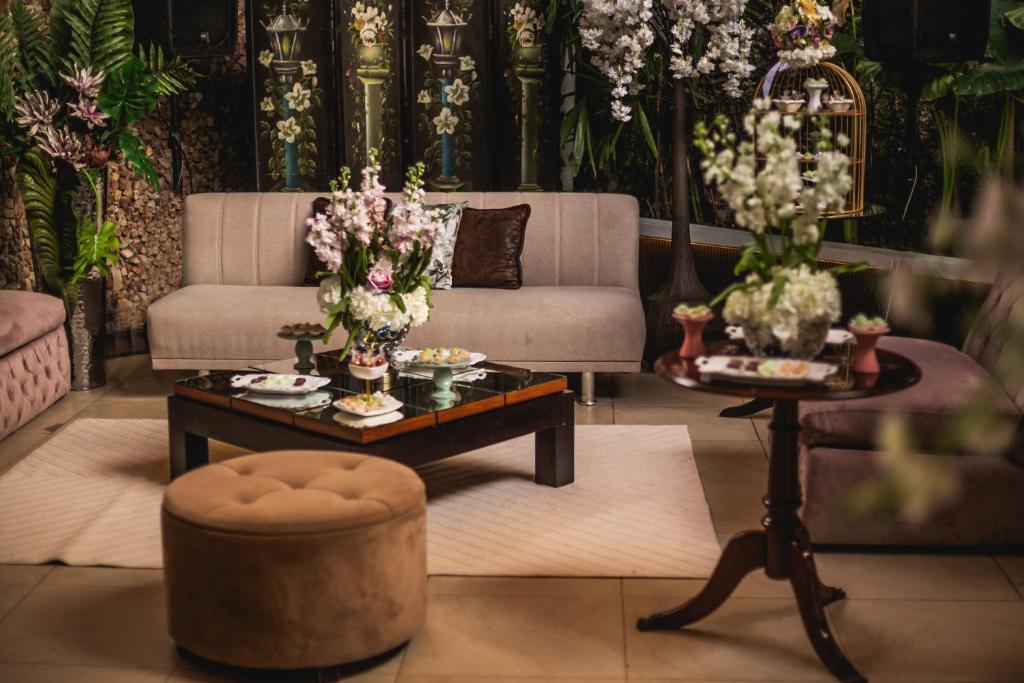
For accommodation, compare three genuine street settings within the city: Pedro Gual and Espejo, Avenida Manabí, and the Avenida Universitaria–Ciudadela Universitaria area. The differences are chiefly the hotel format and nearby urban surroundings, from larger service-focused hotels to smaller garden or courtyard properties.
La Rotonda and Las Vegas are city parks to consider alongside the food stops and museums. Hojas-Jaboncillo at Picoazá is a separate archaeological outing, with Manteña heritage, interpretation spaces and trails in dry-forest surroundings; confirm visitor arrangements before heading out, and keep a city hotel booking distinct from plans for the beach.
Common questions
Where should I stay for a first visit to Portoviejo?
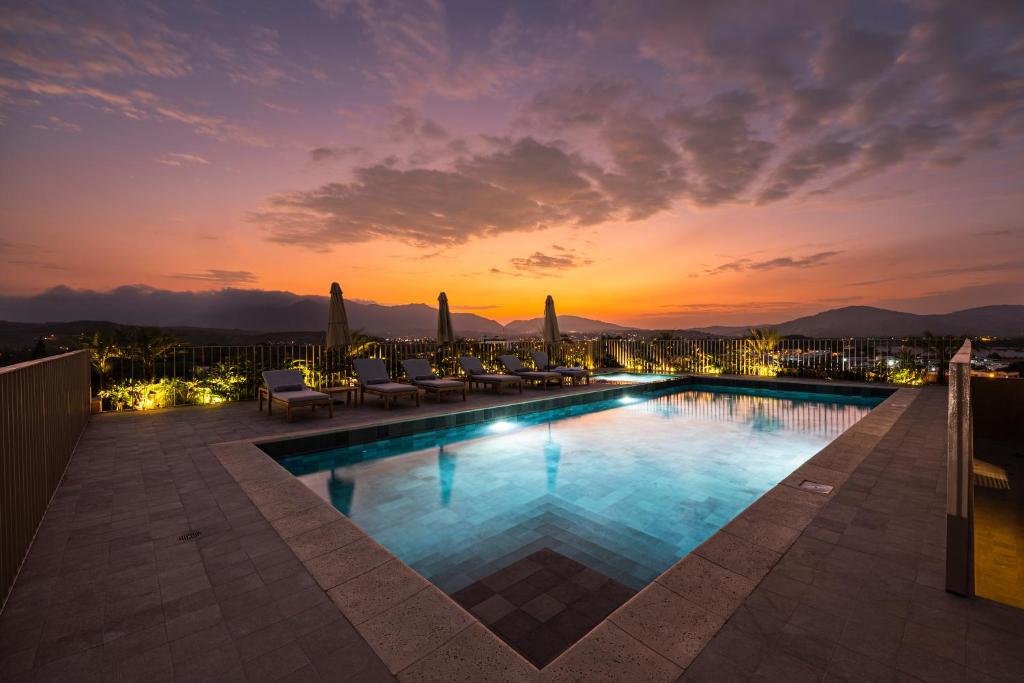
For an introduction centred on the city, look at Ceibo Dorado's central cross-street location or the smaller hotels around Universitaria. Avenida Manabí is useful when you want a hotel with more on-site services, particularly Oro Verde's pool and business facilities. Let the daily plan decide: a garden, a private kitchen and a rooftop hotel each change how much time you may want to spend at the property.
Is Portoviejo a beach destination?
It is an inland city, so a Portoviejo hotel should be chosen for urban services, food and excursions rather than immediate beach access. A trip to the coast needs separate transport and time. If the main purpose is to spend every morning and evening on the sand, compare a coastal stay instead of assuming a hotel in Manabí automatically has a seaside location.
Which Manabí dishes are worth exploring?
Start with viche, a fish-and-peanut soup, and the region's ceviches, then look for country-chicken preparations and dishes based on green plantain. The tourism service names bolones, tigrillos and corviches among the options around Mercado Plaza Central. Menus and preparations vary, so ask about ingredients and what is available rather than expecting every stall to serve the full list.
Do I need a car for this visit?
A city stay can work with walking for suitable central stretches and arranged rides between addresses. You need a separate plan for Hojas-Jaboncillo at Picoazá or a coastal excursion, including the return journey and current visiting arrangements. If driving, confirm your hotel's parking space and access in advance, particularly at smaller properties where parking is not something to assume on arrival.
Which hotels suit families, kitchens or pool time?
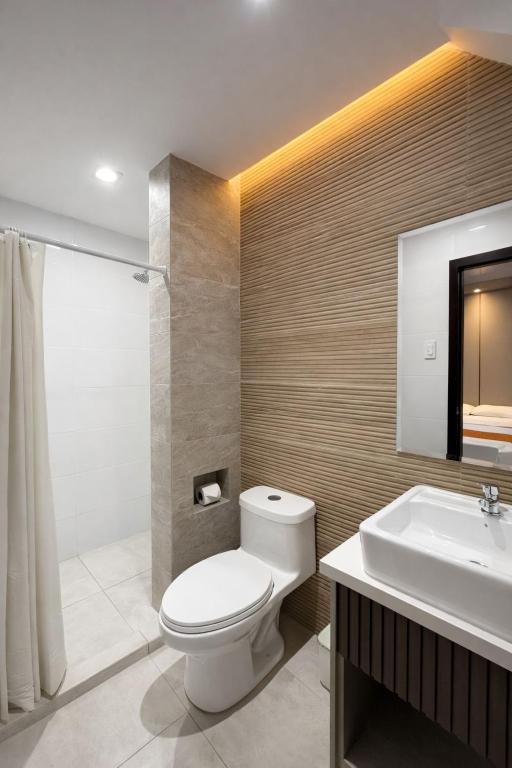
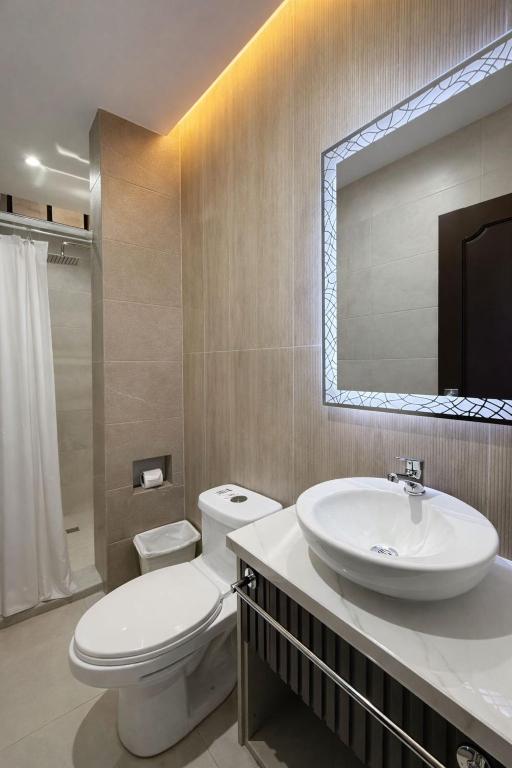
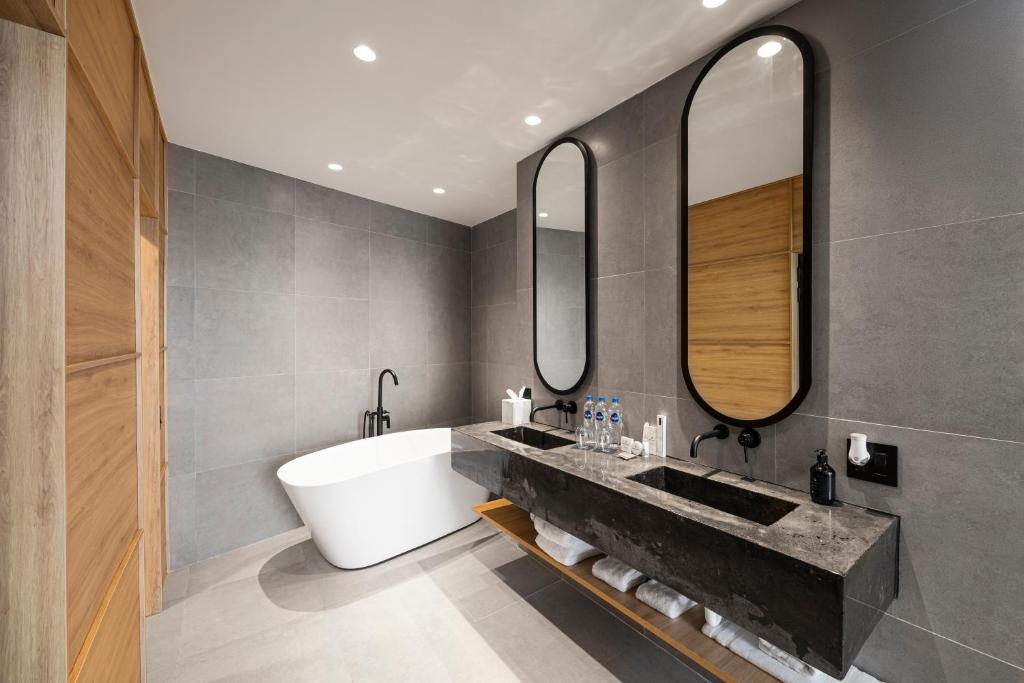
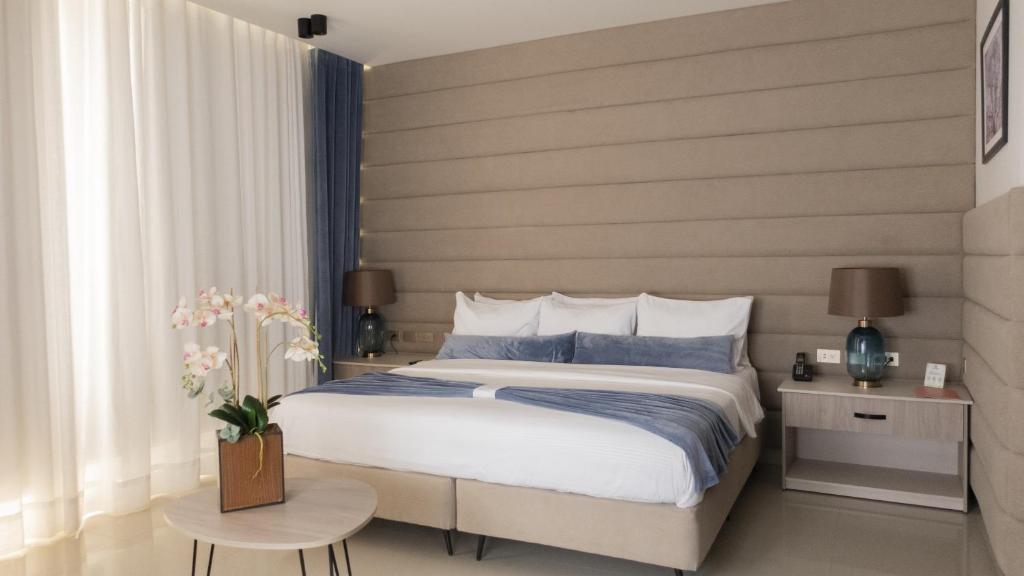
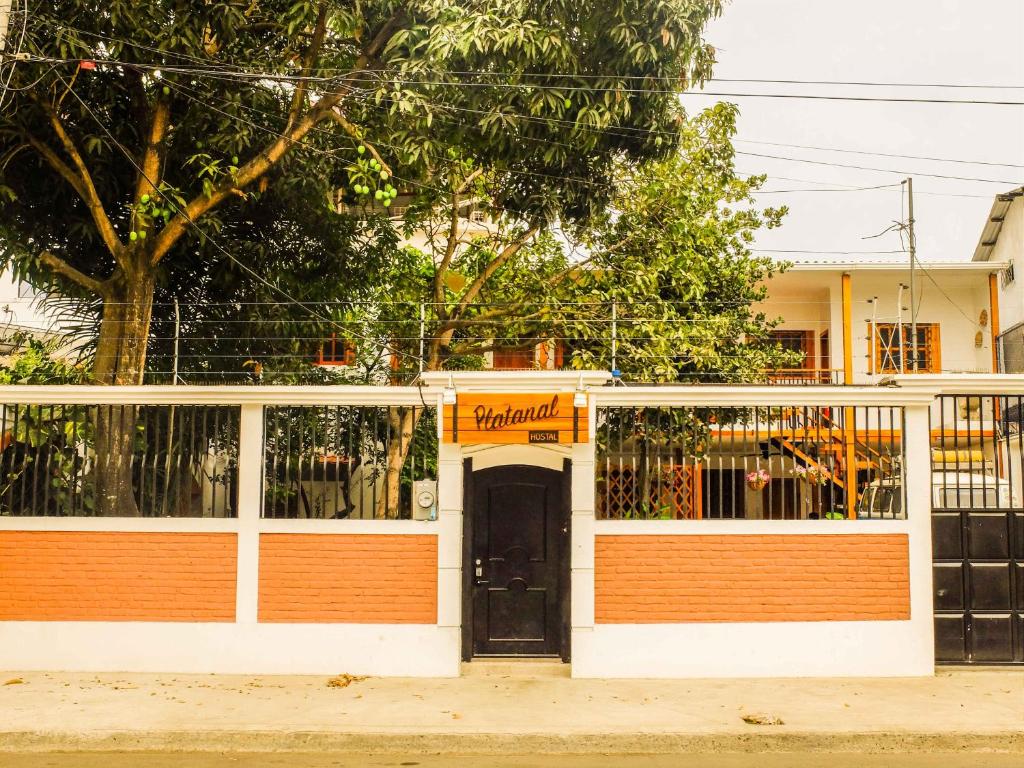
Oro Verde and Casa Lolita offer pools, but choose the actual family room or bed arrangement for your party. Platanal has selected apartments with kitchen facilities as well as ordinary rooms and a shared kitchen, while Madrigal offers straightforward family rooms. Verify a kitchenette, spa bath or balcony against the exact category you reserve instead of applying photographs from a larger suite to every booking.
How long should I stay, and what can I do beyond eating?
Two nights gives a useful day for the city, a market meal and time in La Rotonda or Las Vegas. Allow more time if you want a museum visit and a separate trip to the Hojas-Jaboncillo archaeological complex, rather than squeezing those into departure day. Check the current visitor arrangements for each cultural site; the parks and food scene also support a slower visit without a fixed excursion programme.
Prices are set by the booking site. We may earn a small fee, at no cost to you.