About Saint-Amand-Montrond
Saint-Amand-Montrond rewards a stop long enough to get beyond the motorway. Its covered market occupies a nineteenth-century metal hall on Cours Manuel, with traders spilling into neighbouring streets on Wednesday and Saturday mornings.
Around it, old townhouses, small shops and café terraces give the centre a useful everyday rhythm. The town's history brings together two former settlements, canal commerce and a goldworking tradition that developed in the late nineteenth century.
Begin with the Musée Saint-Vic, housed in a former residence of the abbots of Noirlac. Archaeological finds, regional traditions and paintings tell a more local story than a circuit of grand Loire châteaux.
The fortress of Montrond offers a different scale: excavated ruins and bastioned defences on the hill, with guided and independent visits on a seasonal calendar. Check admission dates before making it the centrepiece of a short stay.
A second day can move between the Canal de Berry, Lac de Virlay and the Cistercian Abbey of Noirlac. The lake has a four-kilometre walking circuit, picnic space and seasonal boating; the abbey brings a cloister, former monastic rooms, gardens and a sound installation.
These are separate outings with their own access arrangements. Choose a central room if evenings in town matter most, or a northern base if you prefer to return to a hotel dinner after exploring.
Common questions
How many nights should I allow?
Two nights give you time for the historic centre and an abbey visit without reducing the town to a motorway stop. Add a third for a slower lake or canal day. If the market or fortress is a priority, choose the dates around its actual opening pattern before booking a room.
Can I arrive by train and manage without a car?
The station is Saint-Amand-Montrond–Orval, on Avenue de la Gare in Orval. Current services include trains towards Bourges, Vierzon and Montluçon, with coaches on some departures. Check the mode as well as the time, then arrange the final journey to your accommodation. The centre is the simplest base for meals and sights on foot; rural outings need separate planning.
Should I choose the centre, the lake or Bruère-Allichamps?
The centre offers the greatest choice of rooms near shops and restaurants. Le Noirlac suits a stay with a hotel dinner, seasonal pool and lakeside walks. Les Tilleuls puts you in a smaller village for abbey and countryside trips. Consider where you want to eat in the evening and how you will get back afterwards.
When are the market, museum and fortress open?
The market runs on Wednesday and Saturday mornings. Musée Saint-Vic operates through the year with seasonal hours and weekly closing days; its late-year schedule closes on Mondays and Tuesdays. Fortress visits are seasonal and may be guided or independent on different dates. Check both cultural calendars instead of assuming that either attraction is open every day.
Is the Abbey of Noirlac part of Le Noirlac hotel?
No. The hotel is by Lac de Virlay, while the abbey is a separate monument near Bruère-Allichamps. Its cloister, church, former communal rooms and gardens can be visited independently or on scheduled tours. The résoNance sound trail runs on opening afternoons; check the current seasonal timetable. Allow for seasonal hours and the published winter closure from 21 December to 31 January.
What should I check about rooms and arrival?
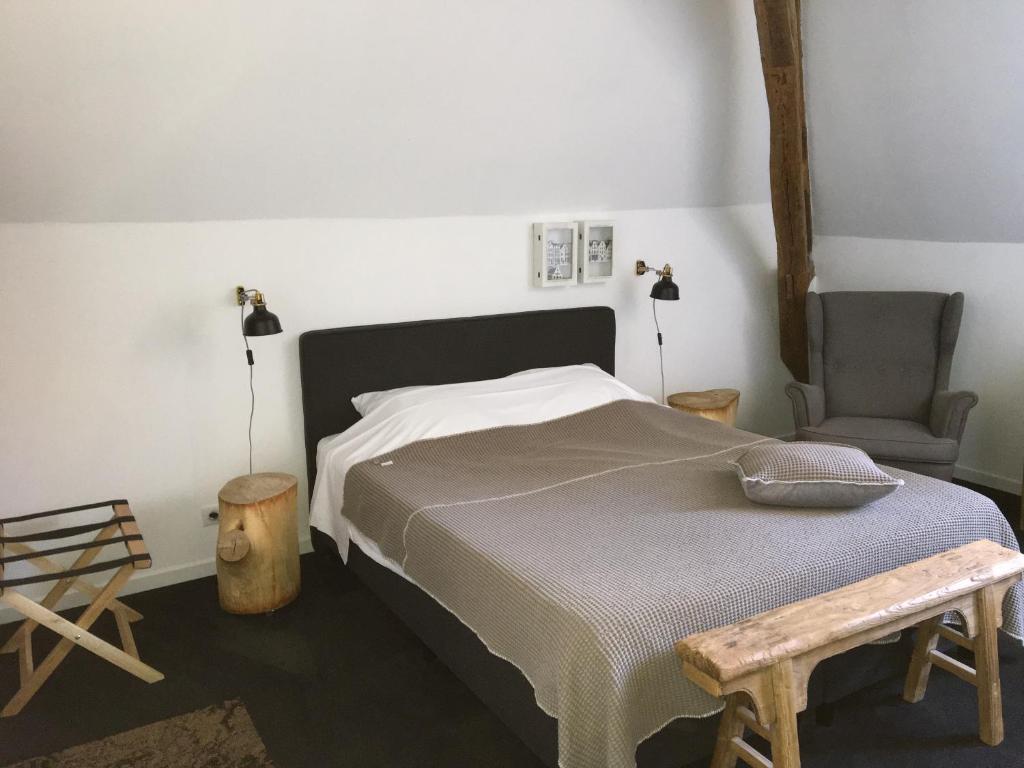
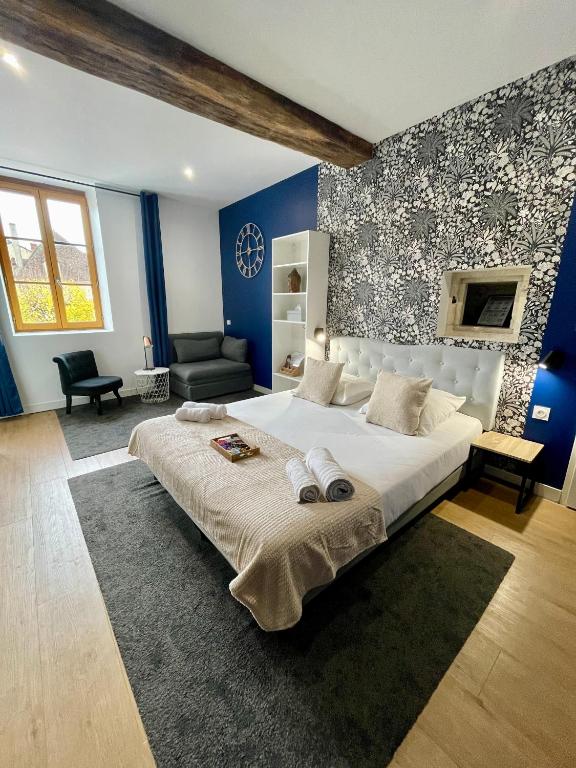
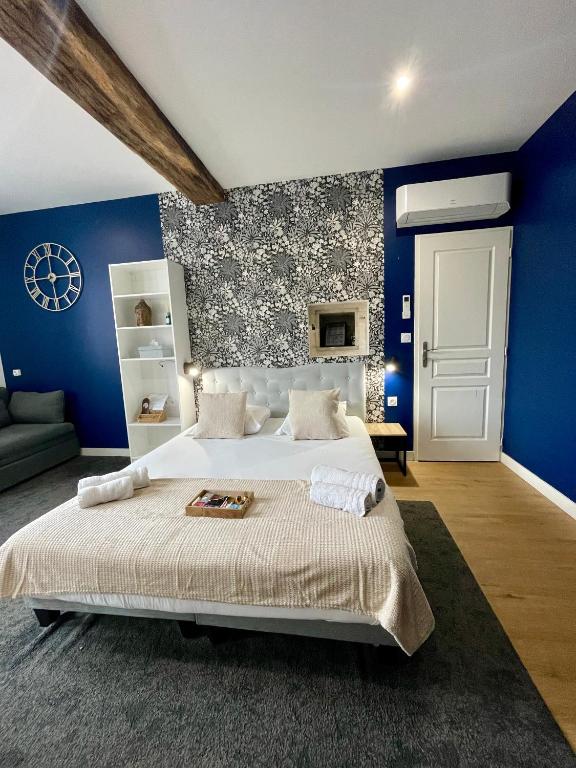
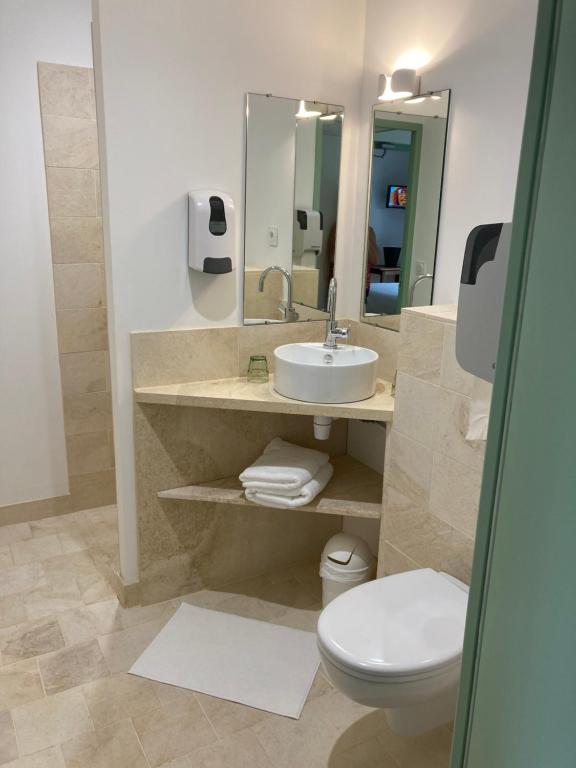
Ask about the full access route and the exact room category. Fleurie uses stairs; L'Amandois and Les Tilleuls list adapted rooms that need to be secured specifically. Chez Diane has family suites but normally operates around the weekend. La Place uses self-check-in and provides a microwave and drinks equipment, which should not be mistaken for a complete kitchen.
Prices are set by the booking site. We may earn a small fee, at no cost to you.