About Matala
Matala is more than a photographed rock wall: it is a compact south-Crete village where an ancient burial landscape sits beside a lively sandy beach and narrow lanes full of tavernas.
On the north side of the bay, caves cut into the limestone cliffs were used as tombs in the Greco-Roman period; decades later they became associated with the counterculture travellers who lived here in the 1960s and 1970s.
The Greek archaeological authority manages the cliff caves as a heritage site with admission and published opening hours, so do not treat the rock face as an unrestricted climbing playground. That history is the reason to stay after beach day-trippers have departed, when the lit village and the bay take on a calmer mood.
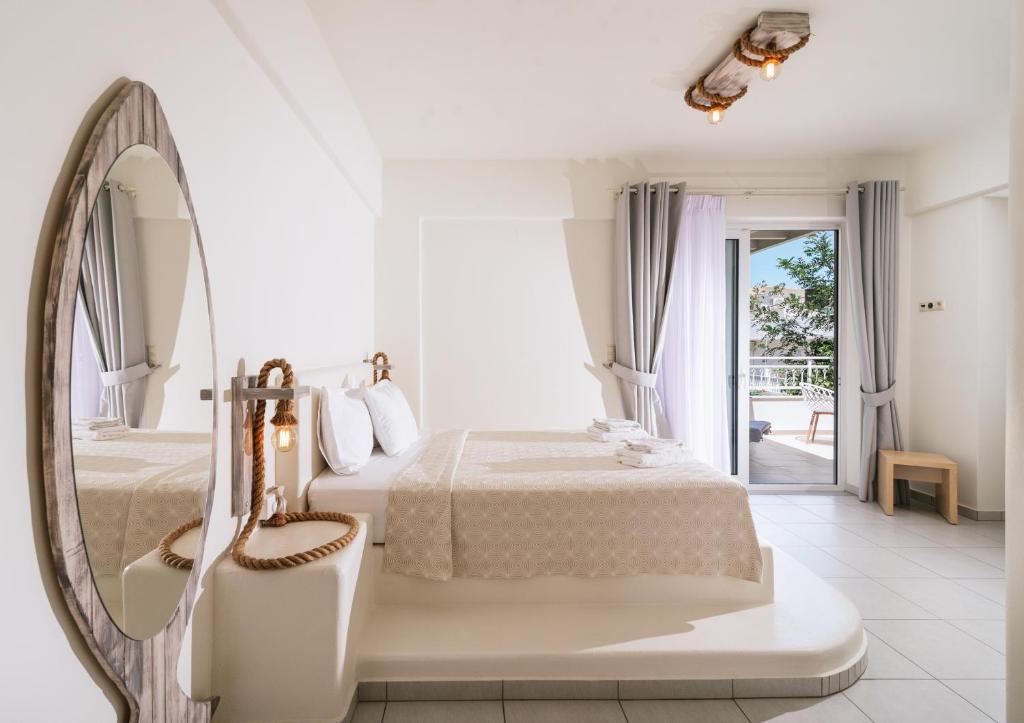
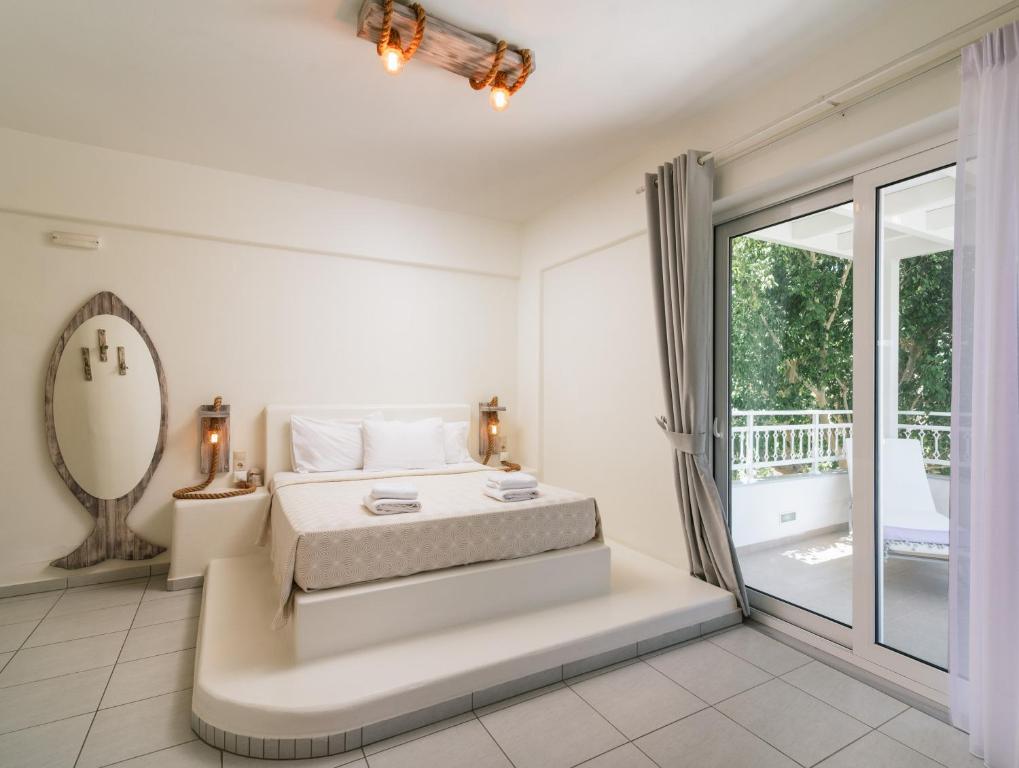
If your main goal is the cave backdrop and restaurants, choose a room in the old beach streets: the water, tavernas and entrance to the archaeological site are a short stroll away. A family may prefer one of the garden hotels along the approach valley for a swimming pool and more space, but that choice comes with a longer walk or a vehicle transfer to the famous sand.
The other key walk starts beyond the village and climbs a rocky trail to Red Beach, a small cove with reddish sand. Local guides give roughly 15 to 25 minutes each way, but the path is steep in places, has little shade and should not be attempted casually in flip-flops. It is known for naturist visitors, so consider whether the atmosphere suits your party.
North beyond the village, Kommos is a much longer sandy beach associated with nesting loggerhead sea turtles, and the ancient Minoan palace at Phaistos is a separate road excursion inland. Do not wander through protected nesting areas or confuse Kommos with the main Matala beach.
Matala can be reached by intercity bus from Heraklion; Greece's official tourism site gives a journey of about an hour and three quarters, while schedules depend on season. Outside the main summer months, archaeological opening hours become shorter and several beach businesses and hotel pools close, including the Fragiskos pool from November 2026 through March 2027.
Matala is best over two nights: one for the caves and village, another for a safe early hike or a history excursion.
Common questions
What are Matala's caves?
They are limestone chambers used as a Greco-Roman necropolis, later famous as a 1960s and 1970s counterculture refuge. The site is managed by Greek heritage authorities.
Can I enter the caves in November?
The Hellenic Heritage listing gives winter opening hours from 1 November through 31 March, generally 08:30–15:30, with listed holiday closures. Check the official calendar before visiting.
How do I reach Red Beach?
Follow the marked rocky trail south over the hill from the village. Local guides estimate roughly 15–25 minutes each way, but it involves climbing and a steep descent; wear good shoes and bring water.
Is Red Beach a family beach?
The walk can be tiring with children, there is limited shade and some visitors practice naturism. For an easy sandy day, the main Matala beach is more convenient.
Where is Kommos and why is it protected?
Kommos lies north of Matala and has ancient port remains and a nesting habitat for loggerhead sea turtles. Avoid disturbing protected areas and follow local beach guidance.
Can I arrive from Heraklion by bus?
Yes. Greece's official tourism site describes an intercity bus connection of about 1 hour 45 minutes. Confirm the actual KTEL schedule and the last return before travelling.
What should I see besides the beach?
Combine the cliff necropolis with village lanes and, with a vehicle, the Minoan Palace of Phaistos. Treat Red Beach and Kommos as separate outings rather than assuming one short walk covers all.
Prices are set by the booking site. We may earn a small fee, at no cost to you.