About Ponorogo
Ponorogo is a strong reason to stop in southern East Java rather than treating the road between Madiun and the hills as empty travel time. It is the home of Reog, a dramatic theatrical dance whose huge Dadak Merak mask combines a tiger's face and a peacock crown. UNESCO inscribed Reog Ponorogo in 2024 on its list of intangible cultural heritage in need of urgent safeguarding. That recognition reflects the effort required to keep the tradition alive, not a guarantee of a show every day. The town is where makers, dancers and communities maintain it through training, festivals and performances. Book a night around the alun-alun to walk in the cooler evening, eat chicken satay and check whether a local Reog event is scheduled during your visit.
The central square is an easy orientation point. The official Ponorogo visitor portal locates the Reog statue at Alun-Alun Ponorogo and a small Reog Museum on Jalan Bhayangkara; the larger Reog monument is in Sampung to the west, not in the same block. Spend one afternoon in town rather than attempting to see every cultural site in one hurried loop. Ponorogo's grilled chicken satay has its own style: the regency tourism office explains that the meat is filleted rather than cut into cubes, then grilled and served with a peanut-based sauce. Purbosuman and the Ngepos satay tradition are associated with that food. An evening in the centre combines local dining with the lighted square, especially on busy weekends, but road noise varies by hotel.
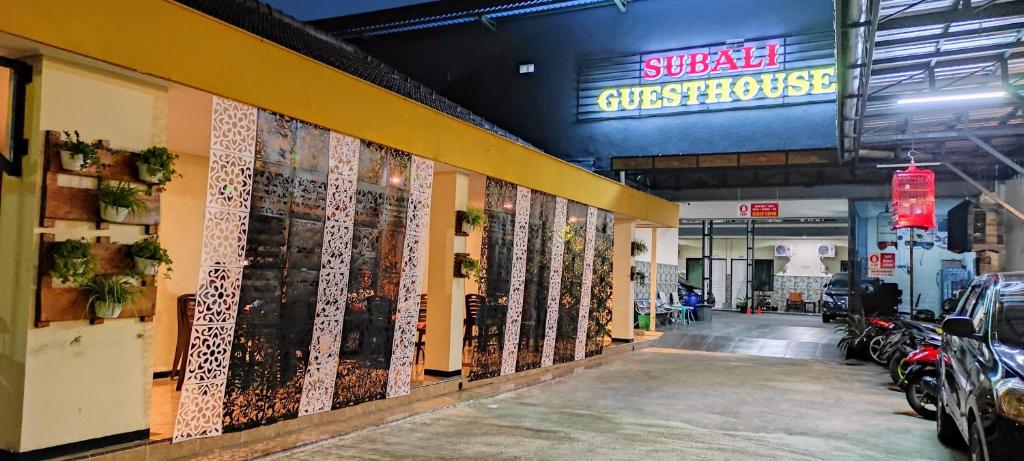
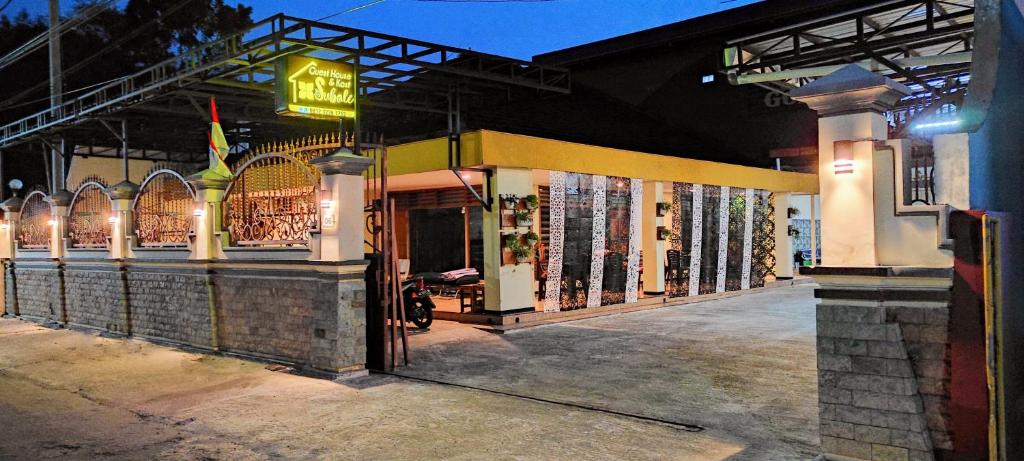
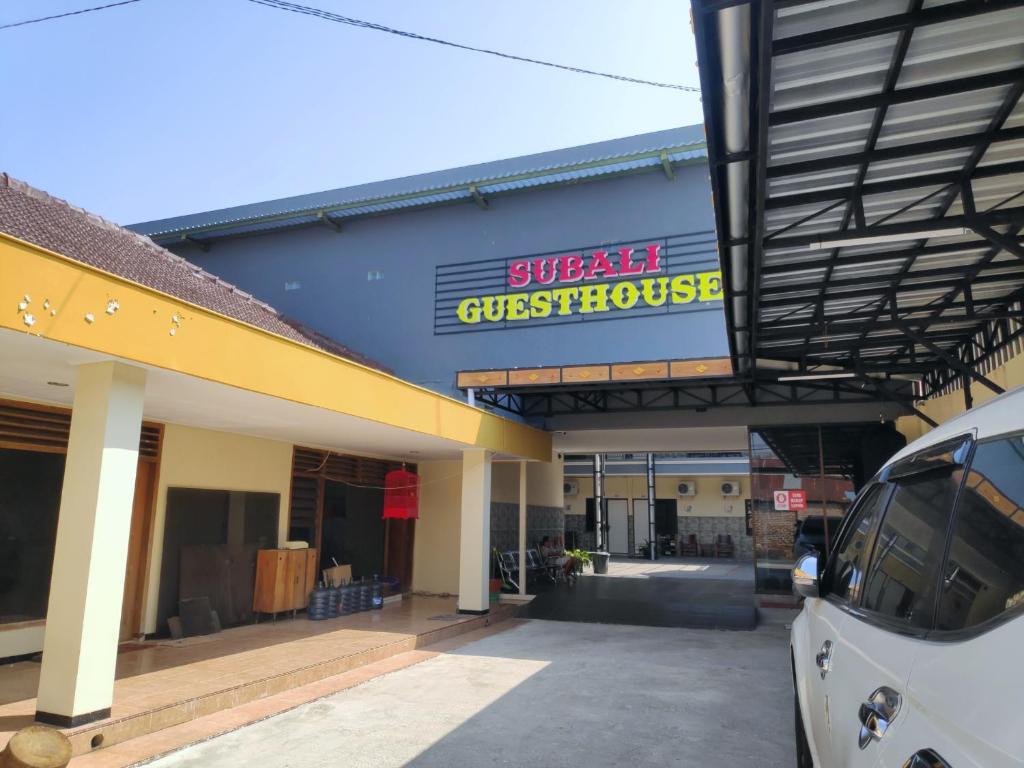
Hotel location makes more difference than the town's modest size suggests. On Jalan Juanda, Amaris is close to shopping and restaurants, suitable for people arriving by car who want practical facilities nearby. Around Soekarno Hatta and Jalan Subali, smaller hotels and guesthouses offer alternative family rooms and quieter corners; check actual walking routes. Near Jalan Batoro Katong in Siman, Ndalem Katong is away from the main commercial frontage and can be useful for travellers with appointments or visits toward the historic sites in the south-east. The city is not a mountain resort: all these hotel choices need a vehicle for the lake, monasteries, monuments beyond town and rural viewpoints.
Telaga Ngebel is the most compelling nature day. The official tourism portal places the lake at the foot of Mount Wilis, about 23 kilometres from the town centre, with cool air, forested hills and mist that sometimes gathers above the water. The Ngebel Adventure Park is another site around 27 kilometres from the centre and has viewpoints above the lake. Lakeshore restaurants provide fish and other local meals. Allow a proper half-day or more for the drive, a walk and an unhurried meal, rather than trying to fit it between bus connections. The lake sits at a different elevation from the warm city streets; bring a light layer and be prepared for rain on winding roads. Water activities require checking the current operator and safety conditions rather than treating an open-looking lake as a supervised swimming pool.
For cultural history, the Tegalsari village complex in Jetis includes the historic Jami' Mosque, the tomb of Kyai Ageng Muhammad Besari and traces of Islamic scholarship in the region. Local authorities note that pilgrim visits tend to be busier on weekends and before Ramadan. Treat it as an active religious site and dress modestly. It is a separate road outing from the central alun-alun and from Lake Ngebel. Travellers interested in Reog should also ask local tourism staff about performance schedules and appropriate opportunities to see a workshop or rehearsal, because traditional groups are not a daily ticketed attraction.
The city lies inland, with tropical wet and relatively dry periods. Rain makes the road to the lake and hill viewpoints slower, while clearer mornings are useful for landscape photographs. A one-night stay can cover satay and an early cultural walk; two nights make sense if you want a separate Lake Ngebel day. Three are worthwhile when heritage and a live Reog event are the trip's focus, subject to a verified programme. There are intercity road links through Ponorogo, but the lake and rural sites are best reached with a driver or private vehicle. Check the drop-off point and next-day pickup before choosing a property; a hotel beside shops in town is not interchangeable with a lakeshore cottage.
Common questions
What makes Ponorogo worth an overnight visit?
It is home to Reog, an elaborate theatrical dance inscribed by UNESCO in 2024. The alun-alun, local satay and time for a verified performance offer a different experience from a quick highway stop.
Are Reog performances held every day?
No daily show is guaranteed. The tradition is performed at festivals, ceremonies and organised community events. Check current schedules from the local tourism office before choosing dates.
Where should I stay to walk to dinner?
Choose the central alun-alun area or Juanda shopping streets. Amaris is near the mall; smaller properties around Soekarno Hatta and Jalan Subali put local food within a separate town outing.
How far is Telaga Ngebel?
The official tourism portal places the lake around 23 kilometres from Ponorogo centre, in the cooler hills of Mount Wilis. Arrange a vehicle and allow at least a half-day.
What can I try for local food?
Ponorogo chicken satay is distinctive for filleted meat rather than cubes and a peanut sauce. The local tourism office describes Ngepos-style satay associated with Purbosuman.
Is Tegalsari near the Reog town square?
No. Tegalsari's historic mosque and Kyai Ageng Muhammad Besari tomb are a separate outing in Jetis. It is an active religious complex, so follow modest clothing and visitor guidance.
Prices are set by the booking site. We may earn a small fee, at no cost to you.