About Padua
Padua rewards a stay that leaves room for its daily life: morning food markets, university streets and evening conversations beneath the porticoes. The main choices are the lively squares around Pedrocchi, the museum quarter by Eremitani, and the open spaces around the Santo and Prato della Valle.
Carmine offers a more residential approach from the north, while the Specola and Porta San Giovanni side suits travellers who enjoy walks beside the canals. Distances within the centre are manageable, but historic stairs, restricted driving routes and timed fresco visits can shape the trip as much as the hotel’s location.
Common questions
How many nights should I spend in Padua?
Two nights allow a full day for the frescoes, market squares and an evening in the old centre without rushing straight back to the station. Three nights give the botanical garden, university visits and smaller churches more breathing space, while another night can support a Venice outing. Choose the neighbourhood around the visits you most want to repeat, since a convenient daily walk often matters more than being closest to one famous monument.
How do I reach Padua from the airports and station?
Busitalia runs a direct service from Venice Marco Polo Airport to Padua’s bus station, while the MOM and Busitalia line 101 links Treviso Airport with Padua through intermediate stops. Check the departure that matches your flight and its actual stop; an airport-to-railway connection by bus is a different journey from a direct coach. From Padova railway station, the existing tram serves the central corridor towards Eremitani, Ponti Romani, Santo and Prato, with taxis useful for luggage-heavy or off-route addresses.
Should I bring a car, and how does the restricted zone work?
A car adds little to a stay focused on the compact historic centre, where walks and the tram cover many visits. Accommodation inside the restricted zone can arrange eligible guest-vehicle registration, but you must obtain the exact plate procedure, permitted route and luggage-drop or parking instructions before entering. A reserved room or an offsite garage does not by itself authorize unrestricted driving, and parking capacity should be confirmed separately.
Which tram is running, and how do I pay for local transport?
The established SIR1 line connects the station and central sights, while SIR3 passenger service is still planned for late 2026 or early 2027 and SIR2 for later in 2027, so use the operator’s current route planner. On urban TU1 buses and trams, contactless payment covers one person per card and requires another tap whenever you change vehicle, including within the ninety-minute validity period. Each traveller needs their own card or another ticket, and journeys outside the TU1 area require the appropriate alternative fare.
Do I need to reserve the Scrovegni Chapel?
Book the chapel in advance and collect the ticket at the Eremitani Museum entrance in Piazza Eremitani 8, leaving time to reach the climate-controlled waiting room five minutes before your assigned slot. Online same-day reservations are unavailable, although the museum ticket office can advise on any remaining walk-up places; late arrival can mean losing the visit. The current conservation closure runs from 16 to 27 November 2026, with only partial access on 21 and 22 November while a mechanical lift remains inside.
Is the Urbs Picta Card useful, and what closes on Mondays?
The standard Urbs Picta Card covers eight fresco sites and local public transport for forty-eight or seventy-two hours from the first site entry, while the NC version excludes the Scrovegni Chapel. Secure the chapel slot when planning the card, and check individual calendars: the Eremitani Museum normally opens on Mondays, but Palazzo Zuckermann and Palazzo della Ragione close on non-holiday Mondays. The botanical garden and Palazzo del Bo belong to the university’s separate visiting system, so compare your intended visits before choosing tickets.
How should I plan the university and botanical garden visits?
Palazzo del Bo’s historic route is guided on weekdays, while the weekend and holiday route including the twentieth-century interiors can also be explored with phone-based QR audio. University events may interrupt access, so check the actual tour offered for your date rather than assuming every room is always open. The botanical garden has its own ticket and seasonal calendar, usually closes on non-holiday Mondays, and is worth an unhurried visit alongside the Santo and Prato della Valle.
Which arrangements matter for a family stay?
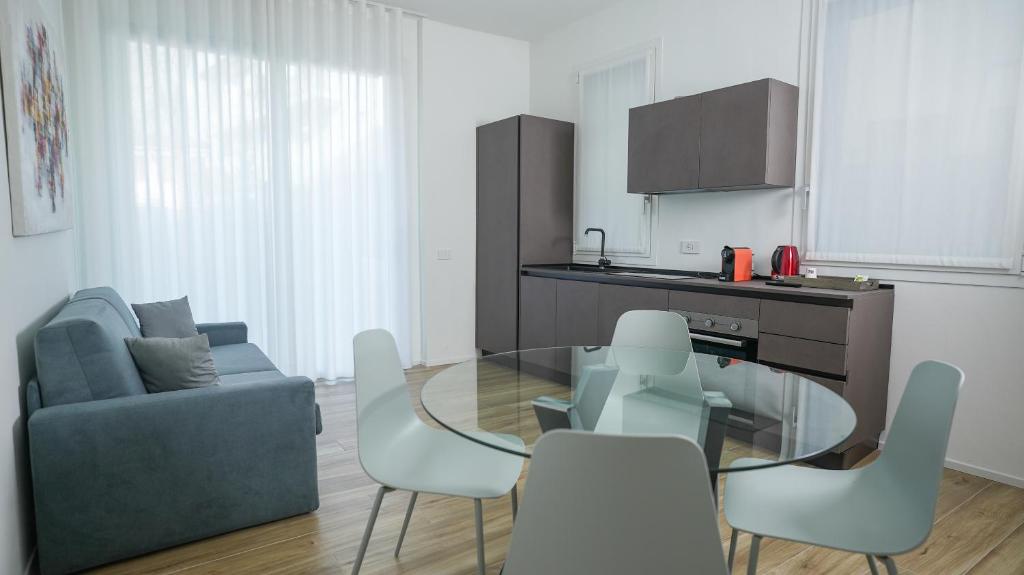
Santo and Prato are useful for combining the garden, open spaces and a tram ride, while an apartment near the centre can make meals and afternoon breaks easier. Check the exact bed arrangement, since a family studio may put everyone in one room and a shared kitchen may require permission for cooking. The botanical garden provides stroller routes across most of the site and changing facilities, but confirm each accommodation’s child-age rules, cot availability and arrival arrangements before reserving.
What should travellers with limited mobility check?
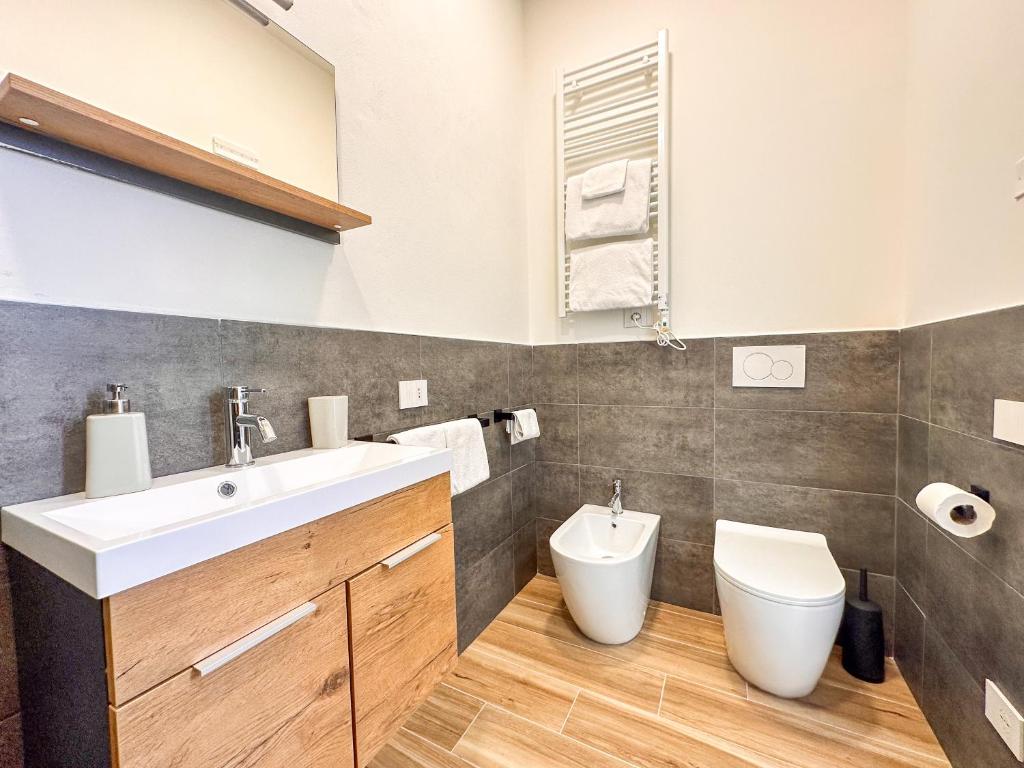
Ask the accommodation about every step from the street to the room, lift dimensions and bathroom layout, because historic houses and apartments vary substantially. Palazzo della Ragione directs visitors with mobility needs through the Town Hall courtyard on Via 8 Febbraio, rather than the usual approach from the square. The botanical garden’s main paths and museum are accessible, but the nineteenth-century greenhouses have six steps and some narrow paths within the historic planting quarters cannot take wheelchairs.
Can I use Padua as a base for Venice and other rail trips?
Yes, but allow time for your accommodation-to-station journey and choose Venezia Santa Lucia for the historic city rather than stopping at mainland Mestre. Between 16 November and 12 December 2026, some regional services on the Brescia–Padova corridor have timetable changes, cancellations or replacement buses, while the Verona–Padova route also has scheduled overnight interruptions. Check each outward and return train, especially late in the evening, and follow the replacement-bus stop shown for that specific journey.
Prices are set by the booking site. We may earn a small fee, at no cost to you.