About Port Antonio
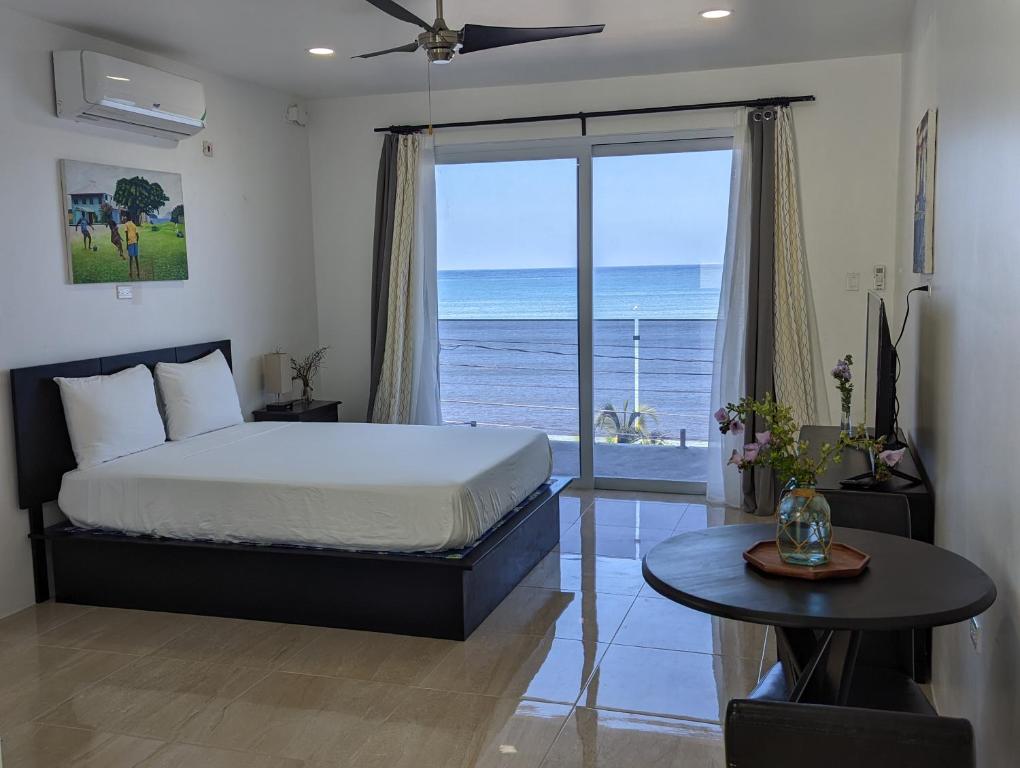
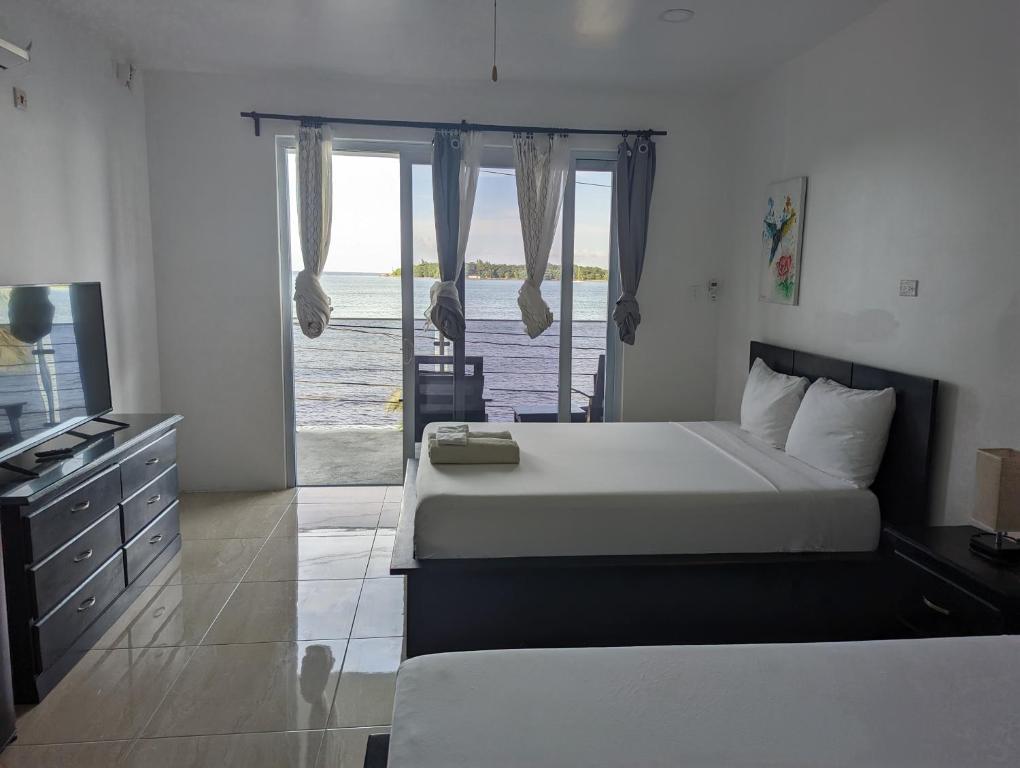
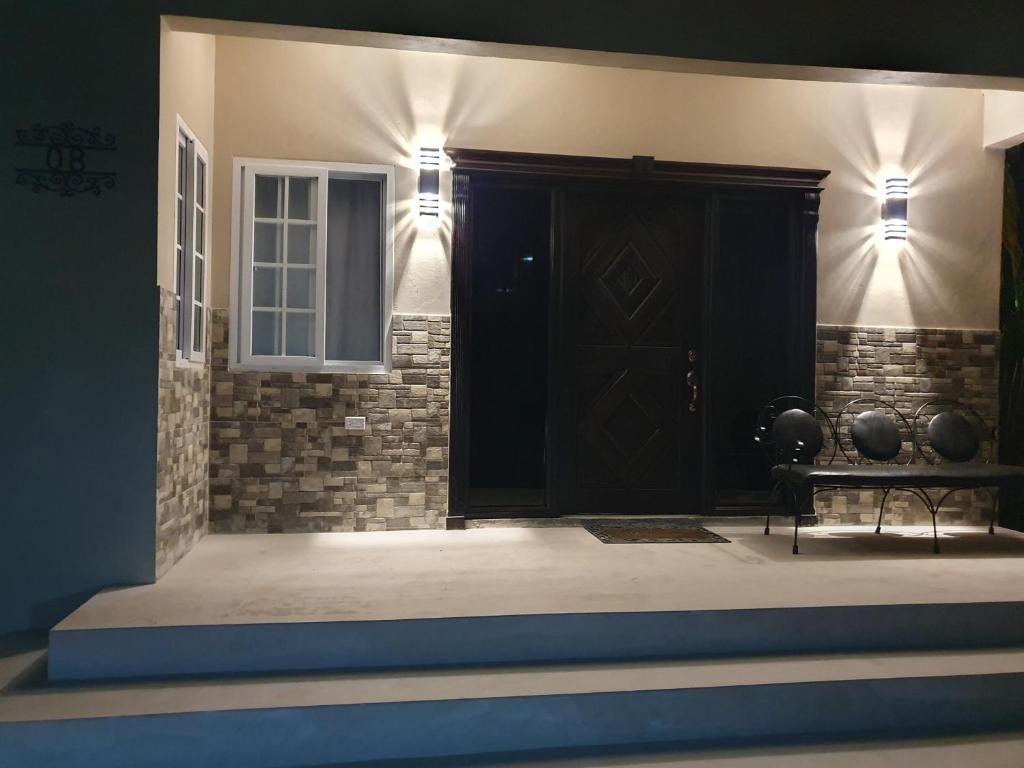
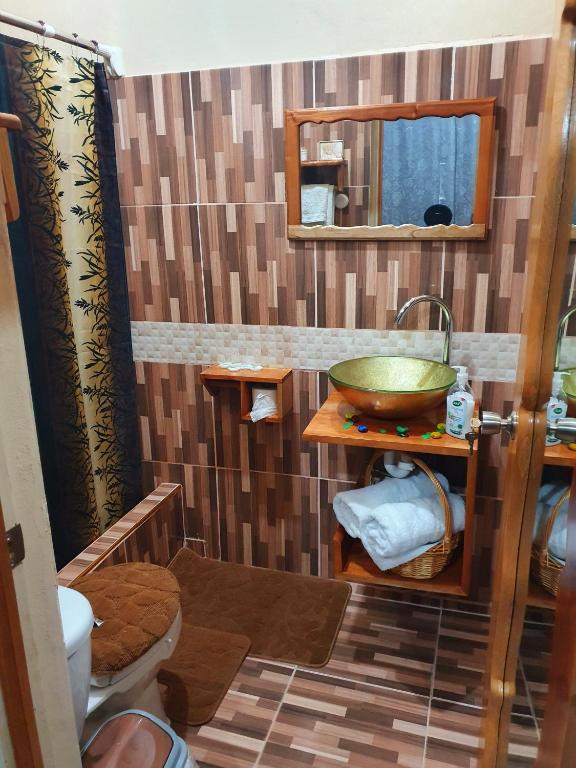
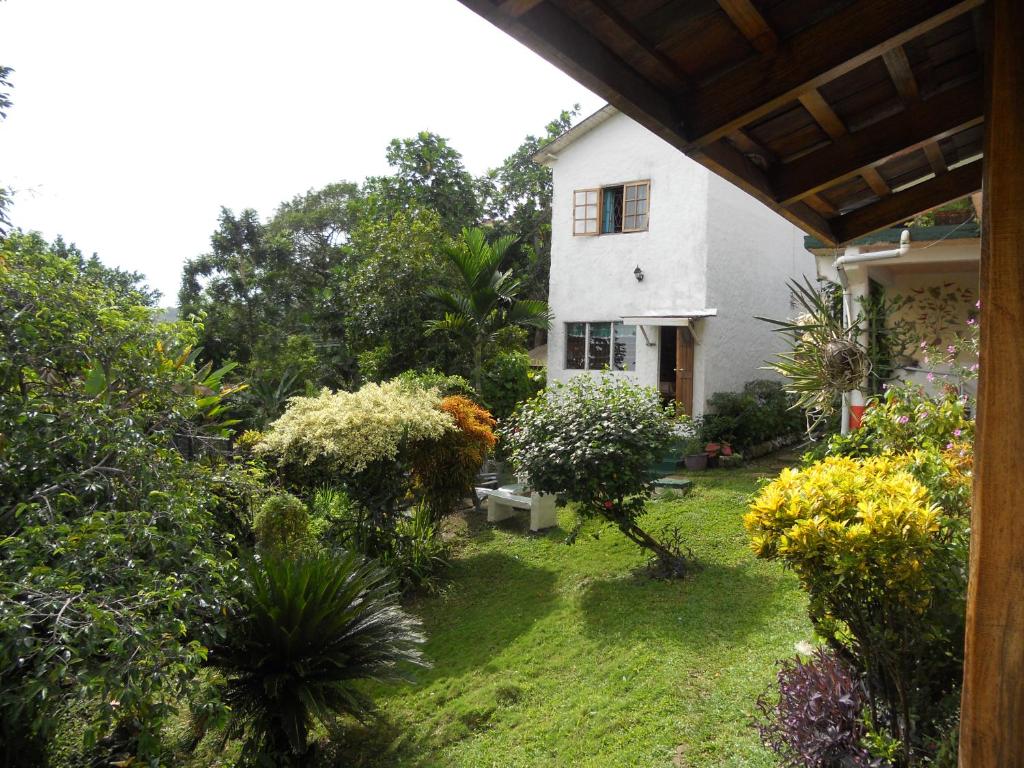
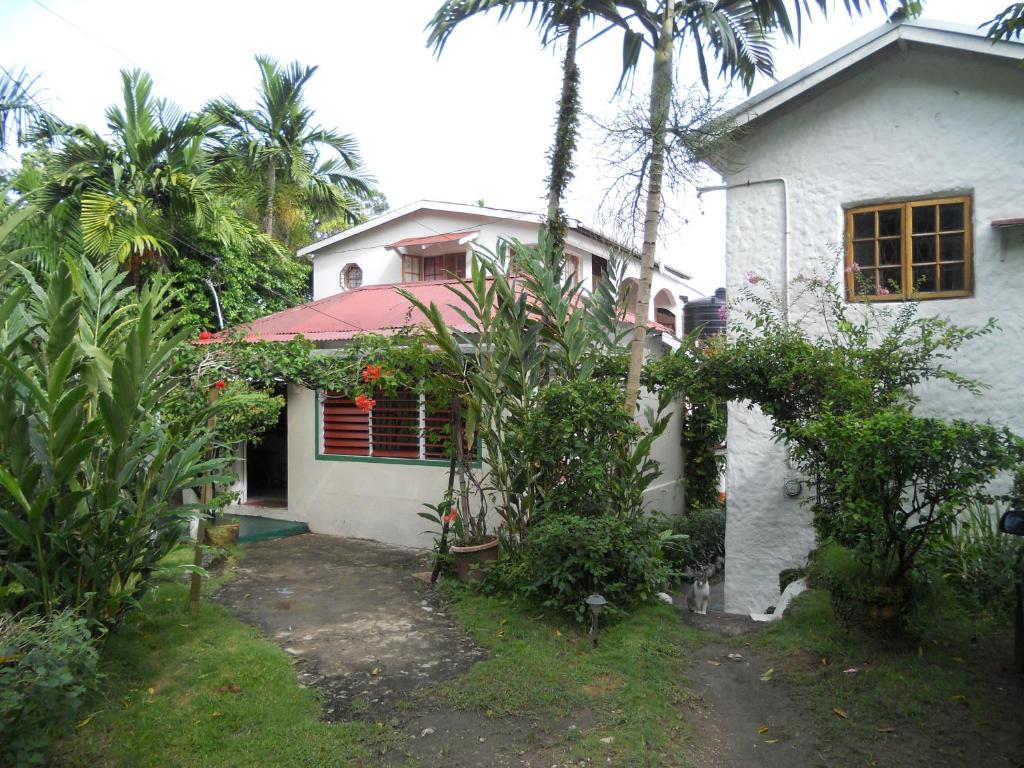
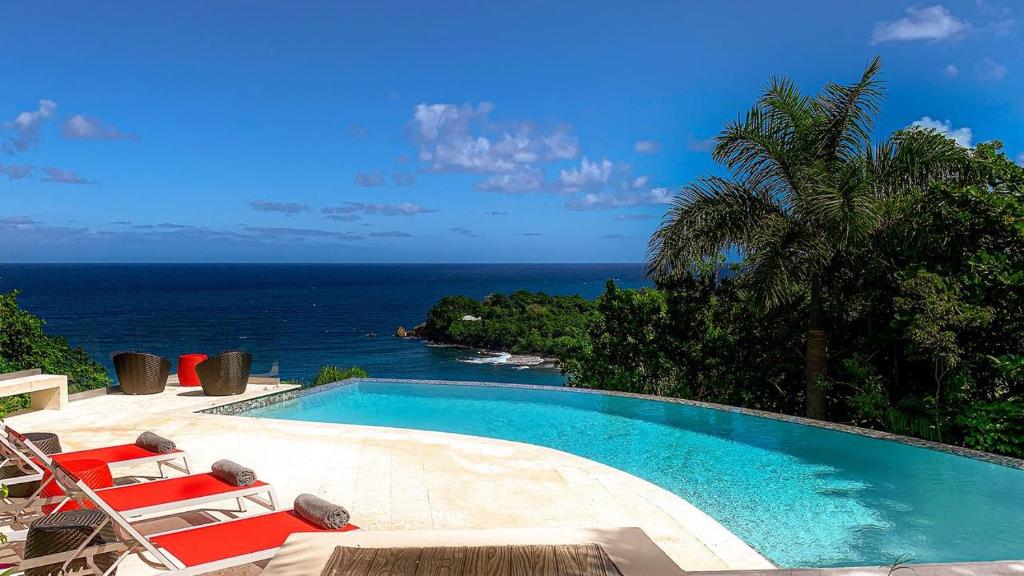
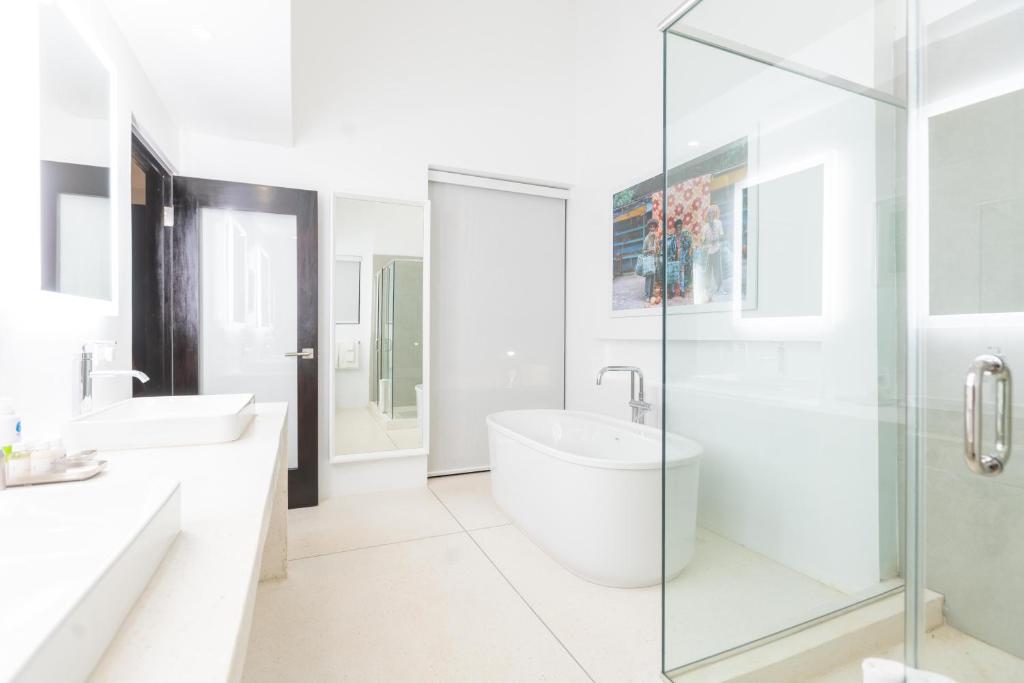
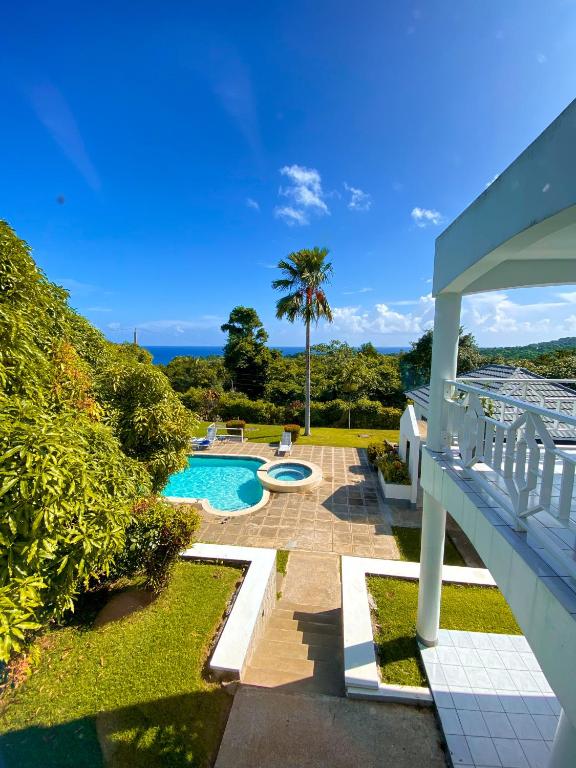
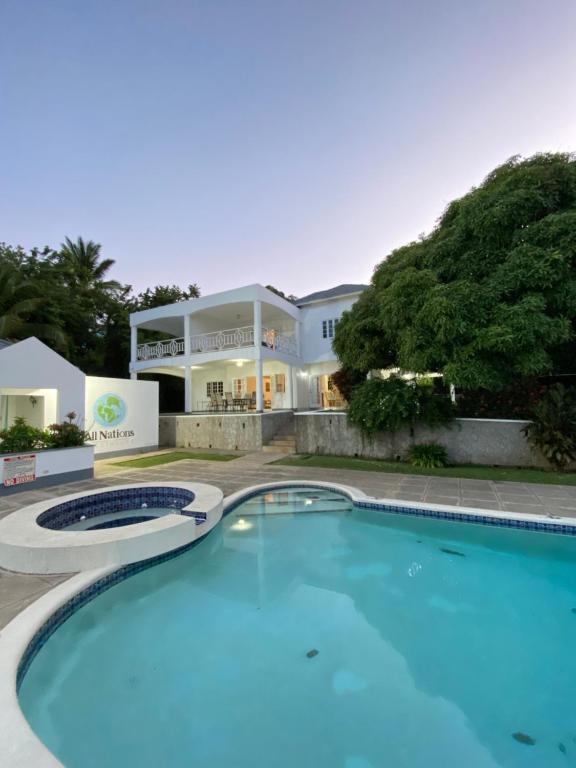
Port Antonio makes sense when you want several different days in one corner of Jamaica: a river trip, a beach with a freshwater stream, a town walk and a meal in Boston Bay. The harbour town is the practical centre, while much of the accommodation sits east along the coast around Drapers, San San and Fairy Hill. Small guesthouses and secluded retreats shape the choice.
Staying overnight lets you spend time at each place instead of combining the whole coast into one long excursion. Decide whether you want shops outside the door or a garden and a view that justify arranging transport.
Common questions
How do I get around if I am not driving?
Knutsford Express serves Port Antonio as part of its intercity coach network; check the current route and stop when booking. For the beaches and a secluded hotel, arrange a licensed chartered taxi through your accommodation and agree on the return journey. Town is the easier base for doing ordinary errands on foot. A coach ticket to Port Antonio does not replace the final transfer to a hillside or eastern-coast address.
Which airport is the sensible starting point?
The Jamaica Tourism Board identifies Kingston's Norman Manley International Airport, KIN, as a useful gateway for Port Antonio. Arrange the onward road journey before you land and compare flights together with that transfer, especially if considering Montego Bay instead. Ask the hotel for a current journey estimate to its actual entrance. Keep arrival day simple; adding a river excursion immediately after an international flight leaves little breathing room.
Is a single night enough to see the area?
A single night allows a brief stop, but three or four nights make a more comfortable plan for a river outing, an eastern beach and time in town. Use one accommodation base and group nearby activities instead of repeatedly packing. If you choose a retreat for its pool, gardens or setting, reserve unplanned time there too.
What does the rainy season mean for a stay here?
Portland's green landscape is linked to its high rainfall. Jamaica's tourism guidance identifies wetter periods in May–June and September–November, with the hurricane season running June–November; December–April is the generally drier period. Rain is still possible outside those windows. Bring a light rain layer, leave your beach and river days movable and ask the operator about conditions before an outing rather than relying on a distant forecast alone.
Which beach suits a relaxed day, and which is for surfing?
Frenchman's Cove combines a small river with the sea and has day-entry arrangements, showers, toilets and a beach bar and grill. Winnifred is another beach option, while Boston Bay is known for surf and bodyboarding. Choose by the day's conditions and the facilities you need, rather than assuming every cove behaves alike. Confirm beach access with your accommodation; staying nearby is not the same as holding an entry pass.
What is a Rio Grande rafting outing like?
This is a bamboo-raft journey with a licensed captain, through Portland's river landscape. Tourism listings describe the rafting portion as roughly two to three hours, but allow extra time for transfers and confirm the day's route with the operator. It works well as the main outing of a day, with a slower meal afterwards. River levels and weather can affect arrangements, so avoid locking every remaining hour into another distant excursion.
Where should I plan a meal beyond the hotel?
Boston Jerk Centre is a useful focus for an eastern-coast food outing: vendors serve jerk chicken, pork and fish, with sides such as festival or hard dough bread. Port Antonio itself also has waterfront dining and local places to eat. If you are staying in a small guesthouse, ask whether dinner is cooked on request or whether you should eat before returning; a guest kitchen and a daily restaurant service are different things.
Prices are set by the booking site. We may earn a small fee, at no cost to you.