About Aso
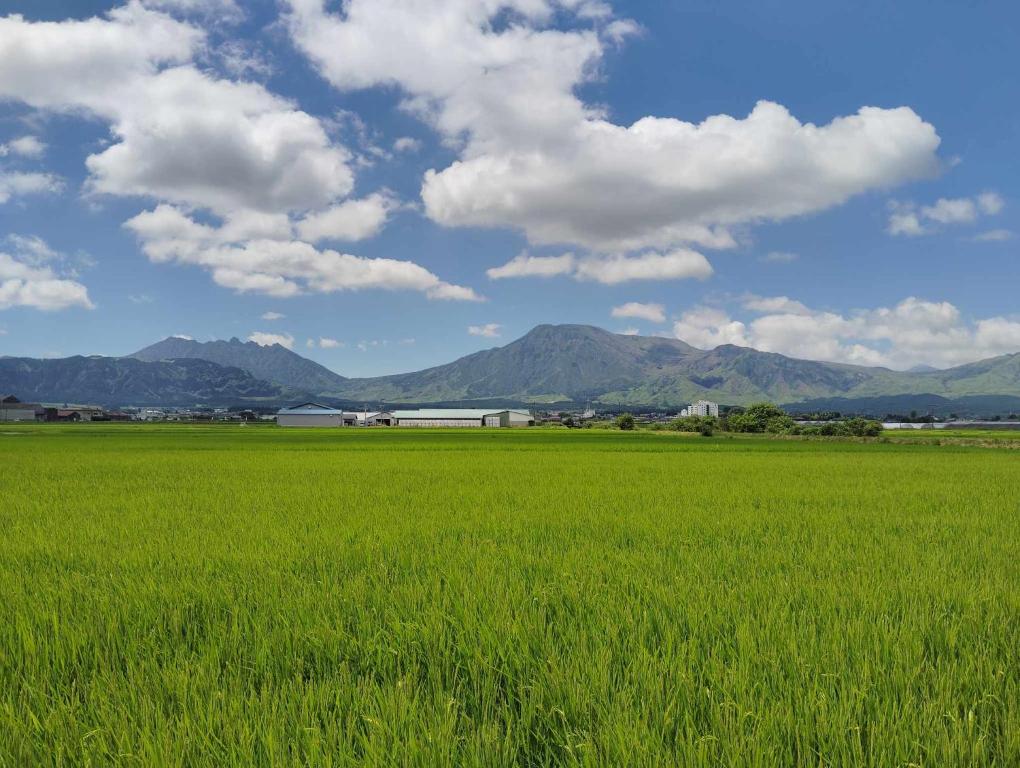
Aso is a vast inhabited caldera, not a single lookout on a volcano. The base you choose determines whether your morning starts with a mountain bus, a shrine walk or a hot-spring breakfast.
By rail, Kumamoto Station connects with Aso on the JR Hohi Main Line, a journey the national tourism organization describes as about ninety minutes. Yet reaching all the viewpoints without a car is difficult.
The mountain bus leaves from Aso Station, passes the Kusasenri grassland and volcano museum, and continues to Aso Sanjo Terminal. The local tourism association also announced an Aso–Takachiho sightseeing bus route through Kusasenri and the summit terminal starting July 2026, with priority for reservations.
Compare the current timetable of the operator, not just a route map: mountain services are much less frequent than city buses, and the return journey matters as much as getting uphill. Crater access is a separate decision from reaching the upper mountain.
As checked on 21 November 2026, Aso's official volcano site reports a Level 2 eruption warning, keeping the area within about one kilometre of Nakadake's crater off limits. The local Aso visitor centre confirms that Kusasenri, its grassland scenery, volcano museum and the summit terminal area remain accessible outside that zone.
Never cross barriers or treat a bus ticket as permission to enter the restricted crater. The authorities can change access for gas, wind and volcanic activity.
Even when a crater viewpoint is closed, the open sweep of Kusasenri and the changing clouds above the caldera make the mountain journey meaningful. The lower towns reward a slower day.
Aso Shrine at Miyaji has a historic gate, main sanctuary and Monzenmachi shopping street. Visit the shrine, walk among the shops and water points, then return to your accommodation rather than trying to fit everything before a mountain bus.
Uchinomaki Onsen is a cluster of hot-spring inns and bathhouses on the caldera floor. A ryokan dinner here is not a substitute for a visit to the volcano; it is a different kind of evening, with a chance to bathe and see the ring of hills around town.
Aso Station and Kurokawa work better for travellers watching bus connections, while drivers can plan a separate outing to Daikanbo, a viewpoint on the northern outer rim known for a broad panorama of the five Aso peaks. Allow two nights if possible.
Use the first afternoon for your chosen town and the next clear morning for Kusasenri or an approved mountain route. In spring and autumn the grassland and walking weather can be appealing; summer weather changes quickly, while winter requires extra attention to roads and bus operation.
Do not make a crater photograph the condition for a successful visit. The surrounding national park, the shrine district and the onsen town still provide distinct experiences when volcanic restrictions change.
Common questions
Which area works for a ryokan dinner?
Uchinomaki has several ryokan styles. Book the meal plan you want and confirm arrival time, especially if you’re coming by rail.
When should I visit?
Spring and autumn can be good for combining town walks and mountain views. Summer weather can change quickly, and in winter check road and bus conditions before heading up.
Should I move hotels between the shrine and the mountain?
Two nights in one base usually work. Pick by your arrival and evening plans, then keep Miyaji or Uchinomaki for the day when you aren’t heading up the mountain.
Is Nakadake crater open to visitors in November 2026?
As checked on 21 November 2026, the official Aso Volcano notice shows Level 2 restrictions, with entry prohibited within roughly one kilometre of the crater. Kusasenri and the Aso Sanjo Terminal area are outside the restricted zone and have been described as accessible. Conditions change, so check the official live restriction notice again on the day and obey barriers.
Is Daikanbo walkable from Uchinomaki?
Treat Daikanbo as a separate road outing from the hot-spring neighbourhood, not an ordinary town walk. It sits on the northern outer rim and gives a broad view over the five Aso peaks and the caldera. A car or arranged transport makes it easier to combine with an Uchinomaki stay; check visibility before leaving.
What is worth doing if the crater is closed?
Kusasenri grassland and its Volcano Museum, the panorama at Daikanbō, Aso Shrine's Monzenmachi streets and an Uchinomaki hot-spring night are distinct options. Their own road or opening conditions still need checking.
How do I reach Aso from Kumamoto and move around?
JNTO describes the Hōhi Main Line train from Kumamoto to Aso in roughly 90 minutes. Public buses reach mountain stops but are infrequent; the July 2026 Aso–Takachiho route also calls at Kusasenri. A car is useful for outer-rim viewpoints.
Prices are set by the booking site. We may earn a small fee, at no cost to you.