Village · Toyama, Japan

Where to stay in Gokayama: 4 hotels

Thatched farmhouses and hot spring inns in Toyama’s Shogawa valley

Well-rated hotels, and we say what a booking site won't: who it suits, which part of Gokayama it is in, and whether you need a car.

Checked

In short

  • Thatched farmhouse Inside Ainokura village
  • Hot spring Nishiakao or Tamukai
  • Museum visit Suganuma and Nishiakao
Guest House Takazuri-KITA (1/3)Guest House Takazuri-KITA (2/3)Guest House Takazuri-KITA (3/3)
1 / 3
019.5281 reviews on Booking.com

Tamukai and Itani · Gokayama

1. Guest House Takazuri-KITA

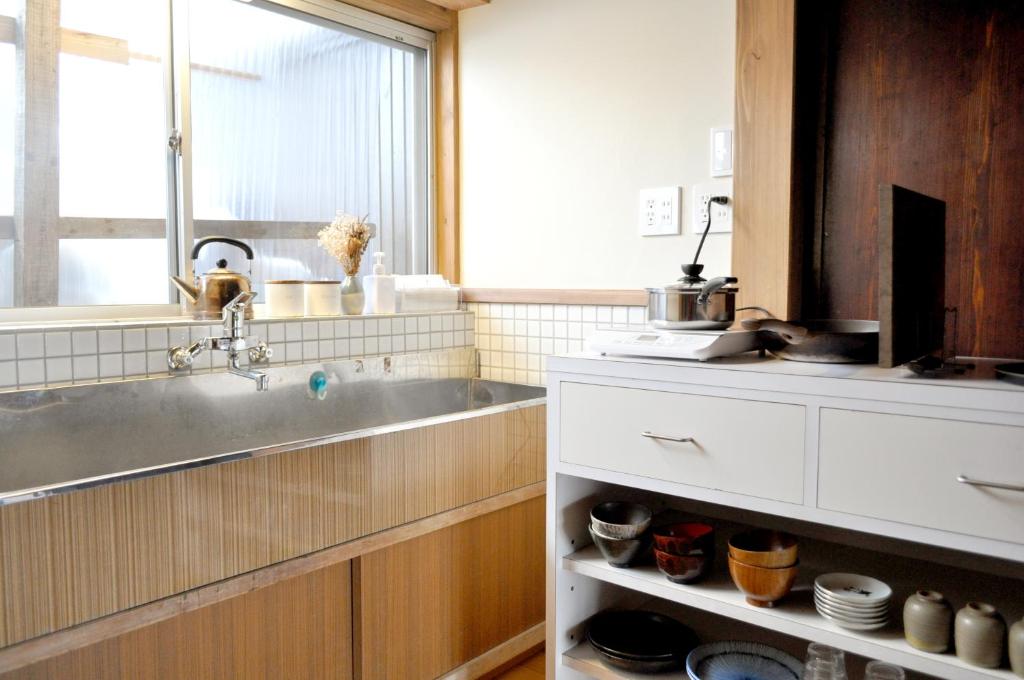
This guesthouse is in Itani, along the valley. Book a private room if you want your own space, with a shared kitchen available for preparing meals.

  • Quiet

Choose your dates on the booking site.

Minshuku Goyomon (1/3)Minshuku Goyomon (2/3)Minshuku Goyomon (3/3)
1 / 3
029.4198 reviews on Booking.com

Ainokura · Gokayama

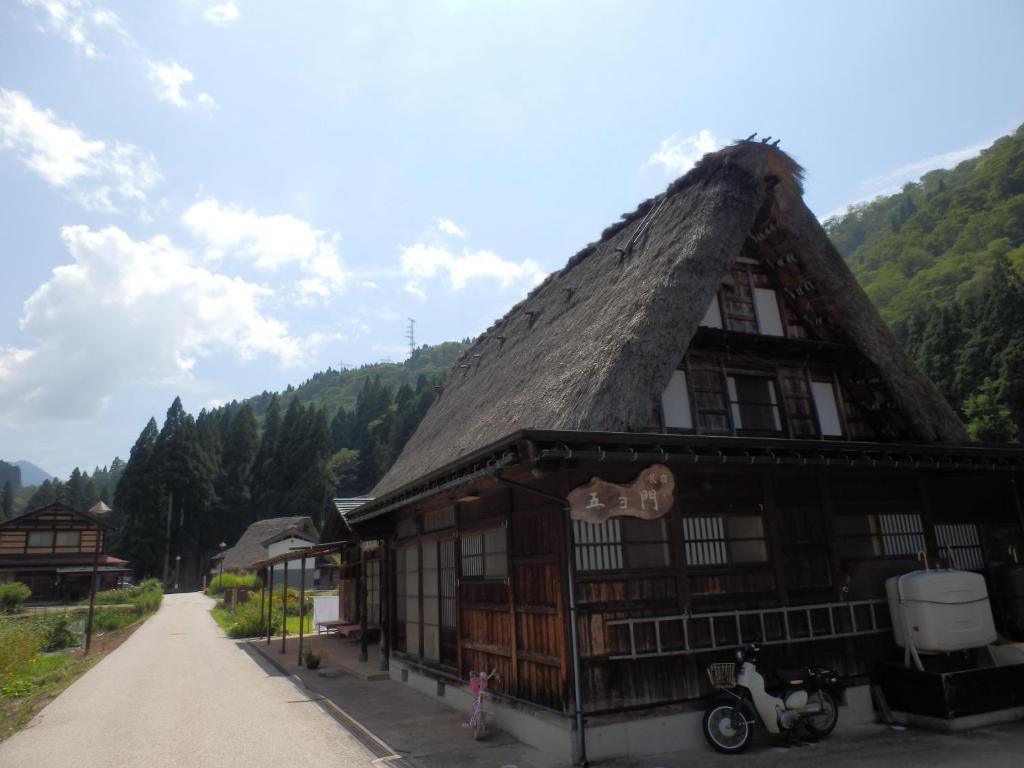
2. Minshuku Goyomon

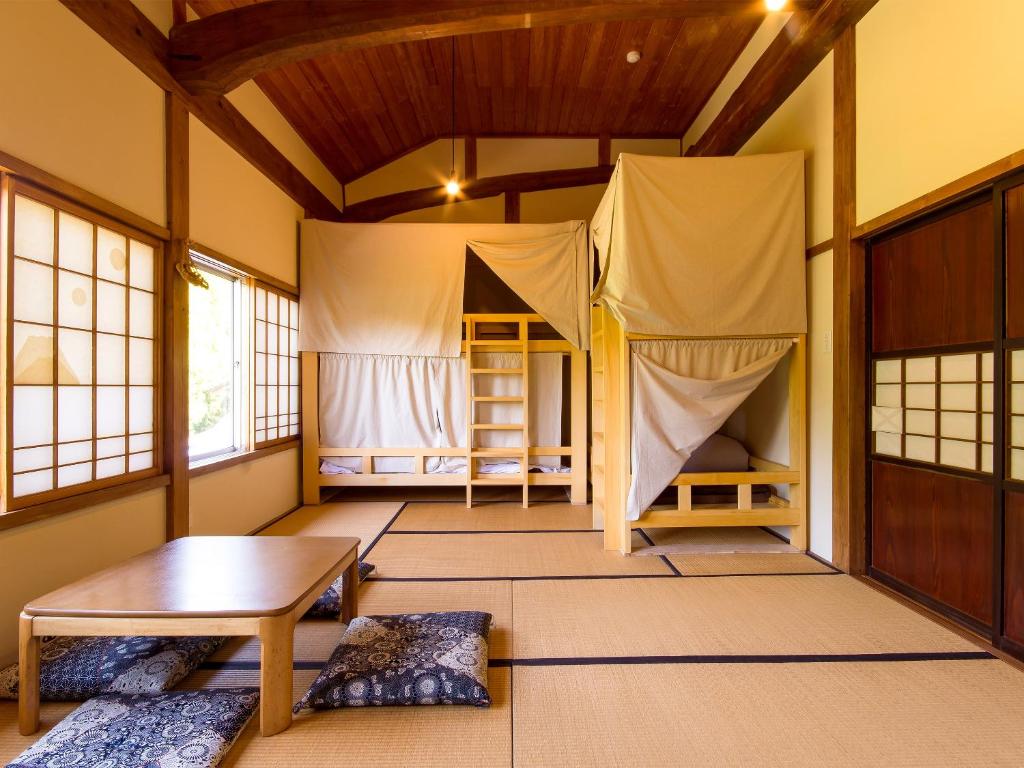
Tatami rooms inside the heritage village

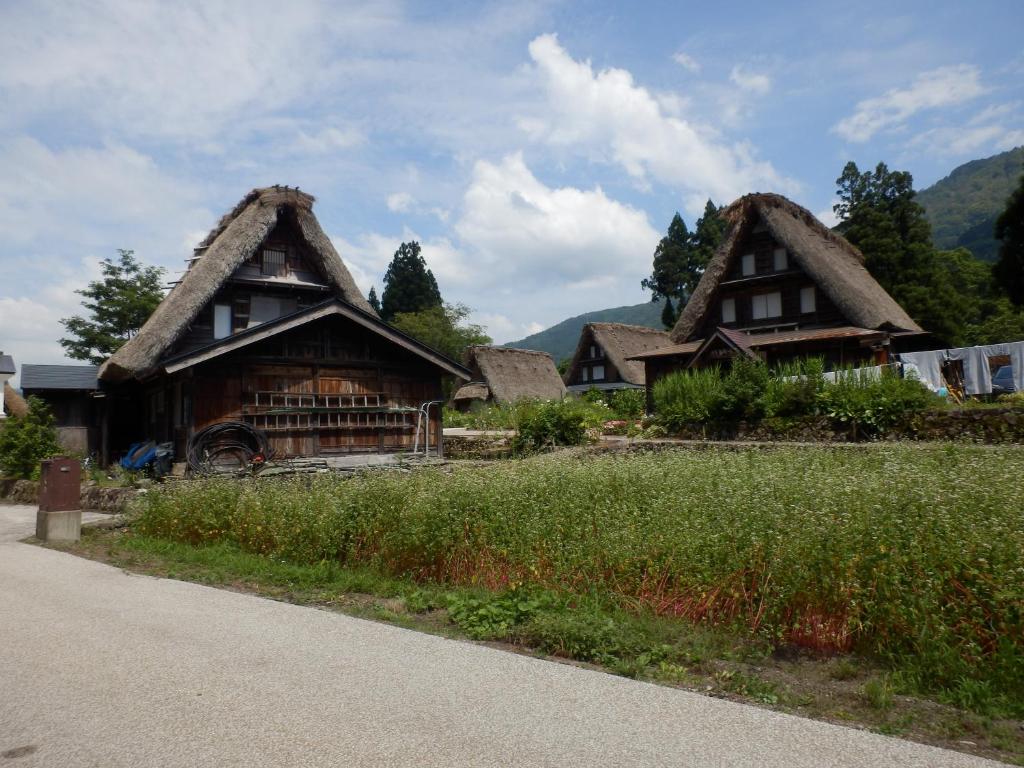
A thatched farmhouse in Ainokura with tatami family rooms. Bathrooms are shared, so choose it for the village setting and the traditional room.

  • Family
  • Quiet

Choose your dates on the booking site.

Gokasanso (1/3)Gokasanso (2/3)Gokasanso (3/3)
1 / 3
038.6210 reviews on Booking.com

Tamukai and Itani · Gokayama

3. Gokasanso

Hot spring ryokan beside the valley

A Tamukai ryokan with Japanese and Western-style rooms. Its hot spring and outdoor bathing option make it a useful stop after visiting the farmhouses.

  • Nature

Choose your dates on the booking site.

Gokayama Onsen Akaokan (1/3)Gokayama Onsen Akaokan (2/3)Gokayama Onsen Akaokan (3/3)
1 / 3
048.4200 reviews on Booking.com

Nishiakao · Gokayama

4. Gokayama Onsen Akaokan

Traditional ryokan near the Iwase farmhouse

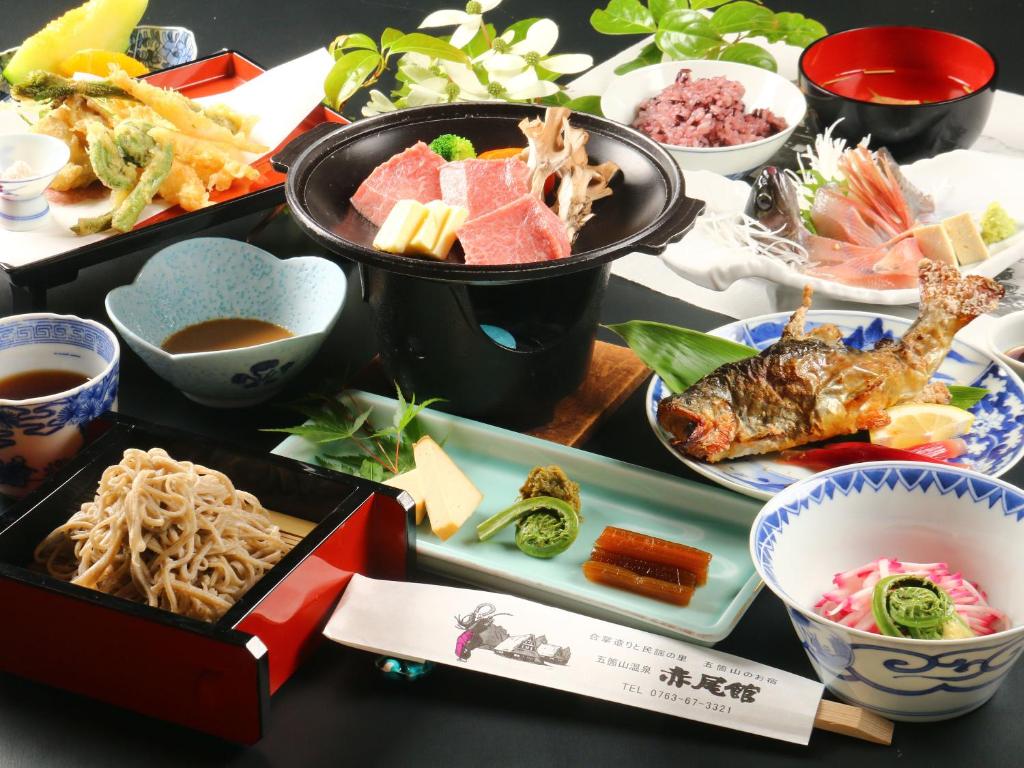
This hot spring ryokan is in Nishiakao, beside the Iwase family residence. Consider a meal plan if you want dinner and a soak at the same address.

  • Quiet

Choose your dates on the booking site.

Which part of Gokayama to stay in

Ainokura

  • Walkable
  • Near sights
  • Quiet

An overnight room inside the historic hamlet keeps the viewpoint, footpaths and farmhouse museums close by. Choose it if sleeping on tatami within the preserved settlement is part of the trip.

Keep in mind: Most buildings are private homes. Historic guesthouses have few rooms, and the walk from Ainokura-guchi rises toward the houses.

Our pick here: Minshuku Goyomon

Tamukai and Itani

  • Nature
  • Quiet
  • Private bath

The river corridor offers a hot spring inn in Tamukai and a small guesthouse in Itani. The latter has a shared kitchen, handy if you want to prepare something between village visits.

Keep in mind: These are separate addresses along the valley. Work out the road journey and where you will eat before counting on a walk between settlements.

Our pick here: Guest House Takazuri-KITA

Nishiakao

  • Private bath
  • Near sights

The old Iwase family farmhouse is here, near a ryokan with hot spring baths. This end of Gokayama suits travellers combining the heritage buildings with a Japanese-style dinner at their lodging.

Keep in mind: Ainokura requires a separate trip. The main sights are spread between villages, so plan departure around the bus if you are arriving without a car.

Our pick here: Gokayama Onsen Akaokan

Suganuma and Gassho no Sato

  • Near sights
  • Nature

The smaller UNESCO hamlet has folk museums and another collection of traditional buildings beyond a pedestrian tunnel. Across the tunnel, Gassho no Sato offers cottage accommodation in relocated farmhouses.

Keep in mind: The hamlet and the cottage site are distinct. Check the exact accommodation address, especially if a listing uses Suganuma to describe the wider area.

About Gokayama

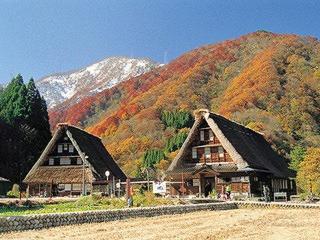
Gokayama covers several settlements along the Shogawa River in southern Toyama Prefecture. Ainokura and Suganuma share a UNESCO World Heritage listing with Ogimachi in neighbouring Shirakawa-go. Their steep thatched roofs were built to shed heavy snow. Ainokura has around twenty traditional houses, most of them still used as homes, and some take overnight guests.

Downriver or upriver from the historic clusters, the choice changes to guesthouses and hot spring ryokan. You can reach Ainokura by World Heritage Bus from Shin-Takaoka Station in roughly 65 minutes. Pick a different stop for Suganuma, where a tunnel connects to another group of thatched buildings.

Common questions

Which village should I sleep in?

Ainokura is a straightforward choice for a farmhouse night because several homes there receive guests. Suganuma fits a museum visit or a stay in the adjoining cottage site. Choose a valley ryokan if you want a hot spring bath.

Can I arrive by train and bus?

Get off the Hokuriku Shinkansen at Shin-Takaoka and board the World Heritage Bus. JR West gives about 65 minutes to Ainokura-guchi from there or about 25 minutes from Johana. Check onward departures before making a rail connection.

When does snow change the trip?

Snow can arrive in early December and blankets the roofs in winter. January and February are the months JNTO suggests for asking about the Yukiakari illumination at Suganuma. Bring footwear for the uphill approach to Ainokura.

How can I see both villages?

Use Ainokura-guchi for the larger cluster and Suganuma for the smaller one. The World Heritage Bus serves both stops and continues toward Shirakawa-go. Leave time for the tunnel and museums at Suganuma.

Where can I learn to make Gokayama washi?

Gokayama Washi no Sato offers a workshop where visitors can make a small paper item in about 20 minutes. Papermaking was traditionally winter work here. At the Traditional Industries Museum in Ainokura you can see how washi, silkworm raising and saltpeter production fitted into village life.

Near Gokayama

Places like Gokayama

Prices are set by the booking site. We may earn a small fee, at no cost to you.