About Hamamatsu
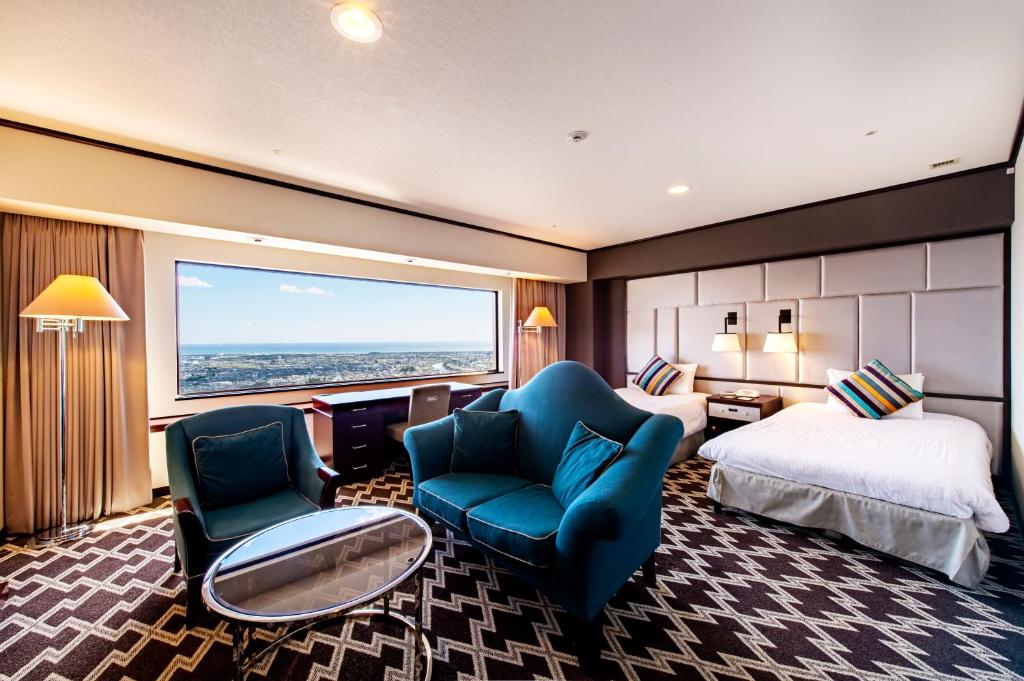
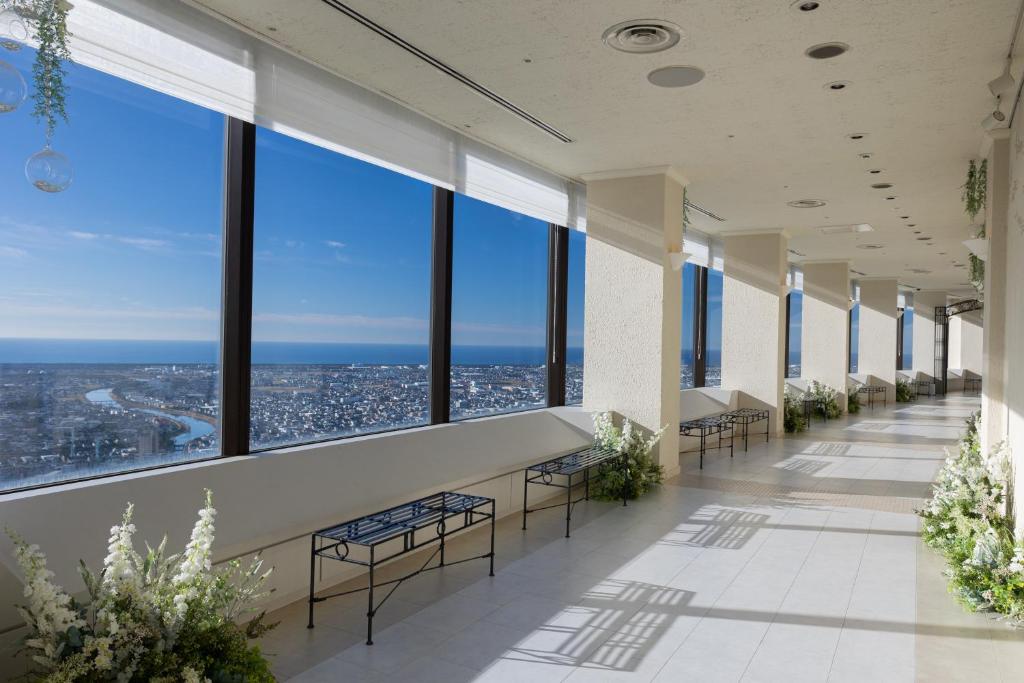
Hamamatsu is a large industrial city in western Shizuoka, home to Yamaha, Kawai, Roland and Suzuki, and often called the City of Music; its Museum of Musical Instruments holds over 2,000 instruments. Travellers come for Lake Hamana eel, Hamamatsu gyoza, the rebuilt castle, the Act City tower lookout and the Nakatajima sand dunes.
Hikari shinkansen reach it in about 90 minutes from Tokyo or Osaka and about 30 minutes from Nagoya. The centre around the station is walkable; buses from the terminal next door run to Kanzanji on the lake.
Common questions
How long is the shinkansen from Tokyo?
Hikari trains take about 90 minutes and Kodama about 2 hours, with hourly departures of each. Both are covered by the Japan Rail Pass.
Which area is best for a short stay?
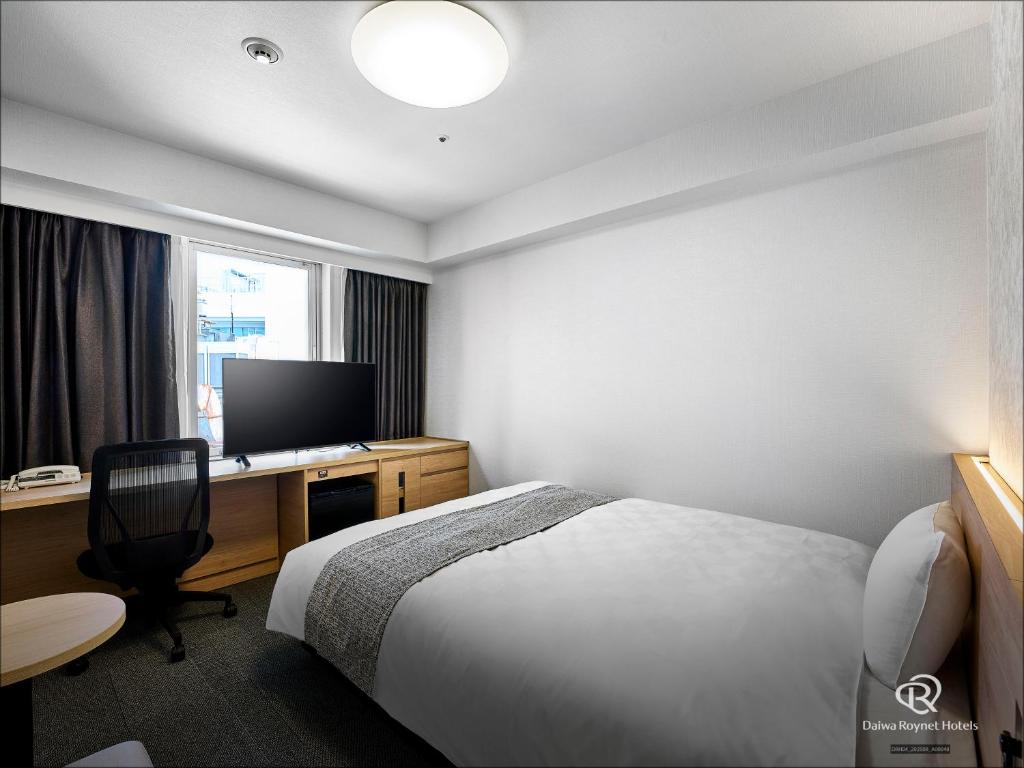
Around JR Hamamatsu Station. The bus terminal is next door, the centre is walkable, and that is where the best-rated hotels are.
How do I get to Kanzanji and Lake Hamana?
Take the Kanzanji bus from stop 1 at the bus terminal by the station. A pleasure boat runs from Kanzanji across the lake to Mikkabi.
What food is Hamamatsu known for?
Lake Hamana eel and Hamamatsu gyoza; the city ranks near the top in Japan for gyoza sales per person. Unagi Pie is the classic souvenir.
Do I need a car?
Not for the centre or the lake: JR trains stop at Bentenjima and Maisaka, buses run to Kanzanji, and the Enshu Railway runs north. A car only helps for the far north of the city.
Is it a good stop between Tokyo and Kyoto?
Yes. It is about 90 minutes from either end by Hikari, so it works as a one-night break with eel for dinner.
What can I see on the coast outside the festival?
The Nakatajima dunes face the open Enshu Sea, away from the sheltered water of Lake Hamana. Start at the Hamamatsu Festival Pavilion by the dunes. The displays put the May festivities in context, with kites up to four metres across, palace floats and a room devoted to making kite string. Entetsu buses for Nakatajima leave from stop 6 at Hamamatsu Station. In early May the kite battles take place on the sand by day, while the floats move through central streets after dark.
What is inside the musical instrument museum?
The upper exhibition floor covers Japan and the rest of Asia, with early Western-style instruments made in Japan and a hands-on room. The basement collection ranges across Africa, Oceania, the Americas and Europe.
Prices are set by the booking site. We may earn a small fee, at no cost to you.