About Kurashiki
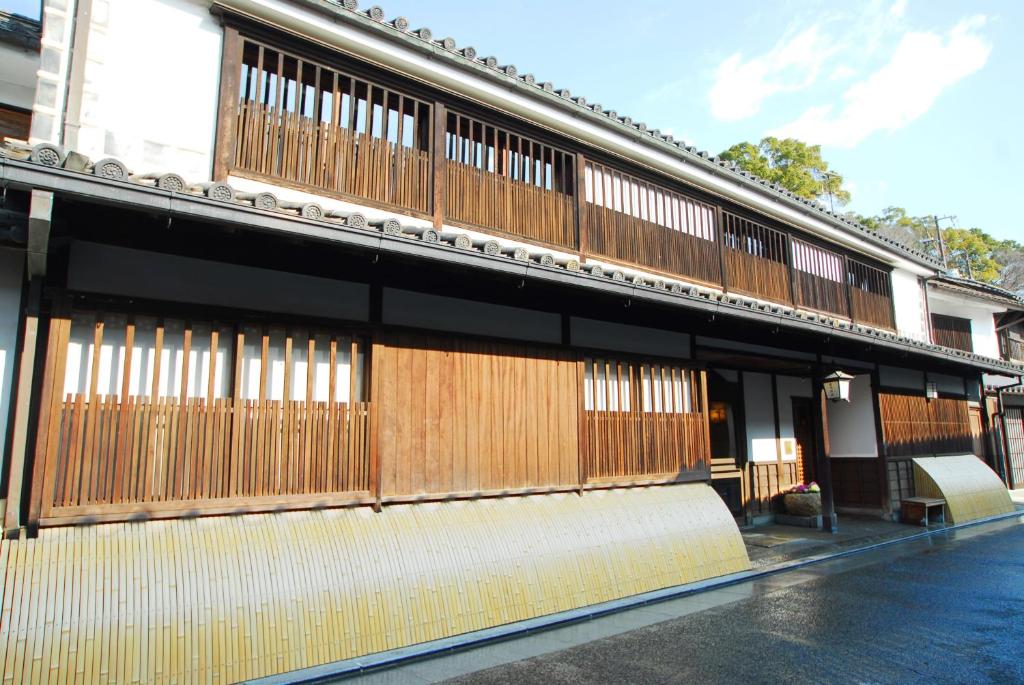
Kurashiki is a city in Okayama Prefecture, about 15 minutes west of Okayama by the JR Sanyo Line. Its heart is the Bikan Historical Quarter, where Edo and Meiji-period merchant houses and white-walled rice storehouses line a canal crossed by stone bridges, with small boats carrying visitors.
Many storehouses are now museums, shops and cafes, and the Ohara Museum of Art, opened in 1930 as Japan's first private museum dedicated to Western art, sits by the water. The quarter is about 10 minutes on foot from Kurashiki Station, so the choice is between sleeping in the old town or by the station.
Common questions
How do I get to Kurashiki from Okayama?
Take the JR Sanyo Line from Okayama Station to Kurashiki Station, about 15 minutes; the Japan Rail Pass covers it. Buses also link the two cities.
How far is the canal area from Kurashiki Station?
About 10 minutes on foot, much of it along a covered shopping street. Ryori Ryokan Tsurugata, deeper in the quarter, is about 15 minutes away.
Should I stay in Kurashiki or Okayama?
Stay in Kurashiki if you want the canal lanes quiet in the morning and evening; the old quarter has ryokan and guesthouses. Okayama is a short train ride away if you prefer a bigger city.
What is the Ohara Museum of Art?
Japan's first private museum dedicated to Western art, opened in 1930 by the canal, with Western and Japanese works in a building that looks like a Greek temple.
What else is there beyond the canal?
Kojima, the first place in Japan to make denim, with Jeans Street workshops; Tamashima, an old port town with artisans; and the Mizushima industrial zone, where some factories run tours that must be booked ahead.
Do I need a car?
No. Trains from Okayama reach Kurashiki Station and the old quarter is walkable. Local trains and buses serve other parts of the city.
How do I plan a dedicated Kojima visit?
Use Kojima Station as your reference point, not Kurashiki Station. Jeans Street is accessible from there by bus, taxi or on foot. Allow additional time if the Jeans Museum beside the Betty Smith factory interests you. For a single afternoon of shopping, compare this outing with the denim stores in Bikan before changing hotels.
What are the red brick buildings in Bikan?
Ivy Square occupies the former Kurabo cotton mill. Its brick corridors and courtyards show a different chapter of the city’s history from the white rice storehouses. Stop here after the canal rather than treating it as another distant neighbourhood that calls for changing hotels.
Prices are set by the booking site. We may earn a small fee, at no cost to you.