Japan · 7 places
Where to stay in Oita
7 places in Oita with a hotel list or an area guide. One line each, so you can compare.
In Oita Prefecture, decide whether the bath belongs at the end of a town day or at the centre of your stay. Beppu works if you want to move between the station, waterfront and spa districts. Yufuin suits a slower night around an inn, with a walk through town before other visitors arrive.
Kuju is a different trip, with highland roads and trailheads to consider. Book according to the part of the mountains you want to see and confirm how early you can reach it. Kunisaki works for people visiting temples and countryside on the peninsula, where a car helps if you plan several stops.
Hita gives you a city evening farther inland, with Mameda’s old streets as a reason to arrive before dinner. Nakatsu is a northern base for the castle area and a separate outing toward Yabakei. When coming by train, check the station and use the town room to avoid carrying luggage along on each outing.
Rail helps for city and spa-town journeys, but work out the last ride to your lodging and the return from any trailhead. Spring and autumn are useful for longer walks, with weekends busier around autumn colours. Summer rain can affect outdoor plans, and a winter hot-spring stay is easier if you check snow and road conditions before heading up to Kuju.

Beppu
Place
Hot-spring stays from Beppu Station to the steam lanes and hills
9 hotels

Yufuin
Town
A mountain-basin onsen town with lakeside walks and ryokan worth staying in for dinner.
9 hotels
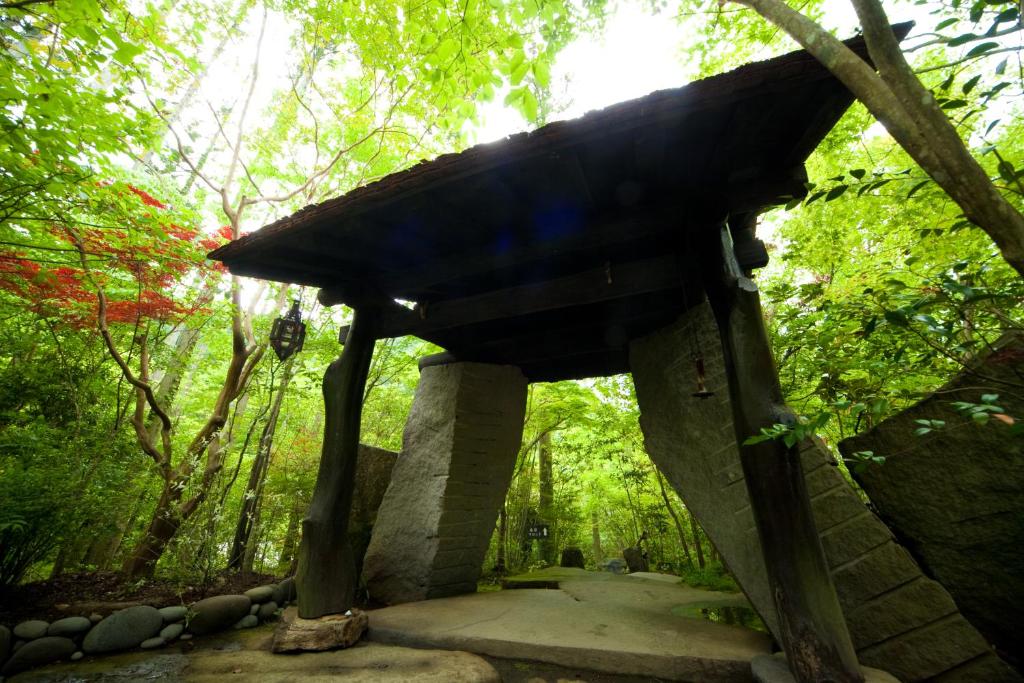
Hita
City
Edo merchant streets and river hot springs in the hills of Oita.
8 hotels

Kuju
Mountain
Volcanic peaks, wetland walks and mountain hot springs in central Kyushu.
6 hotels
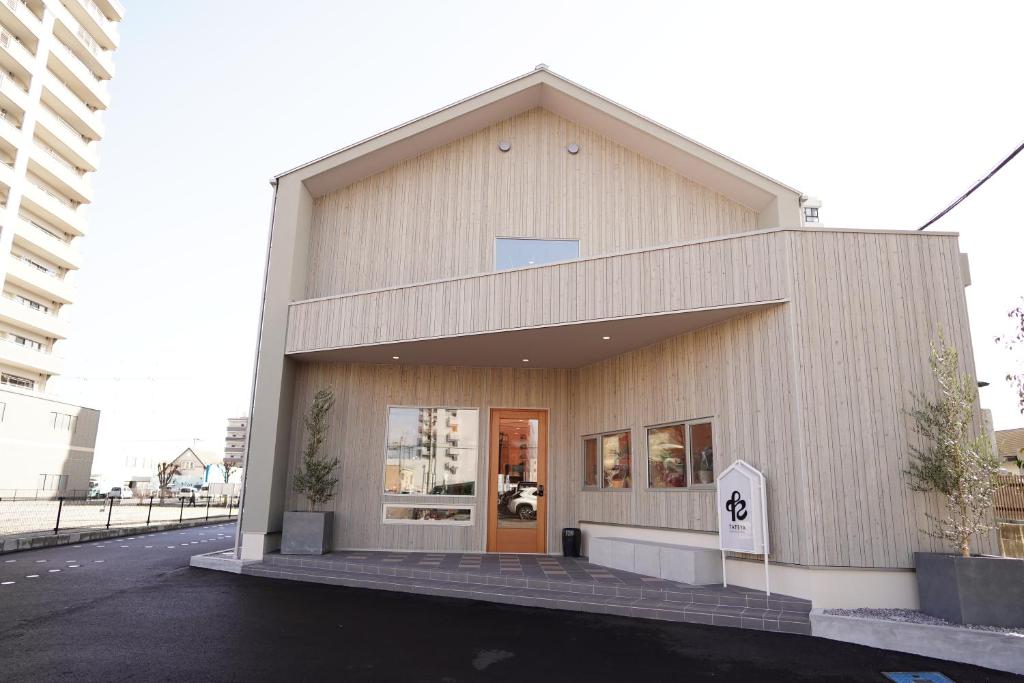
Nakatsu
City
Castle town of fried chicken, gateway to Yabakei and Usa Jingu
5 hotels

Hiji
Town
On Hiji’s shore, choose Hiramichi for full-service hotels, Kawasaki for cottages with private bathing options, or Ōga for the eastern coast and a drive to Fukae market.
4 hotels
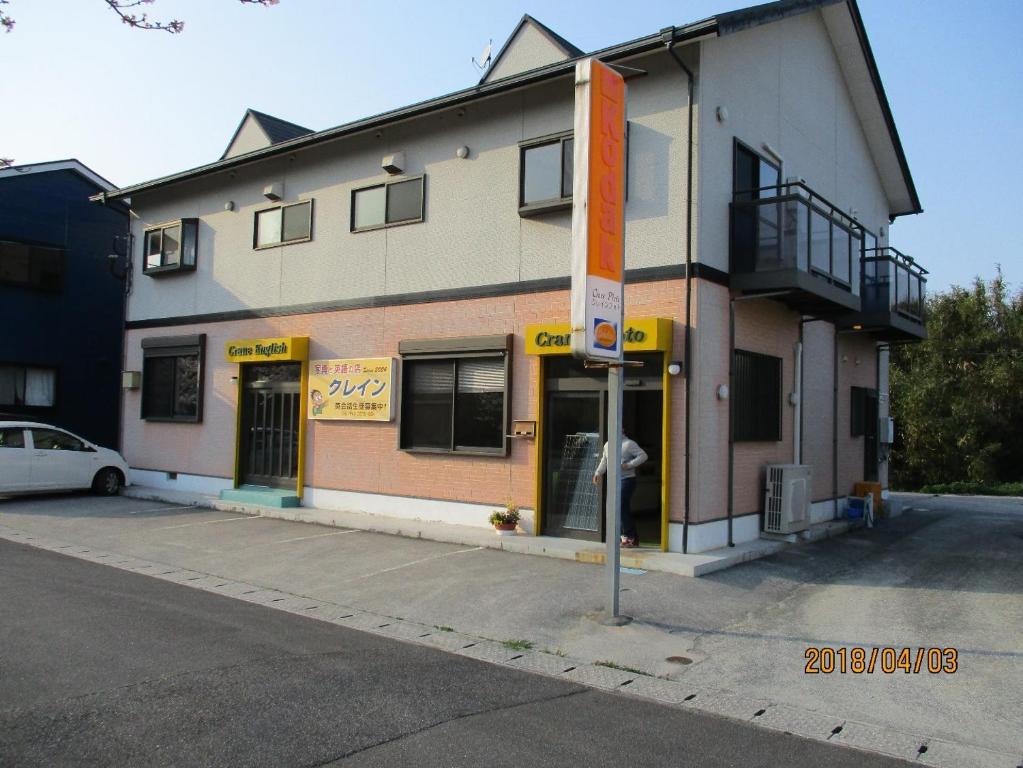
Kunisaki
Town
A coastal base for forest temples and the Himeshima ferry
3 hotels
Common questions
Which town is best for a car-free hot-spring break?
Choose a station-accessible room in Beppu or Yufuin. Ask an inn outside the centre about pickup and meals before booking.
Where should I rent a car?
A car is most useful on the Kunisaki Peninsula and for trailheads in Kuju. In Hita and Nakatsu you can plan day outings separately.
When should I go for outdoor walks and onsen?
Spring and autumn are good starting points. In the rainy season and on winter high roads, confirm conditions before leaving.