About Yamanakako
Lake Yamanakako is the largest of the Fuji Five Lakes and the second most developed after Kawaguchiko. Small towns sit at its western and eastern ends, with hotels, minshuku, campgrounds and restaurants along the shore, and Fuji views from around the lake, best from the quieter north side.
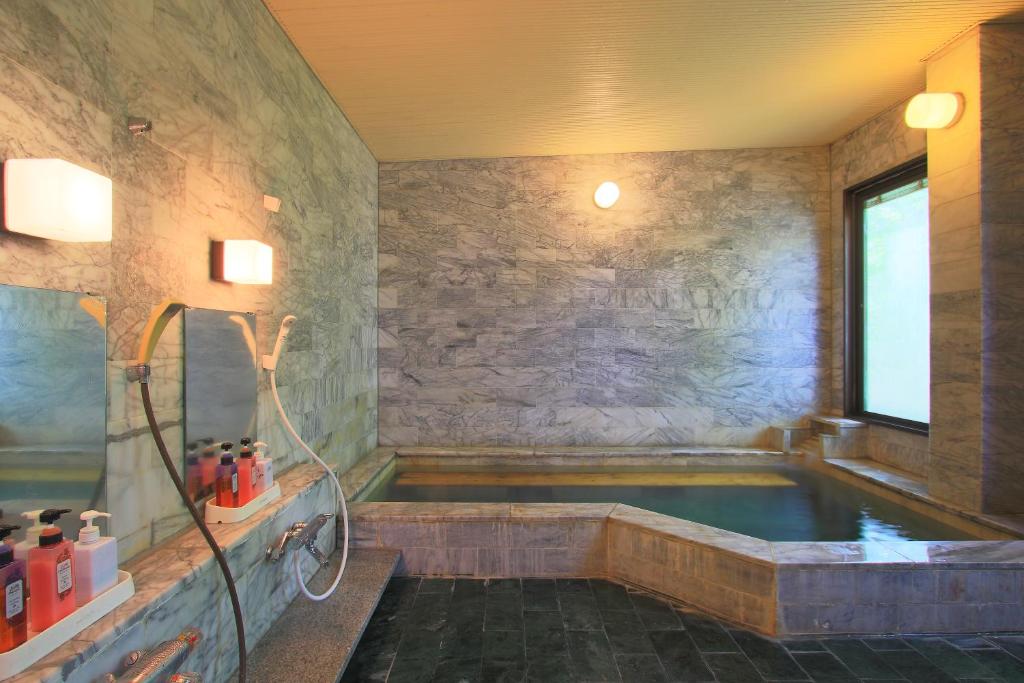
People come for boating, windsurfing and other water sports, summer sports camps, the Panorama Dai lookout and Benifuji no Yu, one of the few baths with a good view of Fuji. Highway buses from Shinjuku and Tokyo stations take about 2.5 hours.
Common questions
How do I get to Yamanakako from Tokyo?
More than a dozen highway buses a day run from Shinjuku and Tokyo stations, taking about 2.5 hours.
How do I get there from Kawaguchiko?
Buses on the Kawaguchiko-Gotemba-Mishima line run once or twice an hour from Kawaguchiko and Fujisan stations, about 30 minutes, as far as Asahigaoka on the southern shore. The hourly Fujikko bus also links the two lakes.
Do I need a car?
Not for the western and southern shore. The Fujikko tourist bus circles the lake on one- and two-day passes. A car helps for Hirano and the Panorama Dai lookout, which has no bus.
Where is the best Fuji view?
From around the lake, especially the northern shore, and from Panorama Dai on the hills south-east of the lake, about 30 minutes on foot from the nearest bus stop.
Is there an onsen with a Fuji view?
Yes, Benifuji no Yu at the western end is one of the few baths with a good view of the mountain. Ishiwari no Yu near the eastern end has no view.
When is it busiest?
In the summer holidays, when sports camps fill the lakeside, and in autumn, when Yuyake no Nagisa Park is popular for colours.
Which shore is easiest to reach by public transport?
Asahigaoka is an established stop for route and express buses, but a booking may carry a Yamanakako address on the other shore. Ask for the exact stop and walking route before choosing a property. Check outbound and last return services separately, particularly from Hirano or Nagaike. The local sightseeing map also shows a separate Oshino Hakkai route if the springs are part of your plans.
Where does the Diamond Fuji alignment happen?
The sunset alignment moves with the season, roughly from mid-October through late February according to the visitor association. Its map marks different dates for Asahigaoka, Hirano, Nagaike and other viewpoints. Choose the shore for your dates rather than assuming the same spot works throughout the season. Still water can produce an additional reflection, while low cloud can hide the mountain entirely.
Prices are set by the booking site. We may earn a small fee, at no cost to you.