About Gilgil & Lake Elementaita
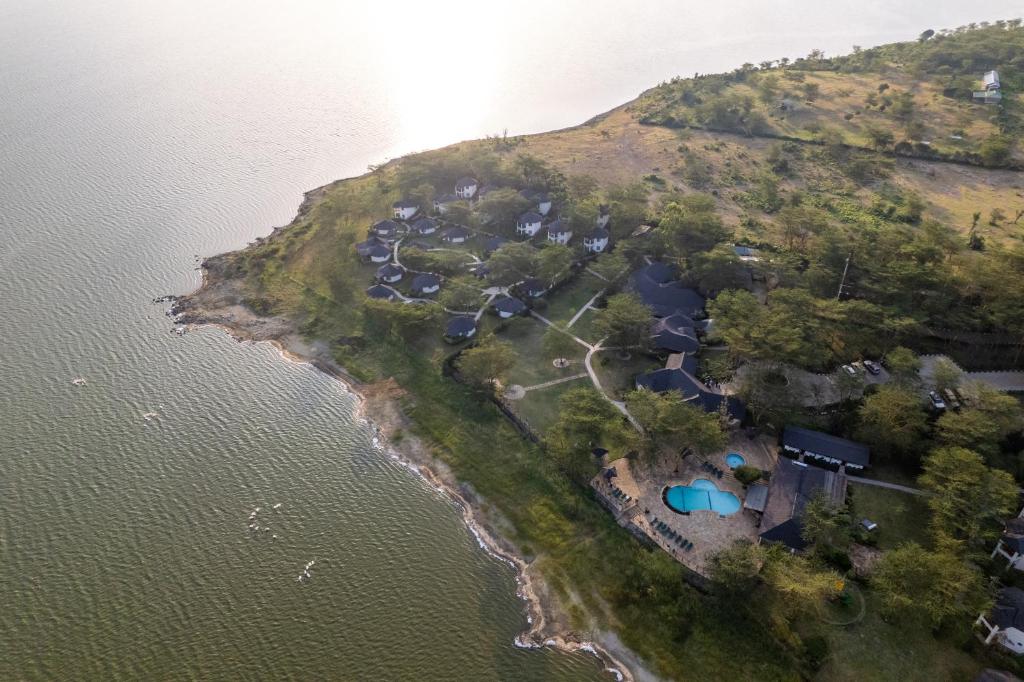
Gilgil is a practical road gateway to Lake Elementaita, whose accommodation spreads beyond the town into lakeside estates, a conservancy and surrounding hills. This guide covers that connected stay area; the selected properties do not form a walkable hotel district in the town centre.
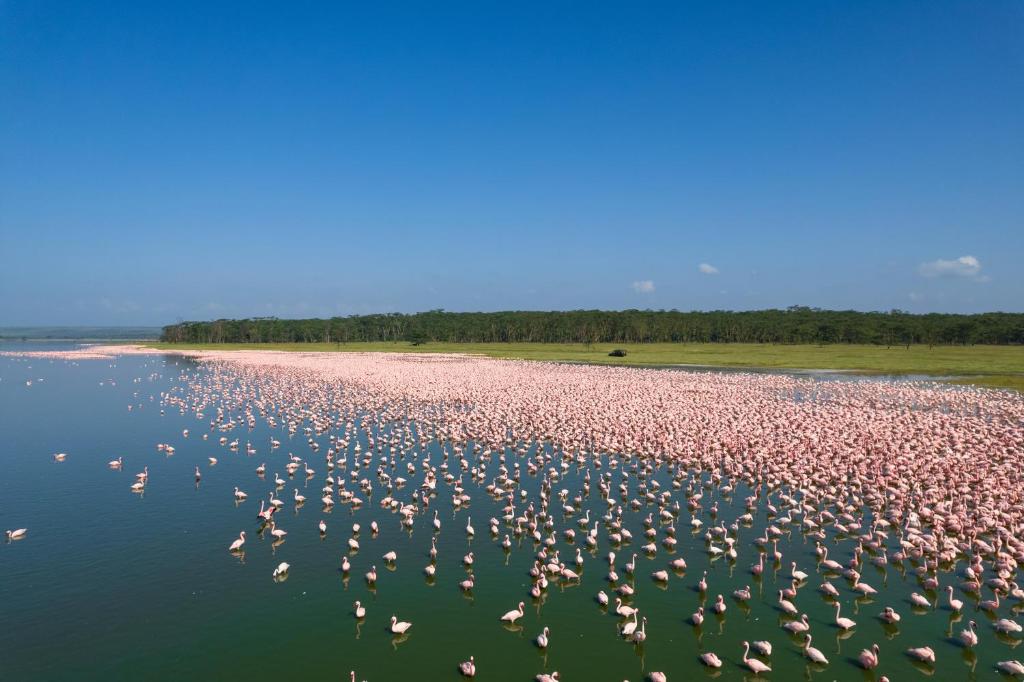
The shallow alkaline lake is part of the UNESCO-listed Kenya Lake System and an important site for waterbirds, including breeding pelicans. Flamingos move between lakes as conditions change, so the rewarding choice is a base for observing the landscape rather than a promise of a pink flock outside every window.
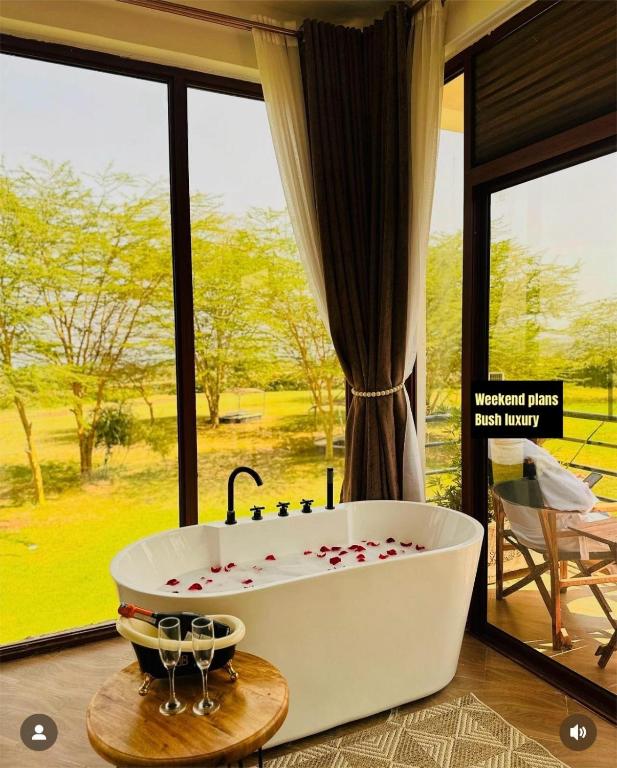
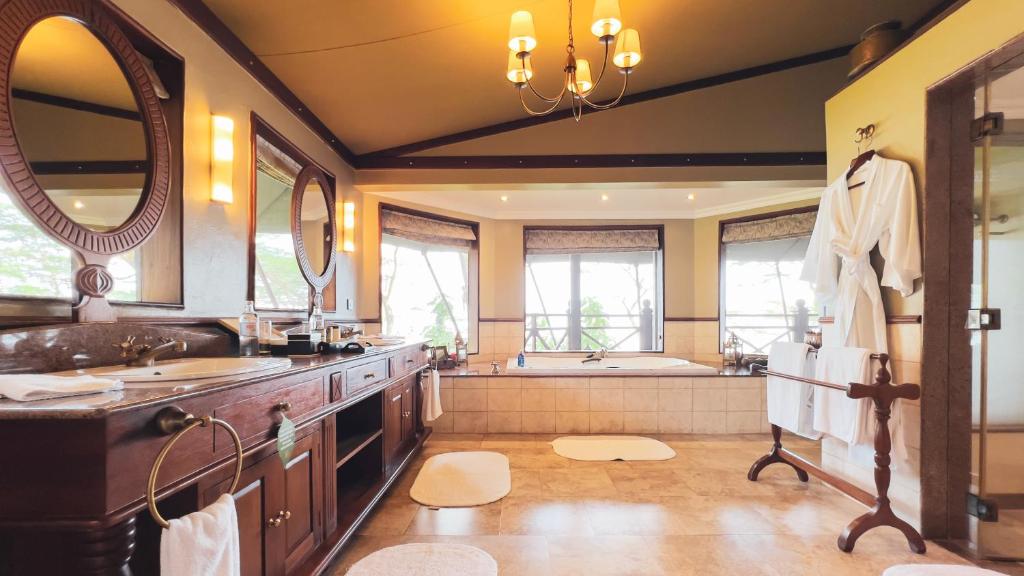
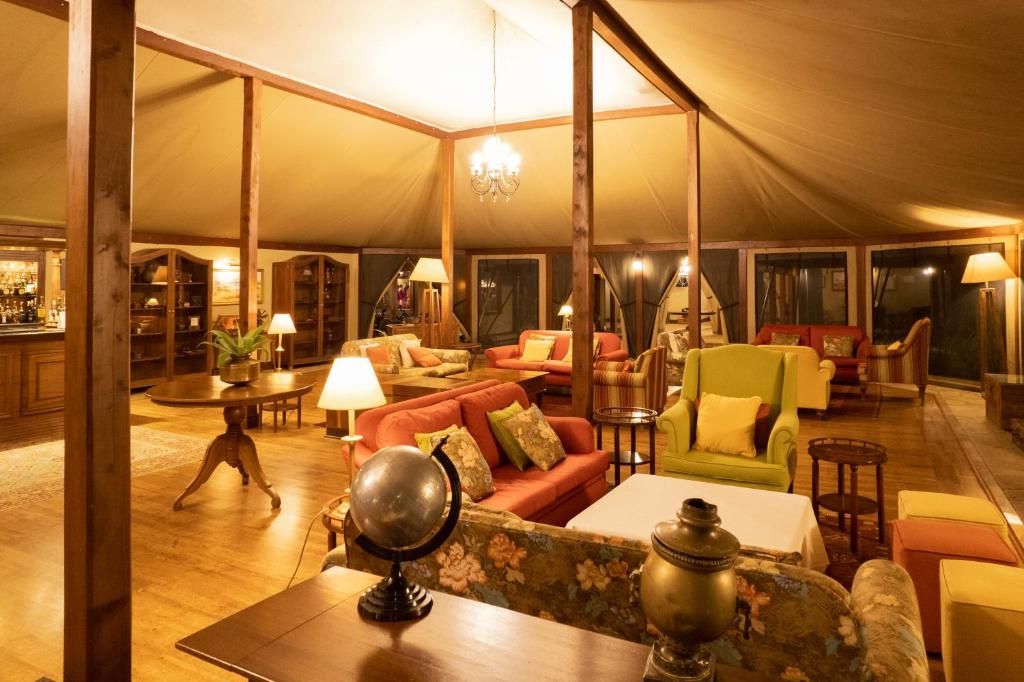
Around the eastern side, the decision is between a small inn, a fuller resort and a room with a carefully chosen outlook. North of the water, a camp inside Soysambu changes the experience because wildlife drives and guided walks become a natural focus, subject to the conservancy’s access arrangements.
Kariandusi adds a different layer to a short break: its archaeological site and museum introduce early stone tools and the basin’s deeper history. Leave time for one guided outing and a slower afternoon at your accommodation instead of treating the lake as a rushed stop between larger parks.
Common questions
Should I stay in Gilgil town or around Lake Elementaita?
For the lake itself, compare the selected shoreline, conservancy and hillside properties rather than assuming a central Gilgil address is closest to what you want to do. Kikopey suits a road stop with hotel facilities; Soysambu suits guided nature time; the hills suit a view-led break. The best base depends on your main activity and onward route.
How do I reach the hotels without a safari vehicle?
The main approach is the Nairobi–Nakuru road, but the final stretch varies substantially by property. Agree a pick-up or a private road transfer with the accommodation if you are not driving. A stop on the highway is not the hotel entrance, and the conservancy and hill lodges need their own arrival instructions.
Can I swim, boat or wander freely beside the lake?
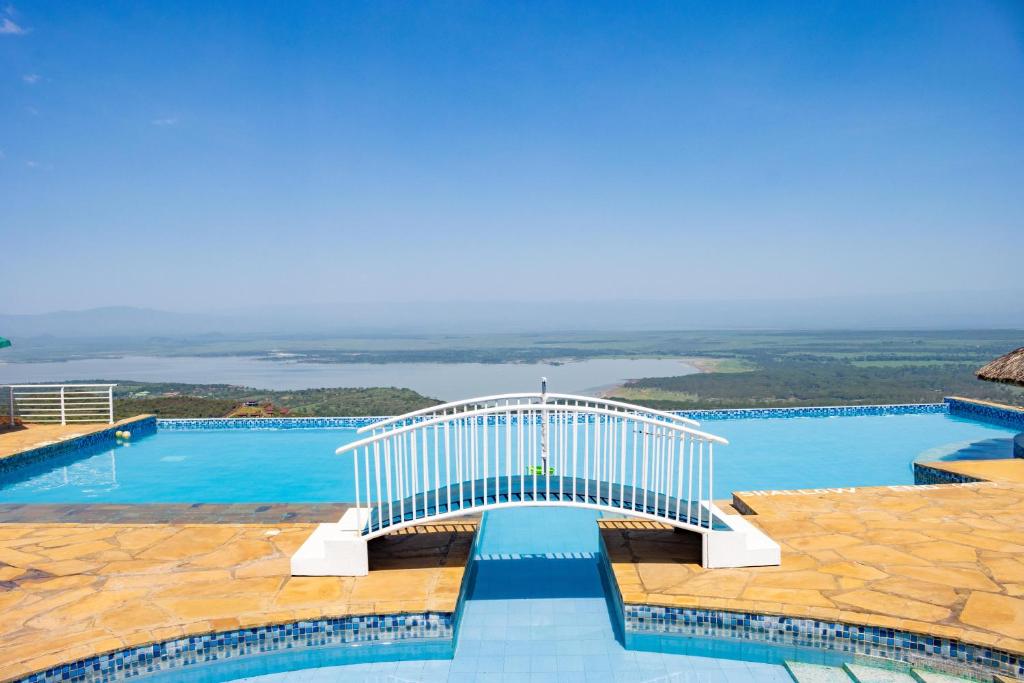
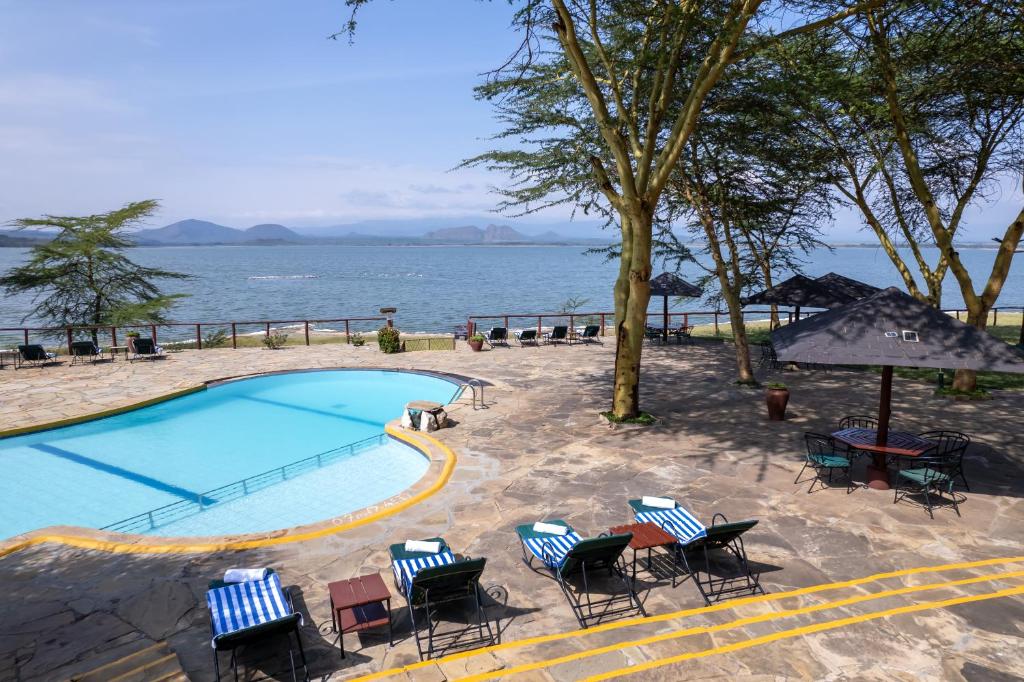
Use the hotel pool for swimming. Soysambu’s rules prohibit wading, swimming and boating in the lake, and they require authorised accompaniment for walks away from camps or vehicles. Ask your host which walks or birdwatching points are available for your stay; a photograph of open water does not establish public access.
Are flamingos guaranteed, and is there more to see than birds?
No particular flock is guaranteed: the birds move between the Rift Valley lakes as feeding conditions change. Pelicans and other waterbirds remain an important reason to look closely. Add a visit to Kariandusi’s museum and archaeological site for a different perspective, or book a conservancy drive through an authorised provider.
Does a conservancy camp booking include every activity?
Not automatically. Serena’s booking information distinguishes the accommodation from conservancy entry, wildlife drives and airstrip transfers. Ask for the exact inclusions in your chosen reservation, the guide arrangements and the meeting point. This avoids building a day around an activity that still needs a separate booking.
When should I visit, and how long should I stay?
Two nights allow a full day for a guided activity and time to enjoy the property; add another if you want both archaeology and several nature outings. Check recent rain and bird reports before choosing dates. March–May is a rainy period, and the central Rift Valley can also receive substantial July–August rain, so a simple nationwide dry-season label can mislead.
Prices are set by the booking site. We may earn a small fee, at no cost to you.