About Real de Catorce
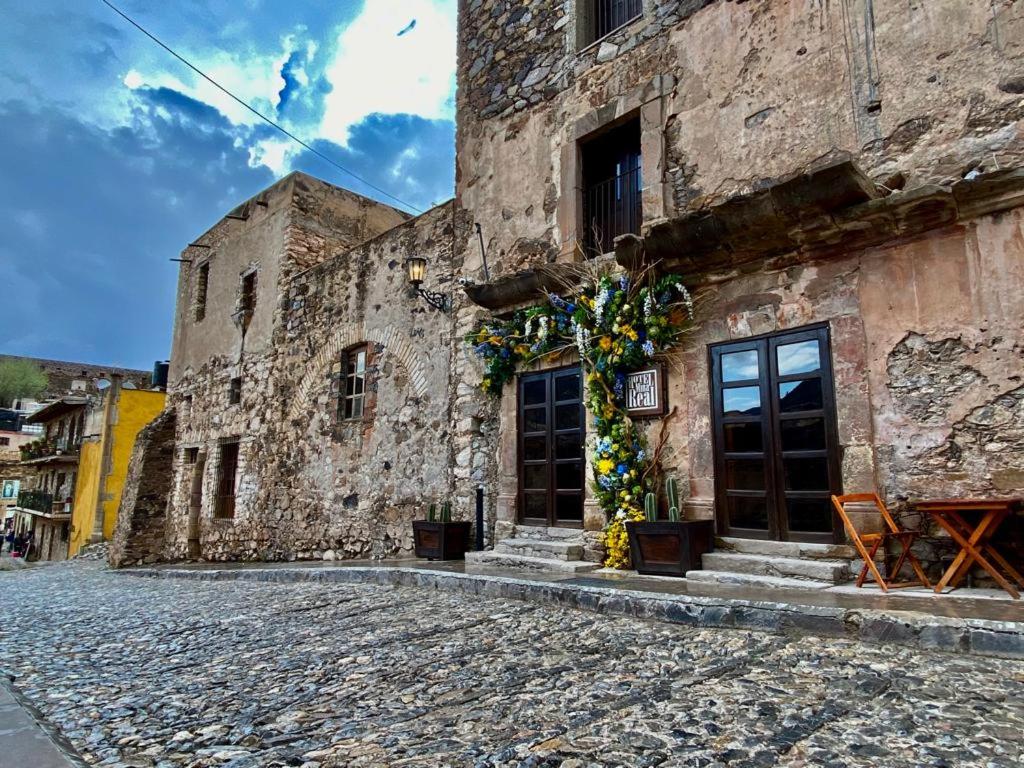
Real de Catorce is a former silver-mining town in San Luis Potosí’s Altiplano, reached on its main road through the long Ogarrio tunnel. Sleeping here gives you time for the church, old mint and stone streets, with another day for a guided horse or Willys excursion into the surrounding hills.
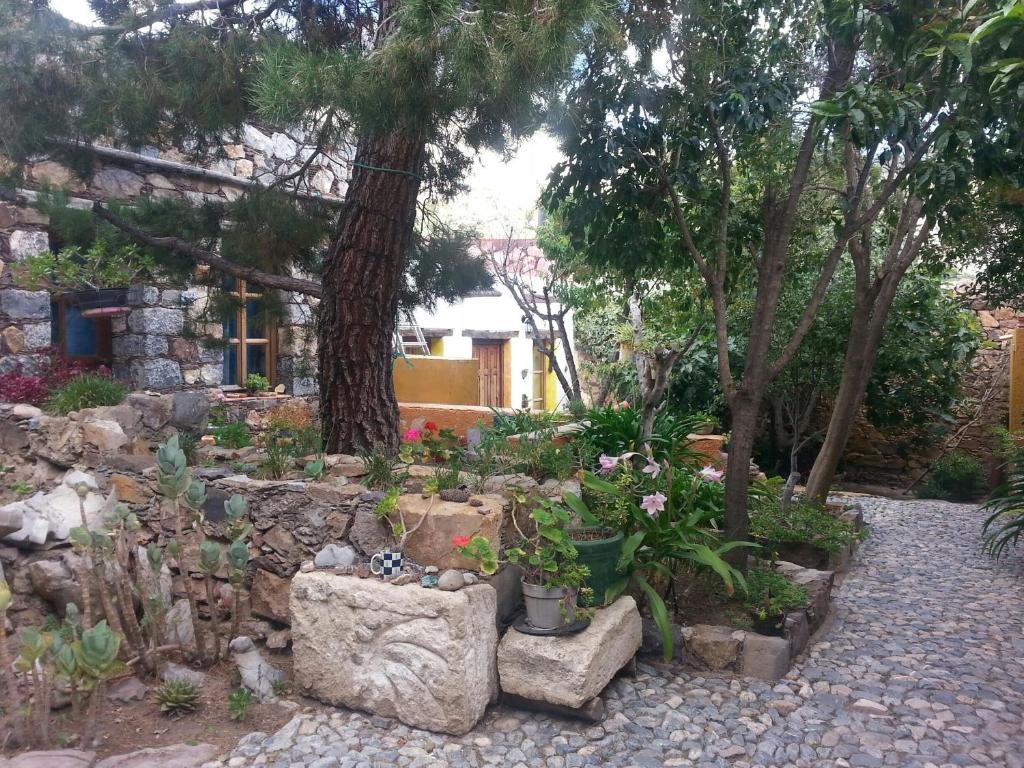
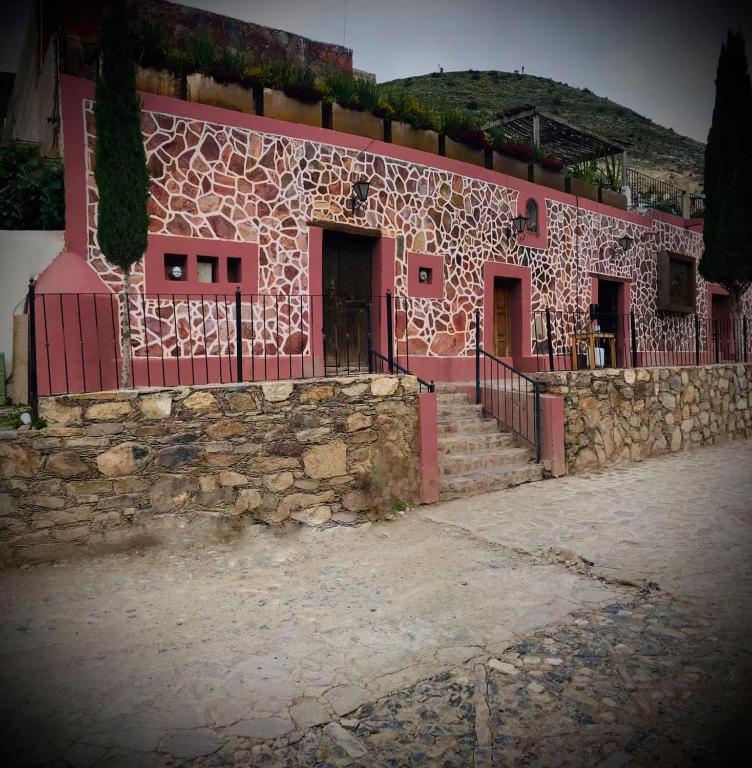
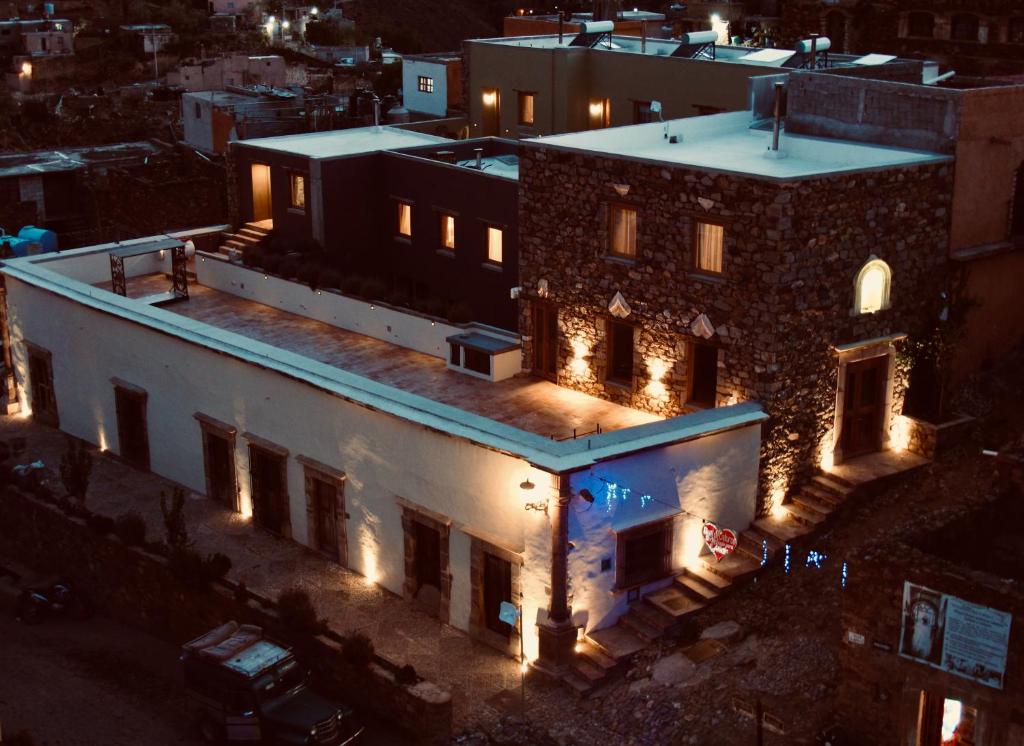
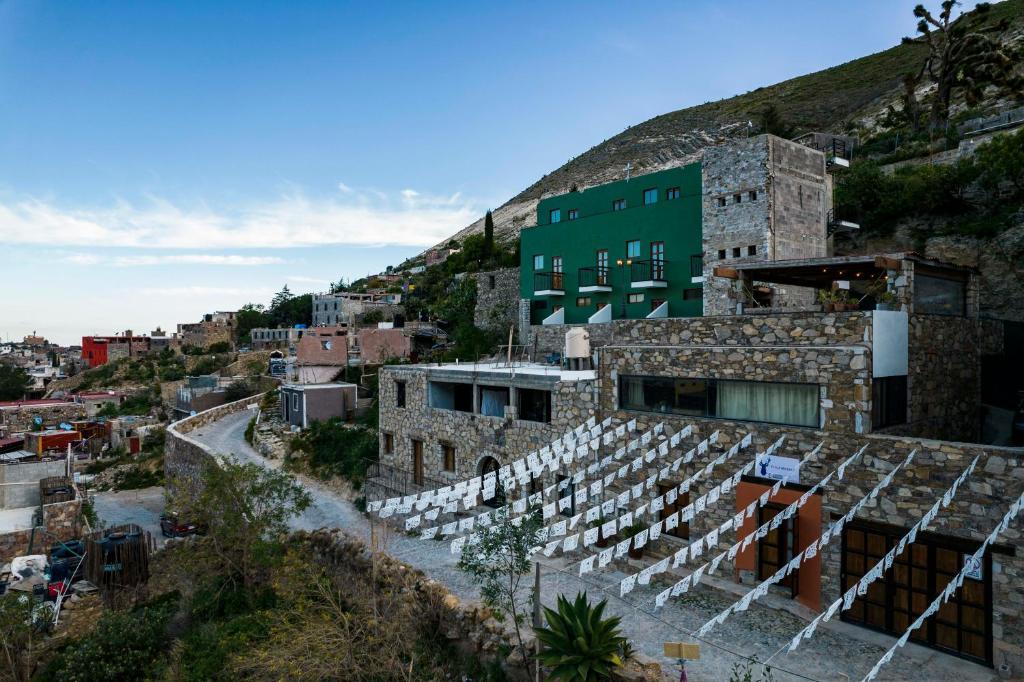
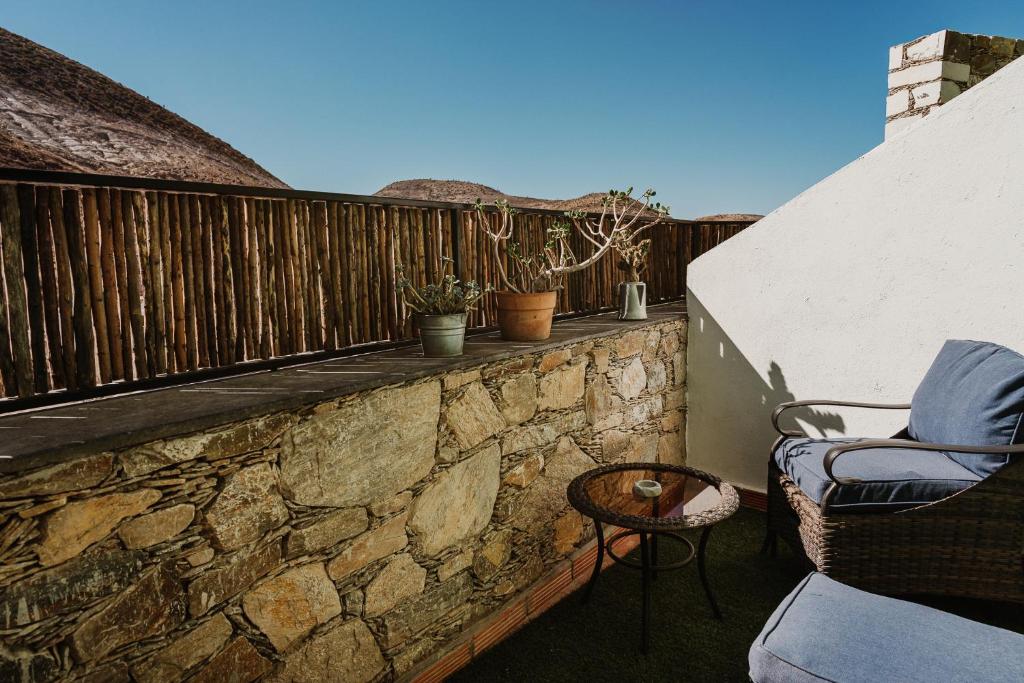
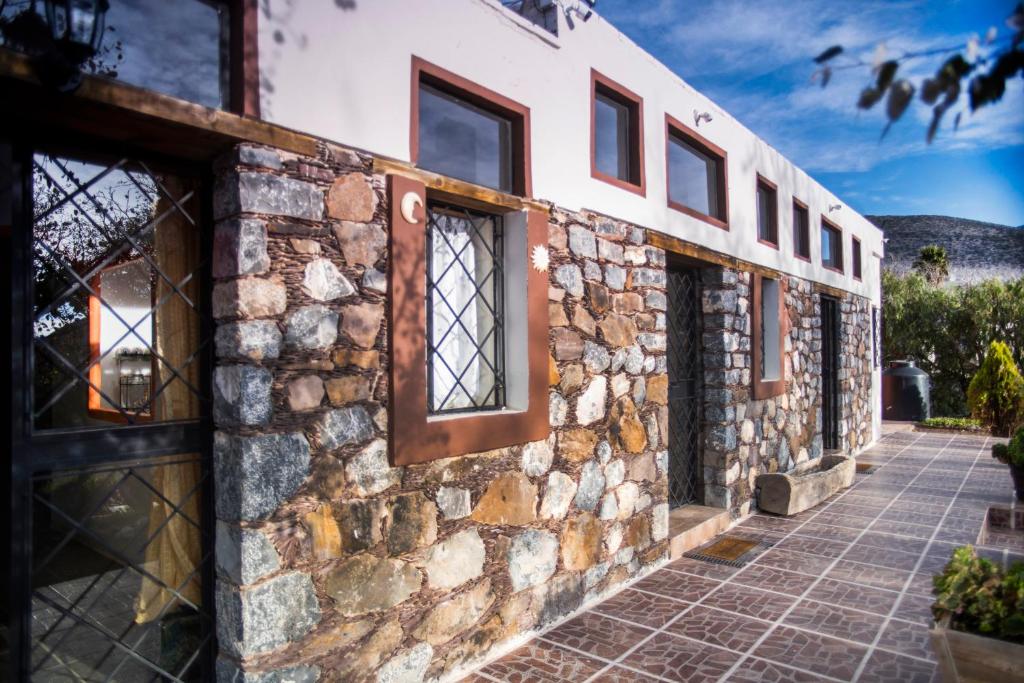
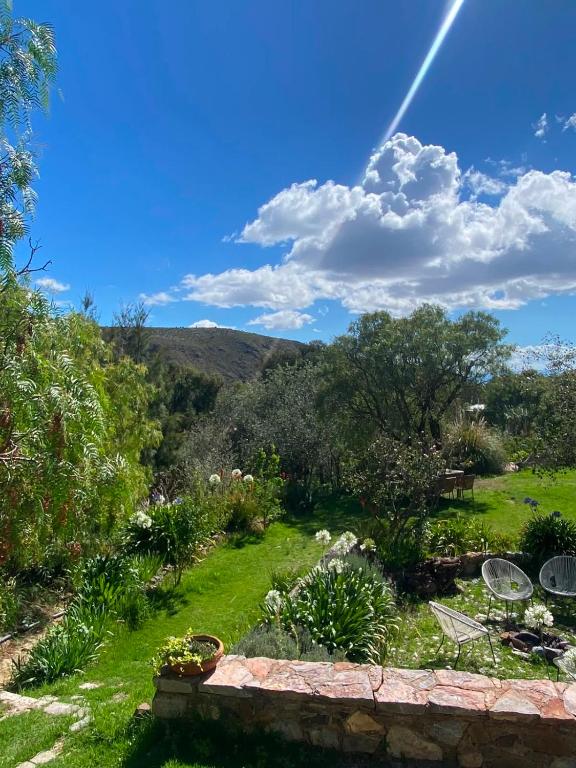
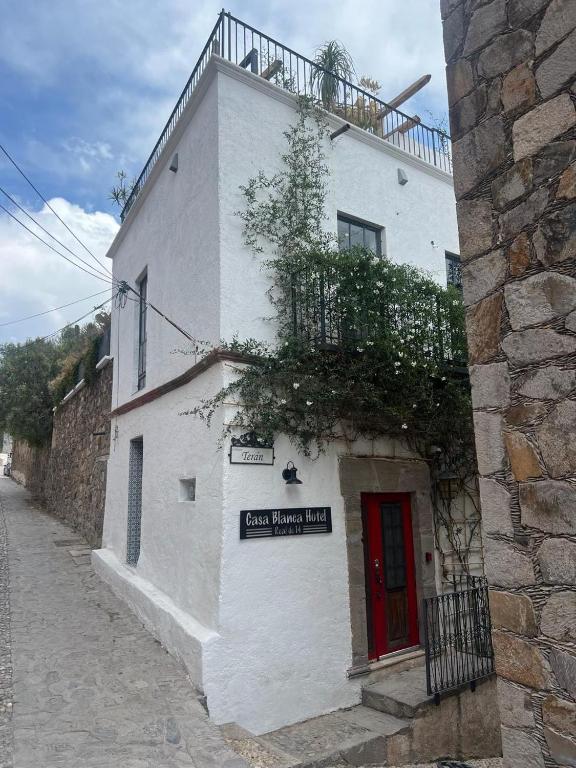
The main lodging choices are central streets close to meals and heritage sights, eastern Lanzagorta for simple rooms or larger cooking spaces, and northern Zaragoza for gardens and apartments. Steep approaches, noisy rooms and the exact bathroom or heating setup matter more than a short map distance.
Common questions
How many nights should I stay in Real de Catorce?
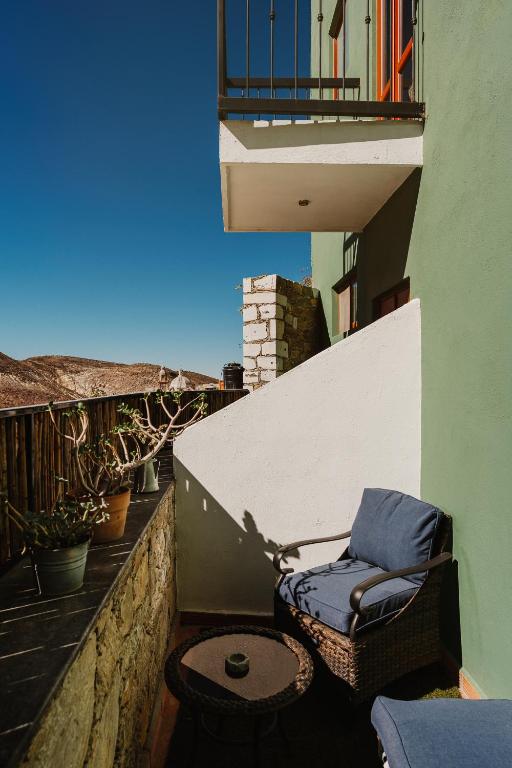
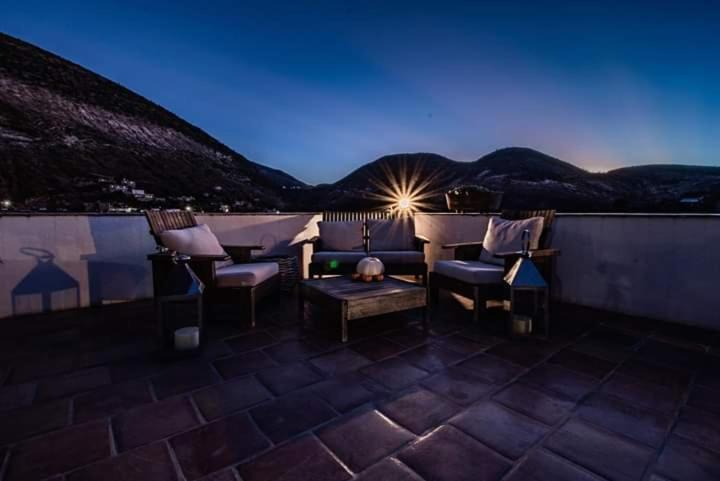
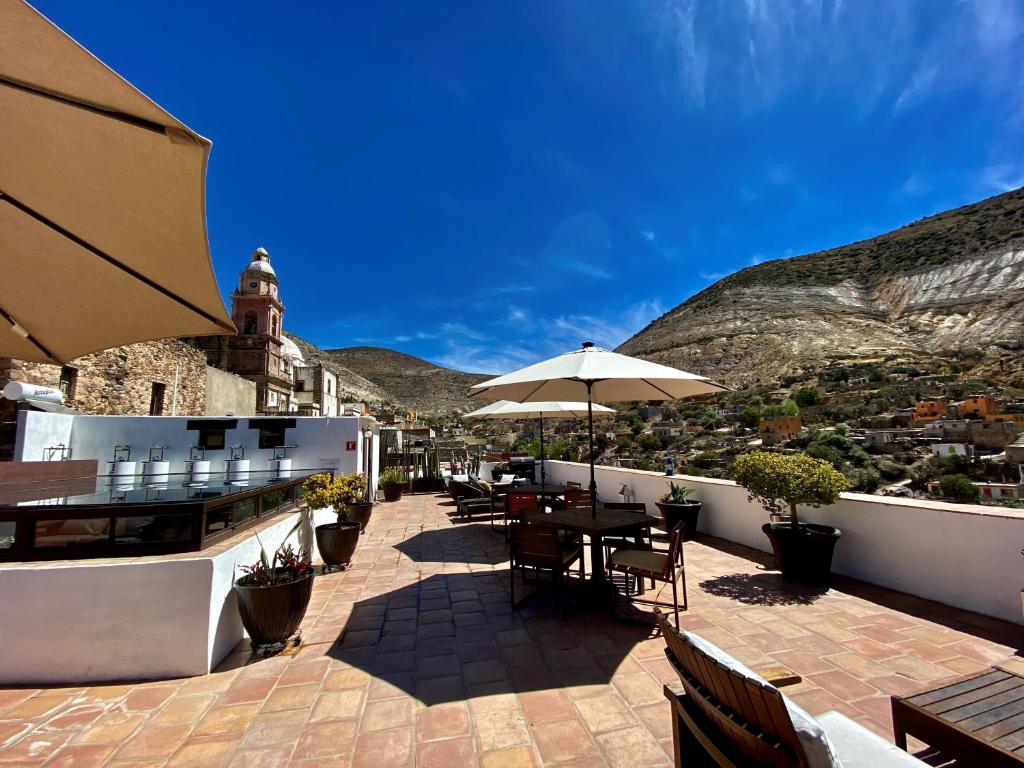
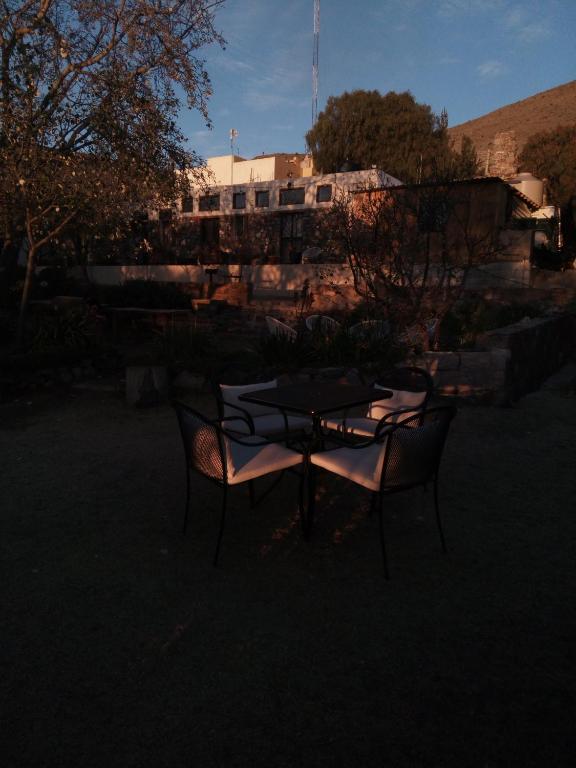
One night lets you enjoy the central streets without fitting the whole visit around the drive and tunnel crossing. Two nights make more sense if you want a separate guided trip into the surrounding hills or desert as well as the church, old mint and palenque. Reserve some time at the lodging itself: gardens, terraces and a comfortable heated room can be part of the reason to stay.
How do I reach Real de Catorce from San Luis Potosí?
The usual road approach follows Highway 57 toward Matehuala, turns toward Cedral and continues along the cobbled mountain road to the 2.3 km Ogarrio tunnel. A local excursion operator allows roughly three hours across the Altiplano before the final arrival, so leave additional time for the tunnel, parking and reaching your room. Ask the property for its actual drop-off point and parking instructions before setting out.
Can I get to Real de Catorce without a car?
Matehuala is the connection to plan around, with onward local transport or a transfer arranged for your travel date. Confirm the departure point, whether you need to change vehicles at the Ogarrio tunnel, how the crossing works and how you will return; a long-distance ticket to Matehuala should not be assumed to include the last leg. Get the timetable directly for your dates and leave a generous connection margin instead of relying on an old guidebook.
Do I need to drive once I am in town?
The central sights and meals can form a walking stay, but steep cobbled streets make carrying luggage harder than the map suggests. For surrounding tracks, the state tourism authority describes local horse and Willys excursions, which are a different outing from driving between town addresses. Confirm the route, walking demands and pickup point with the provider, especially if your lodging is on northern Zaragoza.
When is the rainy season, and will I need heating?
The region’s summer rains are concentrated from June to September, while sunny days can still be followed by cool evenings in this mountain setting. Pack layers and footwear that grips wet stone, and ask about heating for a winter stay instead of assuming every room has a working fireplace. Check the forecast before a mountain excursion and leave room to change the day’s plan.
What changes around the October pilgrimage?
San Francisco de Asís is honoured on 4 October, and pilgrims are an important part of the town’s calendar. Arrange your room and arrival early if visiting around the celebrations, and check the municipality’s vehicle-access notices for your exact date. The published 2026 festival tunnel restrictions ended by 1 November; they do not establish a closure on a later weekend or a schedule for the following year.
Which accommodation works for families?
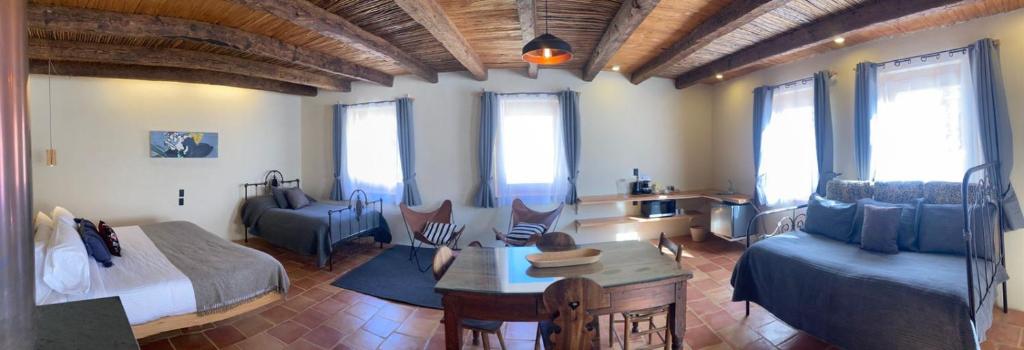
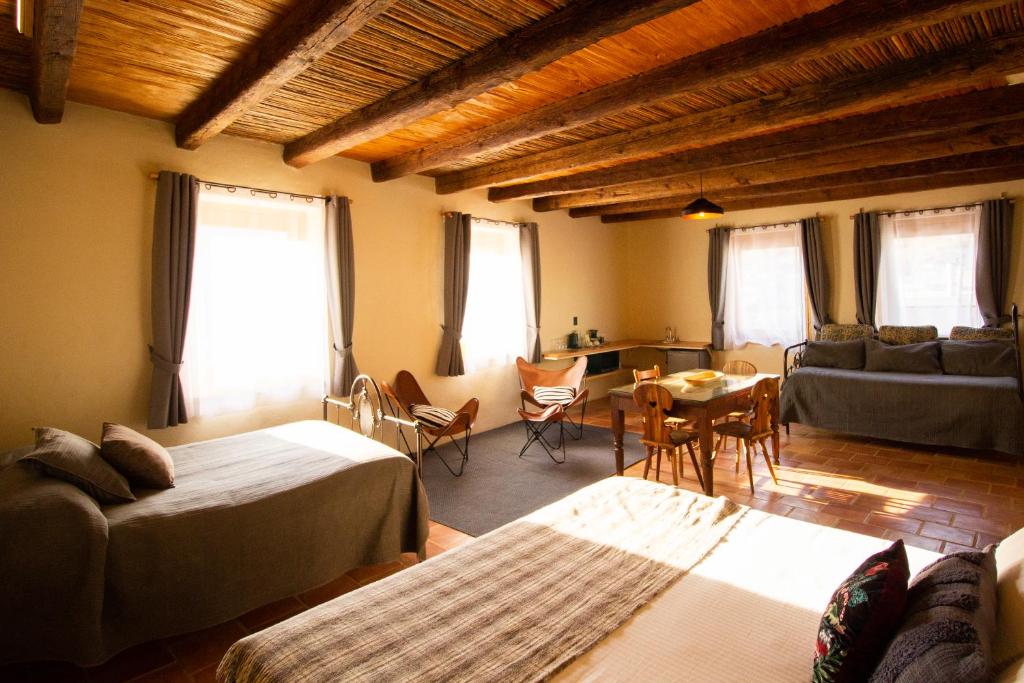
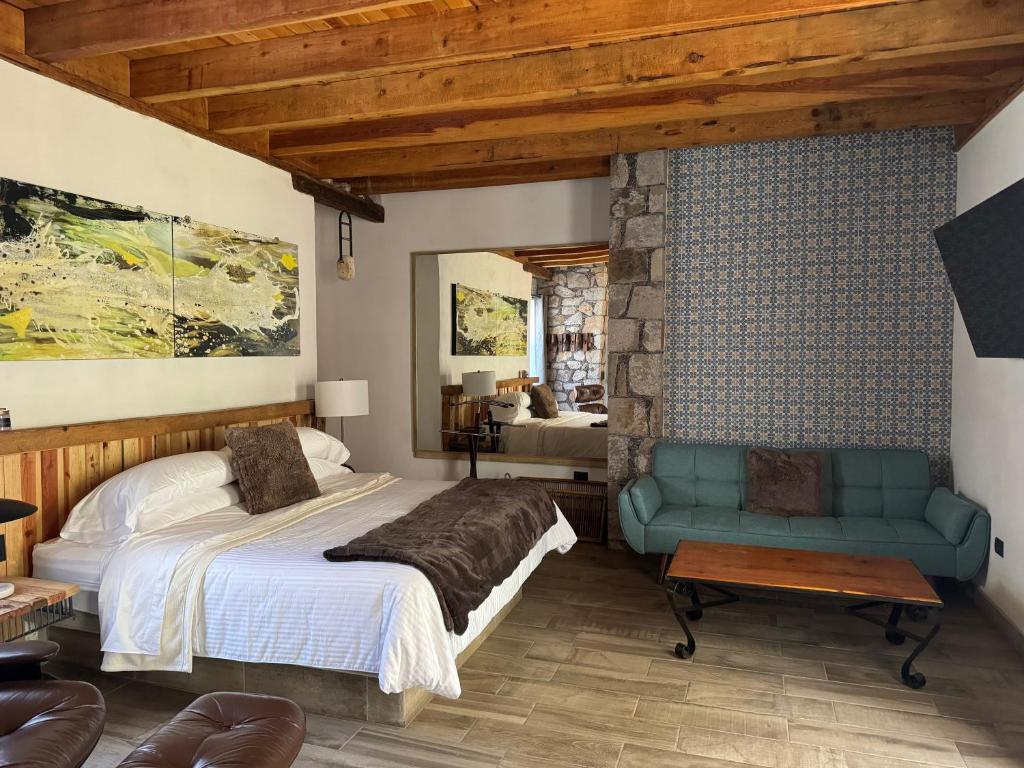
Start with the exact room’s beds and child policy: two double beds do not automatically mean children are accepted. The selected two-double room on Ramón Corona is adults-only, while other choices welcome children but may have no cots, extra beds or separate sleeping area. For a king room that permits an additional child, confirm where that child will sleep and how stairs or ramps affect the stay.
Can I cook my own meals?
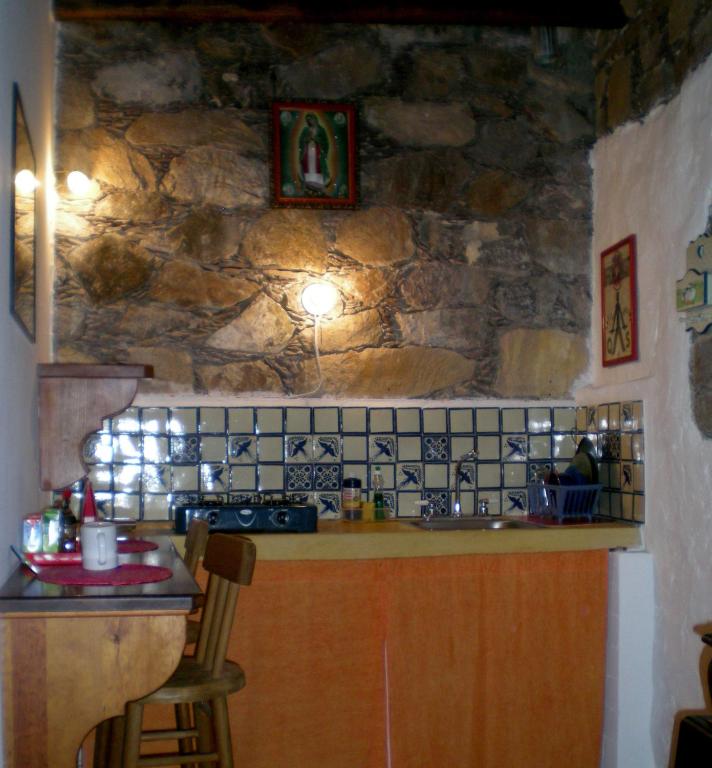
Kitchenettes are available in some larger Lanzagorta rooms, the garden studio and northern apartments, but their equipment differs. A microwave and refrigerator are confirmed in the selected larger eastern room, while a recent guest found no refrigerator in the garden studio and northern guests have reported incomplete cooking equipment. Ask for the current list of appliances and cookware, including whether there is a working hob or oven, before planning a full self-catering stay.
Is a ground-floor room enough for step-free access?
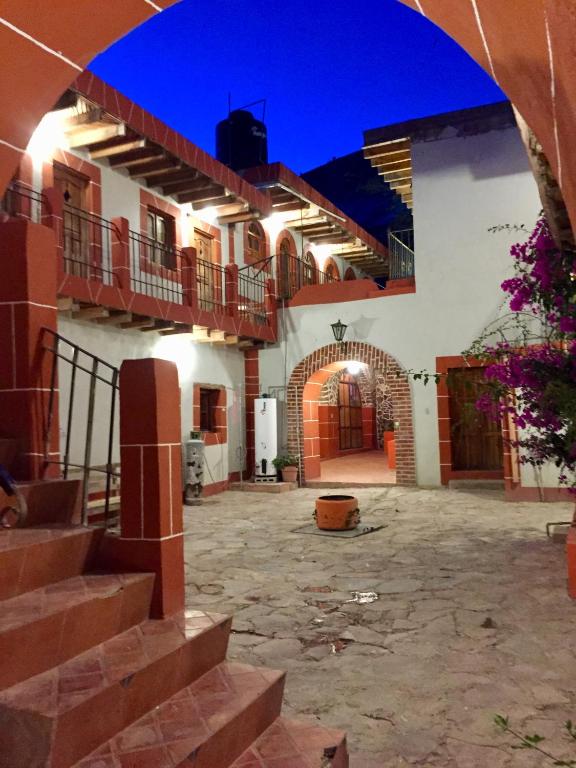
No: the approach from parking can still include a steep street, ramp, threshold or stairs. Ask for photographs of the whole route to the chosen room and private bathroom, including the shower entrance, rather than relying on a general ground-floor label. Larger vehicles also need specific advice before attempting the narrow northern lanes.
What should I confirm about hot water, Wi-Fi and sleep?
Ask about heating and hot-water operation in the actual room, especially in apartments with boiler controls. Recent guest accounts describe uneven in-room Wi-Fi at several properties, so confirm a tested connection if work depends on it. For restful nights, discuss nearby bars, shared walls and room orientation, because a high overall rating or garden view does not guarantee quiet.
How should I approach Wirikuta and the surrounding landscape?
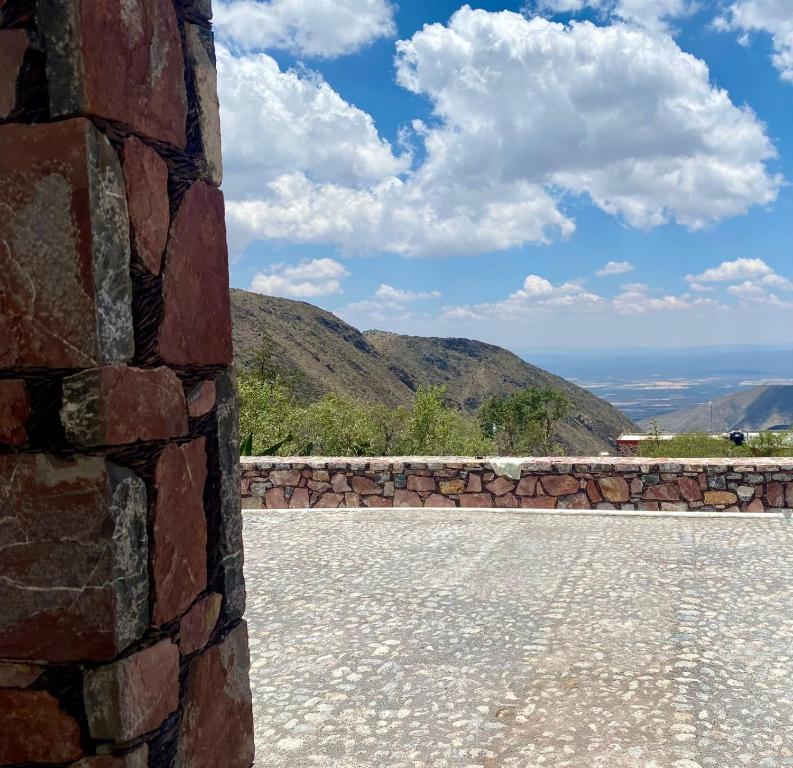
Wirikuta is part of the living sacred landscape of the Wixárika route inscribed by UNESCO in 2025. Choose a locally informed guide, agree on the route and physical demands, and respect ceremonies and requests about photography. Keep the town’s short sightseeing walks separate from longer mountain or desert excursions when planning your days.
Prices are set by the booking site. We may earn a small fee, at no cost to you.