About Divundu & Popa Falls
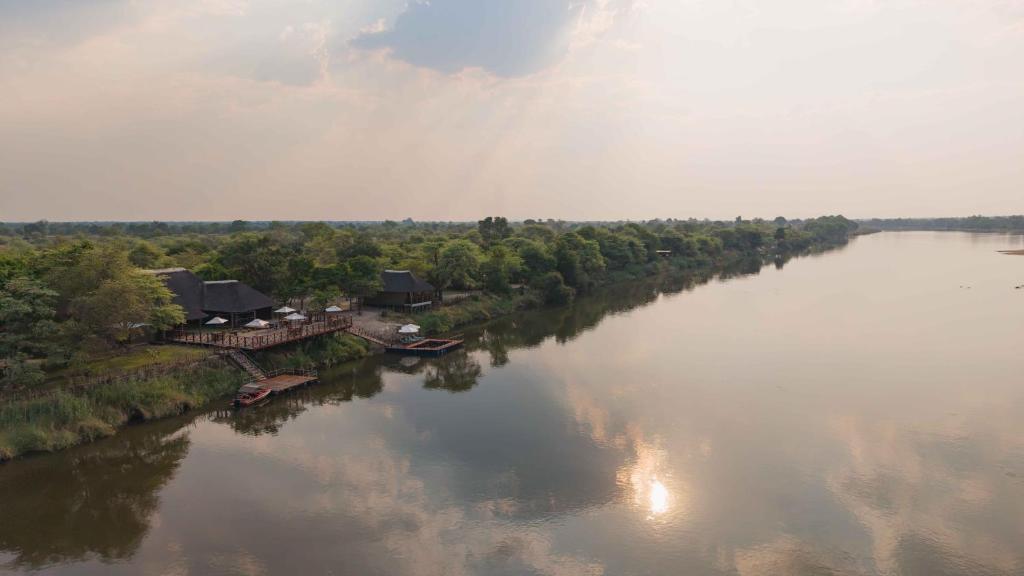
Divundu is a small river crossing base where a driving day can become two or three nights beside the Okavango. Popa Falls are low rapids, with forested banks, birds and boat outings giving the stay its character. The practical choice is between the Divava shore reached from the C48, the facing Bwabwata bank with a separate B8 approach, and Bagani’s smaller river camp setting.
You can combine a lodge afternoon with Mahango or Buffalo wildlife excursions and a community-led Khwe visit. Choose the entrance, room category and meal arrangements carefully: a riverside address does not guarantee a clear view or swimming.
Common questions
How many nights make sense in Divundu?
Three nights give you two full days to separate a wildlife drive from a boat outing, a cultural visit and time by the river. Two nights can suit a shorter road journey with one main excursion, while a single night mainly serves as a stop between longer driving stages. Leave some daylight for the final lodge approach and enjoy the setting itself instead of trying to combine every core area and activity on arrival.
Which riverbank should I choose?
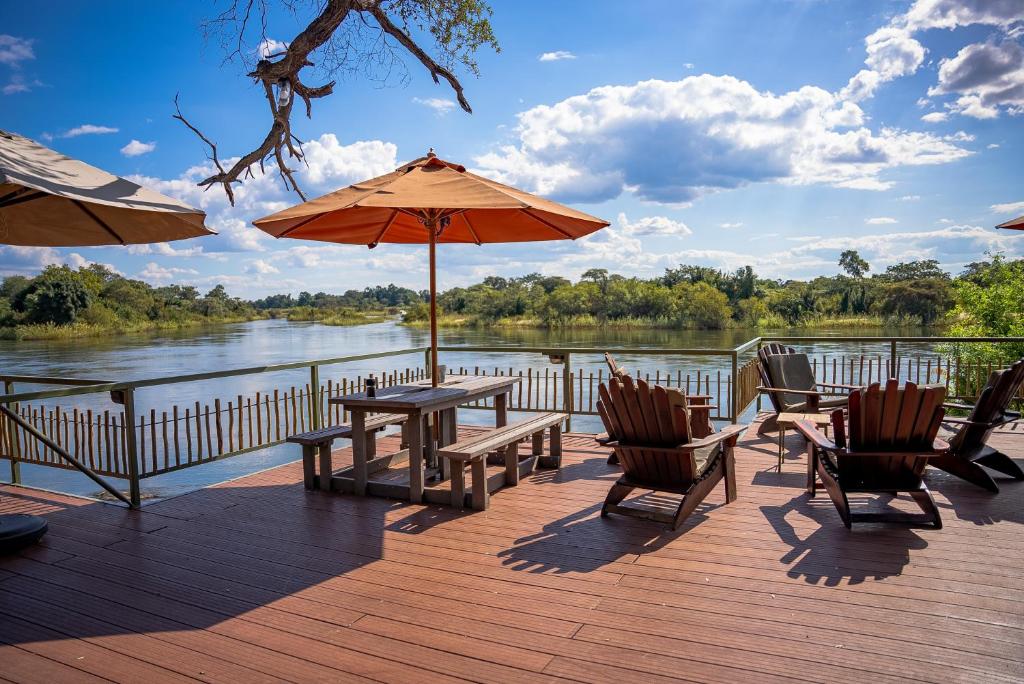
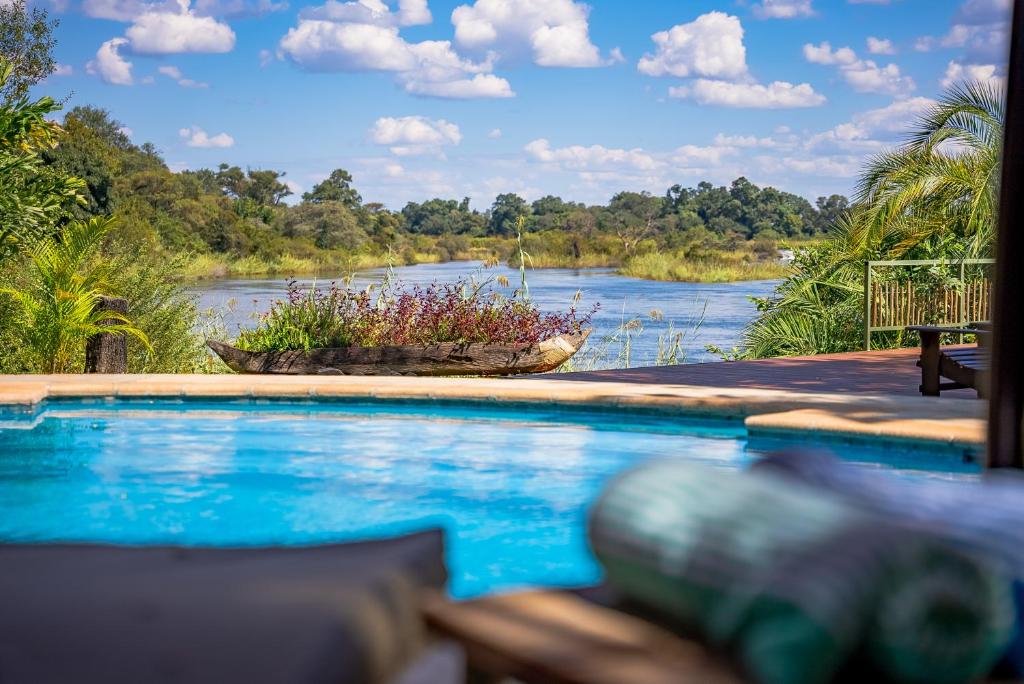
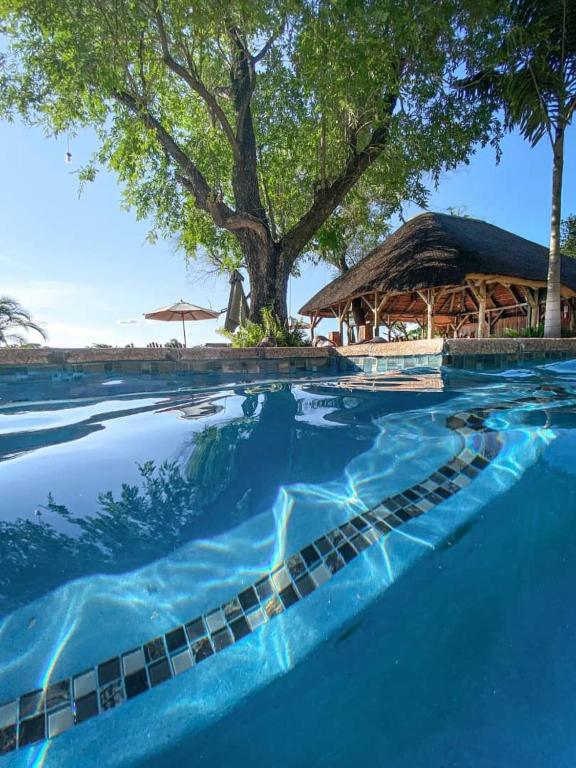
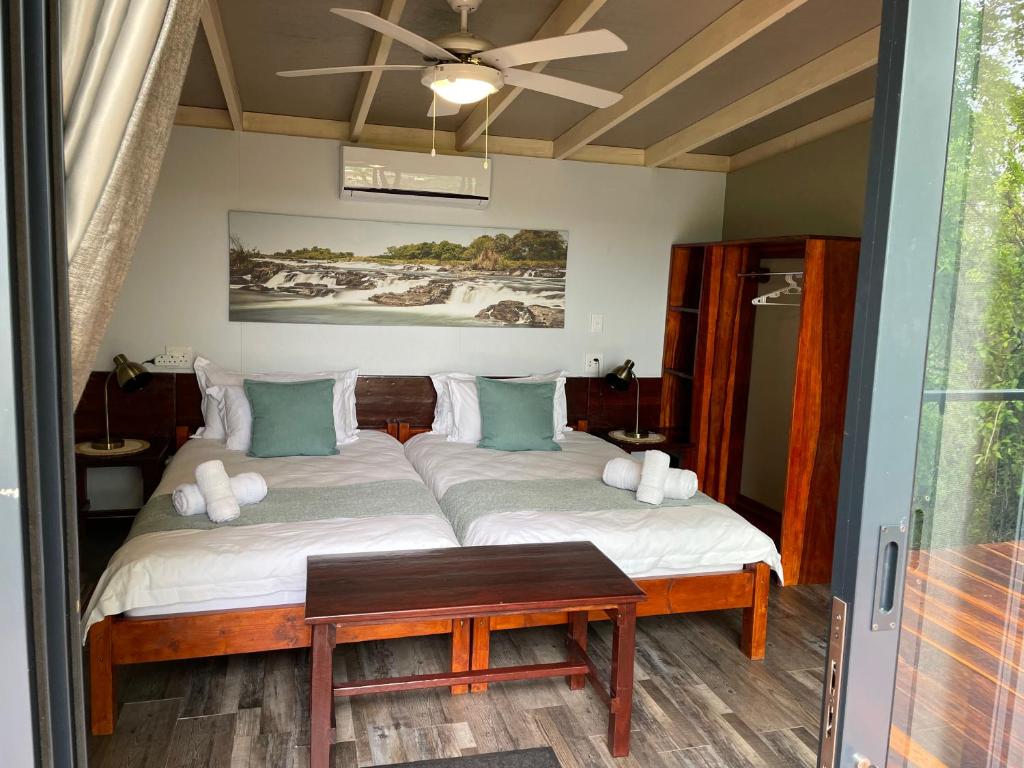
The Divava and Popa Falls shore is a useful first choice when you want a chalet, pool and outings arranged from a lodge reached via the C48. The facing Bwabwata bank has its own B8 access and selected kitchen-equipped chalets, whereas Bagani offers smaller private tents and huts with a simpler camp routine. Compare the exact room, meal plan and entrance rather than treating every Divundu map label as the same location.
Can I arrive without a car?
Divundu is about 200 kilometres east of Rundu along the B8, and the final lodge route depends on which bank and entrance you book. Intercape currently lists a Divundu stop at Shell Service Station Hombe, but check service for your date and arrange a confirmed pickup with your host. A car gives more freedom for supplies and outings, although lodge transfers and guided trips can replace it when agreed in advance; neither option removes the need to check the final access road.
Are Popa Falls a waterfall, and can I swim?
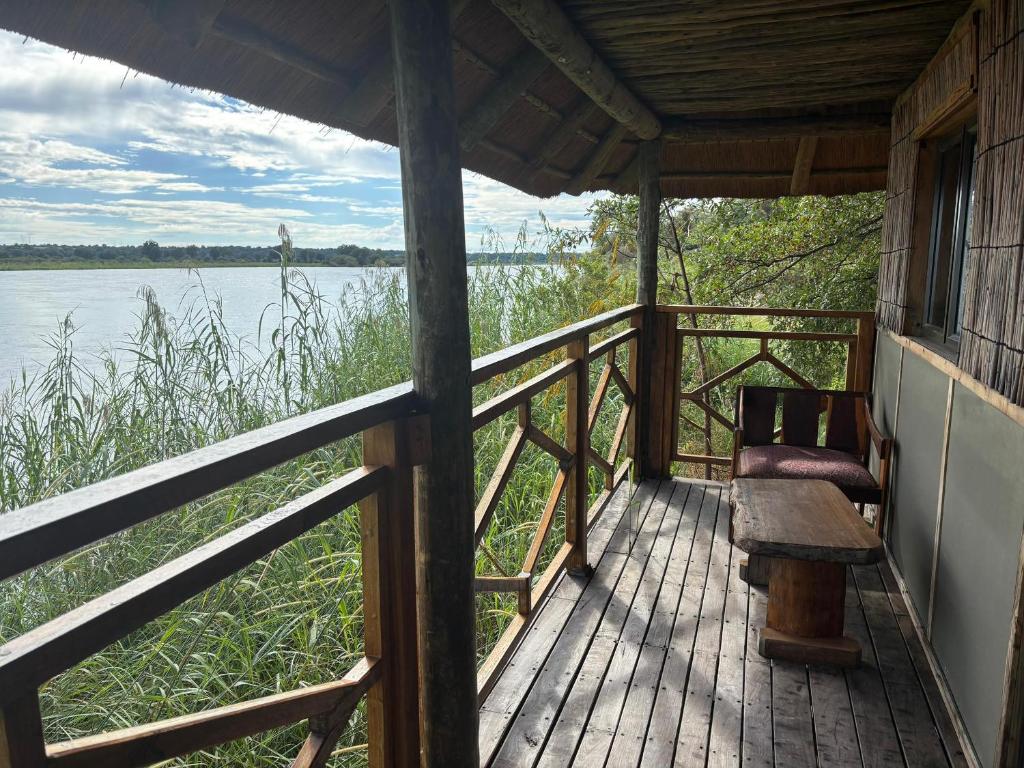
Popa Falls are a series of low rapids over a rock ledge, with an overall drop of about four metres rather than a high waterfall. Hippos and crocodiles inhabit the river, so plan to cool down in a swimming pool and enjoy the water from appropriate viewpoints or an organised boat trip. Ask about current water levels, the boat departure point and the view from your actual terrace, because river frontage alone guarantees none of those experiences.
How should I arrange Mahango or Buffalo wildlife drives?
Mahango and Buffalo are separate core areas of Bwabwata, so ask which area your outing visits and how its route fits the rest of your day. Confirm the vehicle, guiding, entry arrangements and return transfer, especially if your accommodation is reached from a different side of the river. Park tracks need their own assessment for sand, rain and vehicle suitability, and a straightforward road to a chalet does not establish that every wildlife route is suitable for the same car.
When is a useful season for a river stay?
May to September is generally the drier period, with cooler early mornings and evenings than the summer months. November to April brings most of the rain, while heat can build before the rains, so check cooling in the particular room rather than relying on the calendar alone. Rainfall varies between years, and current river levels, tracks and boat operations matter more to a specific excursion than a promise of perfect weather or guaranteed animal sightings.
How can I include a Khwe cultural visit?
The Khwe Living Museum at Mutc’iku is about ten kilometres east of Divundu on the B8 and presents traditions through a programme developed with the community. Depending on the programme, guides demonstrate activities such as papyrus bracelet making and tracking, so discuss the visit you want rather than wandering uninvited through a settlement. Bring cash for the programme and crafts, and arrange your return transport because there is no direct public service to the museum.
What should families and travellers with limited mobility check?
Confirm the number and type of beds, since a family room may use bunk beds while a twin chalet or private tent may allow only two guests. Ask for photos of the route from parking to the room, bathroom and restaurant, including slopes, steps, raised decks and any exposed river edge. Supplied-bed tents can have private bathrooms, but a camping plot or private ablution hut is a different booking, and children still need close supervision around pools and wildlife habitat.
How should I plan meals, power and internet?
Check whether your booking includes dinner or breakfast and arrange the first meal before arriving, especially at a small camp with limited alternatives nearby. If you choose a kitchenette, confirm the cooking equipment and groceries you need rather than assuming every chalet has the same facilities. Wi-Fi can work mainly around reception or the restaurant, and solar-powered camps need a discussion about charging, so download directions and avoid planning work that depends on uninterrupted room internet.
Prices are set by the booking site. We may earn a small fee, at no cost to you.