About Ōpōtiki
Ōpōtiki makes a useful pause on the eastern Bay of Plenty coast, especially when you want cycling and beach time within reach of a working town. The Dunes Trail heads east from the river bridge, while connected trails lead west towards Waiotahe Beach.
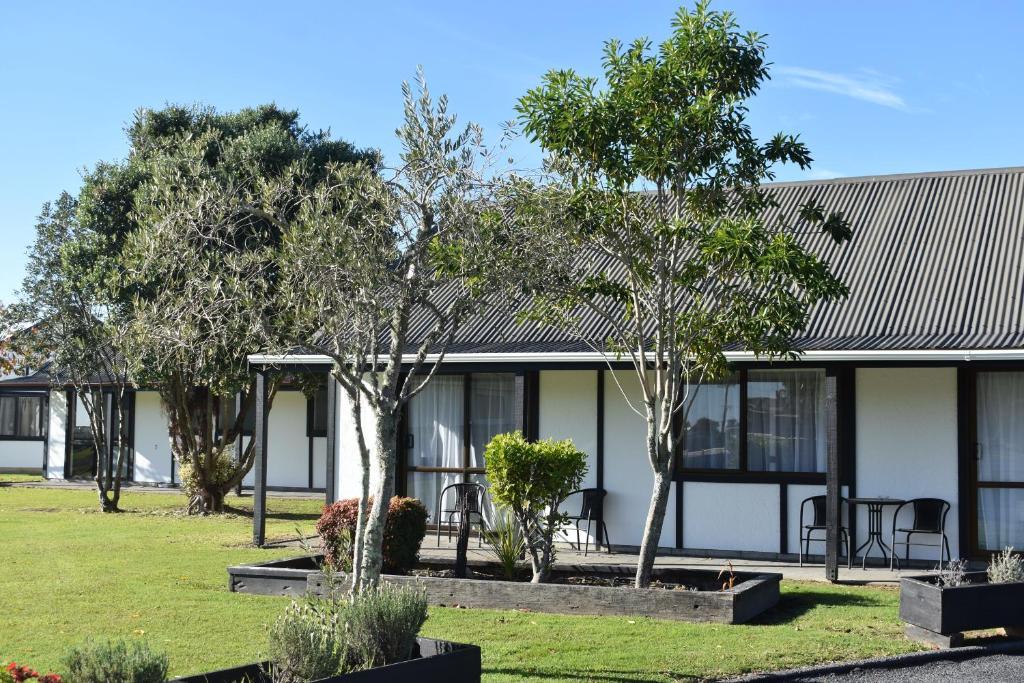
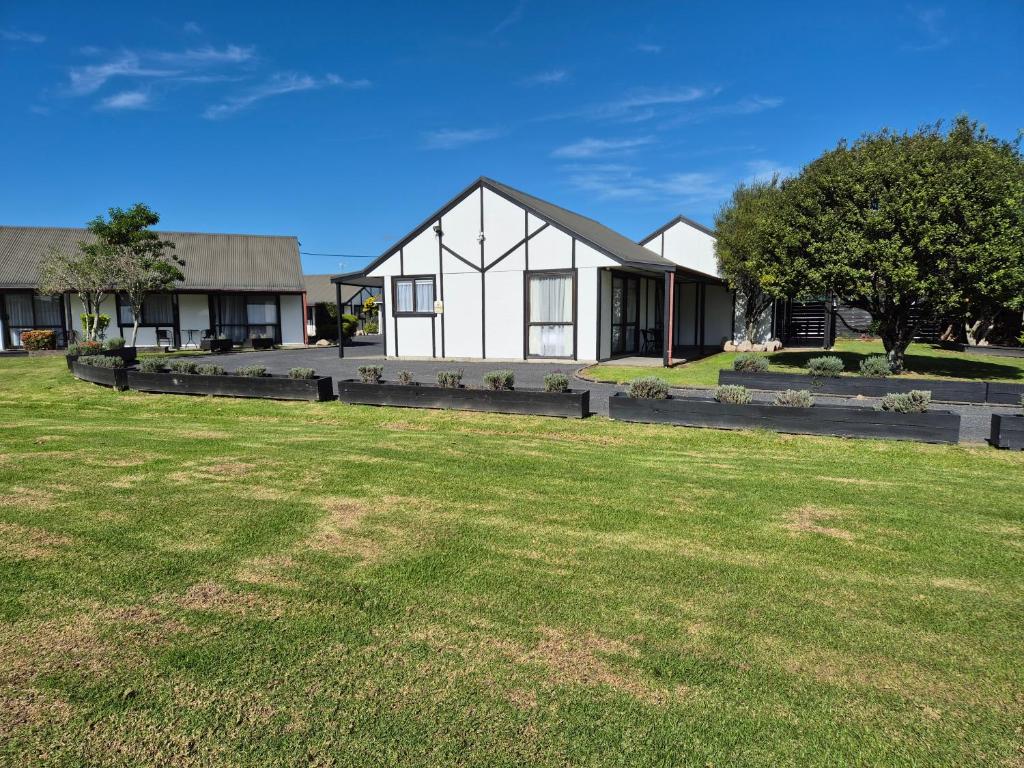
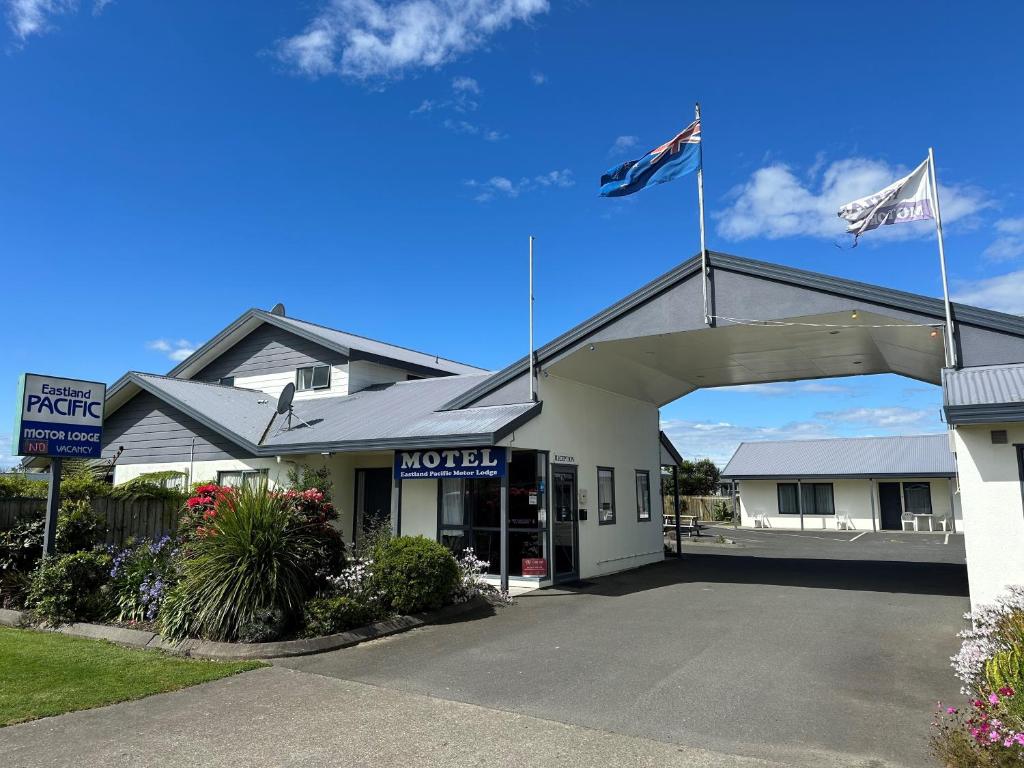
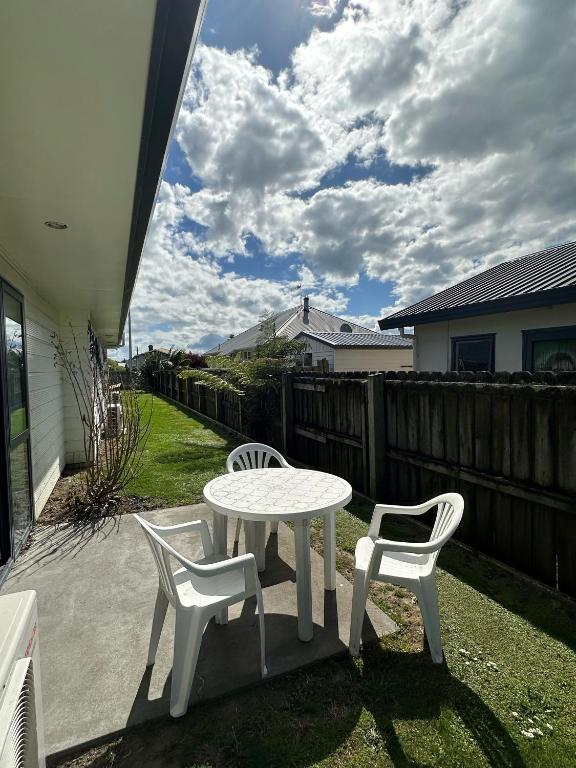
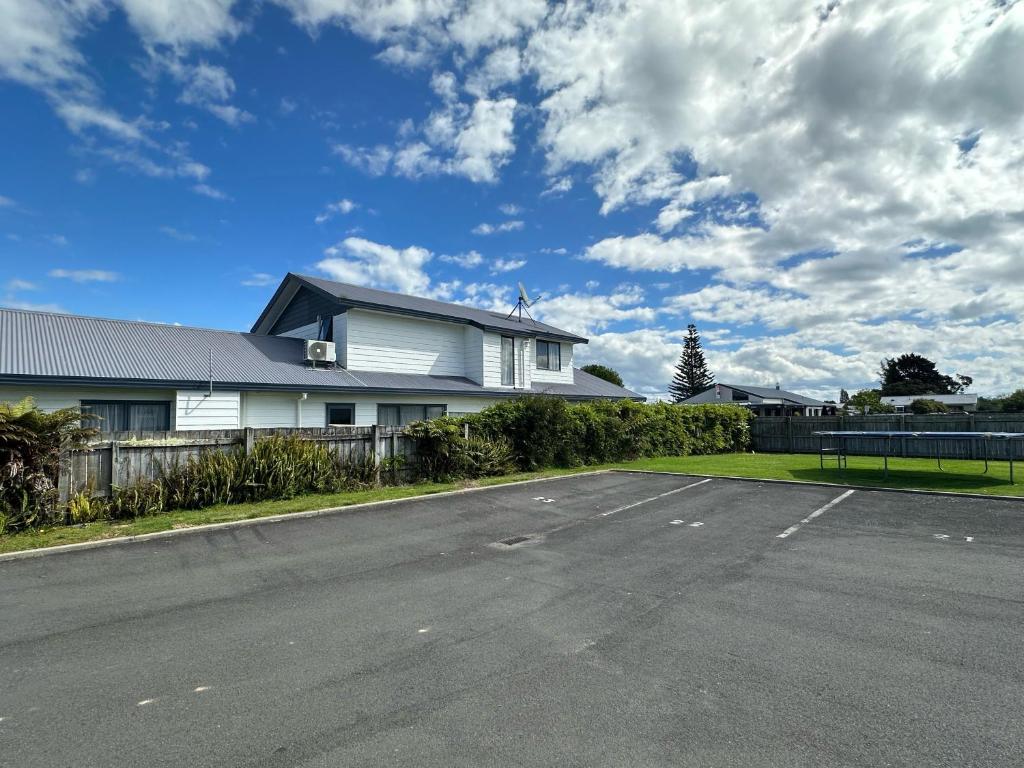
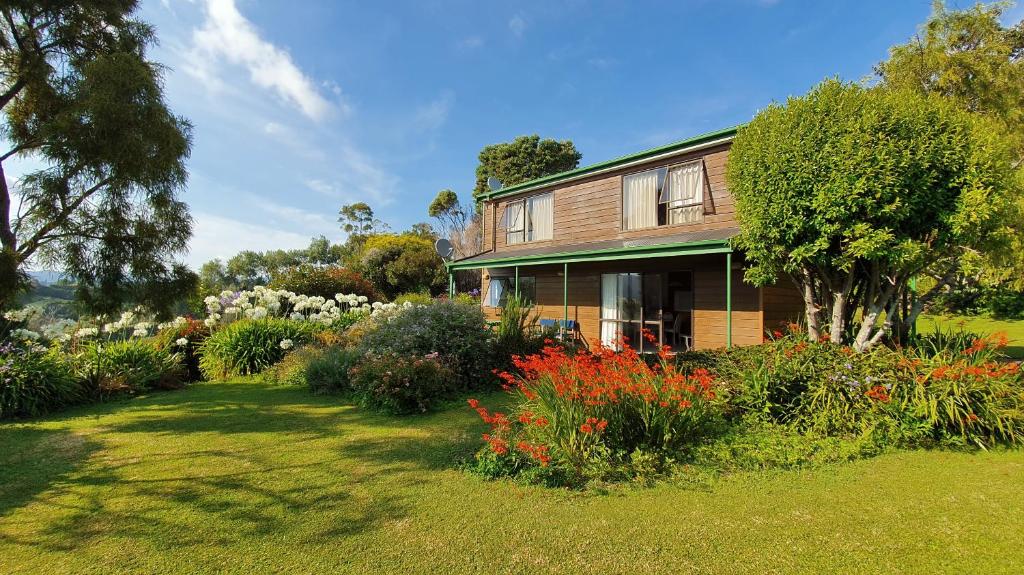
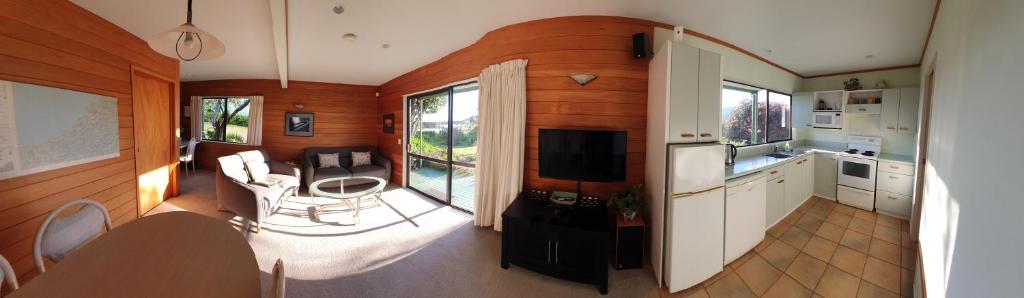
Sleeping near Church Street keeps shops and everyday errands close; a coastal cabin or orchard room changes the rhythm to beach walks and evenings at your accommodation. Tablelands Road offers a third choice, with country cottages above town. Choose the address around the way you will spend your days, and check the room's kitchen and bathroom arrangements carefully.
Common questions
Which area should I choose for a first visit?
Town is the simplest introduction if you want shops, the museum and the river-trail entrance close together. Choose Waiotahe Beach when your days revolve around the coast, but distinguish the beachfront from the orchard slopes above it. Tablelands Road makes more sense for a cottage stay with a car.
Can I stay in Ōpōtiki without a car?
A town-centre stay is workable if you arrange your arrival and bike hire in advance; the scattered coastal and hill properties need more planning. Baybus route 147 links Whakatāne and Ōpōtiki on Mondays and Wednesdays, with the service becoming E4 via Ōhope from 7 December 2026. Check the timetable for your date and the connection to your accommodation before booking.
Is the Dunes Trail suitable for an easy ride?
The trail is graded Easy/Grade 2 and runs 9 kilometres one way from Memorial Park, so riding to the end and back is about 18 kilometres. Shorter out-and-back rides are easy to arrange, including starts at Hukuwai or Tirohanga Beach. Expect gentle rises, occasional windblown sand and two-way traffic; download the map first because mobile coverage is patchy.
Where should families stay?
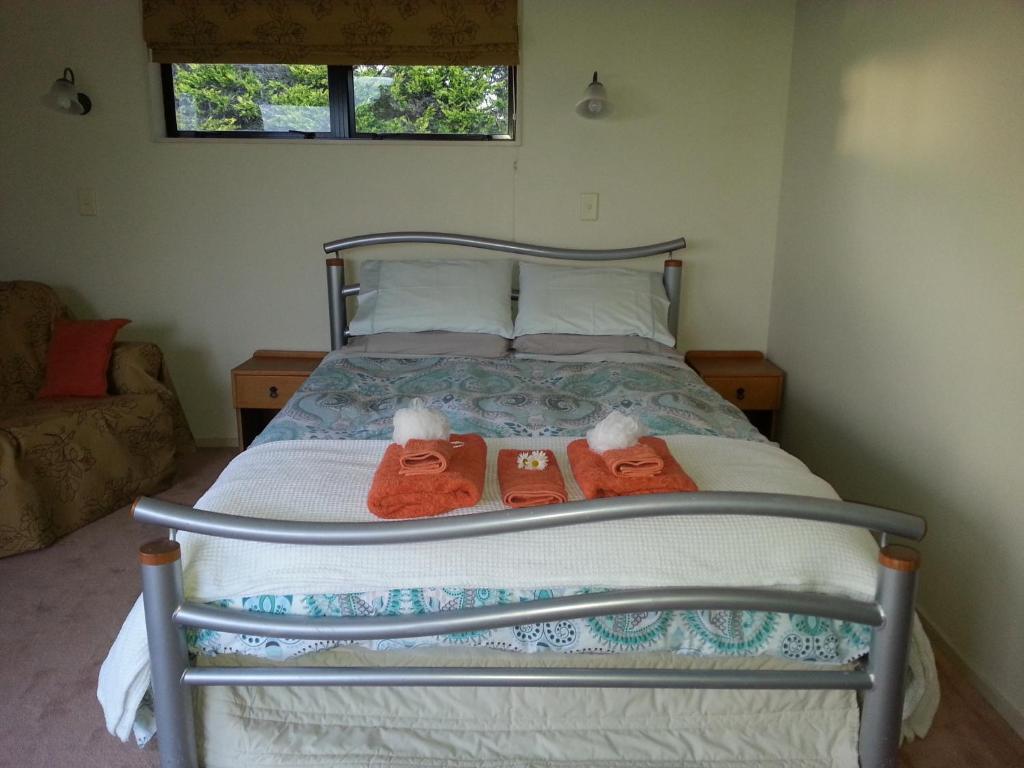
Waiotahe Beach suits families who want a beach-and-cabin routine, while town puts Whitikau Playground and Rawinia Reserve within the same small-town plan. Compare a private bathroom, cooking equipment and the actual bed layout before choosing a holiday-park cabin. An easy cycling grade still includes sandy patches, so plan a distance children can comfortably ride back.
How many nights should I allow?
Allow two nights for a relaxed coastal ride, a beach walk and some time in town. Three nights gives you room for another trail, a slower day at your accommodation or the Marawaiwai Track: an easy forest loop south-east of town that DOC describes as about 20–30 minutes on foot. Keep outdoor plans flexible around the weather.
What can I do if I do not cycle?
The Dunes Trail also works for walking, and the Marawaiwai Track follows a stream through kahikatea forest, with two bridged crossings and a picnic area at the start. In town, the museum's three floors cover local trades and everyday history, while Te Tāhuhu o Te Rangi is a library and community hub. Check their visitor arrangements before planning a wet-weather day around them.
What should I check before continuing towards the East Cape?
Sort out supplies and fuel before leaving town: the local visitor guide notes limited shopping and refuelling along SH35 and through the SH2 Waioeka Gorge. Check current road and trail conditions after rough weather. Motu Road is a separate, rough back-country route advised for four-wheel-drive vehicles, so do not treat it as an ordinary shortcut to your next stop.
Prices are set by the booking site. We may earn a small fee, at no cost to you.