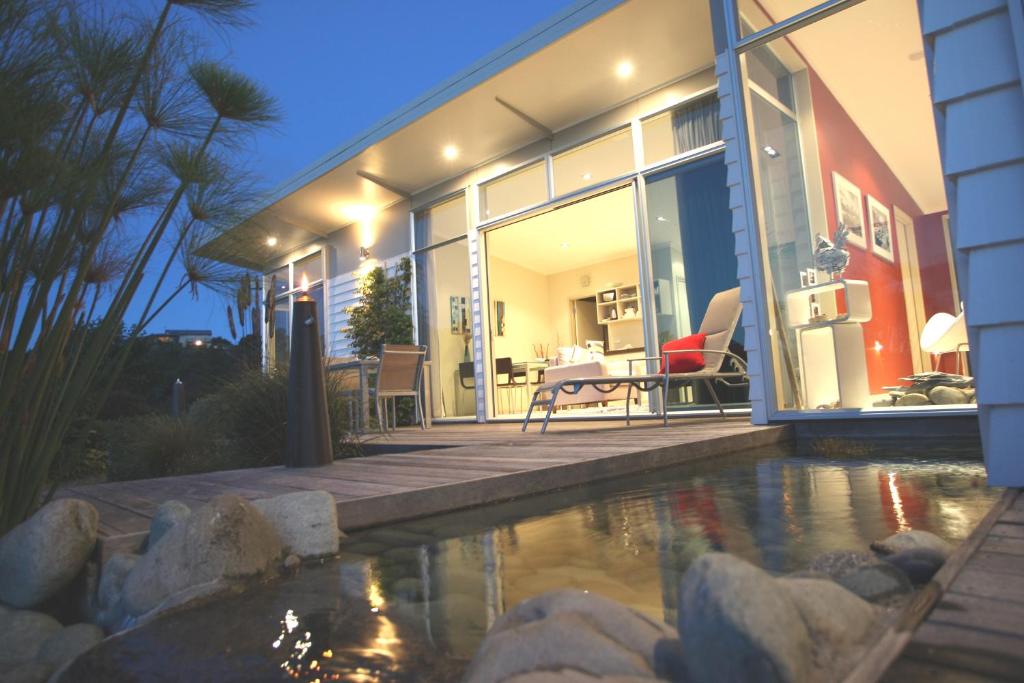
About Tākaka–Pōhara
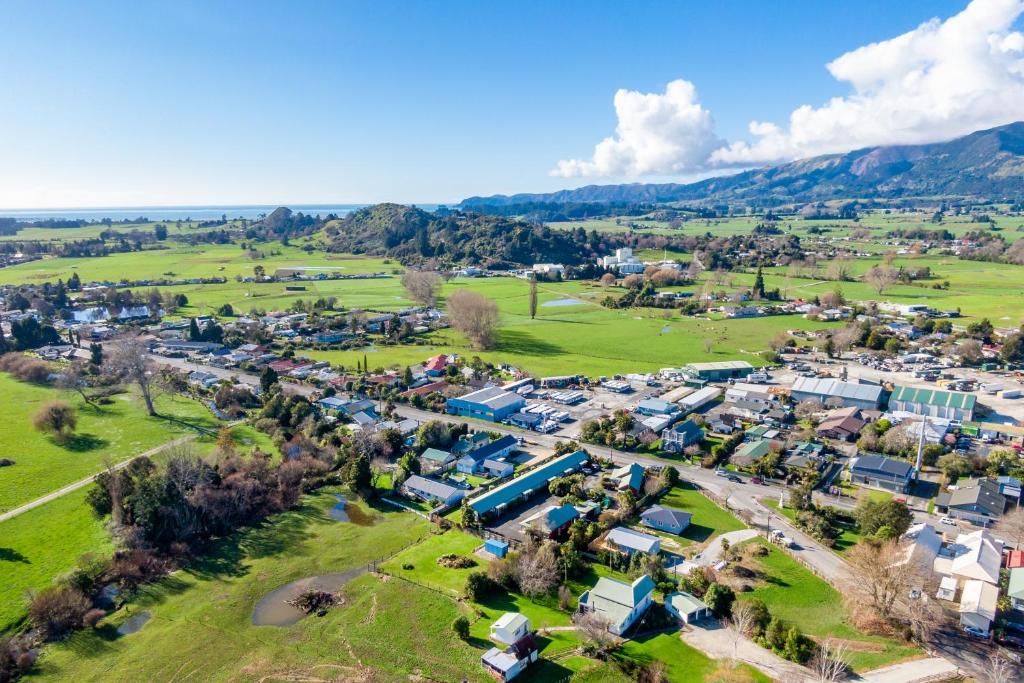
Tākaka and Pōhara make two different starting points for Golden Bay. Tākaka puts galleries, cafés and groceries around Commercial Street; Pōhara trades that town routine for a long sandy beach, about ten minutes away by road. Between them are garden stays, limestone walks and the turn towards the northern end of Abel Tasman National Park.
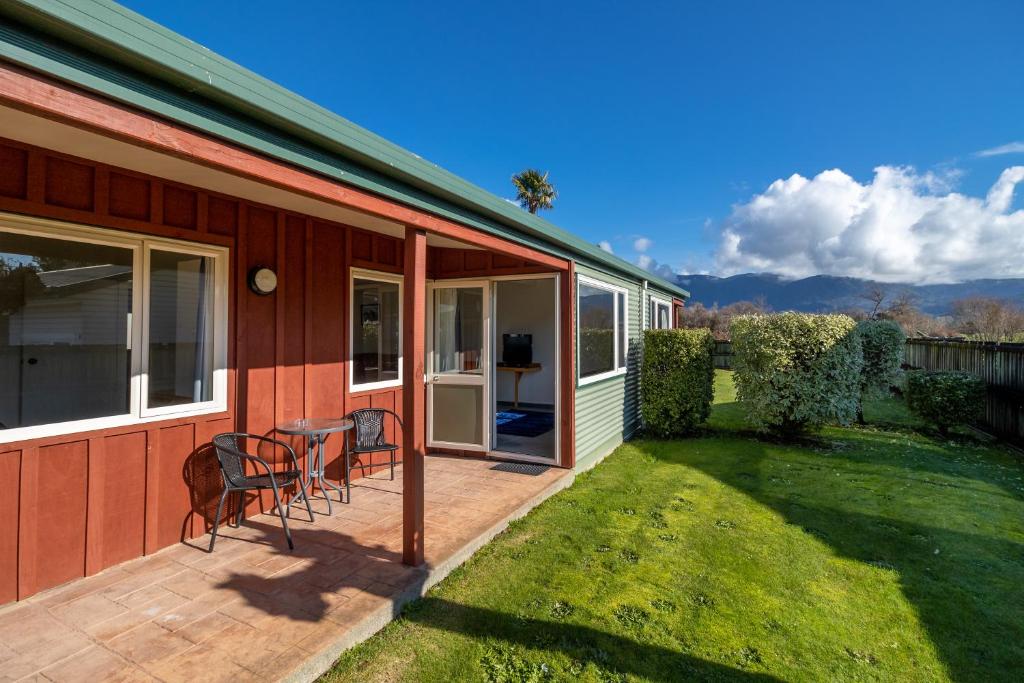
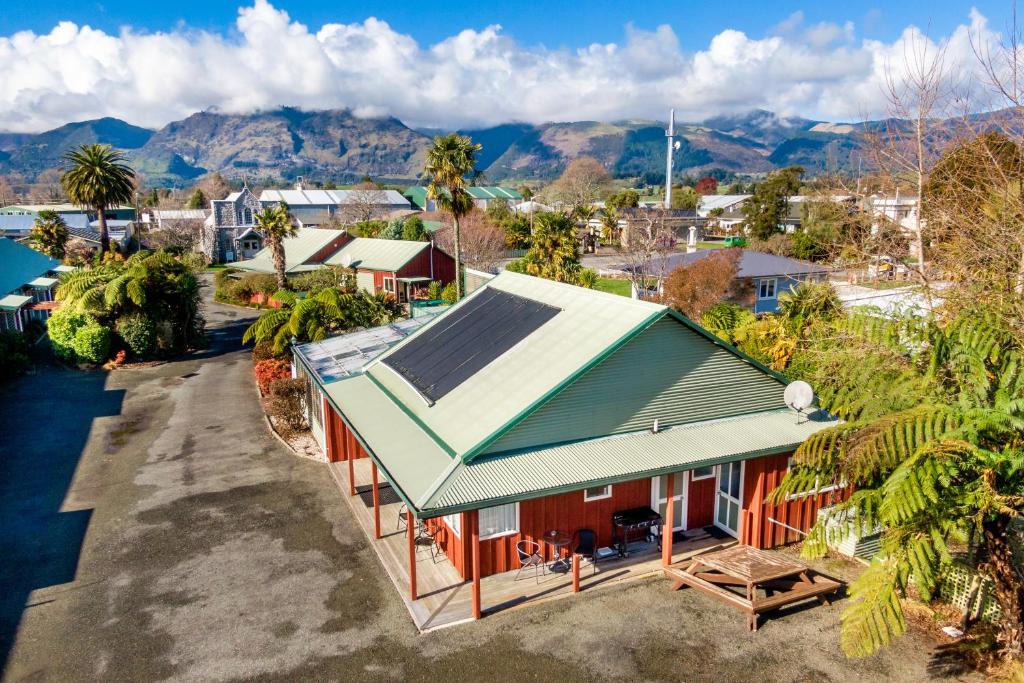
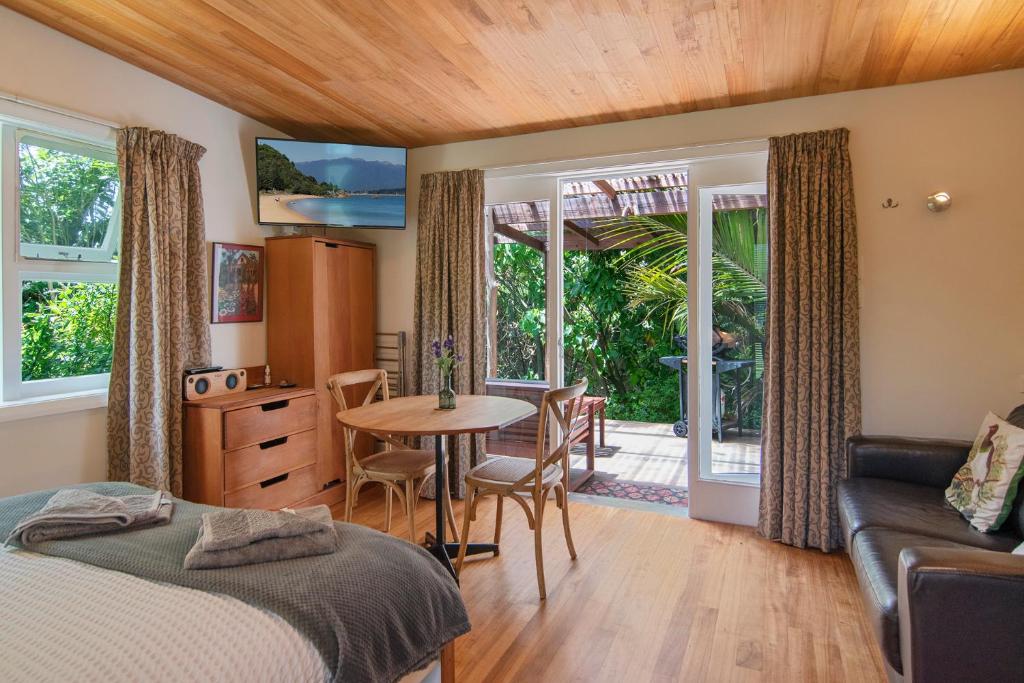
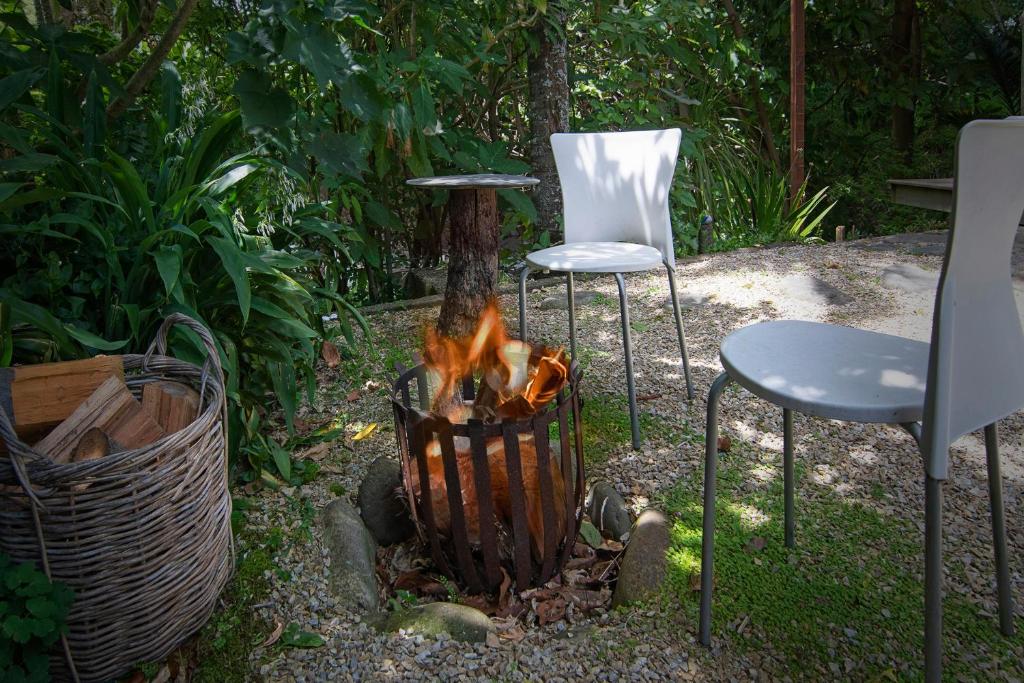
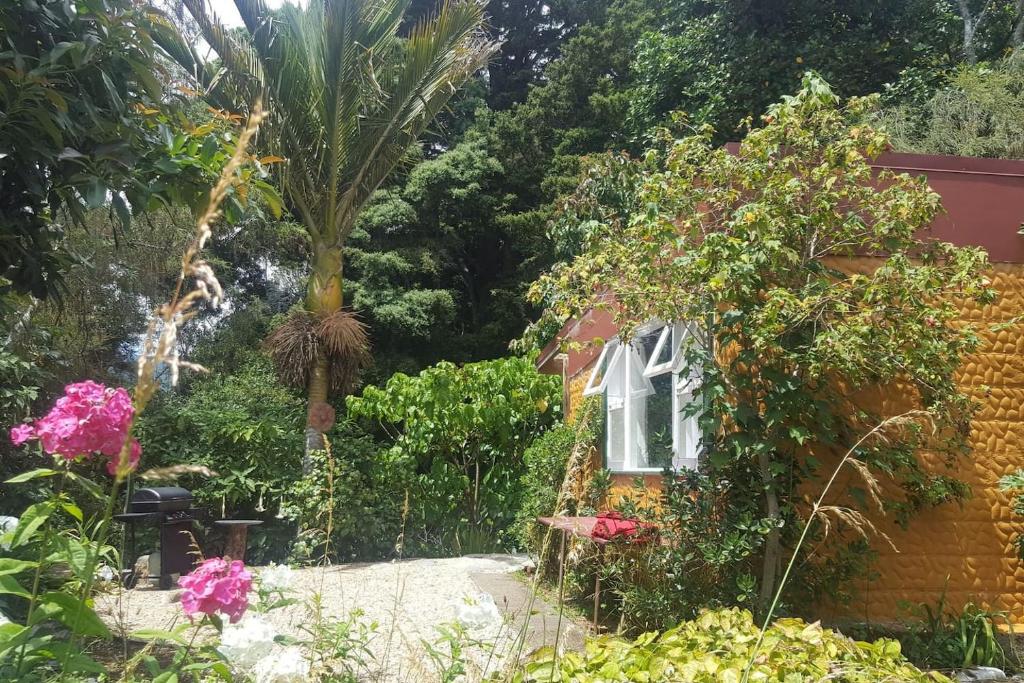
Arriving over the winding Tākaka Hill is part of the journey, so this works better as a settled base than a rushed detour. Choose your bed around evenings: walking to dinner, cooking beside a garden, or staying close to the sand.
Common questions
How many nights should I allow for Tākaka and Pōhara?
Three nights give room for Tākaka, the springs, a beach visit and one walking day without changing accommodation. Add a fourth if you want a longer northern Abel Tasman outing or a spare day when rain changes the plan. Treat the more distant ends of Golden Bay as separate excursions, rather than adding every attraction to one drive.
Do I need a car, and how do I arrive without one?
A car makes the scattered beaches, rural stays and trailheads much easier to combine; walking around central Tākaka is a smaller task. The road from Nelson runs about 104 kilometres over the winding, 791-metre Tākaka Hill. Golden Bay Air lists scheduled connecting shuttles from November to April; its May–October service has minimum-booking conditions, so confirm the route, season and your pickup before committing to accommodation.
Can I swim in Te Waikoropupū Springs?
No: swimming, wading, touching the water and filling bottles are prohibited. About six kilometres west of Tākaka, the springs are a taonga and a place sacred to Māori, visited from the walking route and viewing platforms. Keep children close at unfenced edges, and use Pōhara for a separate beach outing rather than treating the springs as a bathing stop.
Which walks fit a shorter outing?
The Grove at Clifton is a roughly forty-minute return walk among limestone formations, nīkau palms and exposed tree roots, with an uphill section to a viewpoint. Wainui Falls is farther around the bay: DOC gives about an hour return over 3.4 kilometres, with an unbridged stream crossing. Avoid that falls track during or immediately after heavy rain, when flooding and falling rocks change the risk.
Is Rawhiti Cave an easy walk with children?
It is a steep tramping route, not a casual stroll to a roadside cave. DOC describes about half an hour along the valley followed by another half hour climbing on the outward journey, with a narrow final section and a return still to do. Do not cross the Dry River in flood, and remain on the formed viewing structure to protect the cave formations.
Can I use this base for northern Abel Tasman?
Yes, with a deliberate plan for getting to and from Wainui, the northern road access. Pōhara is on the coastal side of that journey, but a room beside its beach does not put the national park trails outside your door. Golden Bay Air lists a Wainui shuttle connection; confirm pickup and the walk you intend to finish before setting off.
What room details matter for families or a longer stay?
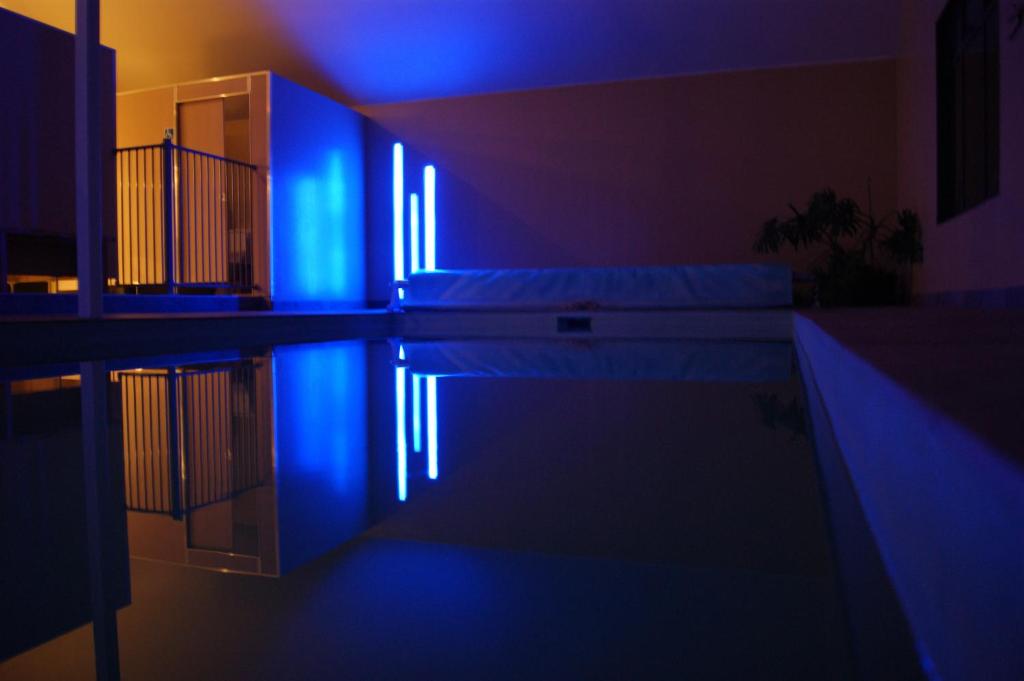
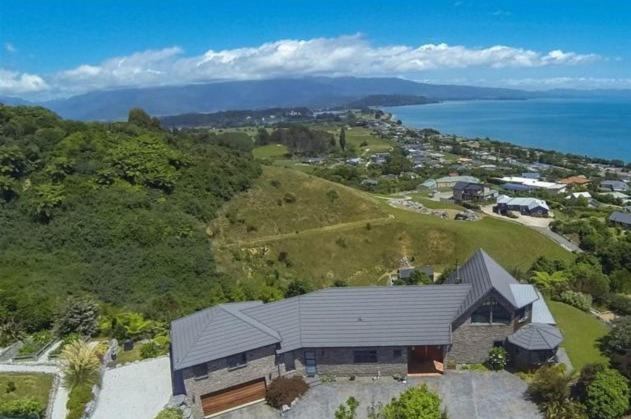
Check whether a kitchenette belongs to your unit or whether cooking happens in a shared holiday-park kitchen. A bunk bed in an open studio is not a separate children’s bedroom, and only particular rooms have spa baths or accessible layouts. On the Pōhara slopes, ask about steps between parking and the entrance as well as the climb back from the beach.
How should I plan a beach day at Pōhara?
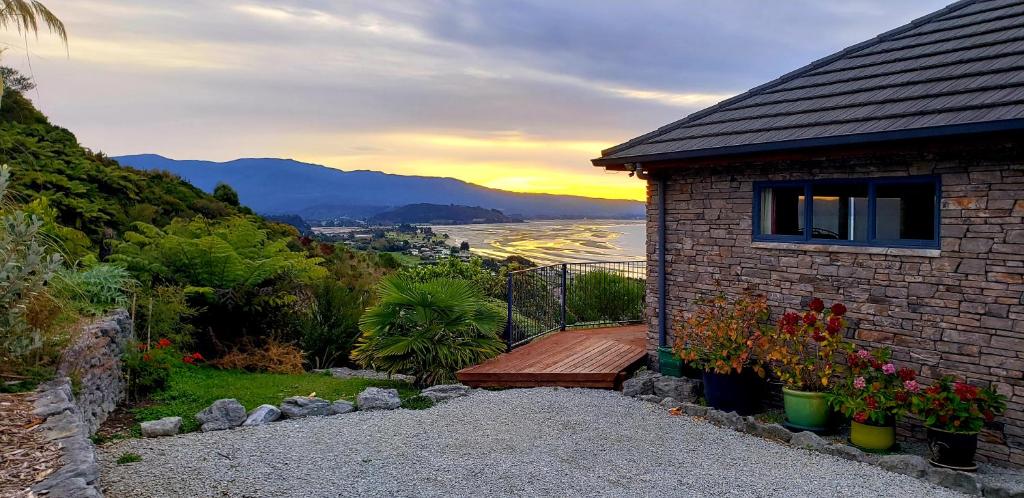
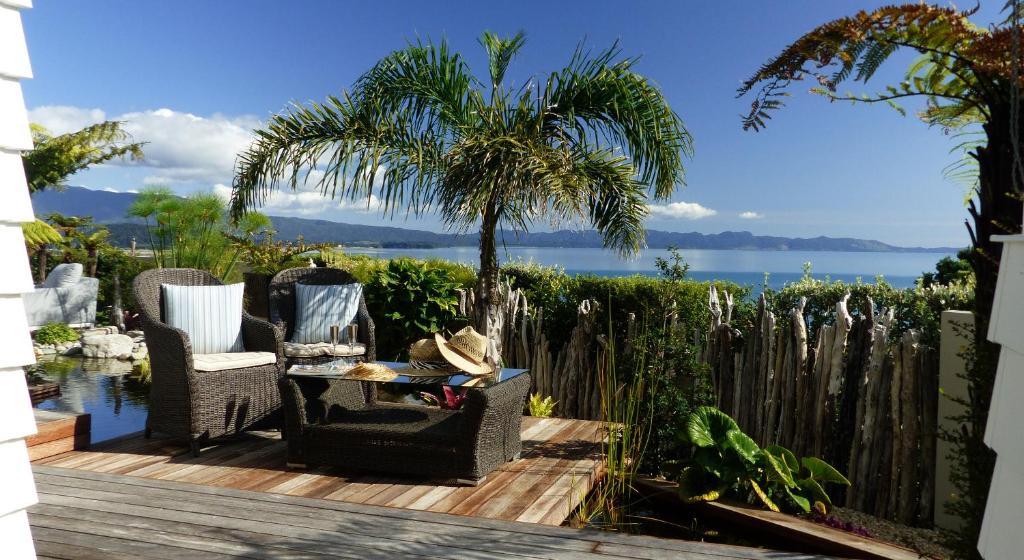
Check the tide before choosing when to swim or take a long shore walk: the exposed flats become very wide at low water. A sea view from a hillside deck and direct access to the sand are different advantages, so choose the one your group will actually use. Take normal local beach precautions and reassess conditions on arrival; the sheltered appearance is not a guarantee of suitable swimming.
Prices are set by the booking site. We may earn a small fee, at no cost to you.