About Røros
Røros rewards an overnight stay because its wooden houses are still part of an inhabited town: you can browse a craft shop, spend an afternoon understanding the copper works, then return to the same streets for a leisurely dinner. The UNESCO site connects the town with the surrounding mining landscape; copper extraction continued until 1977.
Two nights leave room for both that history and the region's food, from cultured dairy products to reindeer dishes, without fitting everything between trains. Summer gives you long evenings for walking and seasonal access to the little houses of Sleggveien. Winter changes the rhythm: plan shorter outings, warm pauses and proper footwear for cold, snowy conditions.
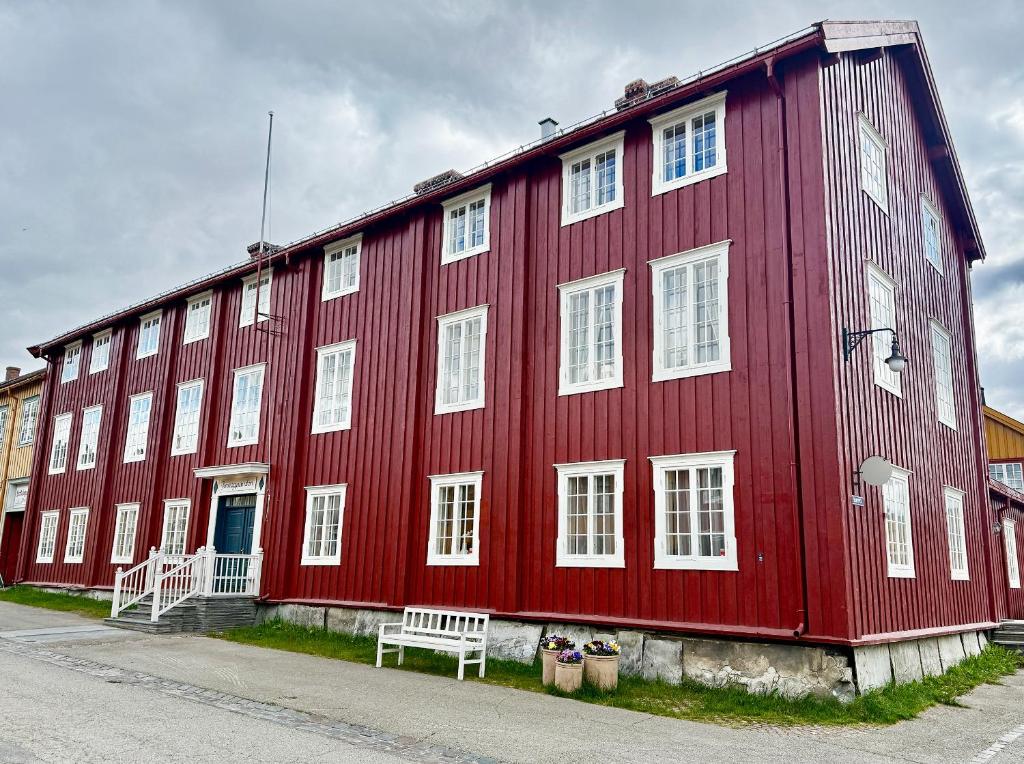
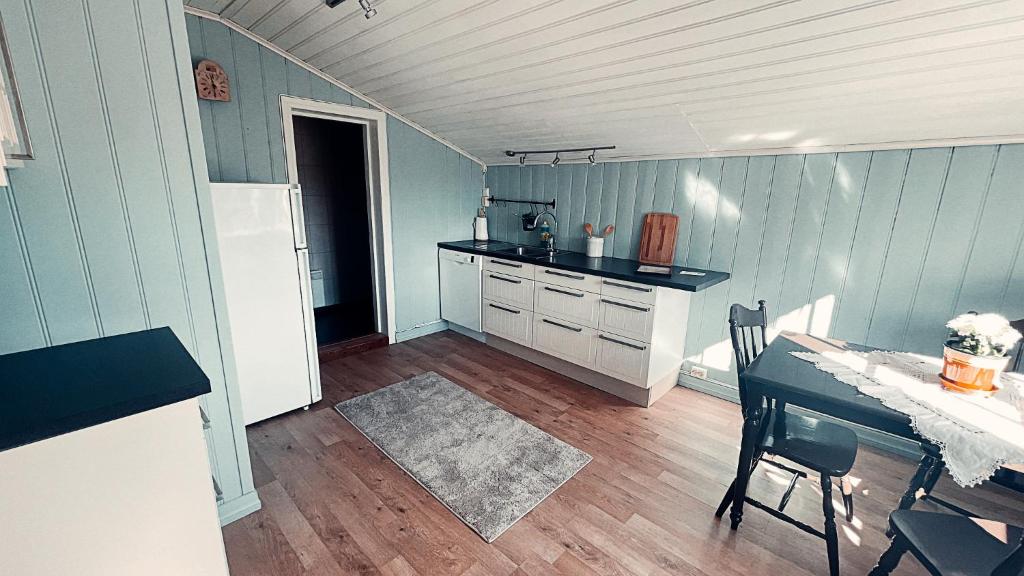
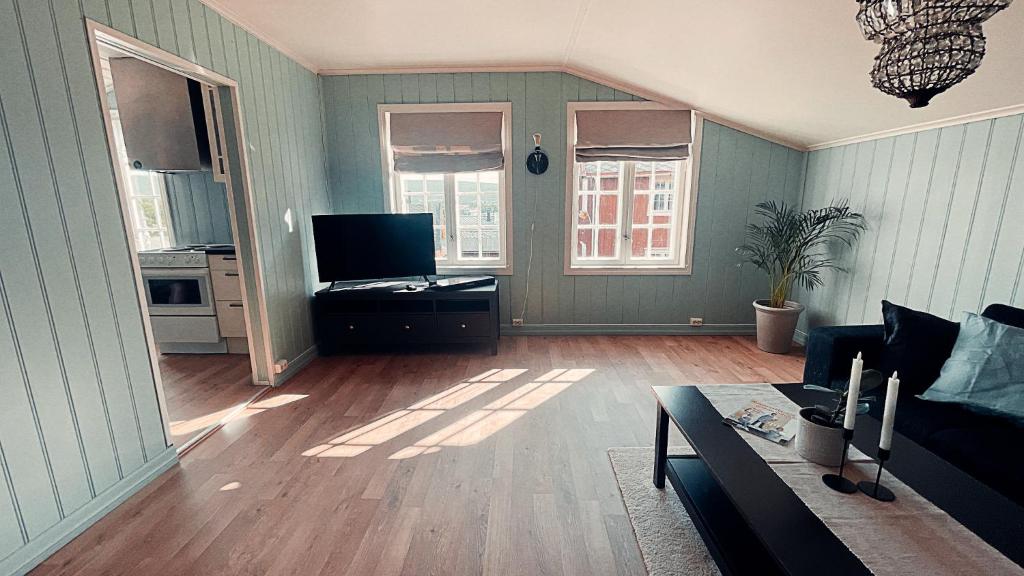
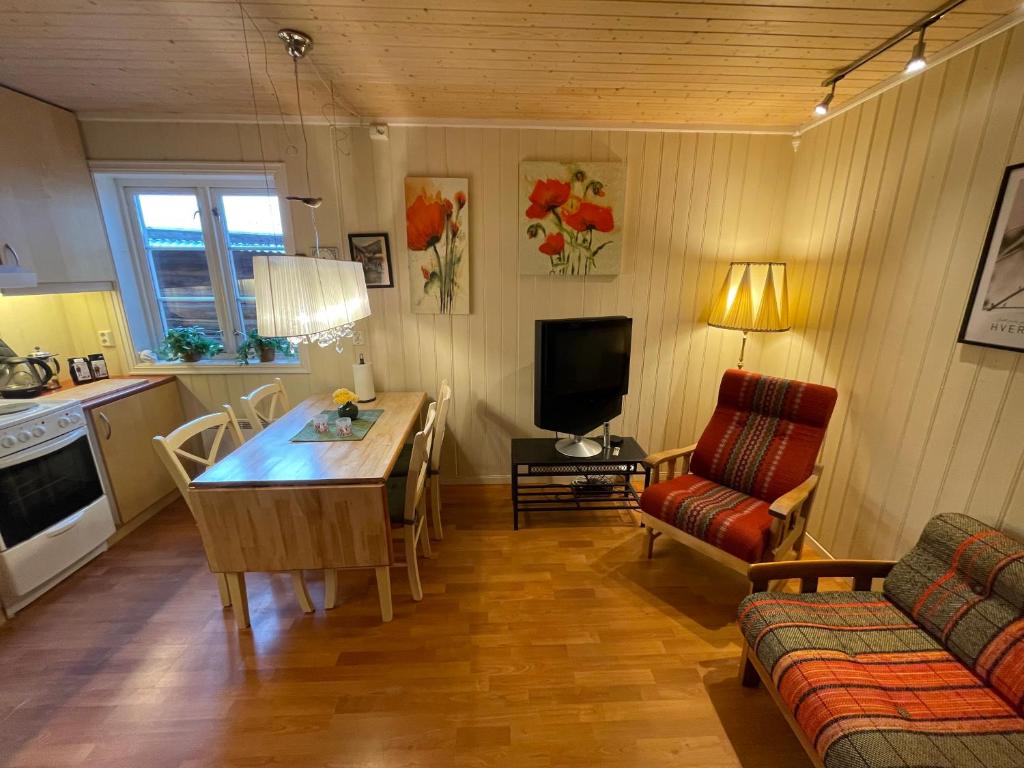
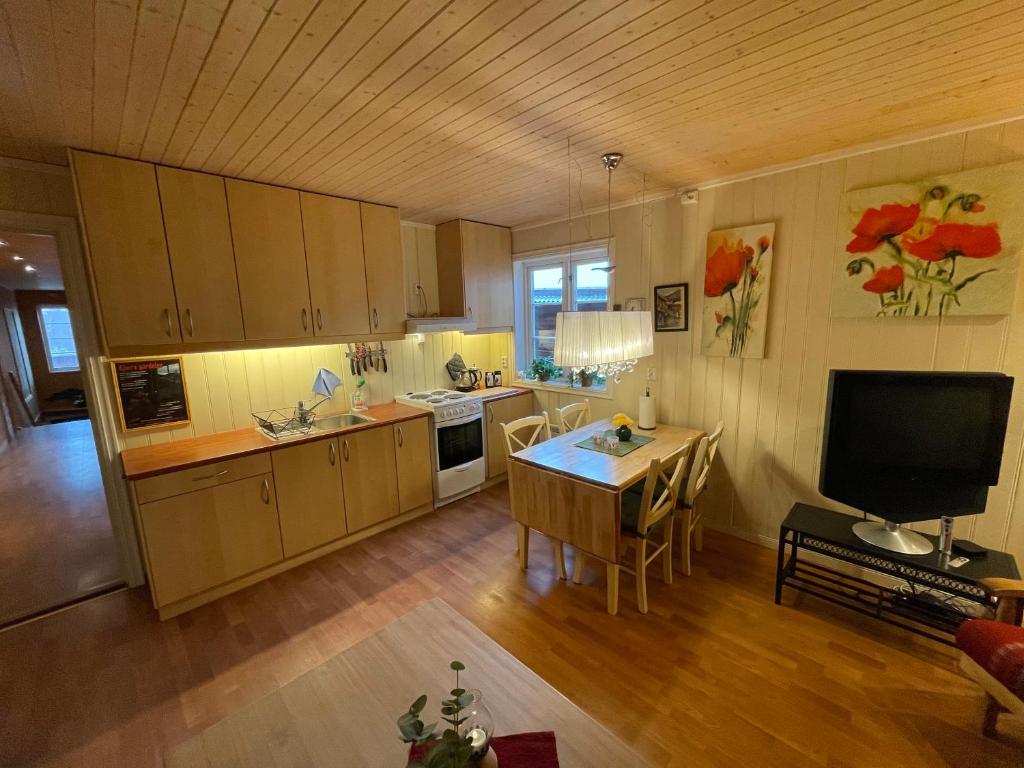
Choose a kitchen if meals and space matter most, or an inn if breakfast and a historic setting are the attraction. The centre is compact, but the outlying mine is a separate excursion.
Common questions
Can I stay in Røros without a car?
Yes, for the town itself. Choose lower Kjerkgata for easy rail arrivals, or the historic streets near the church for cafés and museums. Shops, Smelthytta and the central lanes form a manageable walking visit. A car becomes more useful for the wider landscape and Olavsgruva, which is outside town. In winter, leave room for slower walking and arrange transfers for excursions before committing to them.
How do I arrive by train or plane?
SJ runs the Røros line linking Trondheim and Hamar. Visit Røros gives approximate journeys of two and a half hours from Trondheim and five hours from Oslo with a change at Hamar; check Entur or SJ for the actual departure and any replacement transport. Røros Airport has flights from Oslo and lies close to town. Prebook a taxi or airport transfer if you have luggage, a late arrival or winter conditions to consider.
How many nights should I allow?
Two nights give you a full day for the church area, Smelthytta, shops and a proper dinner, with time to walk the lanes before leaving. Add another night for Olavsgruva, skiing or a longer outdoor activity. Check the mine's tour calendar before choosing your dates: outside summer it does not run every day, so an extra night only helps if it matches an available tour.
Which season suits which trip?
Summer suits walking, long evenings and the seasonal opening of Sleggveien's restored houses. Winter is for a snow-country stay, with cross-country skiing and other organised activities depending on conditions; pack for serious inland cold rather than a mild coastal climate. The Christmas market in December and Rørosmartnan in February draw crowds and make central rooms harder to secure. Check each event's dates, and reserve accommodation and meals early if attending.
What should I know before visiting Olavsgruva?
The mine is about thirteen kilometres from Røros, separate from the Smelthytta museum in town. The museum currently says there is no public transport to it: arrange a car or taxi and a return journey, and check whether any seasonal transfer is being offered. Reserve the guided tour and wear warm clothes and sturdy shoes; underground temperatures are around four to five degrees. The route has stairs and is not accessible to wheelchairs or pushchairs.
Which accommodation works for a family?
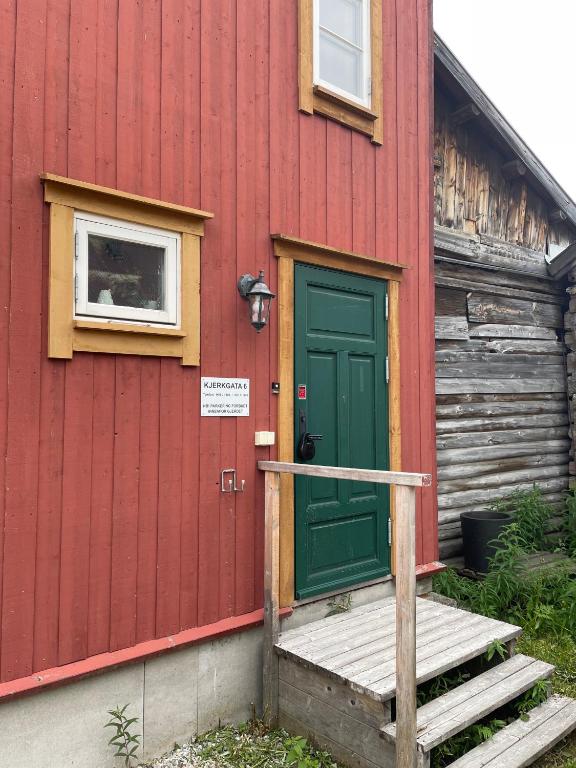
Finnegården offers several apartment sizes, while Kjerkgata 6 provides two bedrooms, a kitchen and laundry facilities. Read the actual bed layout, particularly where bunks are involved, and check upper-floor access. A kitchen helps when children need flexible meal times. Erzscheidergården and Vertshuset are more suitable when you prefer hotel service, but neither has its own pool; any swimming at sister Røros Hotell needs separate admission and a check of current opening arrangements.
What can I do in bad weather?
Start with Smelthytta: its mining models explain how ore was extracted and processed, and the exhibitions add context to the streets outside. Opening hours and guided-tour times are separate, so check both before going. Combine the museum with craft shops, cafés and a meal using regional produce; Røros dairy products are a distinctive place to start. A kitchen is useful for flexible evenings, while a staffed inn makes breakfast and local advice simpler.
Prices are set by the booking site. We may earn a small fee, at no cost to you.