About Castro Verde
Castro Verde gives a name and a convenient centre to the open farming country of Campo Branco. Its cereal fields, fallow land and grazing landscapes form a UNESCO biosphere reserve, designated in 2017, where birdwatching makes a compelling reason to stay. The town itself adds a richly decorated basilica and a museum devoted to Roman oil lamps.
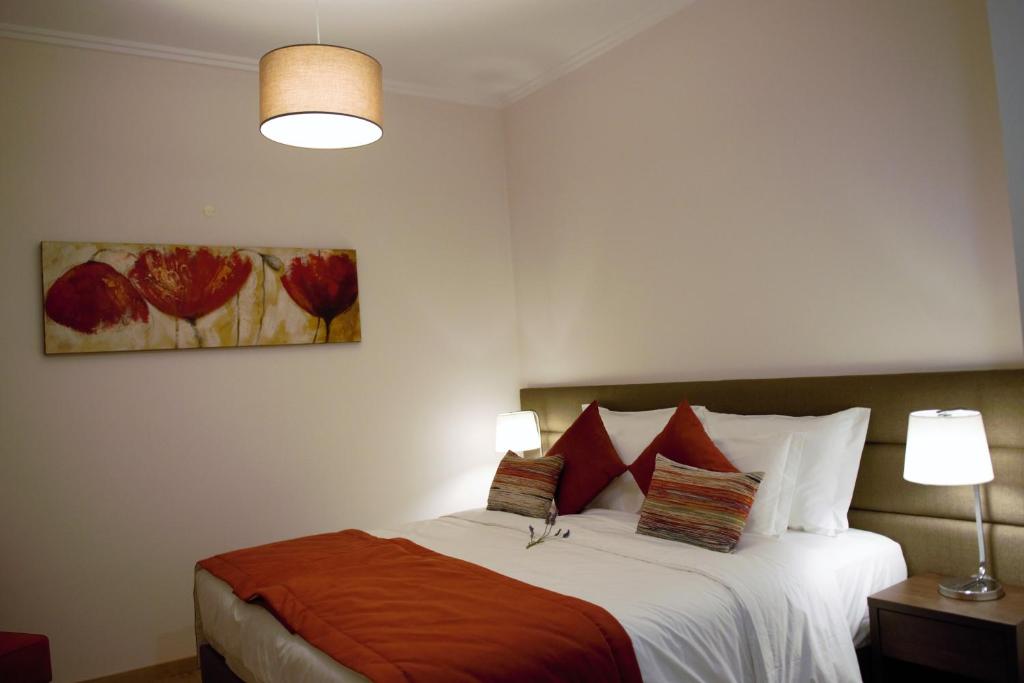
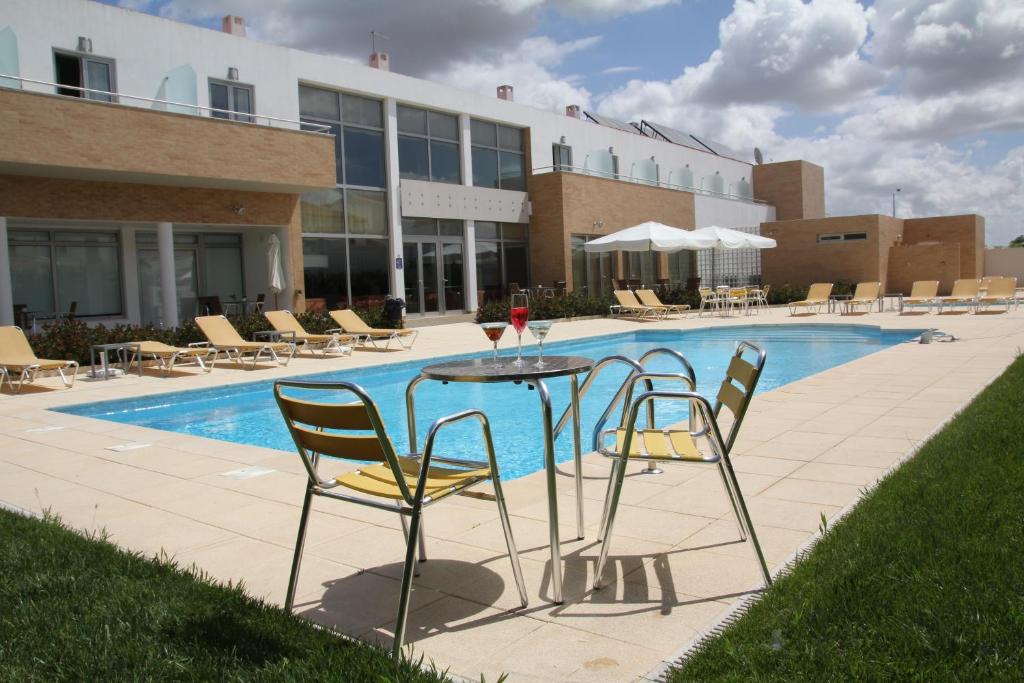
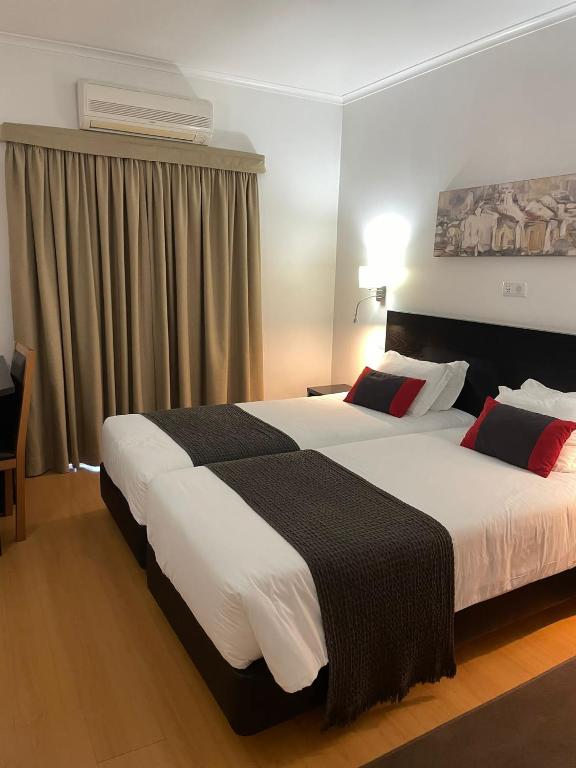
Choose between walking out to cafés from the town or spending more time on a rural estate. Hotel Vila Verde is central, A Esteva occupies the northern side of town, Vistas lies toward São Pedro das Cabeças, and Monte da Ameixa is in the Piçarras countryside. The two rural properties sit in different directions, so compare the actual address with your planned birdwatching meeting point.
Two nights leave room for an early outing, a town visit and an unhurried afternoon back at the accommodation. Spring offers particularly rewarding steppe-bird watching, while exposed summer landscapes call for sensible timing, water and shade. A car helps with country stays and scattered observation areas, but a booked guide is more useful than aimlessly following every farm track.
Common questions
Do I need a car for Castro Verde?
The basilica, town streets and lamp museum can be combined on foot from a central hotel. A car becomes much more useful for the country houses and dispersed birdwatching areas, though an arranged excursion may include transport. Check the guide’s meeting point and what is included before assuming a town booking solves the rural part of the trip.
When is a good time for birdwatching?
The Vale Gonçalinho–Pereiras interpretive route is particularly recommended by LPN from March to June, when several characteristic steppe species may be present. Birds and conditions vary with the season, so ask about current prospects rather than expecting a guaranteed species list. In warm months, favour the cooler parts of the day and carry water across the open terrain.
How do I arrange a visit to Vale Gonçalinho?
Contact LPN’s Centro de Educação Ambiental do Vale Gonçalinho for guided walks, vehicle outings or photographic hides. These require advance arrangements and availability confirmation, distinct from the signposted outdoor interpretation routes. Keep to authorised paths, respect farming activity and allow a guide to choose viewing distances instead of approaching birds or nests.
What should I look for in the Royal Basilica?
The Basílica Real, or Church of Nossa Senhora da Conceição, rewards time inside for its tile panels, painted decoration and gilded altars. Much of the imagery presents the Battle of Ourique and its place in Portuguese royal tradition. The treasury occupies a sacristy, so check access to both church and museum rather than assuming one opening schedule covers everything.
Is the Museu da Lucerna worth visiting?
Yes, particularly if you enjoy a small museum focused on one subject: Roman clay oil lamps. The collection comes from nearby Santa Bárbara de Padrões and explains forms, makers and the discovery context, including a representation of the deposit. It pairs well with the basilica; confirm current opening hours, especially for Mondays and public holidays.
Should I book in town or on an estate?
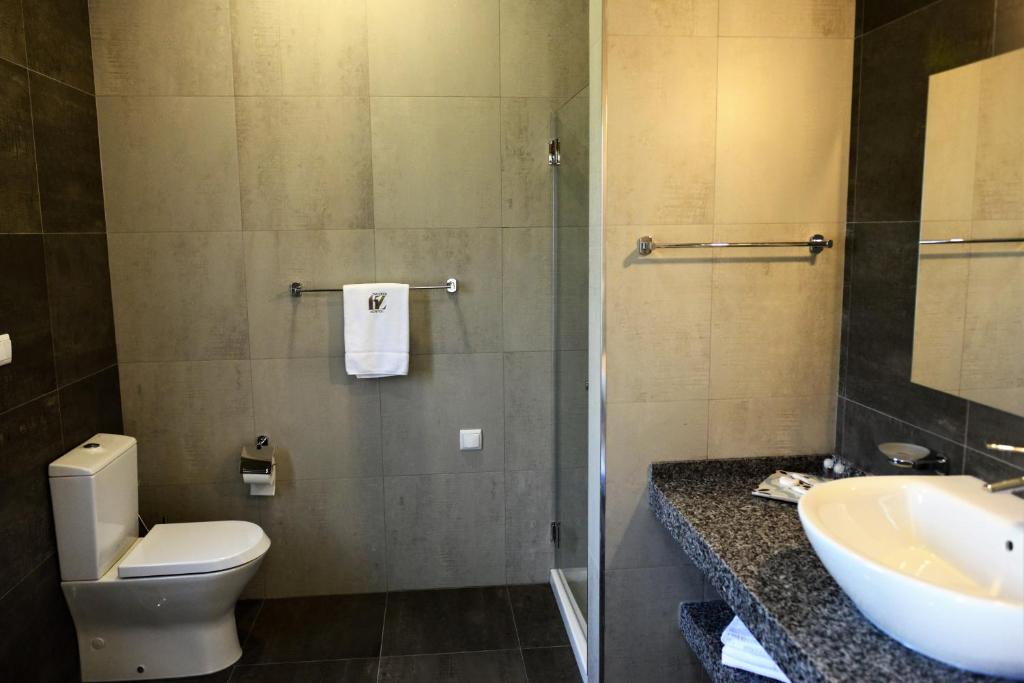
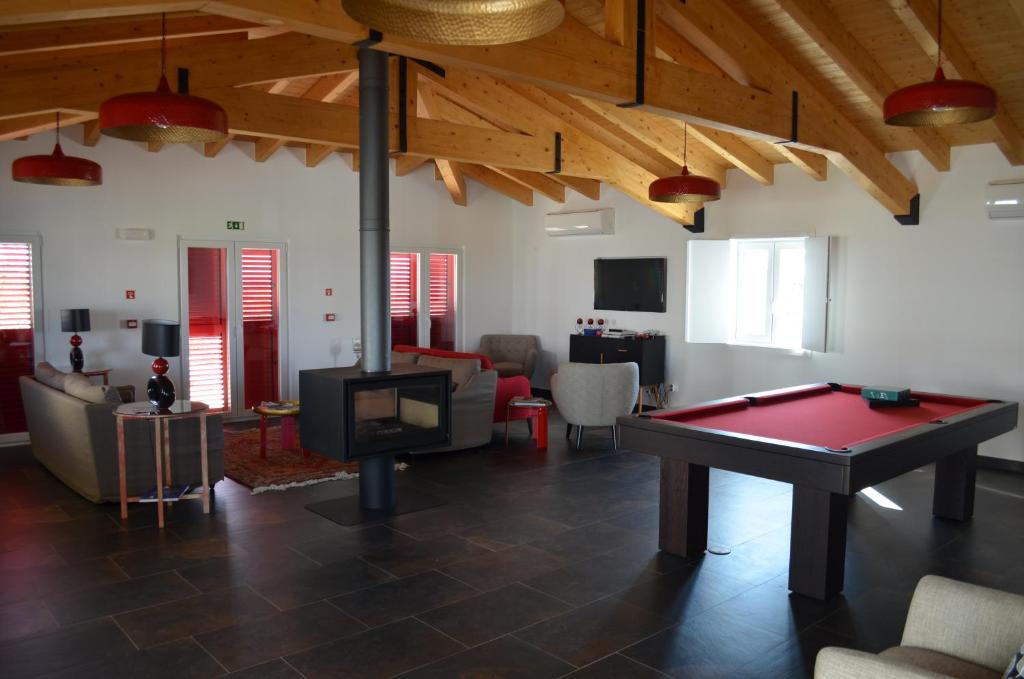
Town hotels simplify meals out and evening walks, while Vistas and Monte da Ameixa make the landscape part of the stay. On an estate, settle dinner, arrival time and any early breakfast request before your excursion day. Check the selected room and pool arrangements too: a quiet country address does not mean every shared space is adults-only or every meal is served on demand.
Prices are set by the booking site. We may earn a small fee, at no cost to you.