About Lousã
Lousã is an overnight base for the schist villages and river valleys beyond Coimbra. Spend an evening in town, give the stone villages their own day, and leave time for a river stop when conditions suit.
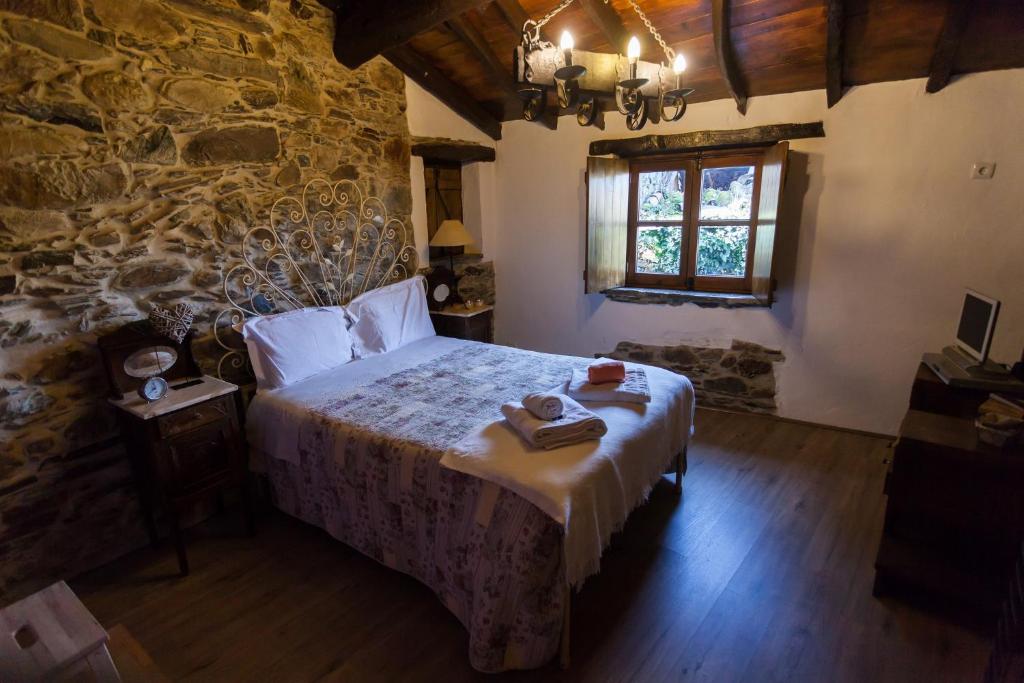
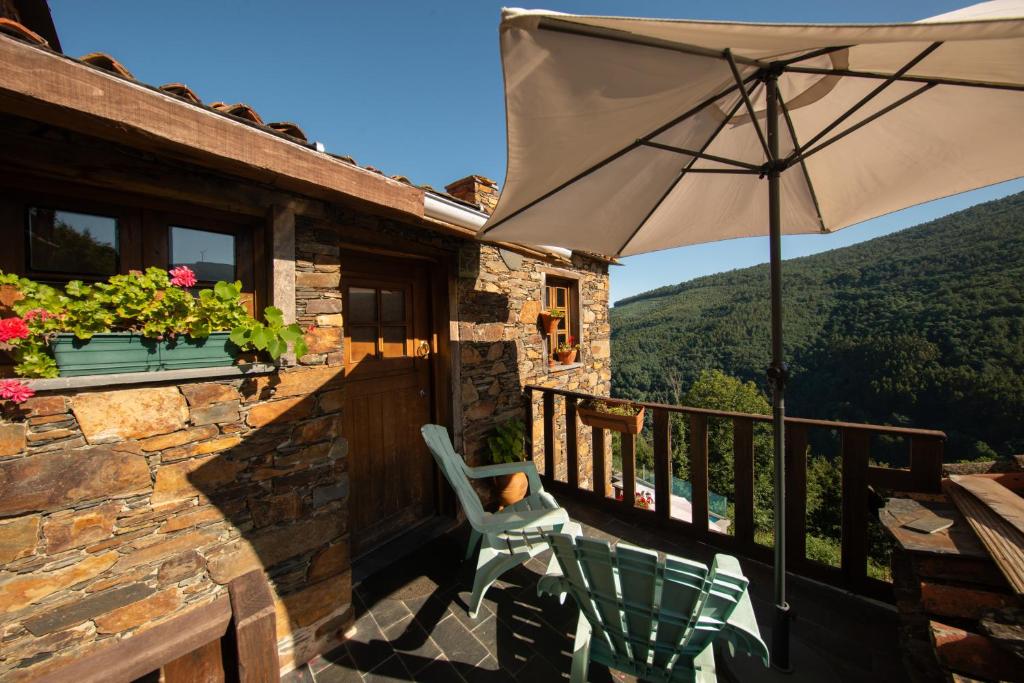
The main choice is between the town and its castle approach, mountain houses in places such as Talasnal and Candal, and the Ceira valley around Serpins, Casal de Ermio and Foz de Arouce. These addresses lie along different roads, so choose the setting before the room. A village stay works especially well when meals and arrival transport are arranged in advance.
Common questions
Which part of Lousã should I choose?
Town is the practical choice when transport and evening meals matter most. The schist villages suit a trip centred on the house and mountain surroundings, while the Ceira valley works for separate river outings and stays around Serpins, Casal de Ermio or Foz de Arouce. Choose the address against your main day out, because these settings use different roads.
How do I reach Lousã from Coimbra?
The S1 Metrobus links Coimbra-B with Lousã–Estação in about an hour in the current operator timetable. Weekday services are more frequent than weekend services, and some journeys end before Serpins. Check the official planner for the actual travel date, service changes and the stop nearest your accommodation.
Can I stay without a car?
A town stay is workable with the Metrobus, walking and an occasional arranged taxi. The municipality also lists regular SIT buses, the UrbLousã urban service and reservation-based SIT Flexi transport, so check the particular route rather than assuming there are no local options. For a mountain house or a one-way walk, settle the final transfer and return before committing to the day.
How many nights should I allow?
Two nights give you an evening in town and a full day for one principal mountain or river outing. Three or four nights leave room for the castle, a separate schist-village day and the Ceira valley without moving accommodation daily. Leave some flexibility when a walking route or a river day depends on the weather.
When is a good season for Lousã?
Late spring or early autumn can suit a trip combining town, villages and walking, subject to the actual weather. IPMA’s historical Coimbra/Bencanta figures show warmer, drier July and August and a wetter autumn and winter; they describe the wider lowland region, not conditions on every mountain slope. Summer heat and rain-related trail disruption both matter, so check the forecast and route notices close to departure.
How do I visit the castle and Piedade?
The municipality describes a winding two-kilometre road from Lousã to the Burgo complex, with Arouce castle and the Nossa Senhora da Piedade religious buildings. The river beach there is on Ribeira de São João, separate from the Ceira beaches. Check the current EM580 approach and the walking route you intend to use, especially after bad weather; a short road distance does not mean a flat or step-free visit.
Can I walk between the schist villages?
The municipal PR2 route starts near the castle and loops through Talasnal, Chiqueiro and Casal Novo, with climbing, descending and stair sections. A temporary network-closure notice issued after storms in February 2026 remained posted when checked in November, without a confirmed general reopening, so verify the exact route’s current status. Plan Candal and Cerdeira separately when appropriate, and carry water and suitable footwear for any confirmed open walk.
Which river beaches fit a Ceira valley stay?
Bogueira lies at Casal de Ermio on the Ceira, about six kilometres from Lousã, while Senhora da Graça is at Serpins. Their municipal pages describe lawns, picnic areas and children’s pools, but swimming supervision and facilities depend on the bathing season and current conditions. Choose the arrival and return for one beach at a time; the selected stays do not form a single continuous riverside resort.
What local food should I look for?
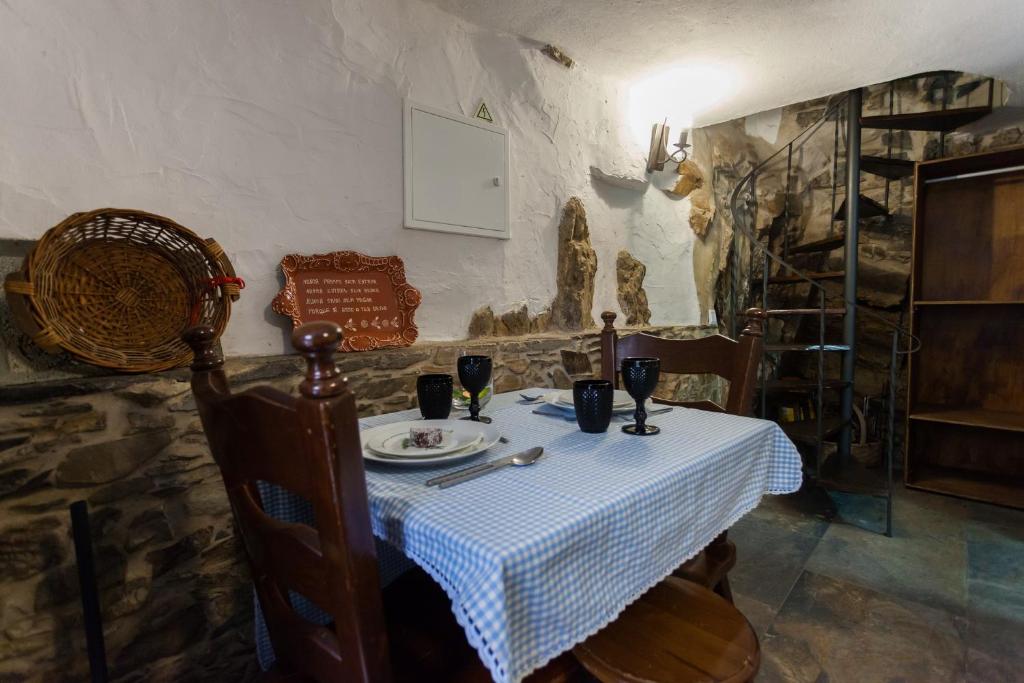
Look for chanfana, goat slowly cooked with red wine, or cabrito, roast kid; the municipal guide also names sardinha albardada and tigelada lousanense. Chestnuts and honey also feature in the area’s autumn food programme. Arrange a village meal and its opening day directly, and check whether your booked room or house provides a private kitchen, shared cooking facilities or neither.
What should families and visitors with access needs check?
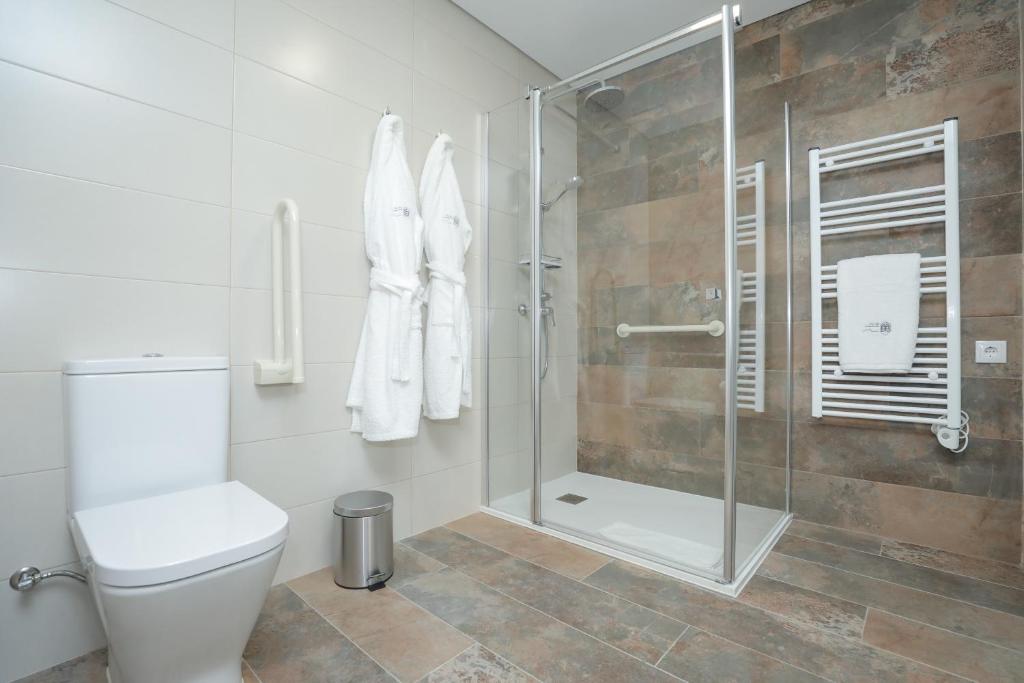
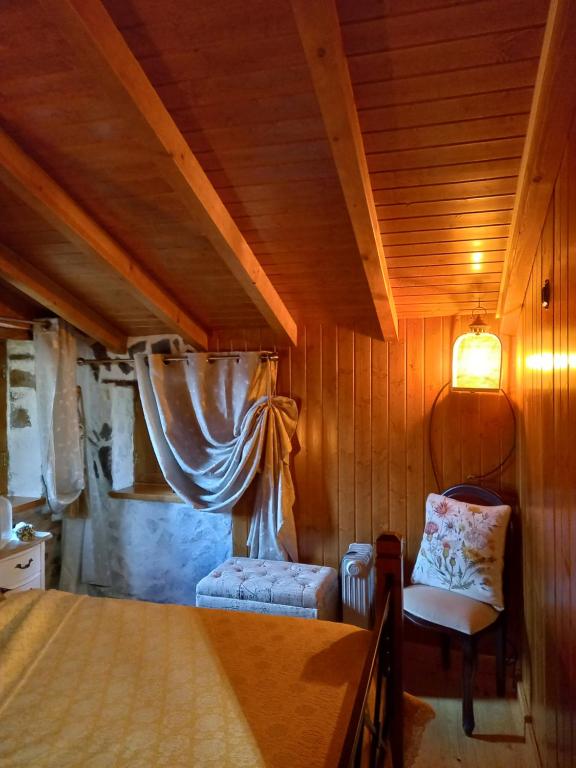
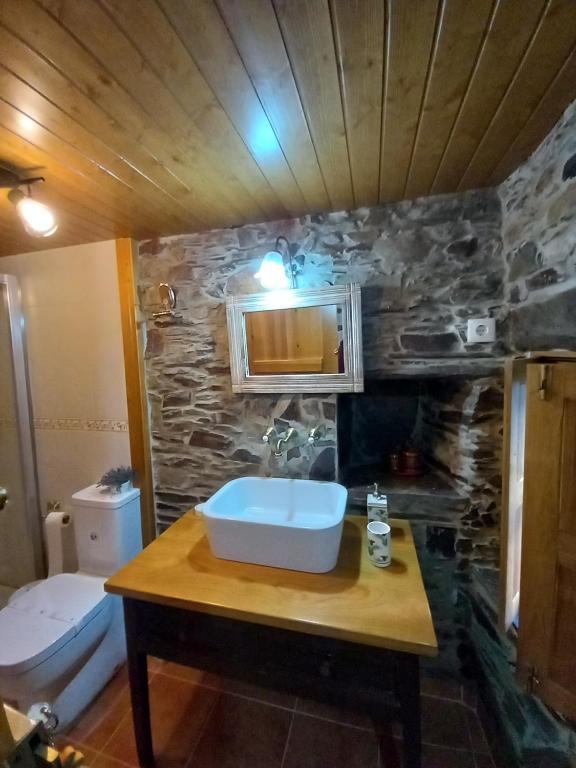
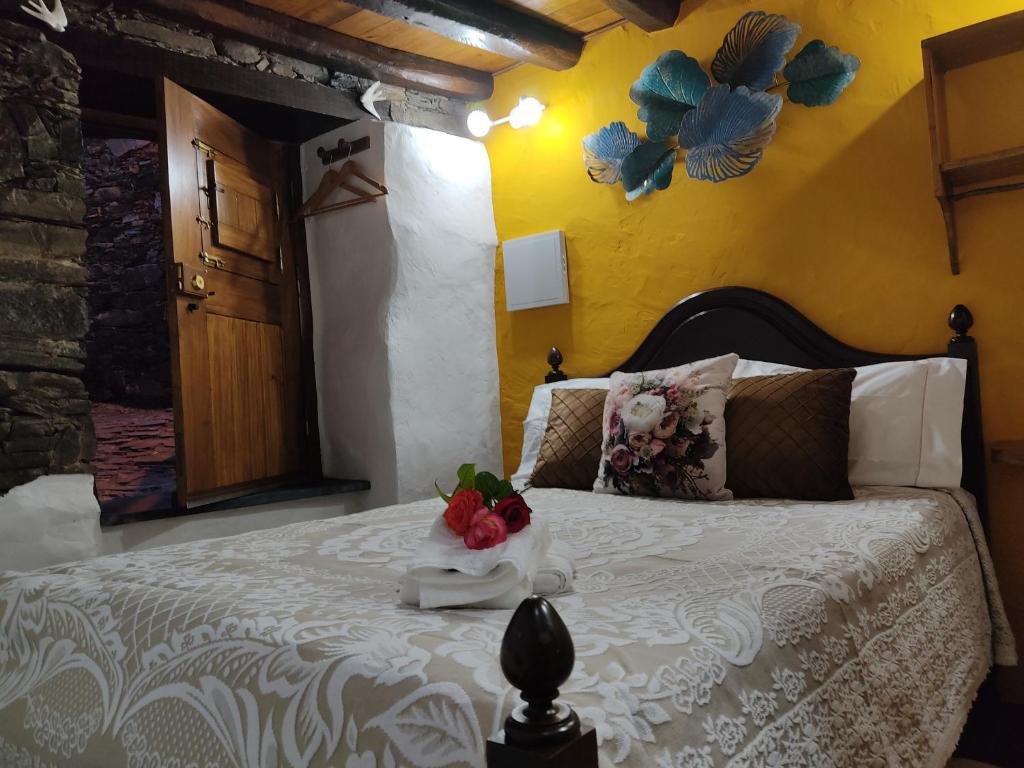
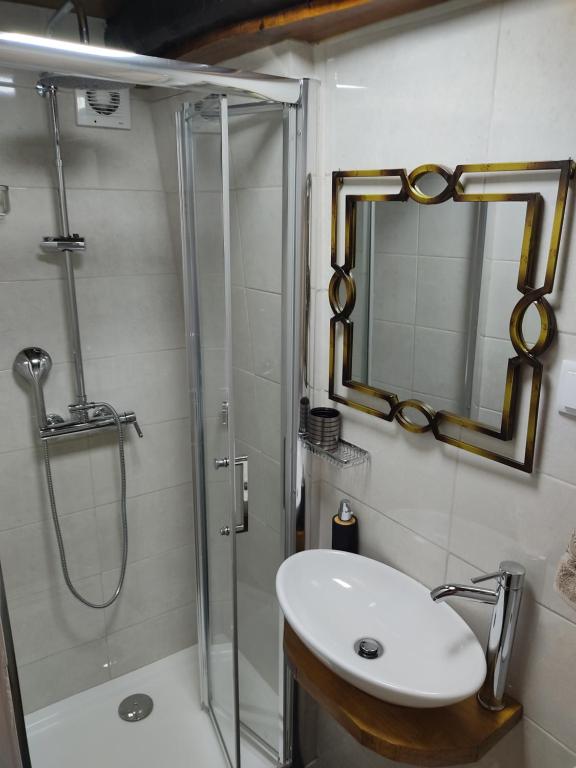
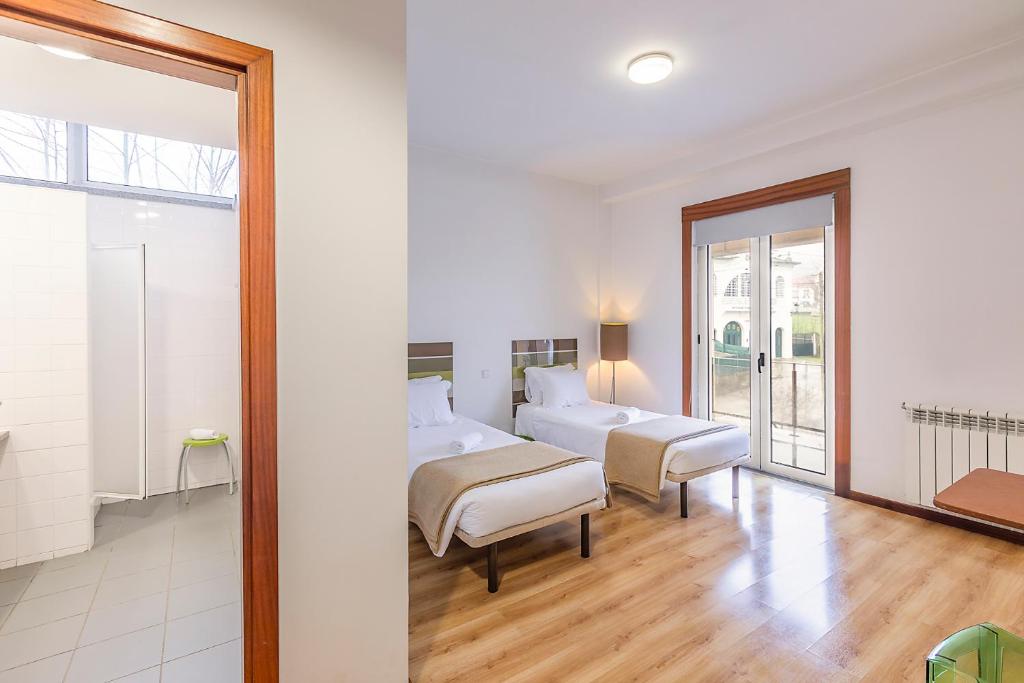
Confirm the exact bedrooms, beds and private bathroom in the selected room or house, including any child or extra-bed conditions. Kitchens may be private or shared, and hotel pools and spa access have their own seasons, reservations and age rules. For limited mobility, ask about the complete route from parking or the drop-off point to the bedroom and bathroom, not only whether one adapted category is advertised.
Prices are set by the booking site. We may earn a small fee, at no cost to you.