About Santarém
Santarém’s Gothic churches and tiled façades stand on a plateau above the Tagus floodplain. Staying overnight gives you time for the market’s exterior panels, a river viewpoint and a proper meal after the day’s sightseeing.
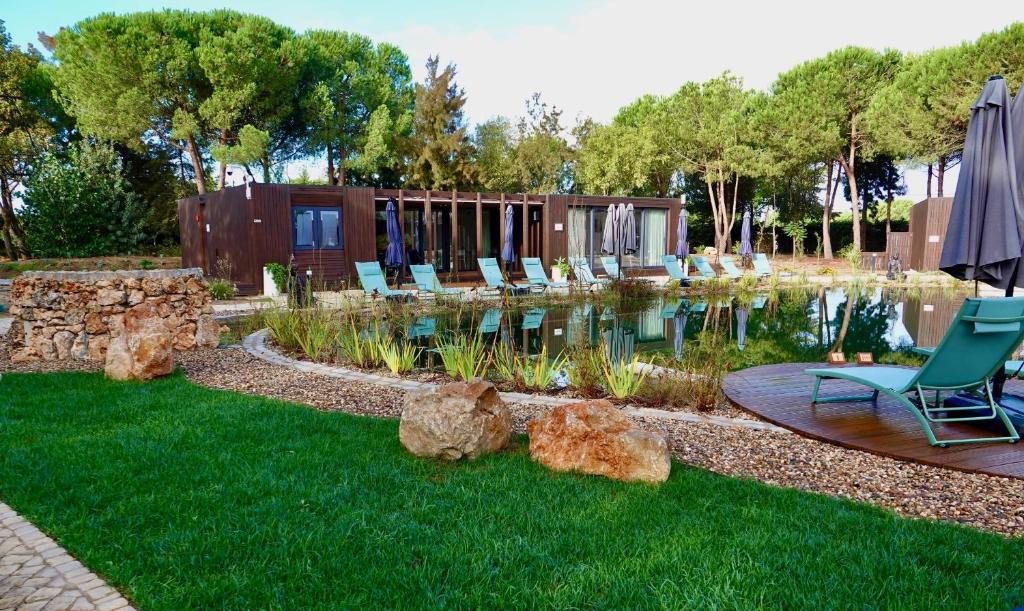
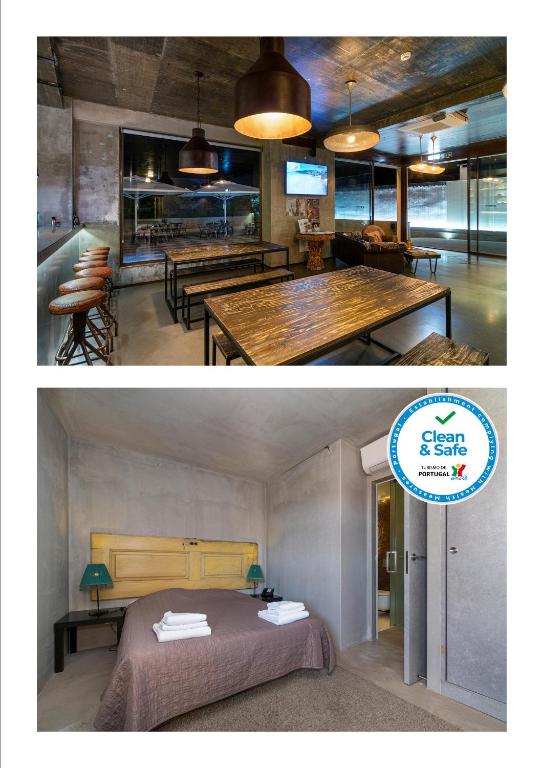
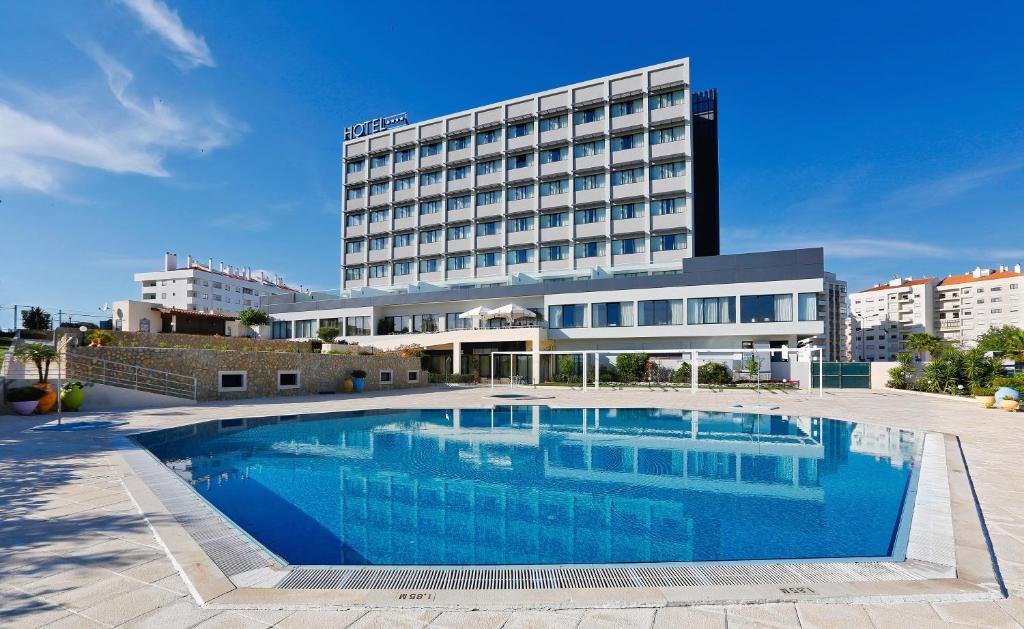
The historic streets make restaurants and monuments easy to combine, while the southern urban approach offers a larger hotel setting. Country properties north of town trade central convenience for gardens and space to cook.
Vale de Santarém is a separate village base, and Almeirim lies across the river. Choose your setting around the evenings you want, then plan the hill or road journey from the station.
Common questions
Where should I stay on a first visit to Santarém?
Choose the historic plateau if you want to walk between monuments, cafés and dinner. The northern country properties and Vale de Santarém suit a stay with more garden time and independently arranged transport. Almeirim works well when its food or a farm stay is part of the plan and you are comfortable crossing the river for Santarém visits.
How do I arrive from Lisbon or its airport?
CP’s published Regional timetable gives journeys of about 70 minutes from Lisboa Santa Apolónia and about an hour from Oriente to Santarém, with fewer options at weekends. From the airport, first arrange the connection to the appropriate Lisbon station or coach departure. Santarém station is in Santa Iria–Ribeira below the city, so plan the onward journey to the plateau; Vale de Santarém is a different stop.
Can I stay without a car, and how useful are local buses?
The currently published Scalabus line 2 table has 13 trips each way on working days between the railway station and coach terminal, with the station-to-terminal ride taking about seven minutes. Its station routes are weekday services in that table, so arrange a taxi or confirm another service for weekend and holiday arrivals. A central stay can work without a car, while scattered country properties and Almeirim need a separately checked outward and return plan.
How many nights should I allow?
Two nights give you a full day for the historic streets and a meal without squeezing everything between trains. Three nights allow the river circuit, an Almeirim lunch or one prebooked country outing, with time left for the accommodation. At a house with a kitchen and gardens, leave an afternoon free instead of planning to drive somewhere for every part of the day.
What should I see in the historic city?
Combine Portas do Sol’s view over the Tagus with the churches, tiled façades and market exterior. The municipality’s Gothic route is 1.77 km and its tile route 1.30 km; both are non-circular, so allow for the return and for time inside places you choose to visit. Check current access to church and museum interiors rather than treating a mapped route as an admission ticket.
Can I walk from the plateau down to the river?
The municipality’s PR2, De STR ao Rio, is a 6.2 km circular route of medium difficulty from Jardim da República. It descends through Santa Iria–Ribeira and returns steeply towards Porta de Santiago, with stairs, road and railway crossings and sections of old paving. Choose it as a proper walk with suitable shoes and weather, or keep to the upper viewpoints if the descent and climb do not suit your group.
How should I plan wine visits or a country afternoon?
The municipal wine-route guidance requires advance bookings for tastings and visits. Tejo Wine Route 118 extends across a much wider region, so select one visit and arrange transport rather than treating the whole route as a local walking circuit. A country accommodation booking does not automatically include a winery visit, farm activity or dinner; ask what is offered on your dates.
What is worth eating locally?
Look for Santarém’s river-fish traditions, bacalhau with magusto, and pampilhos with sweet egg filling and cinnamon. Across the river, Almeirim’s sopa da pedra is a substantial soup of beans, potatoes, pork and sausages. If you avoid pork or have other dietary requirements, ask about ingredients and choose a suitable dish before planning the meal around a particular speciality.
Which season suits walking and time by a pool?
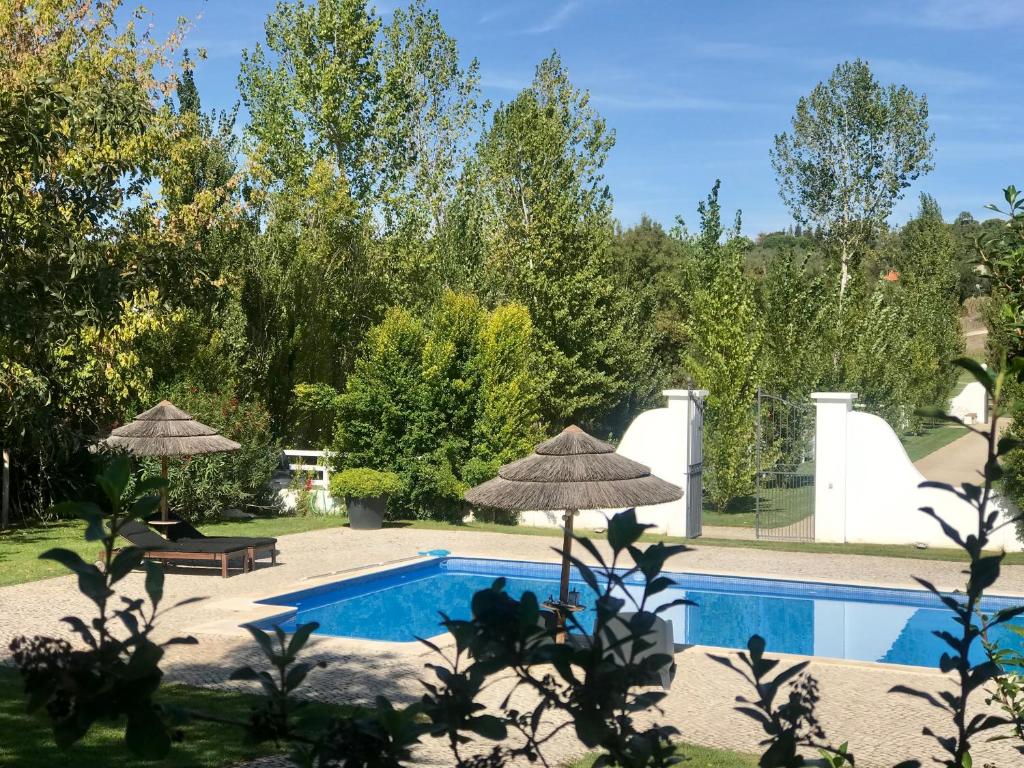
April–May and September–October are sensible starting points for monument walks, although September stays warm and October is wetter. IPMA’s 1991–2020 Fonte Boa normals put average July and August daytime maximums around 31°C, with very little rain, so longer walks fit better early in the day. Check the forecast, the chosen pool’s season and the current food-festival programme before fixing dates.
What should families and guests needing easier access check?
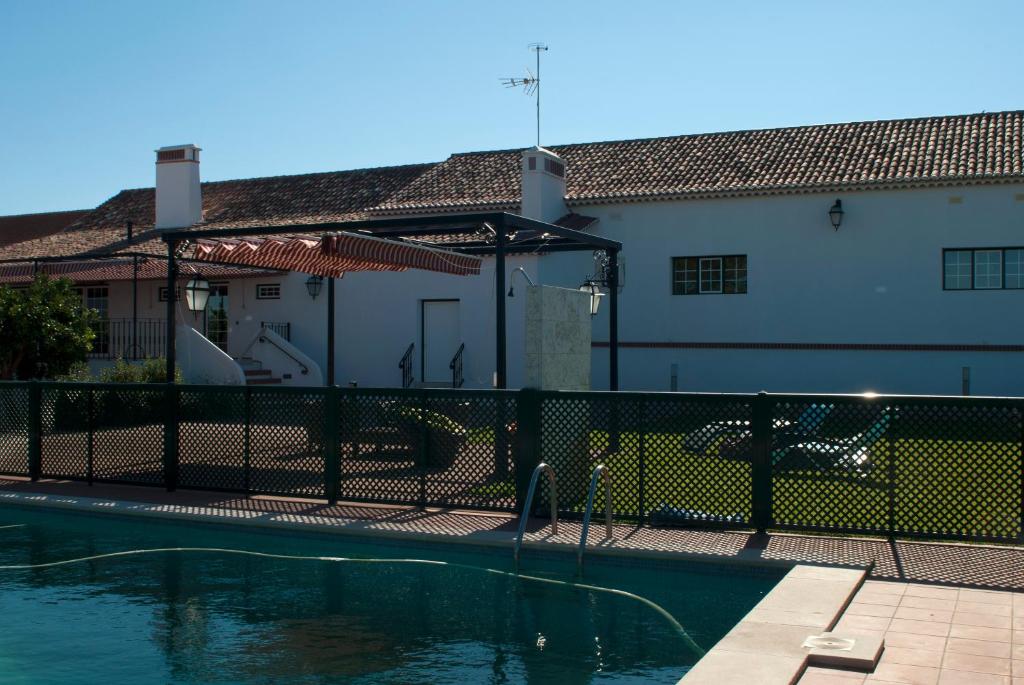
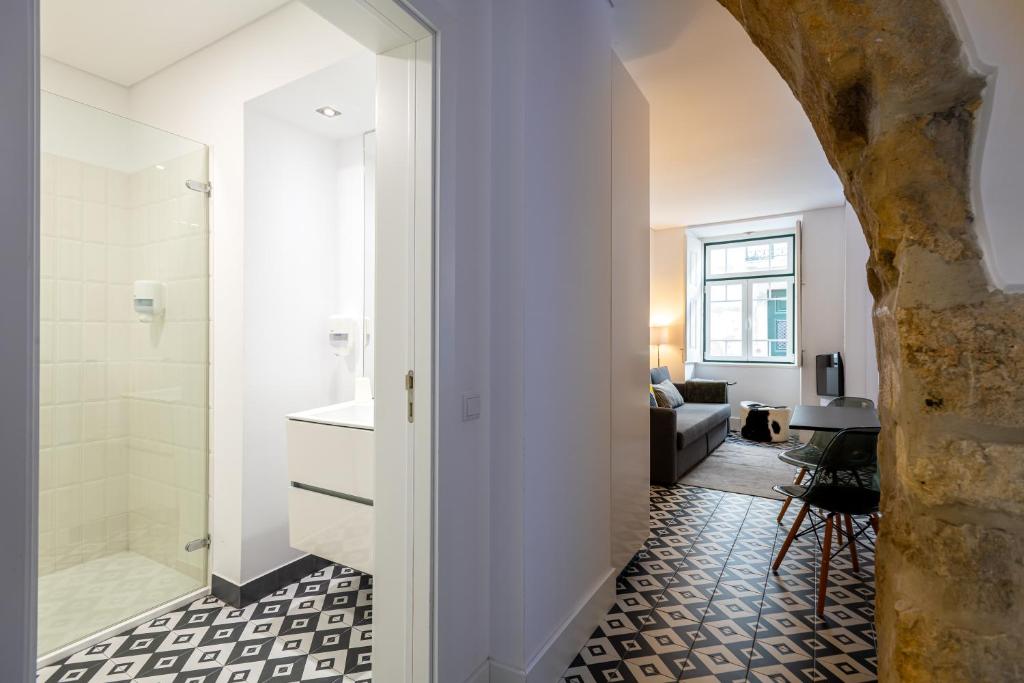
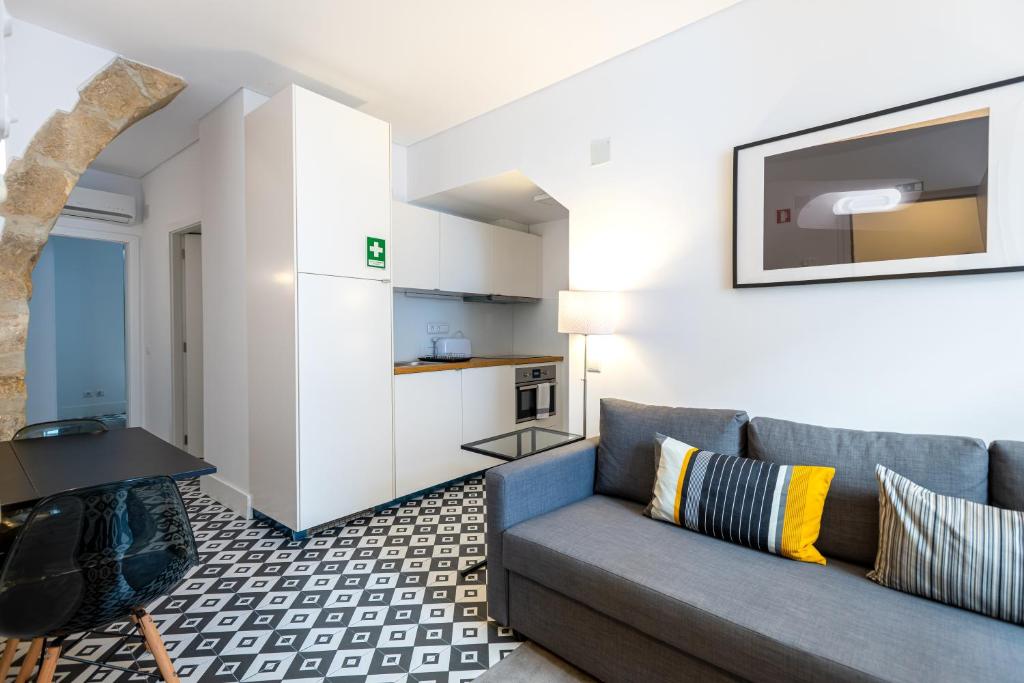
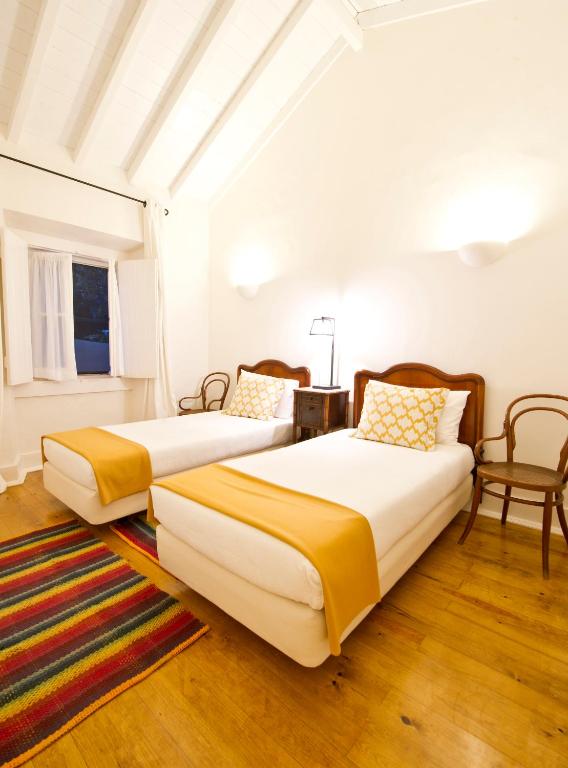
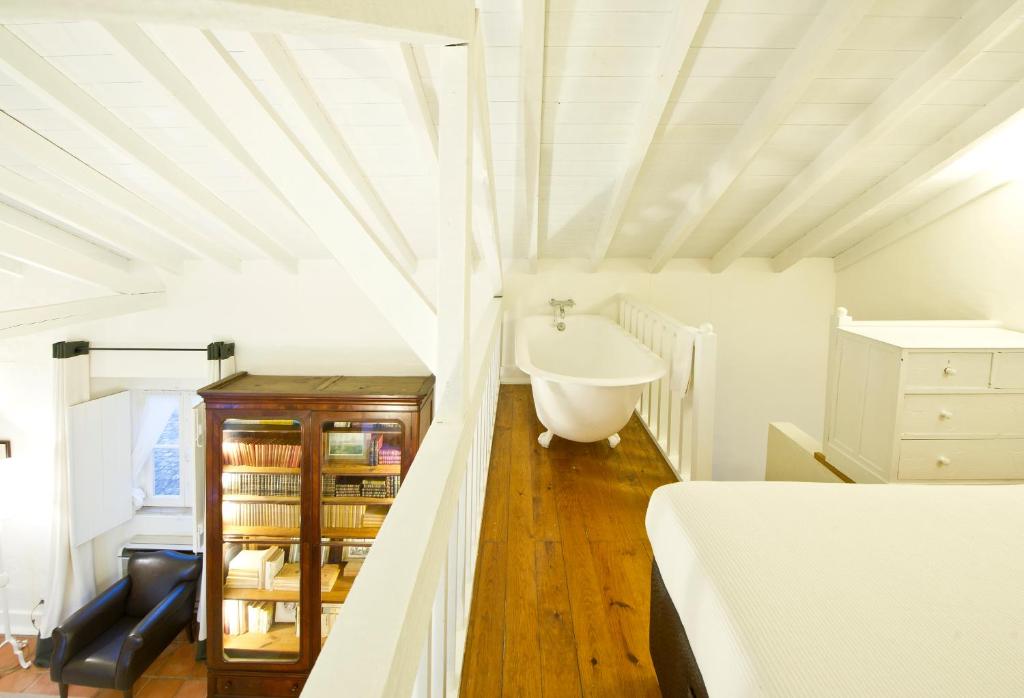
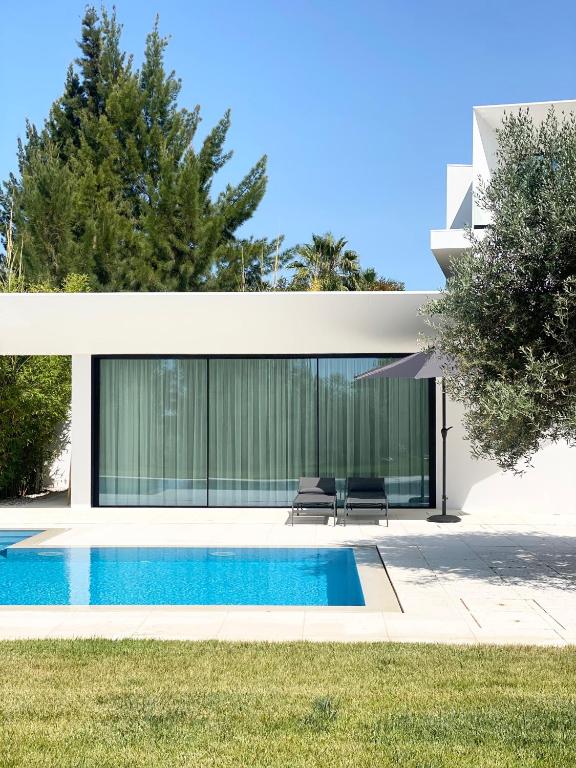
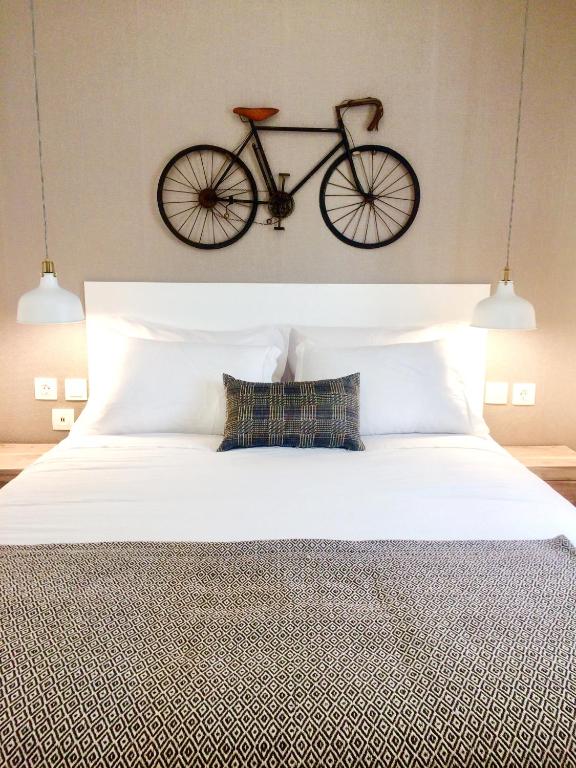
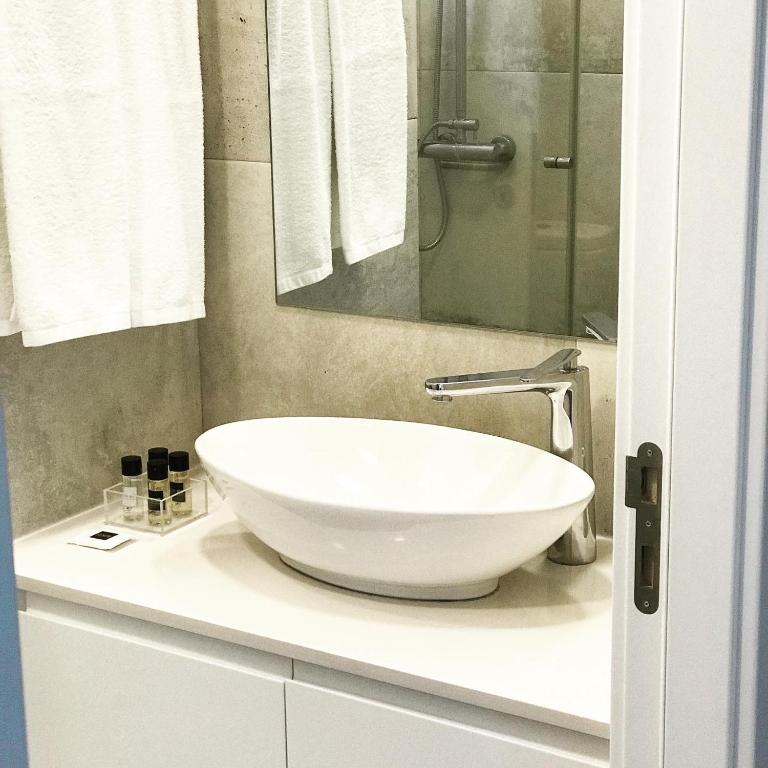
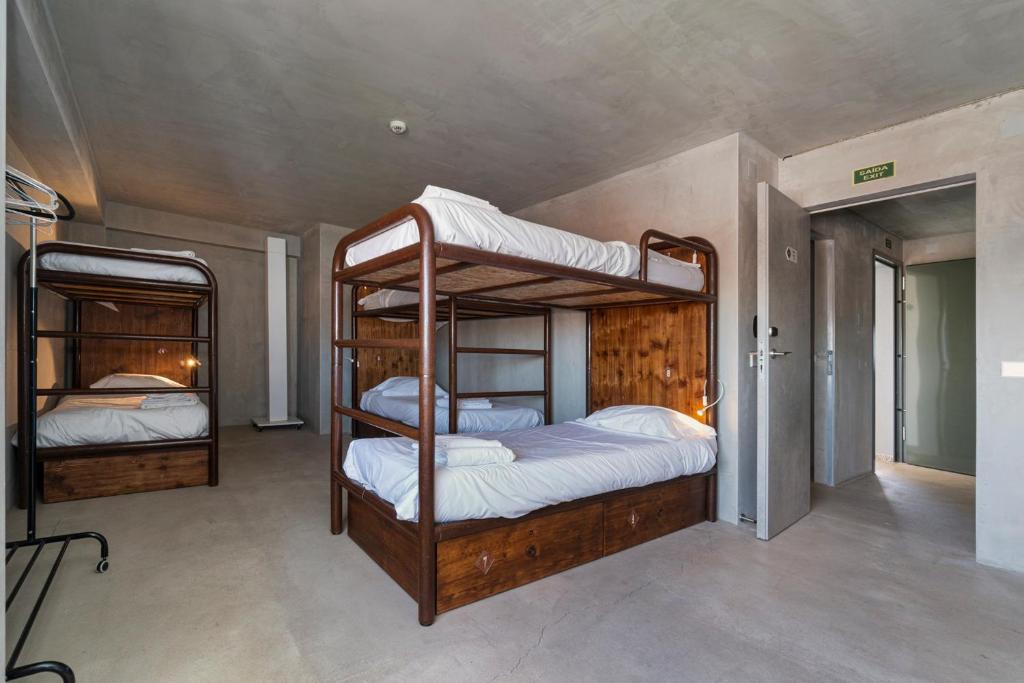
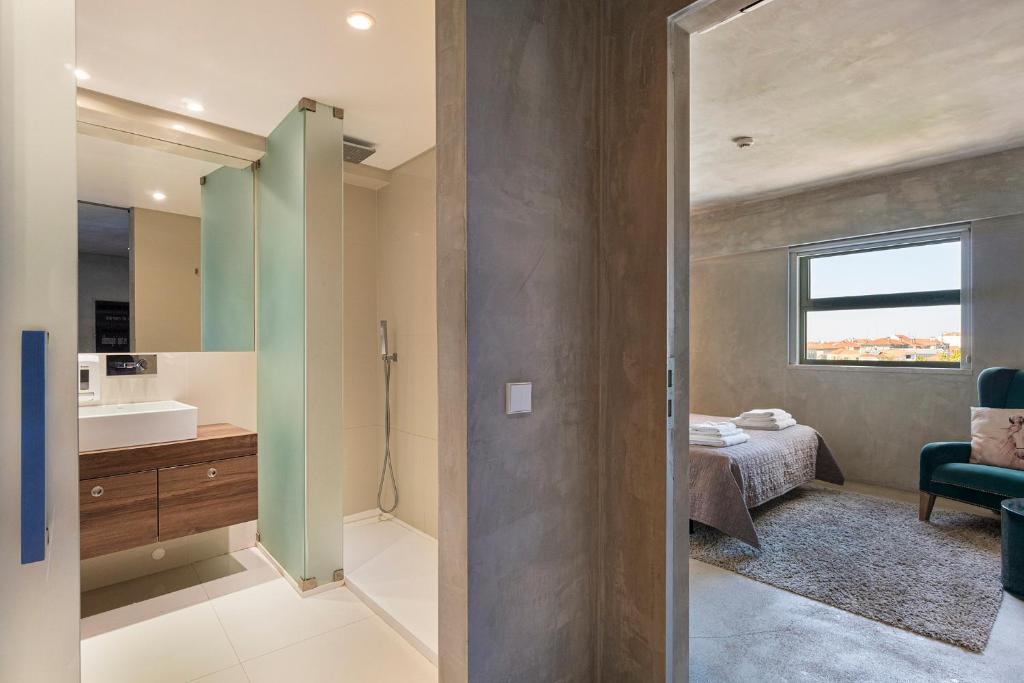
Confirm the exact bedroom and bathroom count, kitchen arrangement and sleeping places, including any sofa bed. Some central properties require stairs and some bungalow retreats are adults-only; an outdoor pool can also close for winter while a separate indoor pool remains available. Ask for the route from parking or drop-off to the room, dining area and pool, and confirm any cot or extra bed with the property.
Prices are set by the booking site. We may earn a small fee, at no cost to you.