About Vila Real de Santo António, Monte Gordo & Praia Verde
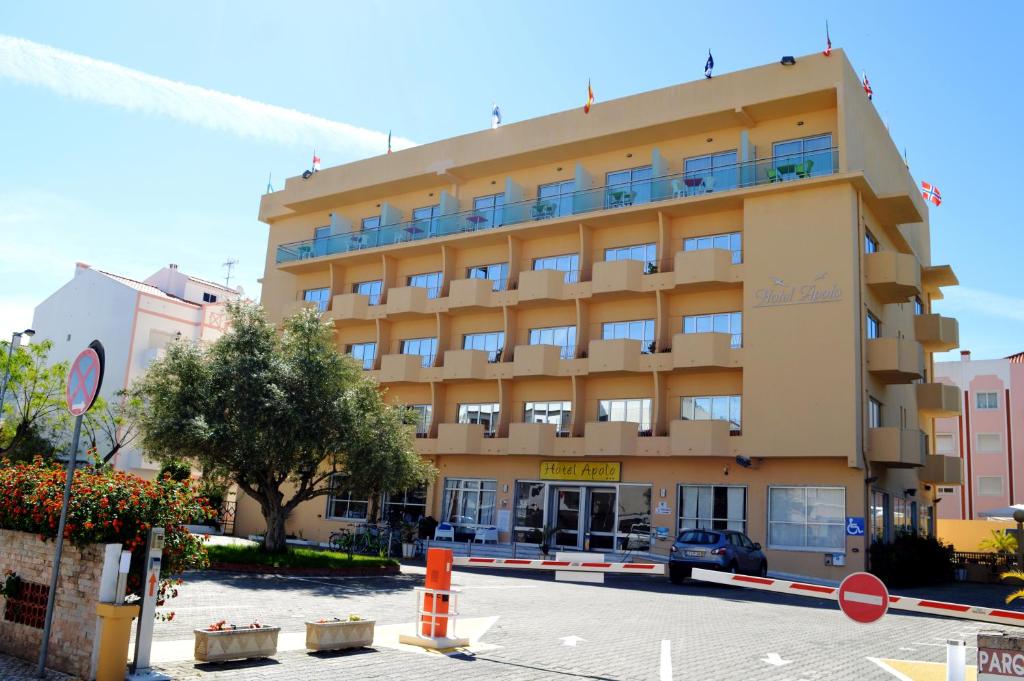
At Portugal’s southeastern edge, Vila Real de Santo António offers a different overnight rhythm from the nearby beach resorts. The Guadiana waterfront, Praça Marquês de Pombal and the regular street grid make a pleasant base for eating out, browsing and crossing to Ayamonte. Monte Gordo brings the beach into the daily routine, with restaurants and apartment hotels behind the sand.
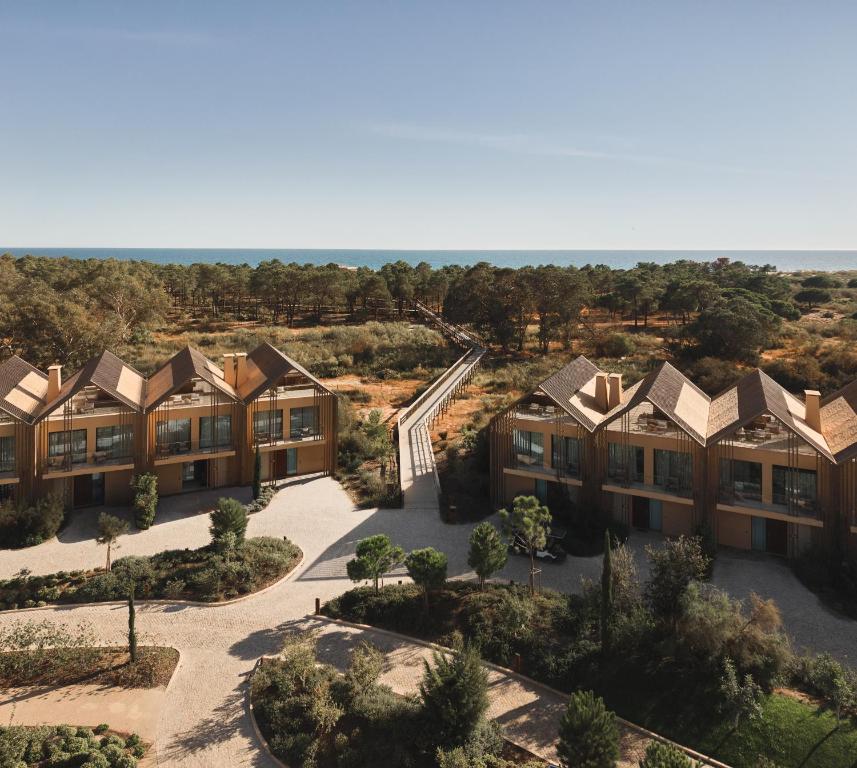
Farther west, the immediate Praia Verde coast puts pine gardens, resort facilities and time at the property first. Choose between town evenings, a beach-town holiday and a pine-fringed resort stay; they need different arrival plans and expectations of winter swimming.
Common questions
Which area is best for a first visit?
Choose the historic town when your priorities are the Guadiana, independent restaurants, the planned streets and a ferry day trip. Monte Gordo works better when you want to return to the sand repeatedly without making the beach a separate excursion. Praia Verde suits a stay centred on gardens and resort facilities, with road transport arranged for town visits and meals elsewhere.
How do I get here from Faro Airport by public transport?
Take an airport city bus or taxi into Faro and connect at the railway station; the airport’s published city routes include 14 and 16. CP’s timetable effective 19 July 2026 shows Faro–VRSA journeys of about one hour, with roughly hourly daytime options and calendar exceptions. Choose a service that stops at Monte Gordo if staying there, as the InterRegional skips that stop, and arrange the final transfer for a Praia Verde address.
Can I stay without a car?
A town hotel works for river walks, the square, shops and the ferry, while Monte Gordo lets you concentrate on the beach and nearby restaurants. Regional trains connect VRSA, Monte Gordo and Tavira, but the railway stop is not your hotel door: map the last section before carrying luggage. For Praia Verde, late meals outside the resort or an early airport departure, reserve the necessary taxi or transfer rather than assuming a hotel shuttle is included.
How many nights should I allow?
Two nights give you a town evening, a beach outing and time to consider a ferry crossing without immediately repacking. Three or four nights make room for slower coastal days, the pine surroundings and another meal or cultural visit in VRSA. A longer apartment stay can work well for families, provided the booked category has the cooking equipment, separate bedrooms and laundry arrangements you actually need.
How do the beaches and pine forest fit into the stay?
Santo António beach lies by the Guadiana mouth with the national pine forest behind it, so it is a different destination from the town’s riverfront. Monte Gordo puts a broad beach beside the resort streets, while Praia Verde combines the coast with pine-covered accommodation grounds and individual access routes. The published bathing season at Santo António and Monte Gordo ran from 1 June to 30 September in 2026; outside it, verify available services and follow the day’s beach conditions.
What is worth seeing away from the beach?
Start with Praça Marquês de Pombal, the rectilinear Pombaline streets and the Guadiana promenade, which explain the town’s trading and fishing background. The Manuel Cabanas gallery in Centro Cultural António Aleixo displays his wood engravings and adds a focused cultural stop. Check the exhibition calendar, then leave time for the shops and a riverside meal instead of treating the town only as a departure point for the ferry.
Can I take a day trip to Ayamonte by ferry?
The operators describe a year-round crossing between VRSA and Ayamonte, with seasonal and weekday timetables. TFG’s current posted image lists seven departures from the Portuguese side Monday–Saturday and six on Sunday, and labels both shores’ times as Spanish time. Confirm the operator, clock convention and last return before crossing, and leave a margin between the ferry and any onward train or airport connection.
What local food should I look for?
The town’s tuna traditions include estupeta, moxama made from dried tuna loin, and espinheta, a stew with potatoes; conquilhas clams are another local example in the regional tourism guide. Use these as dishes to look for rather than assuming every restaurant serves them, and reserve a preferred meal or discuss dietary restrictions directly. If cooking is part of your plan, select a proper kitchen apartment: a bedroom fridge or shared corner for simple meals offers a different level of independence.
When is a good time for the coast and pools?
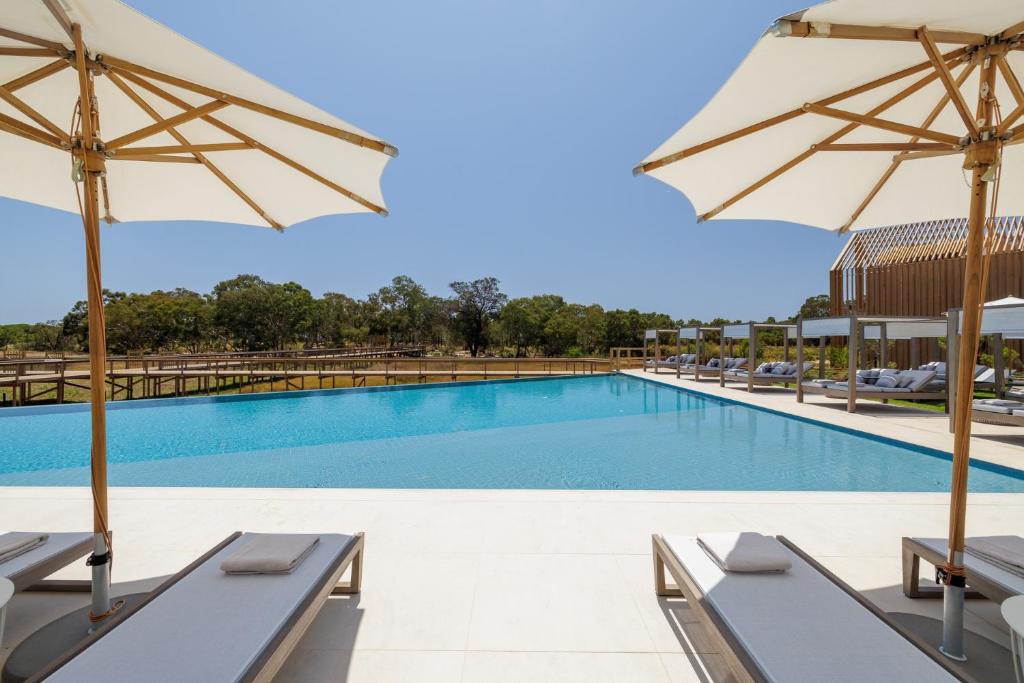
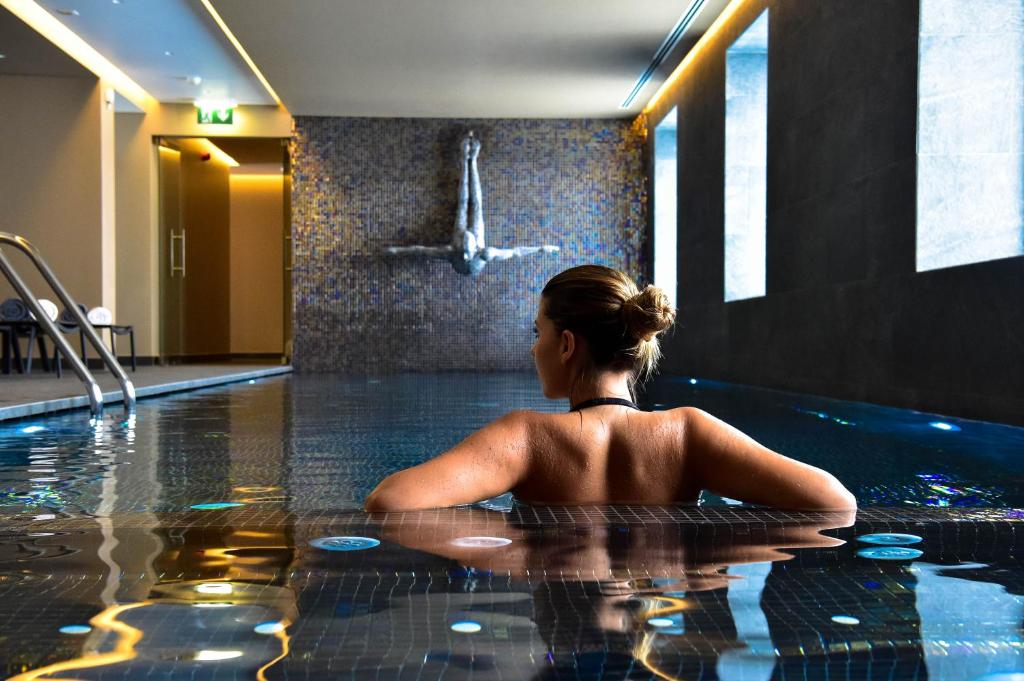
Late spring and early autumn suit a mix of town walking and coastal time, while Faro’s 1991–2020 regional normals show hotter, much drier July and August and wetter late autumn and winter. Those coastal figures are context, not a forecast for your beach or evidence of warm pool water. For a winter booking, confirm the exact heated facility, booking requirements and opening dates, because seasonal beach clubs and individual resort pools may close while the accommodation continues operating.
What should families and travellers with limited mobility check?
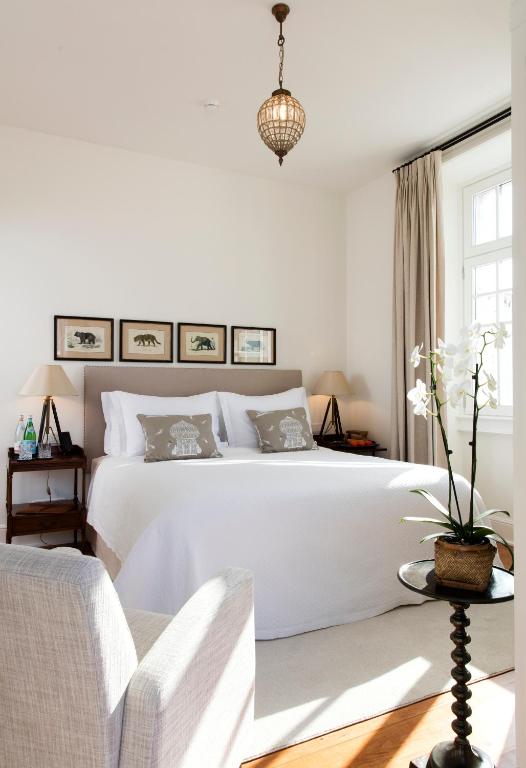
Distinguish a triple or quadruple room, a one-bedroom apartment with a living-room sofa bed and a genuine two-bedroom unit, and give the property every child’s age before booking. Small guesthouses can cap rooms at two occupants or exclude cots, while family spa sessions may be time-limited and adults-only pools can exist within otherwise family-friendly hotels. Ask for the complete route between arrival, room, bathroom, breakfast, pool and beach, including lifts, ramps, steps and distances; an adapted bedroom alone does not settle the whole visit.
Prices are set by the booking site. We may earn a small fee, at no cost to you.