About Toubacouta
Toubacouta is a mainland village for exploring the Saloum Delta by boat and returning to a garden, a pool or a table overlooking the water. The setting is a network of brackish channels and mangroves, with fishing, shellfish gathering and village life woven into the landscape. This is not an open-ocean beach resort.
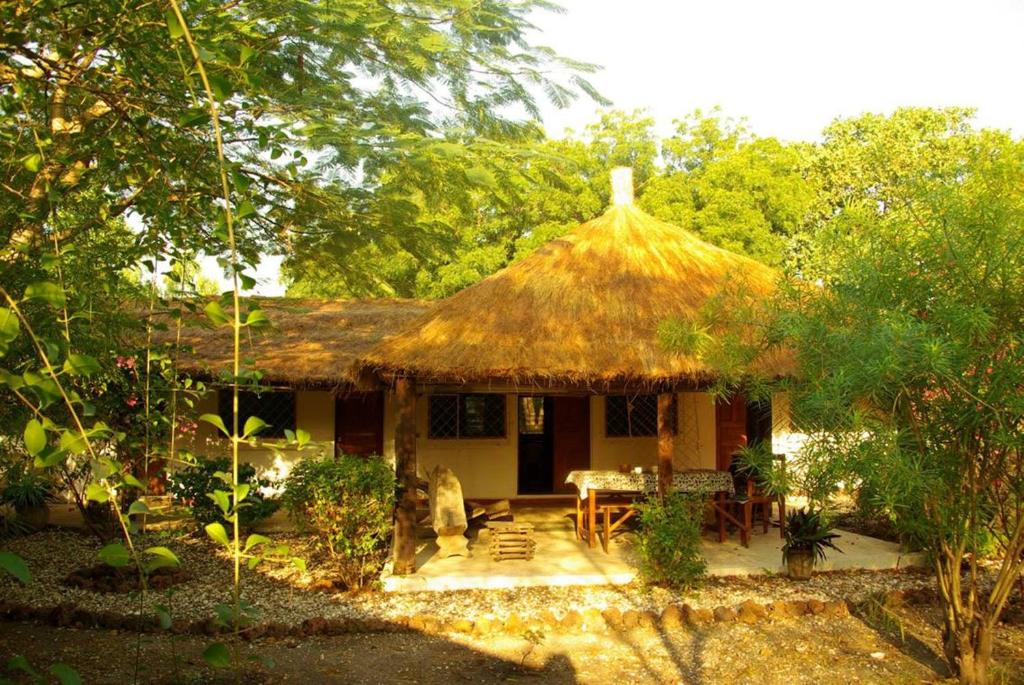
A riverfront lodge makes the view and time at the property part of the holiday; a smaller house near the village streets puts more emphasis on hosts, food and local outings. The road toward Soukouta offers another garden setting without turning the stay into an island transfer.
These choices are close enough to belong to one village guide, but the room, meal arrangements and route down to a boat can make the days feel quite different.
Common questions
How many nights should I spend in Toubacouta?
Two or three nights is a useful starting plan for a boat outing, time in the village or interpretation centre, and an unhurried pool or garden afternoon. Add nights if birdwatching or simply staying put is the main purpose. This is a suggested itinerary, not a minimum booking rule. One accommodation base is enough for this compact village; changing rooms between the riverfront and the garden edge is unlikely to add much. Arrange the outing before fixing a very short stay, and give road travel enough room so that a delayed arrival does not consume the only full day.
How do I get here from an airport?
For a Dakar arrival, use Blaise Diagne International Airport at Diass, code DSS, and arrange an onward road transfer. Allow several hours and ask the operator which route is planned. The full Mbour–Fatick–Kaolack motorway opened in August 2026, so older road-time descriptions may be out of date. A route through Foundiougne uses the bridge opened in 2022, not the old ferry. Some hotels also arrange transfers from Banjul Airport in The Gambia; that journey involves another country and additional border or river-crossing logistics. Confirm those arrangements with the operator rather than treating the straight-line distance as the travel time.
Can I stay without renting a car?
Yes. A prearranged arrival transfer and locally organised boat or village outings can work well. Nearby walks depend on your actual room address, the lane condition and the heat; a map label alone cannot establish an easy evening return. Ask the host where your boat leaves, whether collection is included and how you return after dinner or a longer excursion. A car can be useful for a wider road itinerary, but it is not required for every village outing. No dependable through-bus timetable or on-demand ride service is assumed here, so settle the airport return before the final day.
What should I arrange for a mangrove boat trip?
Discuss the actual route with a local guide or the interpretation centre's tourist information office. A pirogue outing might focus on mangrove channels, birdwatching, a village visit or the shellmounds, and those are different programmes. Ask how tides and wind affect the plan, how long you will be out, where you disembark and when you return. Check shade, drinking water and lifejackets that fit each passenger, especially children. Wildlife remains unpredictable; do not book around a guaranteed species encounter. Agree what is included in writing and keep some flexibility for the conditions on the day.
When is a good time to visit?
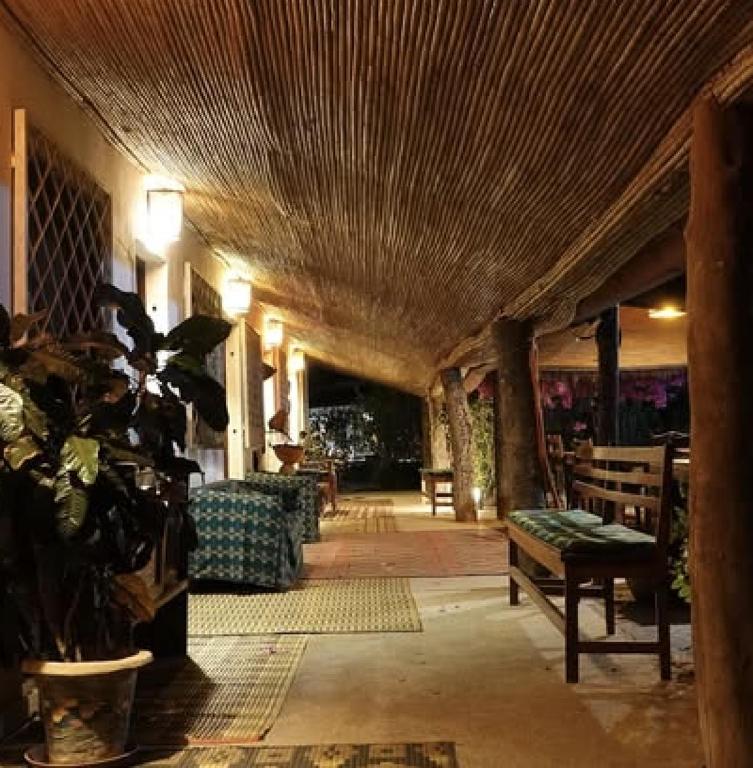
Senegal's broad dry season runs from November to May, while June to October is generally hotter and wetter. Dry months are a practical starting choice for combining village walks and boat outings, although heat can still shape the pace. Early outings and shaded afternoons leave room to rest. During the rains, confirm the last road section, meal service and the excursions actually running for your dates; individual hosts do remain open, so a blanket seasonal closure would be misleading. Ask about the room's air-conditioning or fan, screens and garden seating rather than assuming that all accommodation handles humidity in the same way.
What can I see beyond a boat outing?
The Centre d'Interprétation du Delta du Saloum connects the delta's biodiversity with fishing, traditional activities and local art. Its own programme includes museum visits and guided outings to shellmounds; confirm how to arrange a visit rather than relying on fixed opening hours. The UNESCO-listed Saloum Delta is a cultural landscape as well as a natural one: shellmounds record human use of the waterways, and some have burial histories. Leave shells and objects in place. Village lanes, the small market and craft or canoe work offer another view of daily life; ask before photographing people or entering a workplace.
Is this a beach holiday, and what matters for families?
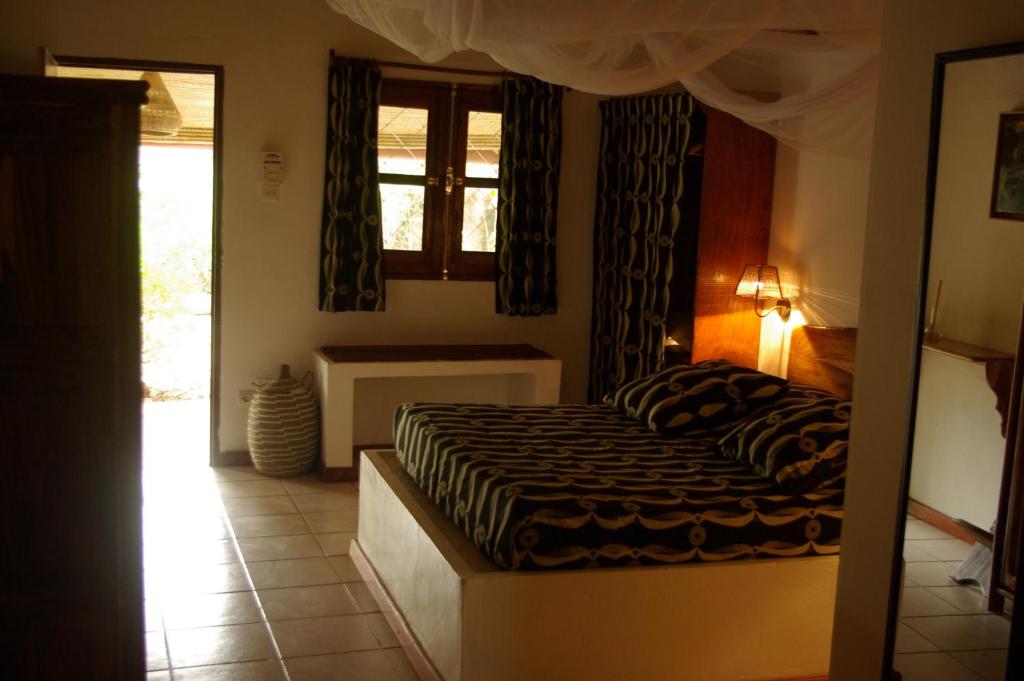
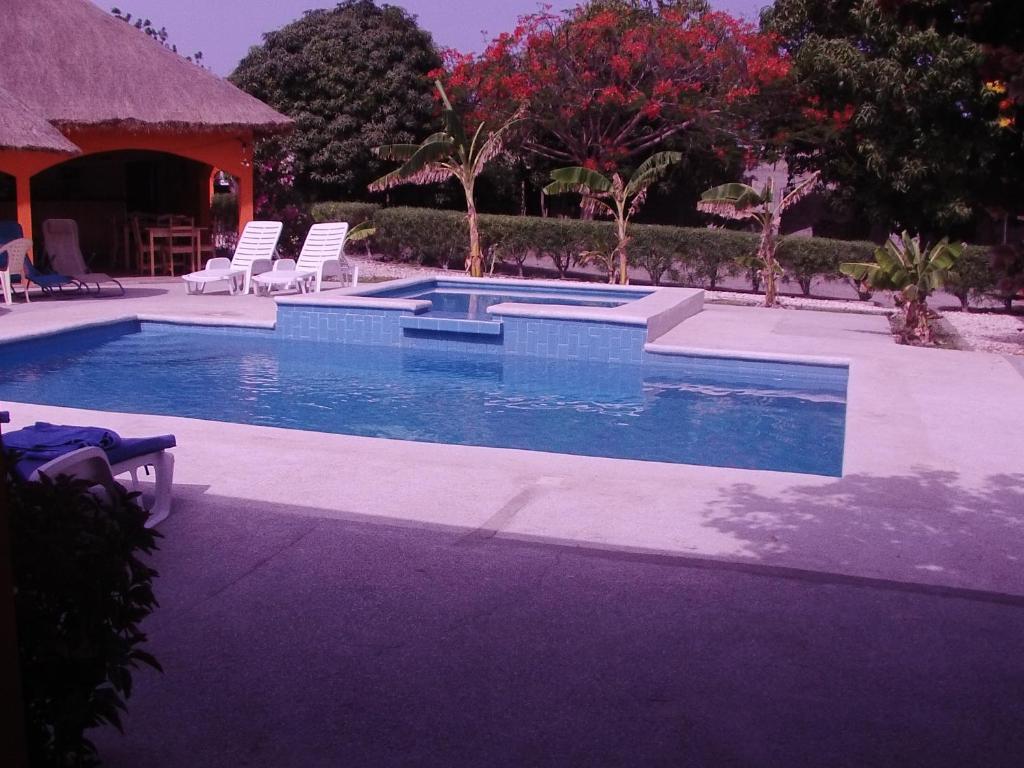
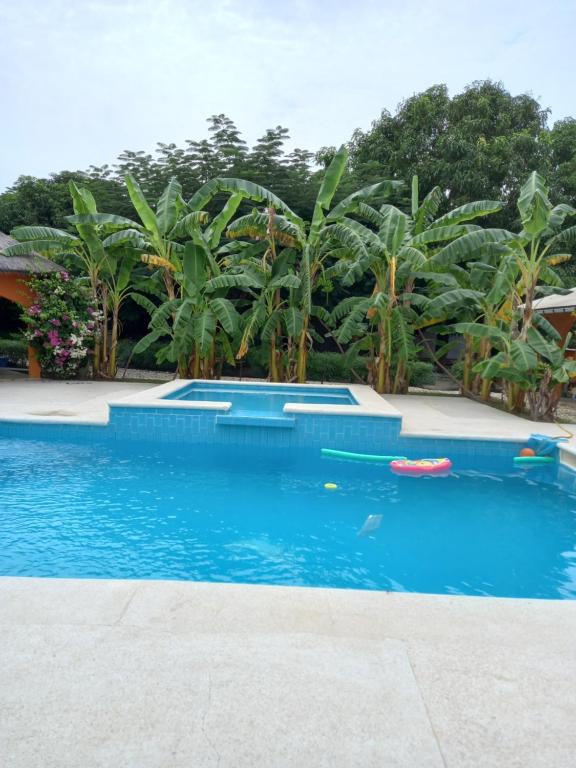
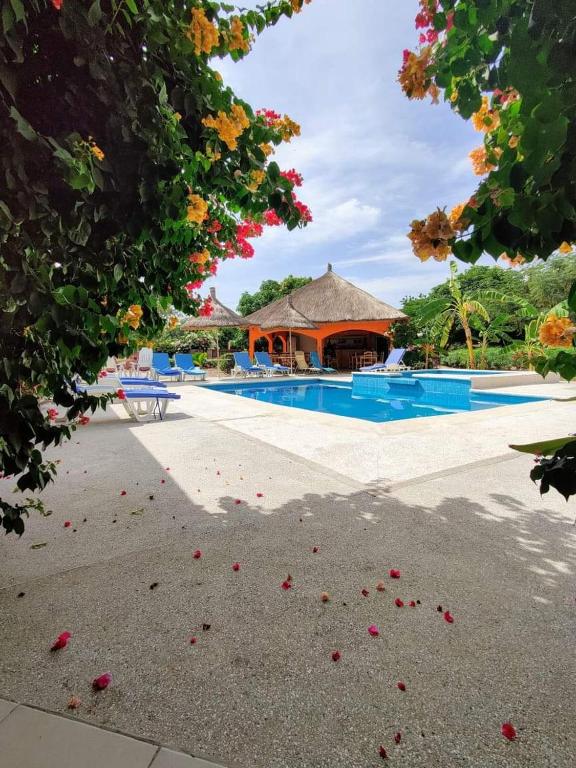
Plan for the delta's mangroves, gardens and waterways rather than an open-ocean swimming beach. A sea-view label may describe a channel or mangrove outlook, and appearance alone does not establish safe bathing. If swimming is important, choose a property with a confirmed pool and ask about depth, access and supervision; not every hosted house has one. Families should also check exact bed capacity, private bathrooms, steps and mosquito screens. For boat trips, discuss suitable duration, shade and correctly sized lifejackets. A riverfront address does not automatically mean an easy path from the room to the boat.
Prices are set by the booking site. We may earn a small fee, at no cost to you.