About Dobrna
Dobrna gives a few quiet days a simple shape: a walk under the spa park's horse chestnuts, time in the thermal pools and a meal back in the village. Beyond the resort, the Dobrnica promenade follows fields and water, while the Loška circuit reaches old mills and country homesteads. Leave room for those outings instead of filling every afternoon with spa appointments.
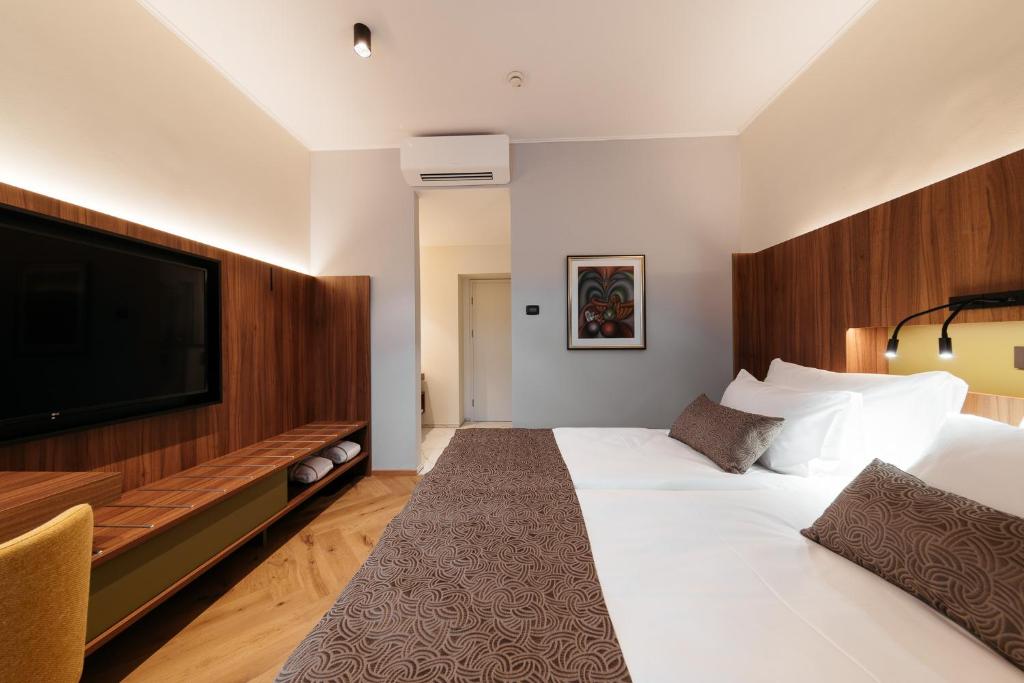
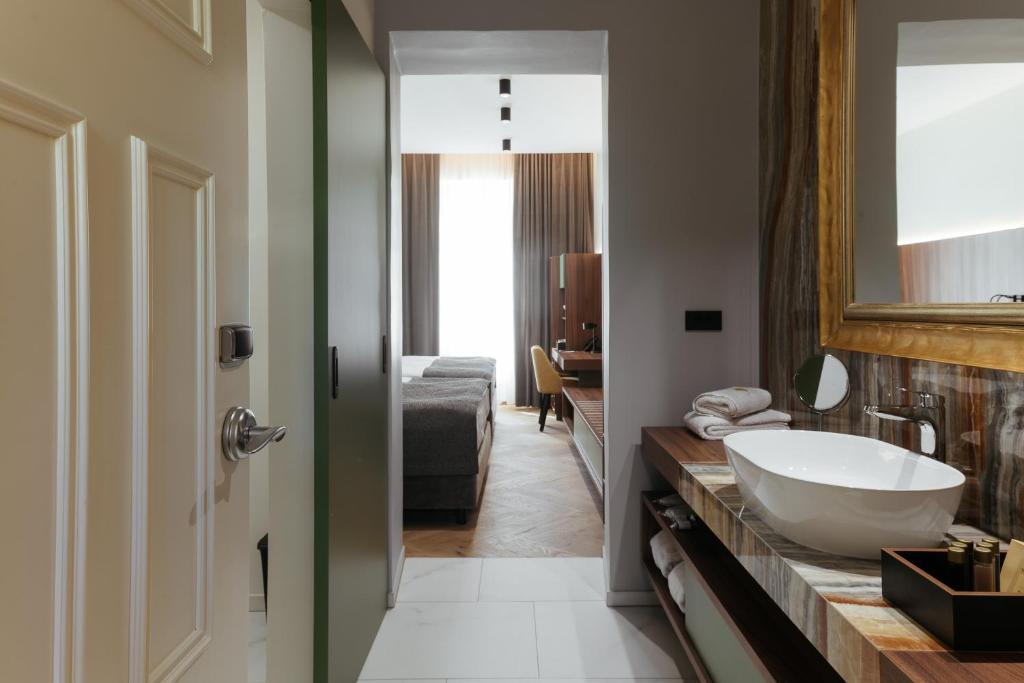
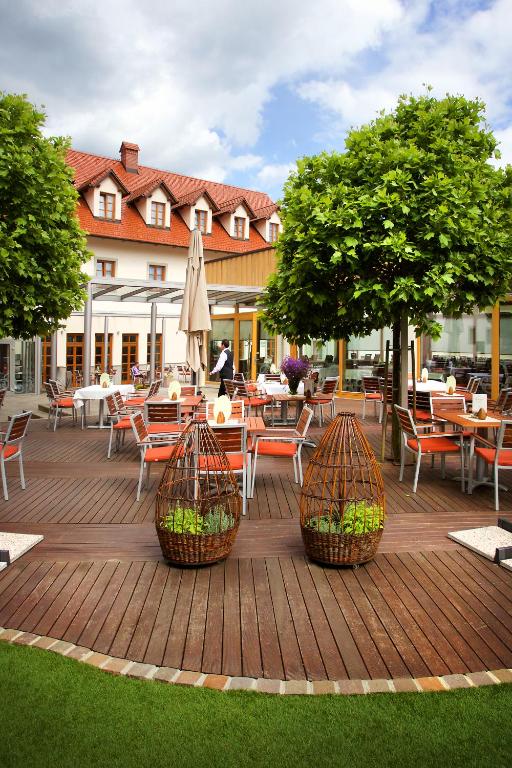
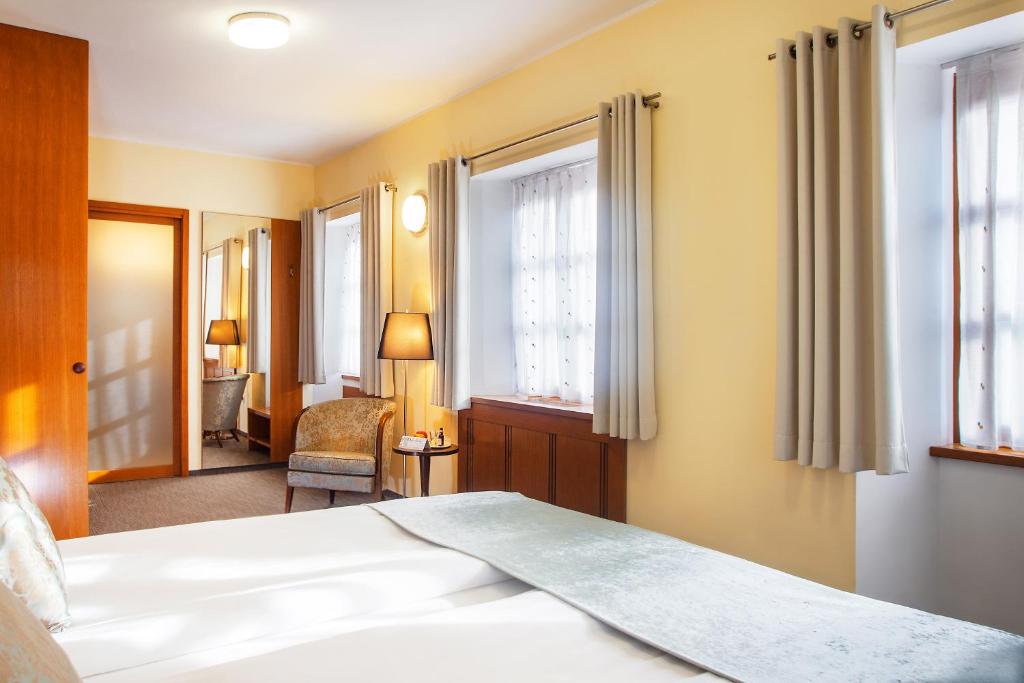
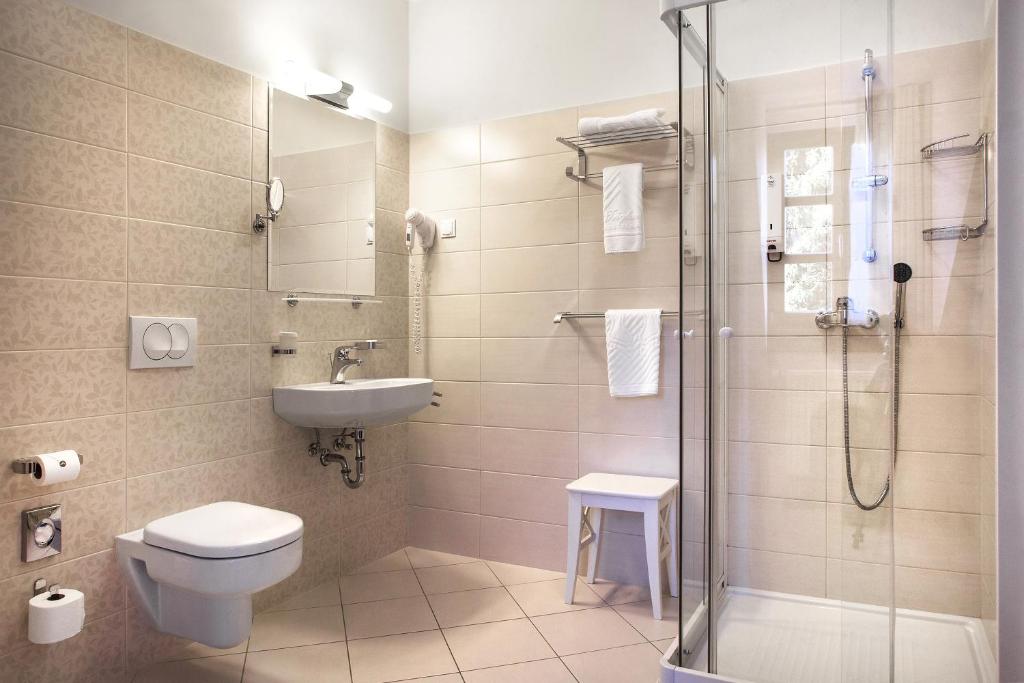
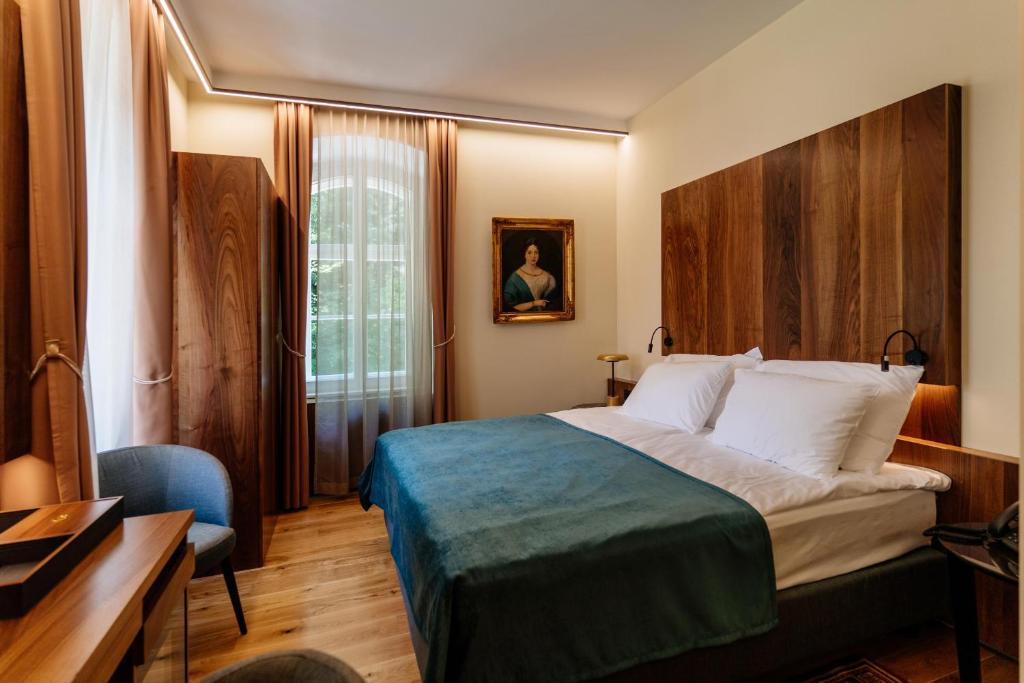
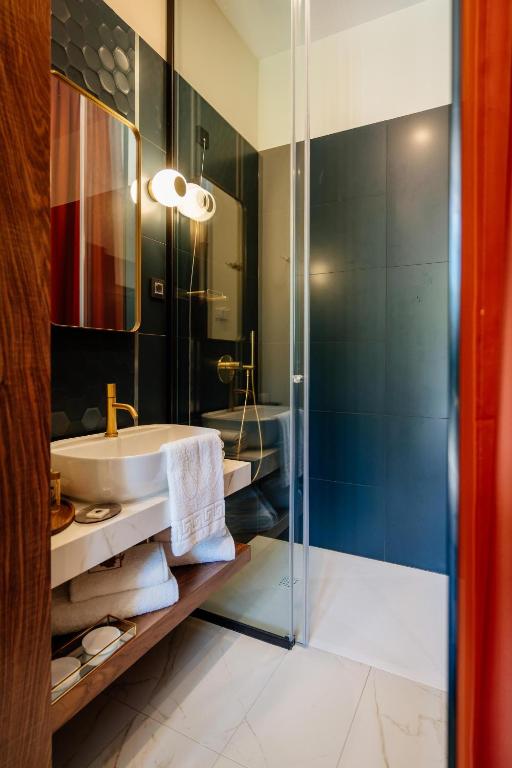
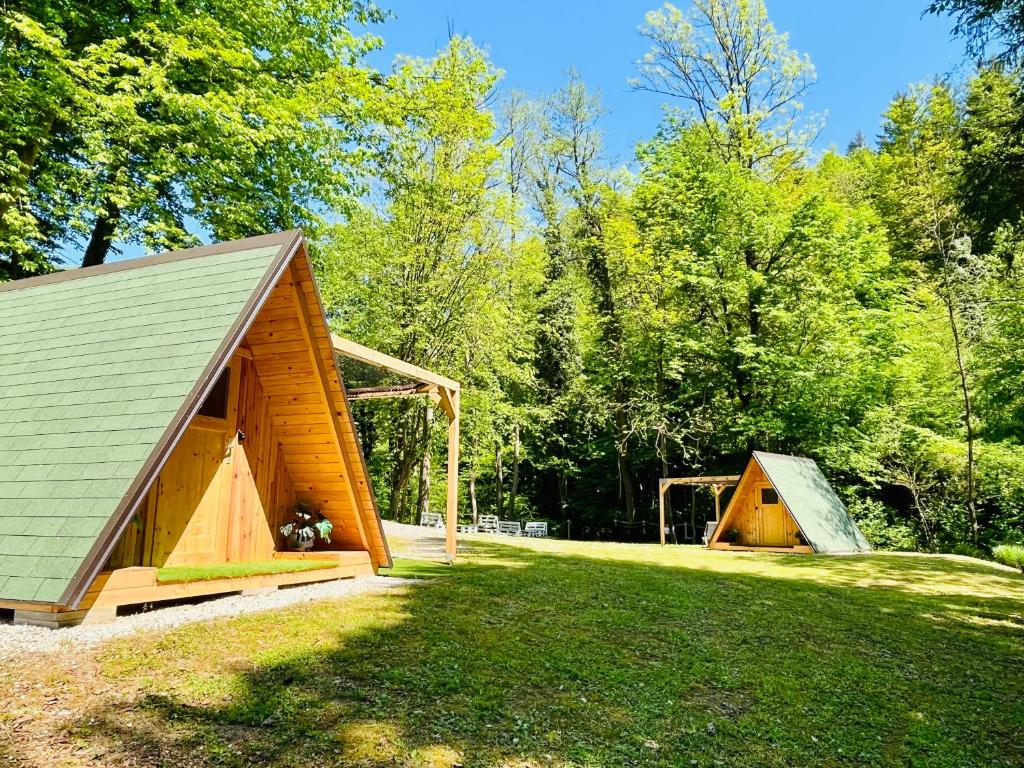
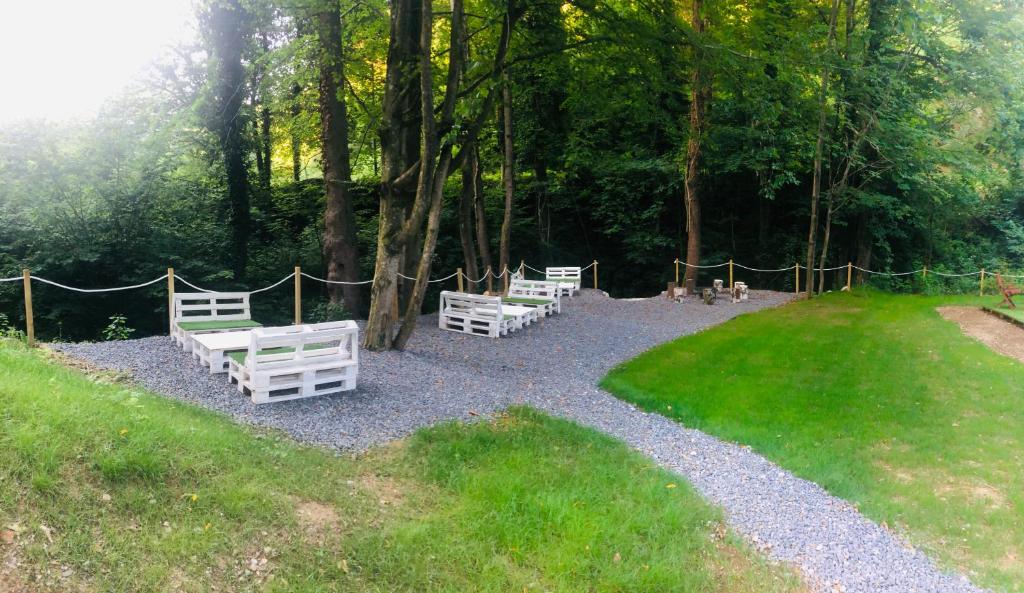
Choose accommodation by the journeys it creates. The historic resort hotels share facilities across separate buildings; Triglav keeps you in the village with its own restaurant. Lamperček's heated cabins stand out in Črnova, on the rural walking circuit, and need a transport plan for repeated pool visits.
Common questions
How many nights make sense in Dobrna?
Two or three nights suit a swim, the spa park and one longer country walk without rushing between them. Extend the stay if the accommodation itself is the main attraction or you want to arrange several farm and heritage visits. Dobrna is small enough for a relaxed daily routine; the hills provide variety rather than a reason to pack up and change hotels.
How do I arrive without driving?
Dobrna has no direct railway connection. Use Celje as a rail interchange, then continue by bus; the tourist board also lists bus links from Velenje. There are stops in the village centre and by the spa administration. Check Nomago for the actual travel date and return connection, since a weekday timetable is not a guarantee of the same weekend service.
Do all spa hotels have pools inside their own building?
No. The resort spreads accommodation and services across different buildings, and the main thermal swimming complex is shared. Check the location of your pool, restaurant and reception before choosing a room. Arbora Spa has its own sauna and whirlpool offer, so read the exact admission conditions rather than treating every wellness image as something included with your stay.
What changes with the season?
Indoor thermal swimming makes a useful anchor for a winter or rainy-day visit. In warmer weather, the park, streamside walks and farm outings can take up more of the day. Ask which outdoor pool sections are operating and whether any maintenance affects your dates. Country paths need a different plan after heavy rain, and a heated cabin still means an outdoor walk if its kitchen or bathroom is elsewhere.
Which walks are suitable for a gentler day?
Start with the spa park, whose horse chestnut avenue dates from 1820. The tourist board describes the Dobrnica promenade as level: it begins near the ruins of Villa Ružička and follows the stream and fields towards Vinska Gorica. Choose a section that suits your group and return the same way. Level ground does not settle every access question, so ask about the surface if you need a wheelchair or pushchair route.
What is the best longer walk around the villages?
Follow the Loška circuit from the spa park through Klanc and Loka pri Dobrni to the old mill valley. The route passes Vovk's restored watermill, continues to Lamperček's deer homestead and returns via the castle remains and Lokovina. Allow time for stops and confirm access to individual buildings before setting off; a marked trail past a property does not guarantee an indoor visit. After rain, ask the tourist office about current path conditions.
What can I see in wet weather besides the pools?
Arrange a visit to the Polenek heritage collection, housed in a former spa farm building. Shoemaking, tailoring, milling, beekeeping and old domestic interiors give a detailed picture of rural work and daily life. Visits are by appointment, so contact the collection before relying on it for a rainy afternoon. The Šumej homestead’s preserved smoke kitchen is another heritage stop to discuss with the tourist information centre.
What local food is worth planning around?
Look for the Dobra Dobrna label on local bread, noodles, pastries, potica rolls and other farm products. The tourist board lists a Saturday-morning market in the centre, as well as strudel, herbal teas and meals at participating farms by prior arrangement. Honey and local wines add other stops. Reserve a rural lunch when it anchors the day, and arrange transport if your visit includes wine tasting.
Prices are set by the booking site. We may earn a small fee, at no cost to you.